Pregnancy often comes with one simple question: “What should I eat?” But researchers are increasingly looking beyond individual foods and studying the bigger picture: how foods are eaten together as daily dietary patterns. One large study identified four distinct patterns among women around conception, ranging from diets high in fruits, vegetables, whole grains and plant proteins to patterns higher in fat, sugar and sodium. The surprising part is that these patterns were associated with differences in pregnancy and birth outcomes.
The Balanced Plate Pattern
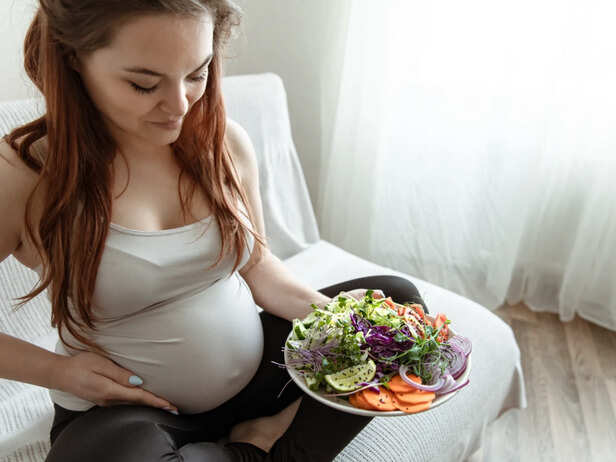
A balanced eating pattern usually includes vegetables, fruits, whole grains, pulses or other plant proteins, and suitable protein-rich foods. Research has repeatedly found that healthier dietary patterns are associated with better pregnancy outcomes, although results vary between studies. A 2024 study found that the pattern highest in fruits, vegetables, whole grains and plant proteins was associated with fewer adverse pregnancy outcomes than a pattern high in fat, sugar and sodium.
The Snack-Heavy Routine
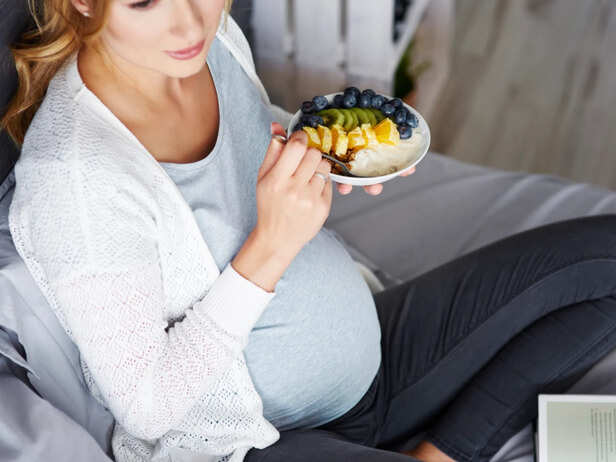
Snacking during pregnancy is common, especially when nausea, hunger or changing appetite makes large meals difficult. But snacks can quietly shape the overall quality of the diet. In the 2024 study, “sandwiches and snacks” emerged as one of four recognizable dietary patterns. The researchers did not conclude that snacks themselves were harmful. Instead, the finding shows why researchers study the complete eating pattern rather than blaming one food. A sandwich, fruit, nuts or yogurt can fit very differently into a diet than a routine dominated by highly processed snacks.
The Refined Food Pattern
Busy schedules can make refined grains, packaged foods and quick mixed dishes an easy choice. Research has identified dietary patterns involving refined grains and mixed dishes during pregnancy, while other studies have linked diets higher in refined and processed foods, saturated fat or sugar with less favourable birth outcomes. Still, these are population-level associations and do not mean that eating one such food will harm a baby. The bigger lesson is balance: highly processed choices should not consistently crowd out vegetables, fruits, whole grains, pulses and nutritious protein sources.
The High-Fat, High-Sugar Pattern
This is where the research becomes particularly interesting. In the 2024 study, the high-fat, sugar and sodium pattern was used as the comparison group, and several other identified patterns showed fewer cases of the combined adverse pregnancy outcome. The outcome included conditions such as preeclampsia, gestational diabetes, preterm birth and small-for-gestational-age birth. That does not mean avoiding every sweet or fatty food guarantees a healthy pregnancy. Instead, it highlights why the overall dietary pattern matters more than occasional indulgence.
What Reaches The Baby Matters
The connection between maternal diet and newborn health is not just theoretical. One study involving nearly 2,000 pregnant women found that healthier diet scores, particularly a Mediterranean-style pattern, were associated with higher birthweight and greater newborn length. Another study found associations between specific maternal dietary patterns and newborn body composition. However, researchers caution that these studies show relationships, not simple cause-and-effect. Genetics, health conditions, lifestyle, socioeconomic factors and prenatal care can also influence pregnancy and newborn outcomes.
The Bigger Lesson For Mothers
The most useful takeaway is not to label foods as completely “good” or “bad.” Instead, look at the whole day. Are vegetables and fruits appearing regularly? Are whole grains and pulses part of meals? Are there nutritious sources of protein? Are packaged foods, sugary drinks and heavily processed choices becoming the main part of the diet? A 2025 systematic review found evidence supporting the importance of overall diet quality during pregnancy, while also noting that research remains inconsistent for some birth outcomes.
Small Changes Can Matter
You do not need to completely change your diet overnight. Start with small, realistic improvements. Add a serving of vegetables to a meal, choose fruit when convenient, include pulses or another protein source, swap some refined grains for whole grains, and keep highly processed foods from becoming the foundation of every meal. Most importantly, pregnancy nutrition should be personalized. Medical conditions, allergies, dietary restrictions and individual nutritional needs can change what is appropriate. A doctor or registered dietitian can provide advice suited to your pregnancy.
Unlock insightful tips and inspiration on personal growth, productivity, and well-being. Stay motivated and updated with the latest at My Life XP