When You Have a Heart Condition, Diagnosed or Not
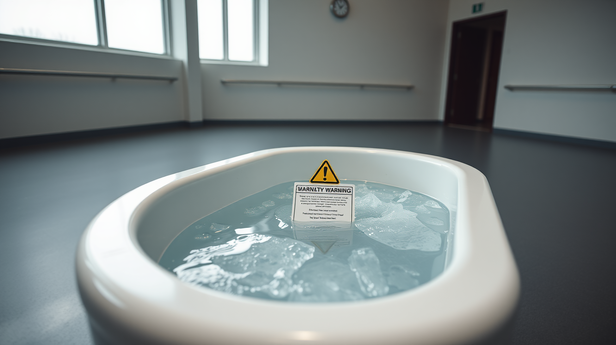
The cold shock response is not a metaphor. Within the first 30 seconds of cold water immersion, your body triggers a gasp reflex, spikes heart rate, and constricts peripheral blood vessels sharply. For a healthy person this is uncomfortable. For someone with an undiagnosed arrhythmia, a narrowed coronary artery, or hypertension, it can trigger cardiac arrest before they reach the far end of a plunge pool.
Mike Tipton's research at the University of Portsmouth, published in the Journal of Physiology, has documented cold shock as a leading cause of sudden death in open water, responsible for more fatalities than hypothermia itself. The cardiovascular system simply cannot always absorb that spike. India's urban middle class has an unusually high burden of undetected hypertension, the Indian Council of Medical Research has estimated that over 50% of hypertensive Indians are unaware of their condition. Cold water therapy marketed as a wellness ritual is reaching people who have never had an ECG. That gap is dangerous.
Anyone with a history of chest pain, palpitations, or a family history of early cardiac events should get a clearance from a cardiologist before any cold immersion protocol, regardless of how many fitness influencers endorse it.