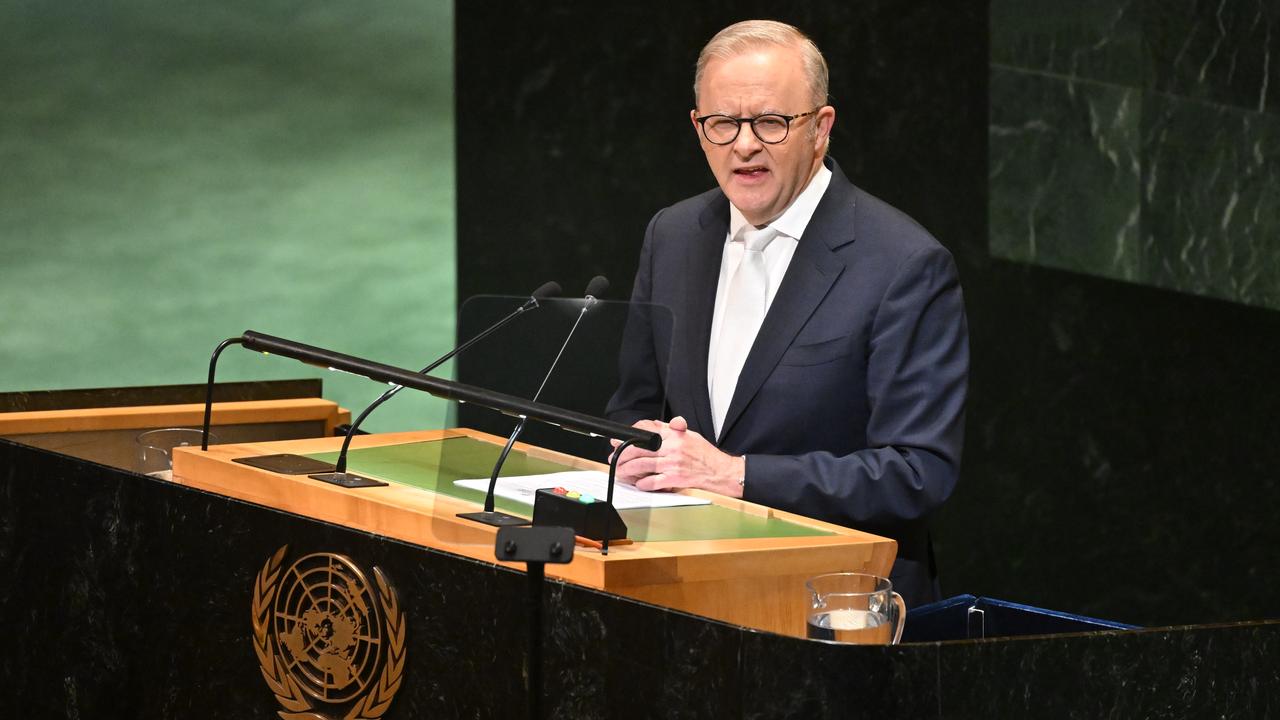
Australia's teen social media ban and efforts to rein in AI will be selling points in a pitch to gain a place on the United Nations Security Council.
Anthony Albanese will launch Australia's official campaign for a seat on the powerful body in New York late on Sunday, Australian time, ahead of a week of meetings with global leaders at the UN General Assembly high-level week.
Australia is seeking a two-year term on the security council in 2029 and 2030 as one of the 10 non-permanent members of the 15-seat body.
A vote for the positions will not be held until mid-2028, but lobbying will intensify during the UN General Assembly.
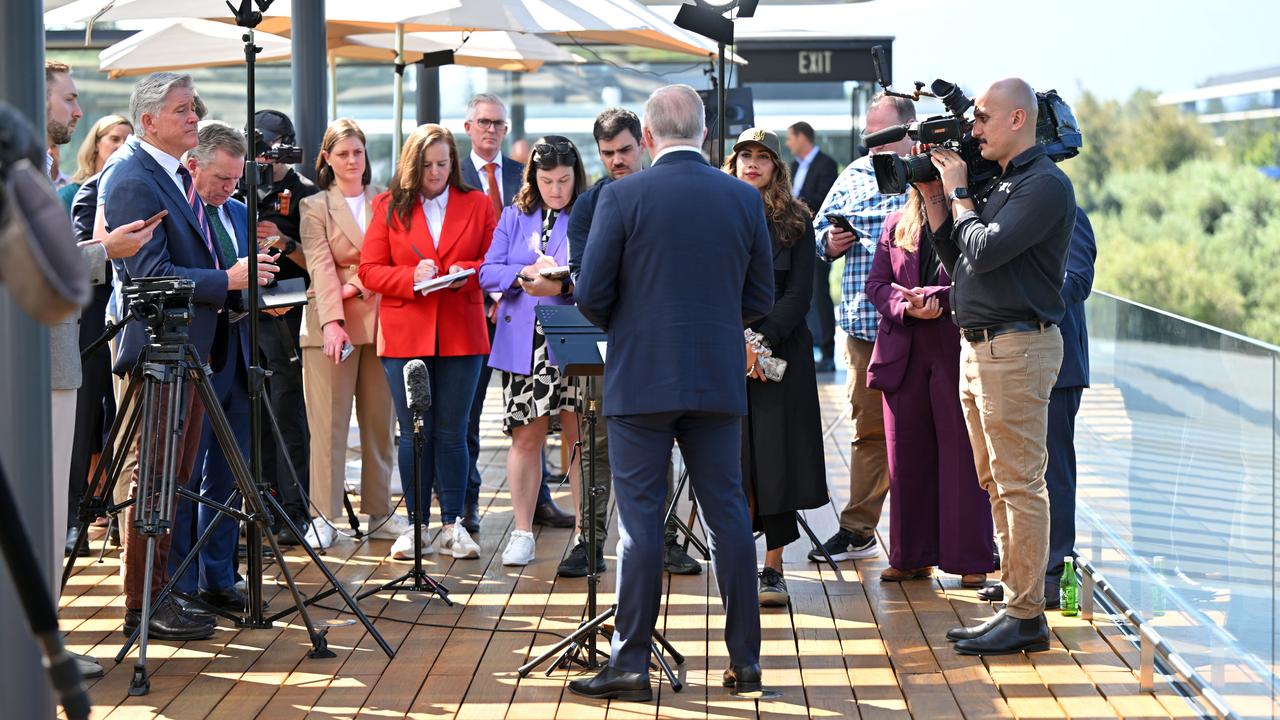
The campaign, called "we listen, we partner, we protect", will focus on aiming to boost the voices of middle powers and smaller nations at the UN.
Australia becoming the first nation to ban people younger than 16 from holding social media accounts will be at the forefront of the campaign, alongside recent efforts to place guardrails on the rapid-fire expansion of artificial intelligence.
Mr Albanese said Australia could provide a critical voice on the security council.
"The hopes of Australians are the hopes of people everywhere - to live in peace and build a better future," he said.
"That is the voice that Australia will bring to the security council.
"Australia played a pivotal role in the founding of the United Nations, because we have always understood how important it is for small and mid-sized nations to have their voices heard on the challenges facing our world."
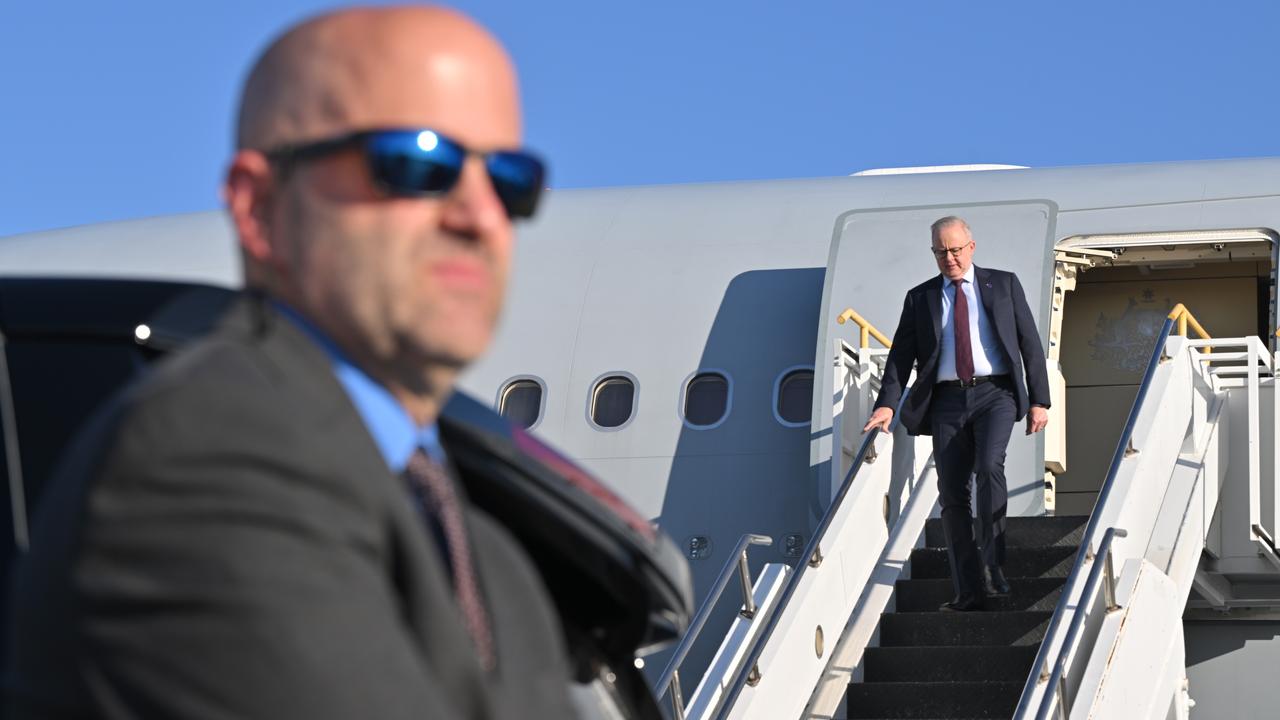
Australia's credentials in combating climate change and the nation's role in the Pacific will be highlighted as part of the campaign, as will efforts to uphold ocean protections.
Imagery of native species such as kangaroos will feature heavily in the campaign
Two countries are elected to the security council from the Western Europe and Others Group, which includes Australia.
So far, only Australia and Finland have put their hands up for a spot on the council, but other countries from the bloc could still launch bids.
Even if the two countries run unopposed, Australia will need support from two-thirds of the 193 UN member states to be successful.
There are 15 members on the security council. China, France, the US, UK and Russia are permanent members, while the remainder serve two-year terms.
Australia was a member of the security council in 2013 and 2014, when it helped lead the response to the downing of Malaysia Airlines flight MH17 by Russia.
Foreign Minister Penny Wong, also in New York for the summit, said Australia would seek to uphold international order through the security council.
"As an active and ambitious middle power, we have a practical contribution to international peace and security," she said.
"Australia's focus on the UN Security Council will be conflict prevention, the protection of civilians and defending the rules that protect us all."