From seaweed to sirloin and tomatoes to corn, grocery items around the world are getting more expensive as climate change turns temporary weather-related price spikes into a more persistent driver of inflation, a new study shows.
Analysts at Zero Carbon Analytics, an international research firm, mapped food price spikes between 2022 and 2026, tracing them to extreme weather events they say are tied to climate change.
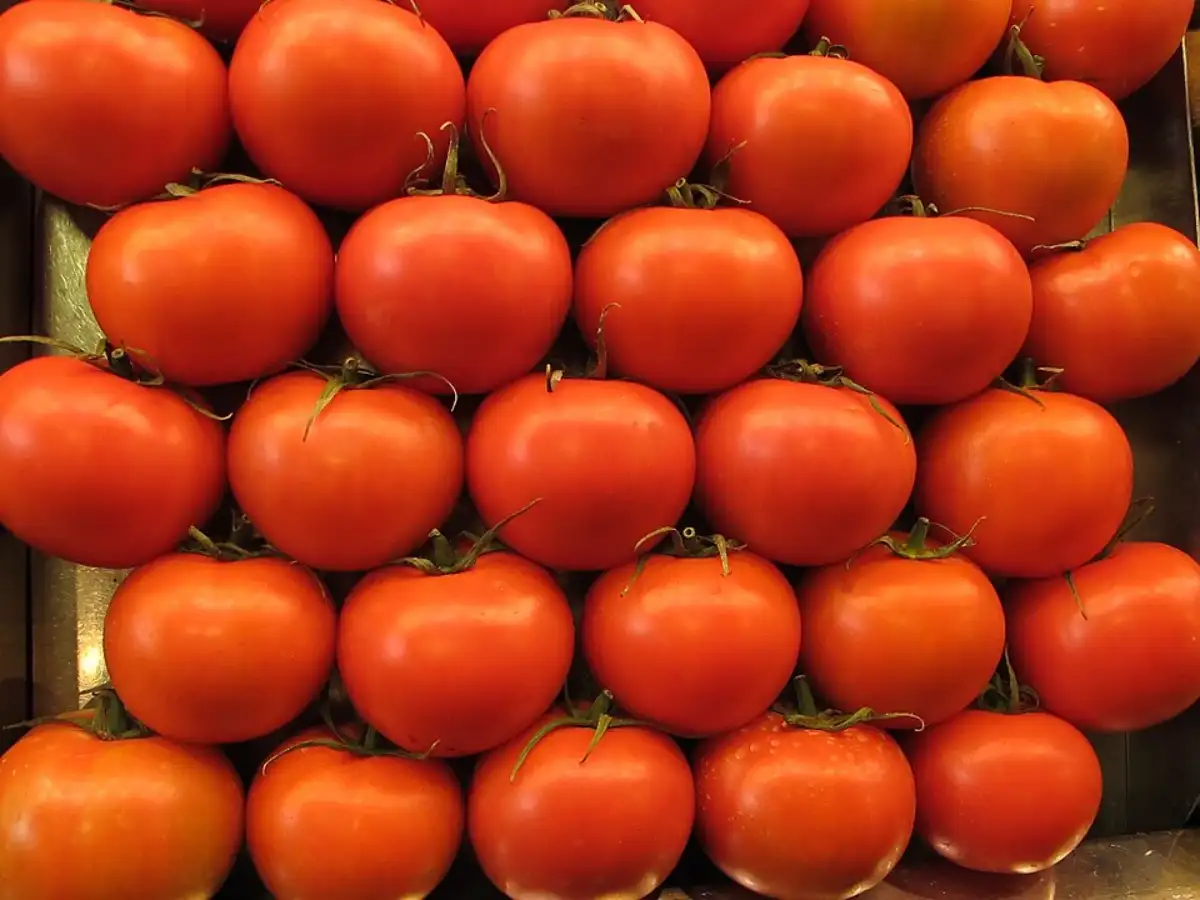
So far this year, they’ve connected all but one of the price jumps they documented to unprecedented temperatures, drought or rainfall, meaning the events were more extreme than any similar instance in the historical climate record. The lone exception was a winter storm that sent US tomato prices soaring about 40% but wasn’t made worse by climate change.
The findings are part of the growing body of research into how climate change is reshaping inflation, a phenomenon some economists dub “climateflation.”
"Climateflation represents a permanent rise in everyday living costs driven by fossil fuel dependency and extreme weather destruction, locking in persistent inflation that strains household budgets worldwide," Joanne Bentley-McKune, a climate scientist and lead author of the Zero Carbon Analytics briefing, said in a statement.
Broadly, 2026 has proven a difficult year for global growers. In addition to geopolitical tensions that have upended critical trade corridors in the Mideast and the Black Sea, sending input costs soaring, extreme weather has ravaged harvests and already begun to threaten the planting window for next year’s crop. A historically severe “super” El Niño is poised to be at the forefront of risks to global food supplies into 2027.
Prices of key crop staples, including wheat, corn, cocoa and sugar, have already climbed this year, helping push the United Nations’ food-commodity index to an almost four-year high in August.