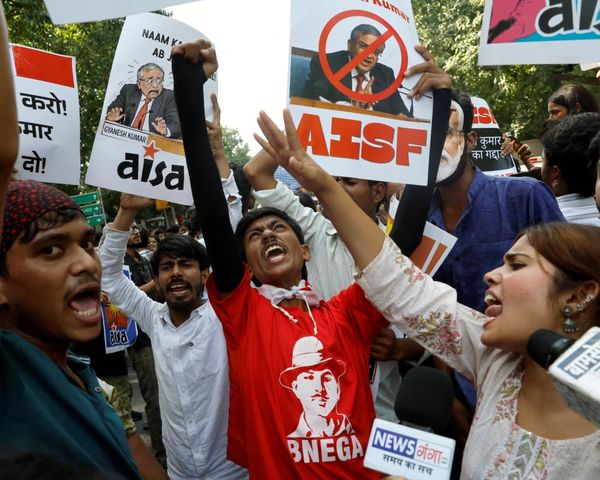

The phenomenon now described as “cancel culture” isn’t new—whether for noble purposes or cruel ones, it has a long history. It’s human nature to judge other people, for right or wrong. But in an age of online communications, it’s easy to think the worst of a person you’ve never met and to decide that they’re evil based on one video or comment—even if they’re just, like most of us, imperfect. And it’s also easy, it turns out, for bad actors to weaponize those feelings themselves.
That’s what happened with Amnesty International’s recent decision to strip jailed Russian dissident Alexei Navalny of his “prisoner of conscience” status after a shadowy email campaign brought up his past xenophobic statements. The decision emboldened Kremlin propagandists covering Navalny’s case, and it has given both trolls and useful idiots reason to cast both Navalny and anyone who supports him as outright Nazis. From the start, Amnesty seemed to realize it had been played—and the organization is now undergoing a review of what happened. But the damage has been done.