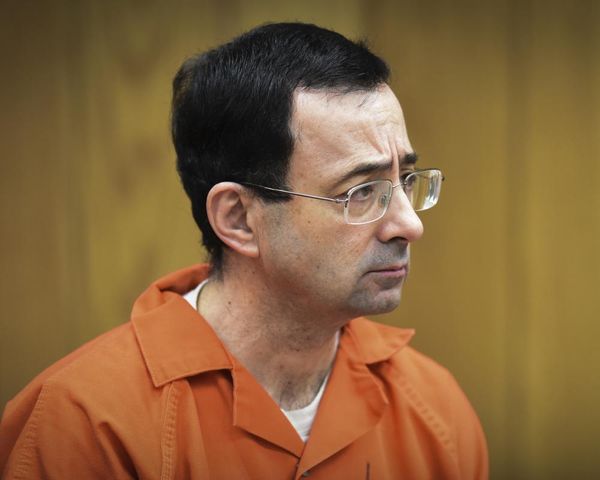

The presence of Serbian officials at the funeral of war criminal Ratko Mladić was "deeply regrettable", EU chiefs Ursula von der Leyen and António Costa said on Tuesday.
Serbia's commemoration of the so-called "Butcher of Bosnia", who was buried on Monday in a service attended by thousands, has put Brussels on a collision course with Belgrade, an EU candidate country.
Several Serbian ministers, including the defence and justice ministers, attended, alongside Russia's ambassador to the country, a string of top officials from the Bosnian Serb entity including its President, Siniša Karan, and his predecessor, Milorad Dodik.
"The images from Ratko Mladić's funeral yesterday in Belgrade were shocking," European Commission president von der Leyen and European Council chief Costa wrote online.

"The elements of official support and the presence of some senior Serbian officials at the funeral are deeply regrettable."
The pair said the move demonstrated "a failure to confront a dark chapter in Europe's recent history and contradict the values underpinning Serbia's path towards the European Union."
Mladić died in The Hague last month, aged 84, after being convicted of genocide, war crimes and crimes against humanity committed during the 1990s Bosnian War.
Serbian Justice Minister Nenad Vujić initially announced "military and state honours" for Mladić, triggering international outrage, before President Aleksandar Vučić tempered the decision.
Vučić has rejected accusations of glorifying the former general, describing the service as in keeping with the family's wishes.
The EU has yet to say what the consequences could be for Serbia's efforts to join the 27-nation bloc.
The EU's enlargement chief Marta Kos has already scrapped a visit to Belgrade, and it looks likely von der Leyen will skip Serbia on her upcoming tour of the Balkans.
Mladic and the Screbrenica massacres
On Mladić's direct orders, Bosnian Serb forces overran the UN-declared "safe area" of Srebrenica on 11 July 1995, separated thousands of Bosniak men and boys from women and children, and systematically executed more than 8,000 of them in the days that followed.
The Dutch battalion (Dutchbat), deployed as part of UNPROFOR to protect the enclave, was present in and around Srebrenica but, under a restrictive mandate and with limited reinforcements, withdrew from its observation posts to the UN compound at Potočari as the Serb offensive advanced.
Dutchbat subsequently facilitated the evacuation of refugees under Serb control; Dutch courts later held the Netherlands partly liable for failing to prevent the deaths of some 300–350 Bosniak men who had sought refuge in or near the Dutch compound and were handed over to the Bosnian Serbs.
France's role was more indirect but significant at the command level: French General Bernard Janvier, as overall UNPROFOR commander, has been accused by survivors, journalists and some officials of blocking or delaying requests for NATO air strikes that might have deterred the assault, while French political leaders publicly criticised the speed of Dutchbat's withdrawal and suggested stronger resistance could have been mounted.
At the same time, French elements of the UN Rapid Reaction Force did engage Bosnian Serb positions elsewhere in Bosnia in early July 1995, but these actions came too late to alter the fate of Srebrenica.
(With newswires)