Your hectic job, difficult marriage, rebellious children and dwindling bank account? They're probably not raising your blood pressure in a medically meaningful way, according to the latest research.
The big picture: Rather than everyday stressors, the real culprits are genetics and poor habits that are often linked to stress, like overeating, smoking and hitting the bottle.
- Commonly prescribed regimens — such as stress reduction, biofeedback and relaxation techniques — aren't effective in lowering blood pressure in ways that confer health benefits.
Why it matters: Nearly half of U.S. adults have hypertension (high blood pressure), and only 24% of those diagnosed have it under control, per the Centers for Disease Control and Prevention.
- Elevated blood pressure causes 12.8% of all deaths globally, the World Health Organization says.
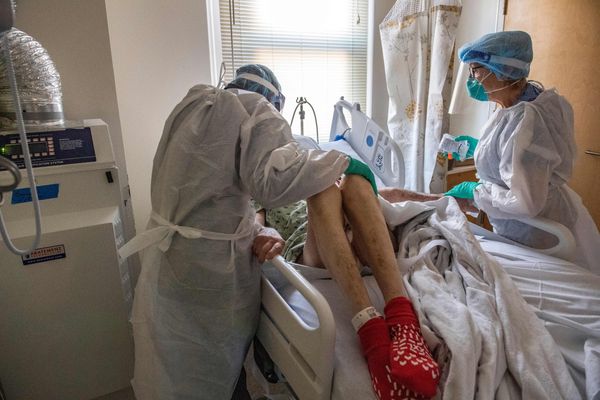
Driving the news: While studies have shown population-wide blood pressure elevation during the highly stressful COVID-19 pandemic, the rises were modest, doctors say, and likely related to people getting less exercise, eating poorly, drinking too much and seeing their doctors less often.
- "Our expectation was much worse," says Hiroshi Gotanda, an internist at Cedars-Sinai Medical Center in Los Angeles who led a large-scale study of hypertension during the height of the pandemic.
- His study showed that patients measured their blood pressure less often during the first eight months of the pandemic, and that their readings were slightly higher than before the outbreak.
- But the differences were "smaller than expected, probably because of home blood-pressure monitoring and telemedicine," says Gotanda.
Many patients actually saw their blood pressure readings improve during the pandemic — probably because they weren't consuming as many salty restaurant meals, says Samuel Mann, a hypertension specialist at Weill Cornell Medicine in New York.
- It's a "medical myth" that chronic stress causes hypertension — job stress in particular, says Mann, who reviewed dozens of studies on the topic and found no meaningful correlation.
- "Yes, stress and emotional distress can transiently increase anyone’s blood pressure," Mann writes in a new book, "Hidden Within Us: A Radical New Understanding of the Mind-Body Connection."
- "However, decades of mind-body research have failed to confirm that they cause sustained hypertension or that stress reduction and relaxation techniques can lead to sustained blood pressure lowering."
Yes, but: The medical community still hasn't completely dispelled the stress-blood pressure link.
- "Increased psychosocial stress" during the pandemic may have impeded chronic hypertension management, per Gotanda's study.
- A separate study on blood pressure levels during the pandemic, led by Luke Laffin of the Cleveland Clinic, reached similar conclusions — and also cited "emotional stress" as a possible factor.
- The American Heart Association notes that the link between stress and high blood pressure "is still being studied."
New theory: While everyday stress doesn't cause chronic hypertension, repressed emotions — from childhood upheavals and other traumas — sometimes can, Mann writes in his new book.
- "I'm introducing the concept of repressed emotions and their effects on our health, a concept that doesn't yet exist in medicine," he tells Axios.
- His conclusions come from decades of interviews with patients who have hard-to-explain hypertension, who described severe traumas in their lives (from losing a child to surviving the Holocaust) yet remained upbeat.
- Repressed emotions, whether or not we're aware of them, can cause hypertension, migraines, chronic fatigue syndrome and other conditions, Mann contends.
The bottom line: A healthy diet combined with regular exercise and good sleeping habits can control or avert hypertension, doctors say.
- Management of blood pressure and stress "is really 70% lifestyle and 30% medications," says Laffin.