Stinky drains, kitchen flies, sticky bins — the joys of the summer months! It’s not all bad, but these pesky household problems can easily destroy the look of an otherwise picture-perfect kitchen.
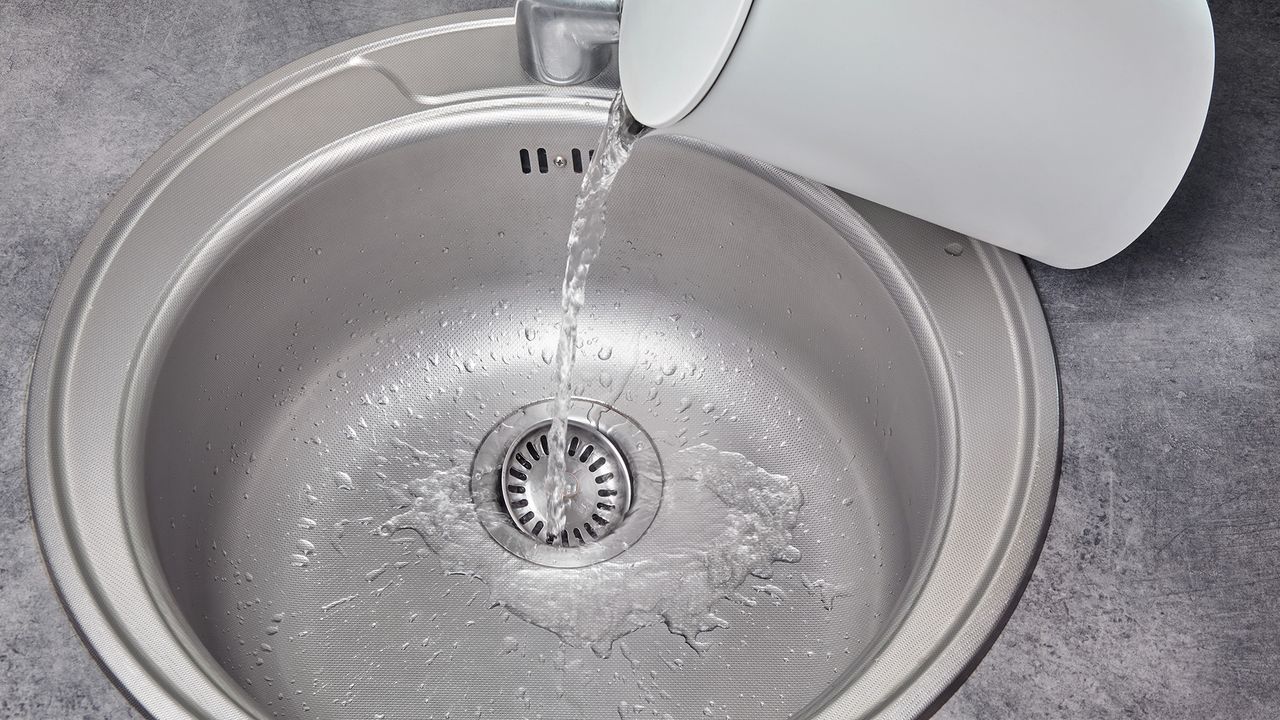
I know what you’re thinking: boiling water solves everything! And I thought the same. I’d boil the kettle for a tea and sling the leftovers down my sink hole. But as it turns out, using this convenient ingredient to clean your pipes isn’t as clever as you might think.
In some cases, particularly for those with plastic pipes, boiling water can do more harm than good. “Boiling water might seem like the obvious solution, but it’s not always the safest option for your plumbing,” claims Ryan McNicholl, product advisor at Spares Direct.
Even if you’re dealing with drain flies, which are common this time of year, McNicholl advises against boiling water and recommends an alternative ingredient instead. “You could have a perfectly clean kitchen, but inside the drain there can still be a layer of organic build-up that attracts flies,” he claims.
So, exactly why shouldn't I be using boiling water down my sink holes?
It’s not a one-size-fits-all scenario. “Many modern homes use plastic pipework and fittings, which aren’t designed to repeatedly deal with sudden extreme temperatures,” explains McNicholl. “Over time, excessive heat can put extra stress on seals and joints, potentially contributing to leaks or damage,” he adds.
So it’s not a never-say-never situation, but if you’re doing it daily, then we’d suggest stopping ASAP.
If it’s flies that you’re worried about when it comes to your drains, McNicholl explains that “the moisture, warmth and trapped residue inside pipes create exactly the type of environment they look for, especially during the warmer months”. So adding more warm water won’t actually prevent flies from gathering. Instead, it’ll encourage them.
What to use instead? Switch your expensive, specialized drain cleaner for a sprinkle of biological laundry detergent, McNicholl recommends.
How to use biological laundry detergent to clean your drains
A small sprinkle goes a long way. “Biological washing powder contains enzymes that are designed to break down organic materials, which is the same type of residue that can build up inside drains,” explains McNicholl.
"Using a small amount with warm water can help loosen some of that grime and keep drains clean, helping to remove some of the build-up that attracts drain flies,” he adds. Plus, there’s obviously the added benefit of scent. Your kitchen will now smell lovely and fresh!
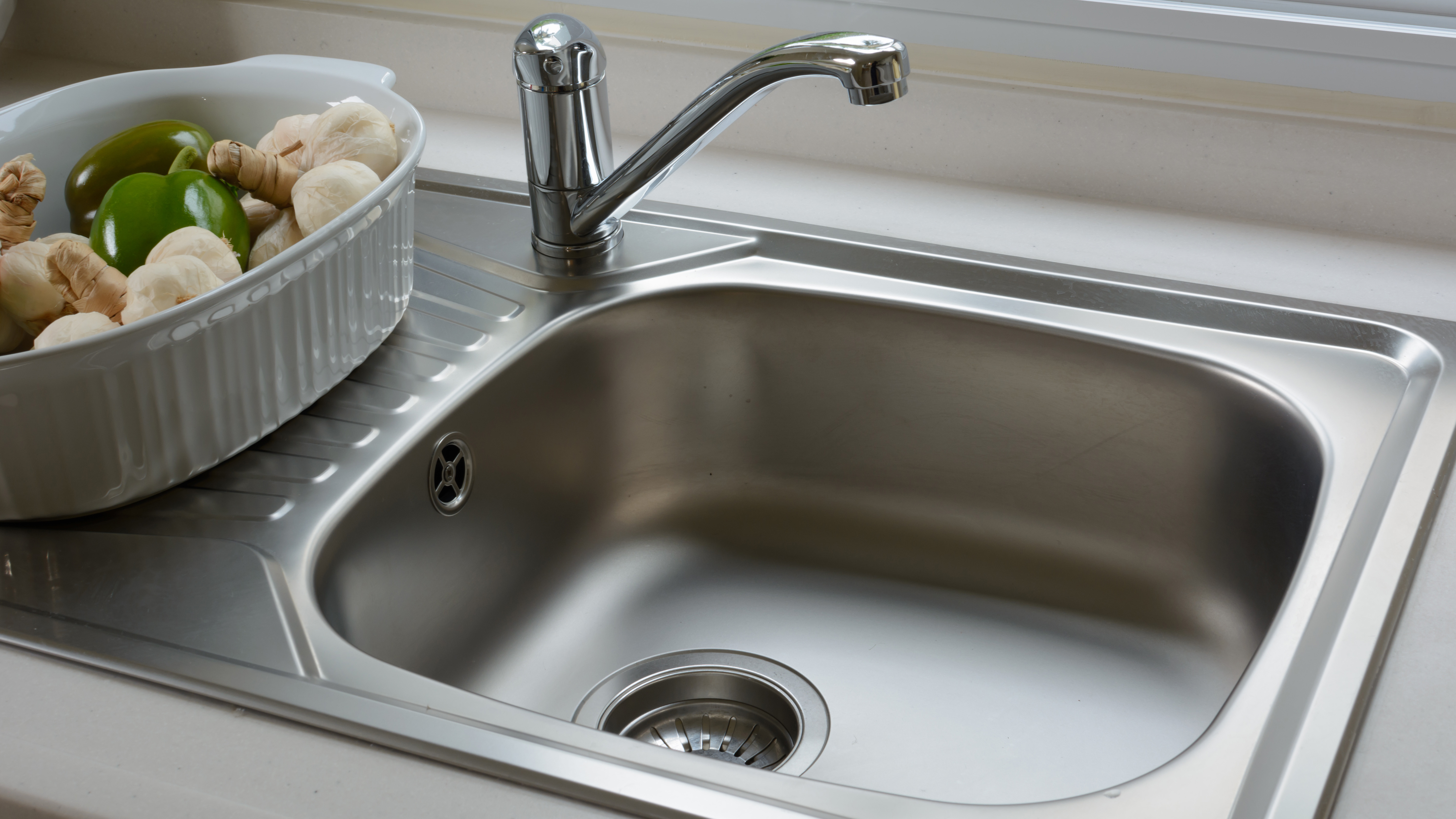
Before you start scooping or sprinkling, you’ll want to ensure that any debris like food leftovers is out of your sink and that it’s clean. Grab a tablespoon and pour 1-2 spoons of powder down your drain.
Then comes the waiting game — 30 minutes later, check back and see how things are looking. This should be long enough for the enzymes in the powder to work. Warm water is your best friend at this point (not boiling!) as you’ll need to flush your drain with lots of it. This really removes loosened residue.
Don’t think of this as a once-a-year cleaning job! “The key is being consistent with it. Waiting until you’ve already got flies appearing around your sink means the build-up has likely been there for some time,” says McNicholl.
Let us know if you try this drain cleaning hack — and your thoughts in the comments below!