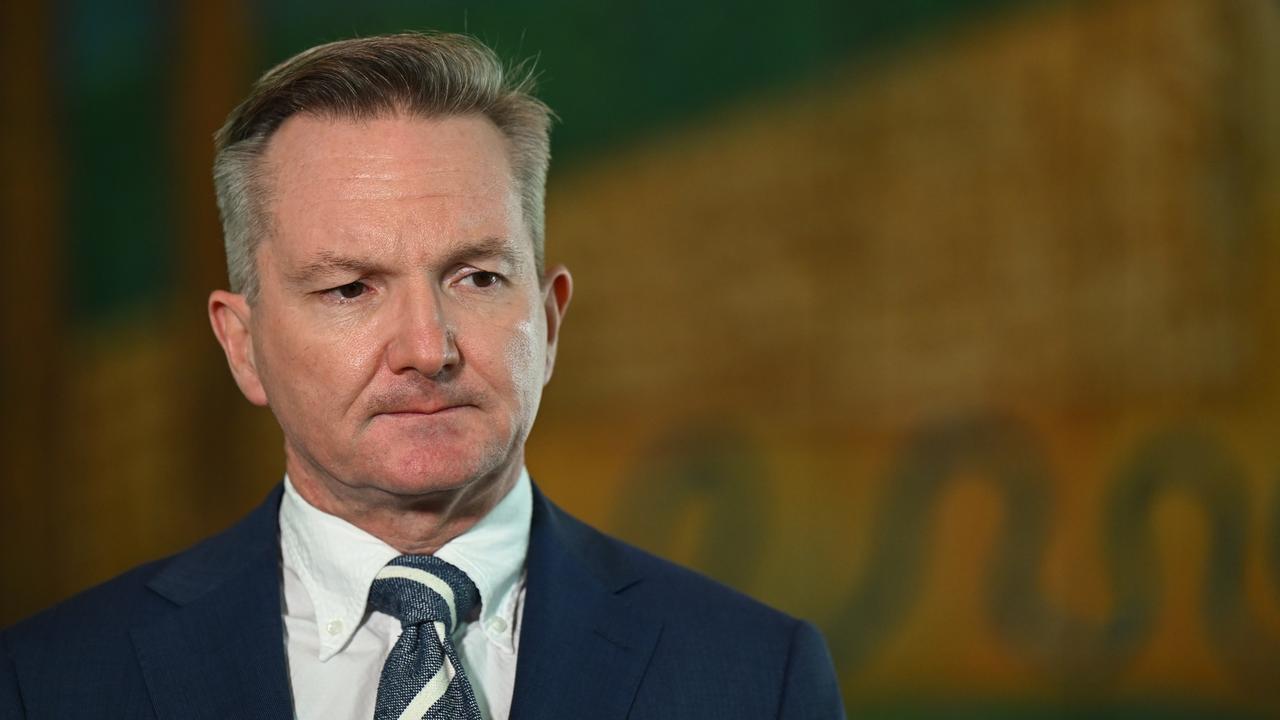
The ongoing Middle East crisis will certainly mean higher bowser prices but Australia remains fuel secure, Energy Minister Chris Bowen says.
The US war with Iran continues to cause chaos in the Strait of Hormuz, with fuel supplies further impacted by a drone attack on Saudi Arabia's East-West oil pipeline, prompting global oil prices to surge.
"The situation in Saudi Arabia was concerning," Mr Bowen told reporters on Saturday at his weekly fuel update.
A pipeline used to move about four per cent of the world's oil supplies across Saudi Arabia has been damaged, impacting an alternative route.
Mr Bowen said next week he would fly to Saudi Arabia for consultations with Saudi counterpart Prince Abdulaziz on the flow of oil to refineries around the world.
Meanwhile the government would maintain flexibility in the domestic fuel market by extending the temporary reduction of the baseline Minimum Stockholding Obligation for petrol and diesel until January 31, 2027.
"This precautionary action will continue to allow suppliers to hold 20 per cent less diesel and petrol in reserve if they commit to delivering more fuel into the domestic market and prioritising regional supply," Mr Bowen said.
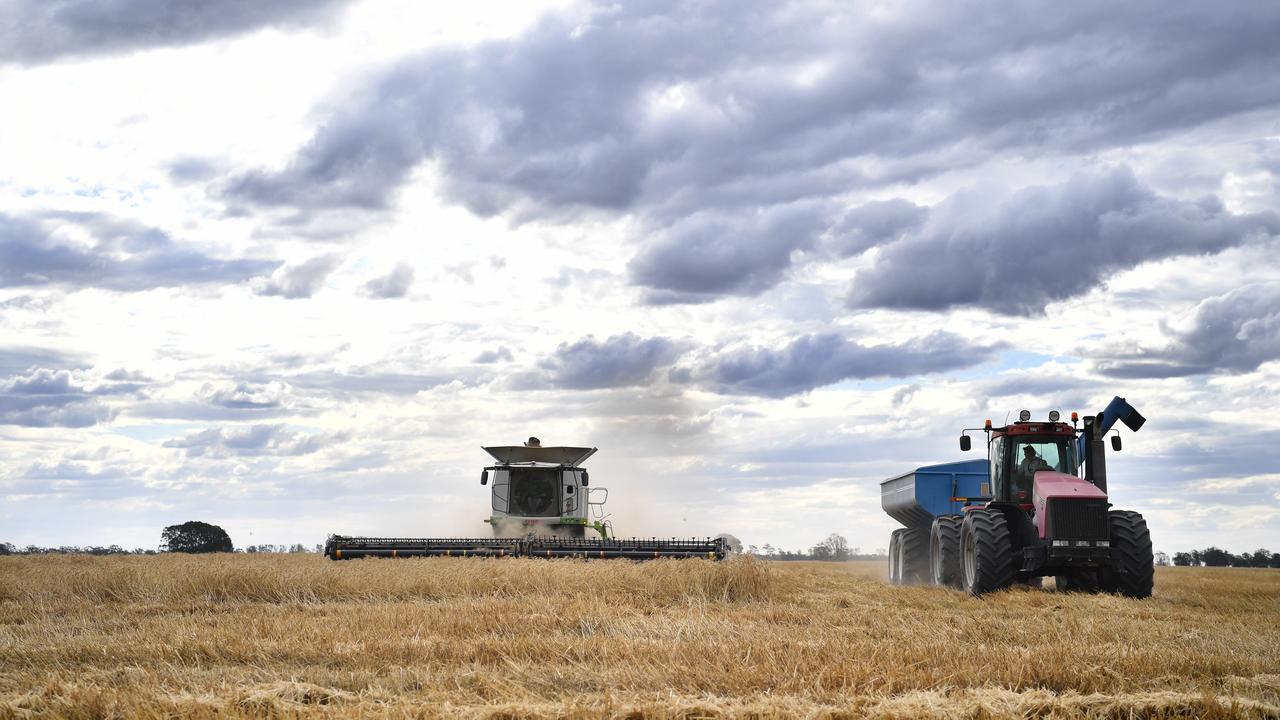
The extension recognises higher fuel demand in regional Australia during the grain harvest and summer holiday travel season and gives industry ongoing flexibility to respond quickly in the event of another demand spike.
"Australia's domestic reserves remain healthy, fuel continues to arrive as expected and essential services, businesses and communities are operating as normal," the energy minister said.
"The crisis in Saudi Arabia and Iran will flow through to prices, there's no question about that.
"But Australia remains fuel secure."
Australia continues to have more fuel than it did at the beginning of the Iran war, with 41 ships having arrived so far this month alone, Mr Bowen said.
Despite price increases, the federal government is not currently considering cutting the fuel excise.
"We're providing cost‑of‑living relief in other permanent ways," Treasurer Jim Chalmers told reporters on Friday.
Commonwealth Bank commodities experts estimate oil markets have five to 10 weeks before global oil and refined product inventories deplete.
That could send the cost of oil to as much as $US150 a barrel and fuel up another 40 cents a litre, according to AMP chief economist Shane Oliver.
"If the East-West pipeline remains shut and the flow of oil remains limited through the Strait of Hormuz ... you can't keep running down global oil reserves forever," he told AAP.
"Eventually the world would have to adjust to a lower supply."
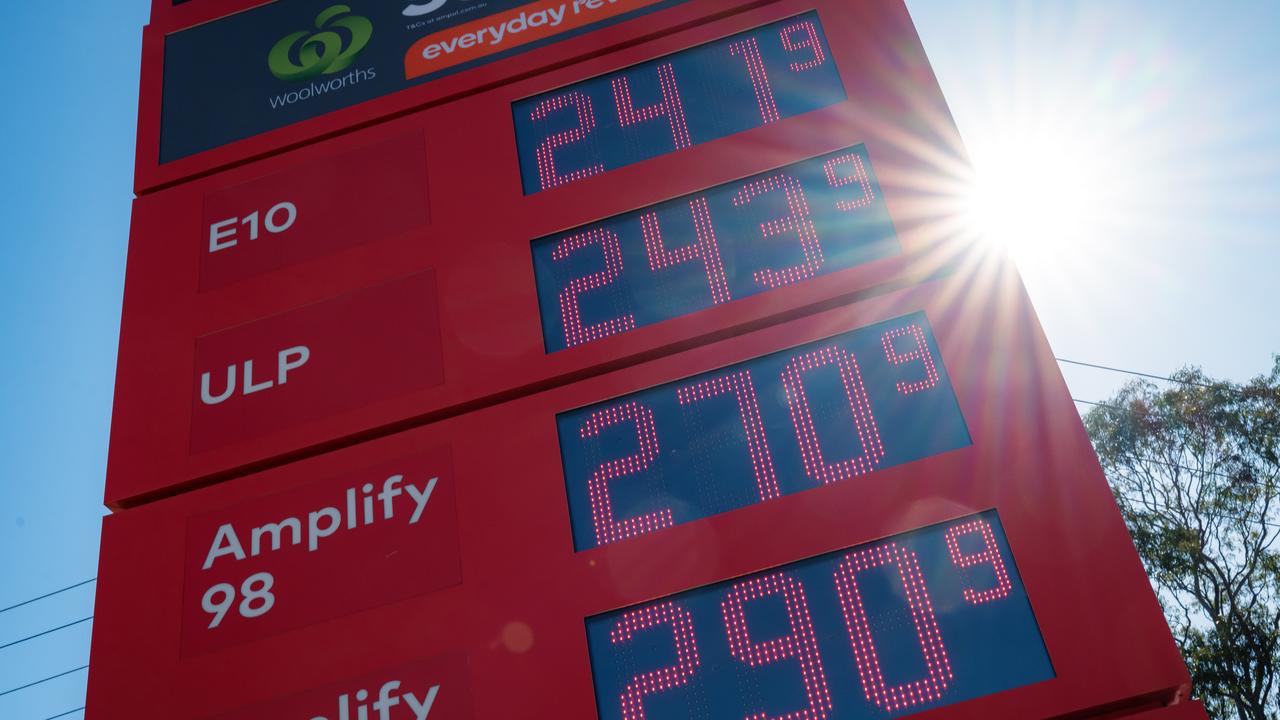
Average retail petrol prices across major Australian capital cities over recent days have hovered between $2.00 and $2.35 per litre for regular unleaded.