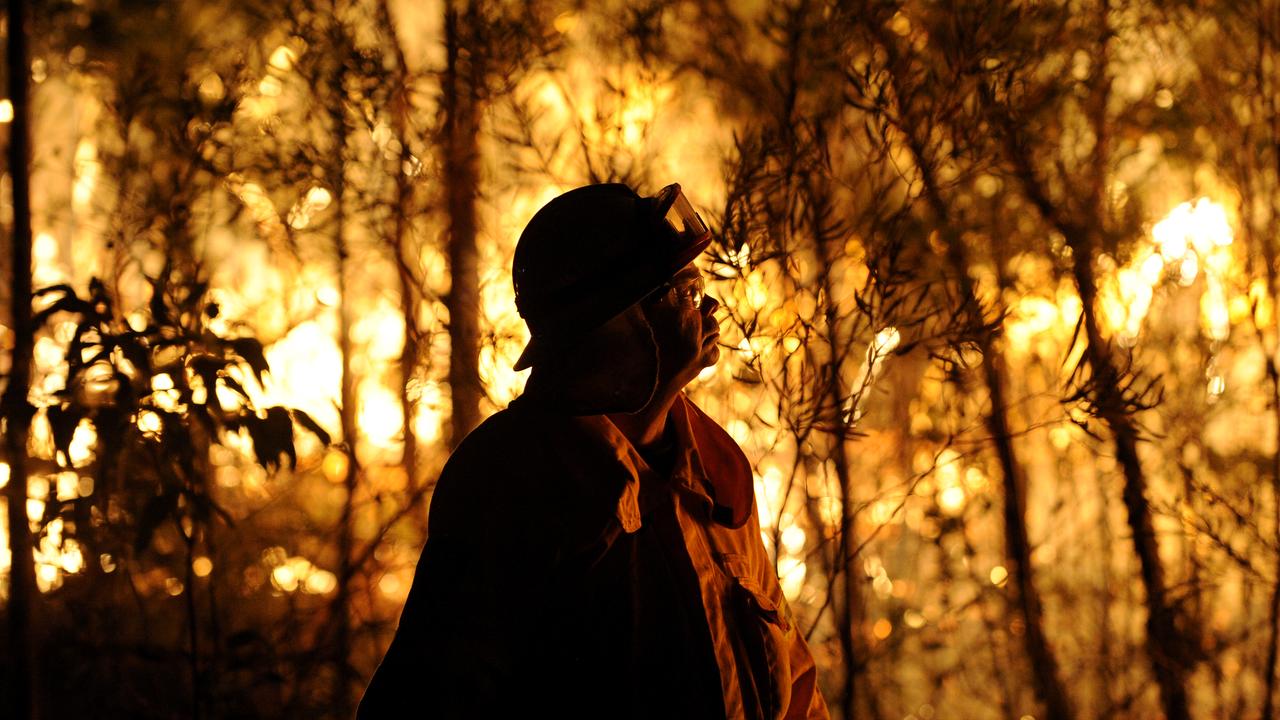
Rural first responders who rush to bushfires, car crashes, floods and medical emergencies are often celebrated as local heroes, the glue holding communities together.
But being hailed a hero makes emergency staff highly visible in their small communities, increasing the emotional toll and stress of the job, research has found.
A study involving interviews with firefighters, paramedics, police officers and volunteers in three states found rural workers faced more complex mental health risks than their city counterparts.
While all frontline staff are exposed to trauma, those in rural areas grappled with the added pressures of geographic isolation, reduced anonymity, misogyny and expectations of stoicism.
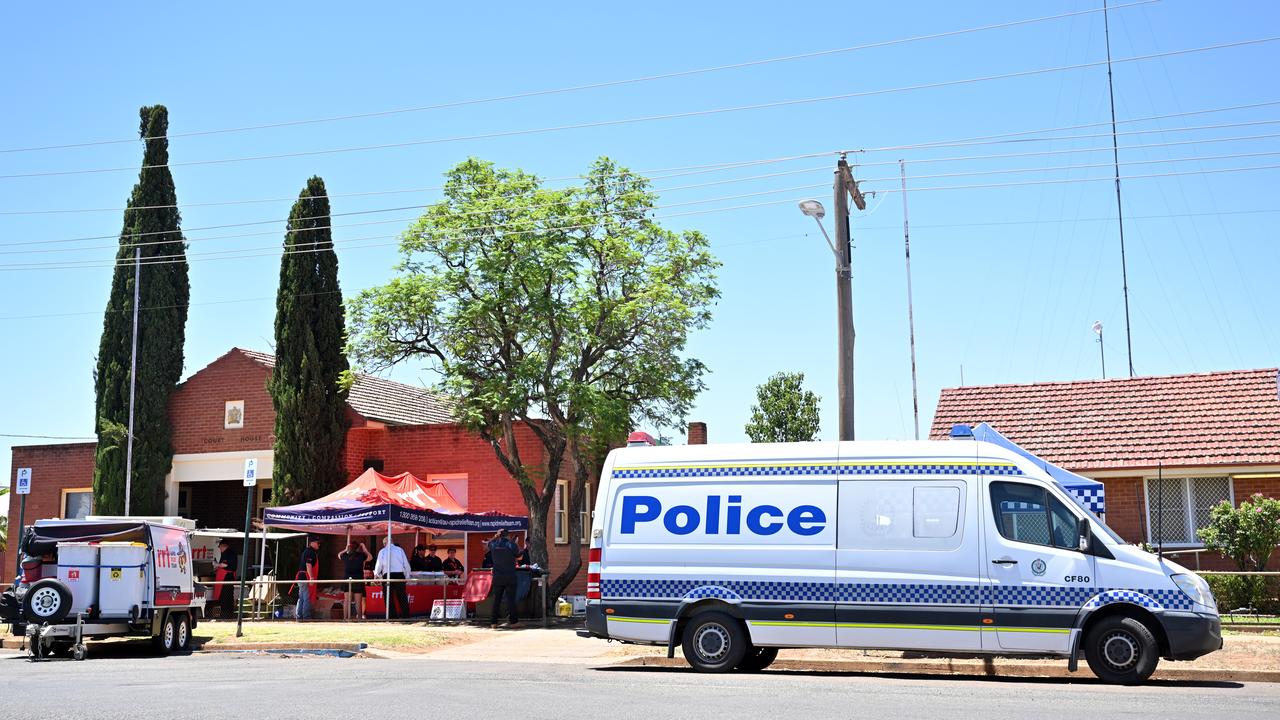
Their hero status left first responders unable to switch off from work, while facing added judgement if they made a mistake, University of New England researcher Rikki Jones said.
"With hero worship, they lose their identity," Professor Jones told AAP.
"The only thing they feel like they have going for them is their role, so it becomes their life."
Participants reported experiencing vicarious trauma, anxiety, depression, isolation, post-traumatic stress disorder, suicidal ideation and burnout.
While the toll of being a first responder was well documented, there was limited research on how the work affected rural workers in particular, Prof Jones said.
The research revealed that despite the unique demands, none of the study's participants ever took part in an effective mental health program.
Support services were harder to access in rural areas, while emergency workers may be reluctant to seek care from a local clinician, Prof Jones said.
"In rural and remote communities, everyone knows everyone.
"There's still a lot of stigma around having a mental illness."
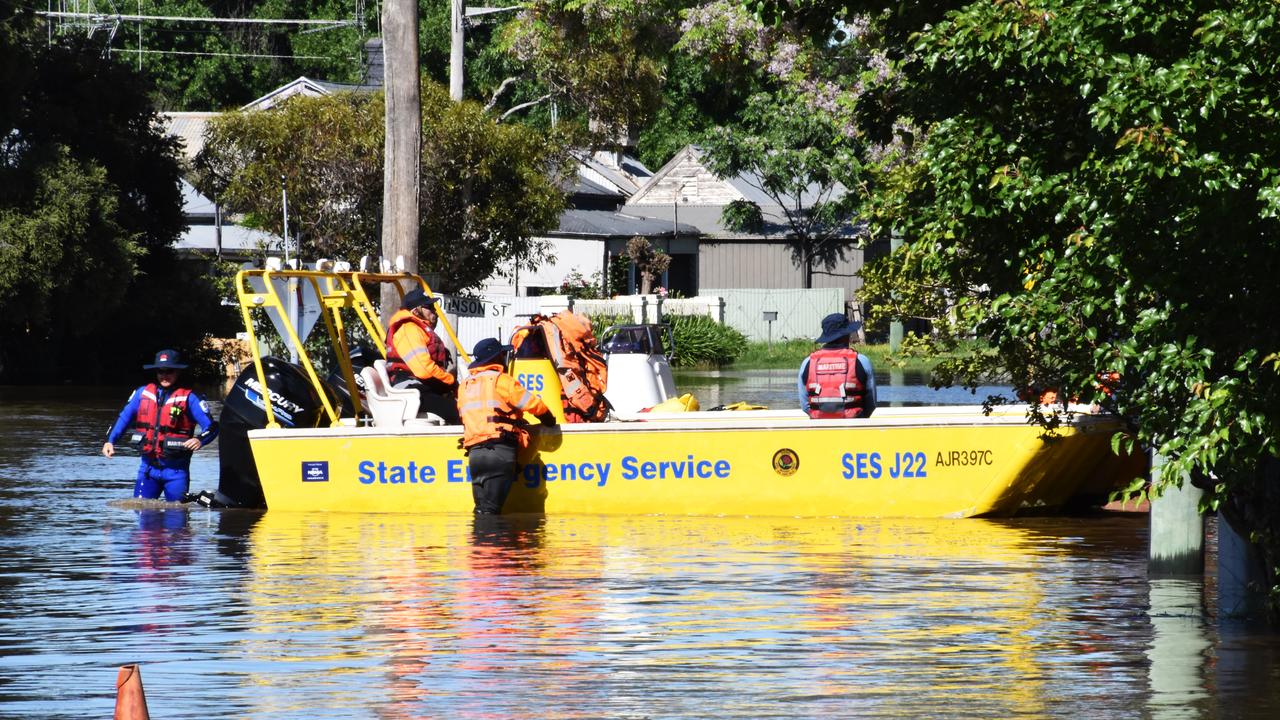
One volunteer firefighter told the researchers rural residents often had a sense of ownership over emergency staff.
When volunteers became victims of a disaster, including those who lived on farms during droughts and fires, they felt guilty about being unable to respond, the firefighter said.
"During times of drought they can't always attend large-scale fires because they're too busy running water or feed to stock," the volunteer said.
"They're already sleep-deprived, they've got no money coming in."
Limited staffing meant first responders could not take time off when they needed to recover from a traumatic incident, another volunteer said.
"It's up to you or no one else," she said.
The study, published in the International Journal of Mental Health Nursing, emphasised the need for better supports in rural areas, possibly a mix of online and in-person sessions, roving response teams or community hubs.
"We have to look after the first responders who are looking after us," Prof Jones said.
"If we don't ... they will be leaving their profession in droves."
Lifeline 13 11 14
beyondblue 1300 22 4636