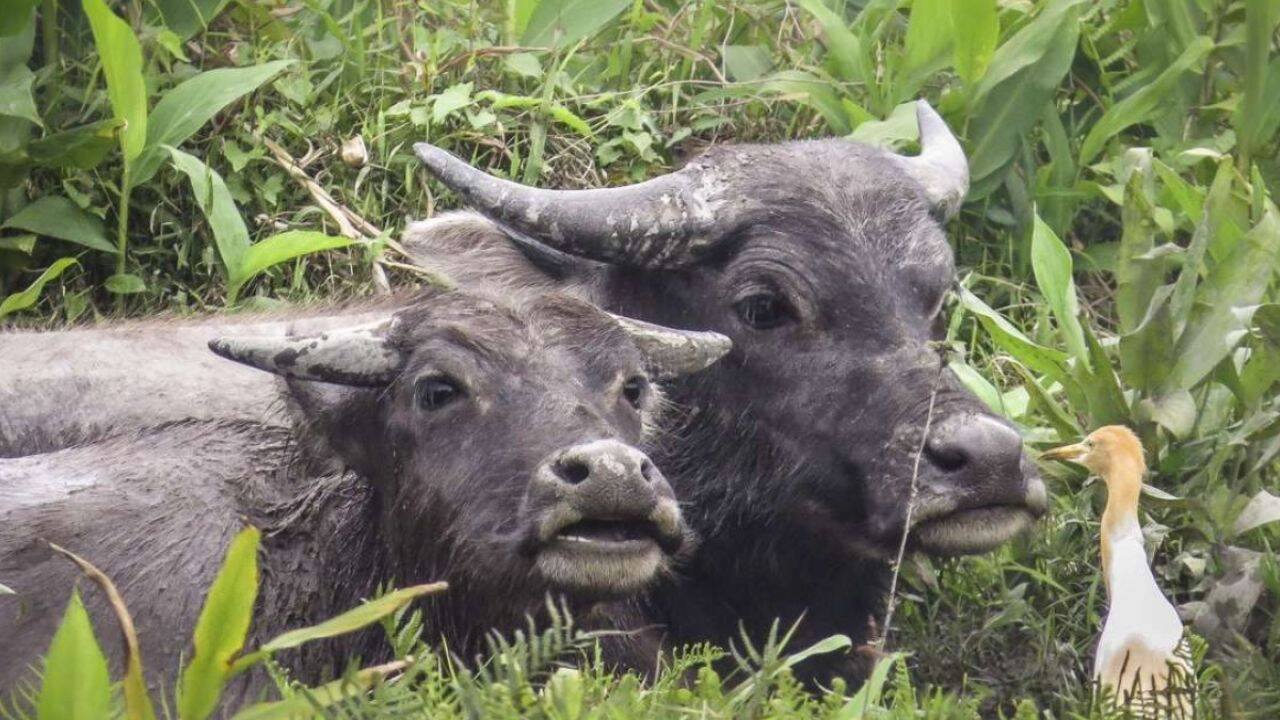
Hong Kong’s feral cattle are more than animals that escaped human care. Their genomes preserve a detailed record of how cattle can change after becoming separated from managed herds and exposed to natural pressures. A study titled ‘ The genome landscape of Hong Kong feral cattle as a unique genetic resource ,’ examined the animals using high-coverage whole-genome sequencing, allowing researchers to investigate their origins, genetic diversity and adaptation in greater detail than earlier studies. The findings reveal a population shaped by ancient cattle movements, wild-cattle ancestry, geographical isolation and the demands of living without the protection normally provided by farmers.
Get breaking news anytime, anywhere. Download the TOI app now!
Hong Kong feral cattle’s DNA revealed a distinct genetic history
The analysis found that Hong Kong feral cattle form a genetically distinct population. They were most closely associated with East Asian indicine cattle, while also showing genetic patterns that set them apart from the other groups examined.
The researchers found evidence that limited contact with mainland cattle meant that genes were not regularly introduced from outside populations. This helped create a more uniform genetic pattern within the Hong Kong cattle and separated them from their domestic ancestors.
The study also found signs of inbreeding. The cattle had more long stretches of matching DNA than other indicine populations examined, indicating that animals with relatively close genetic relationships had reproduced over generations. Their effective population size(an estimate of how many animals are contributing genetically to future generations) has also been small.
What was the methodology used by scientists to approach the research
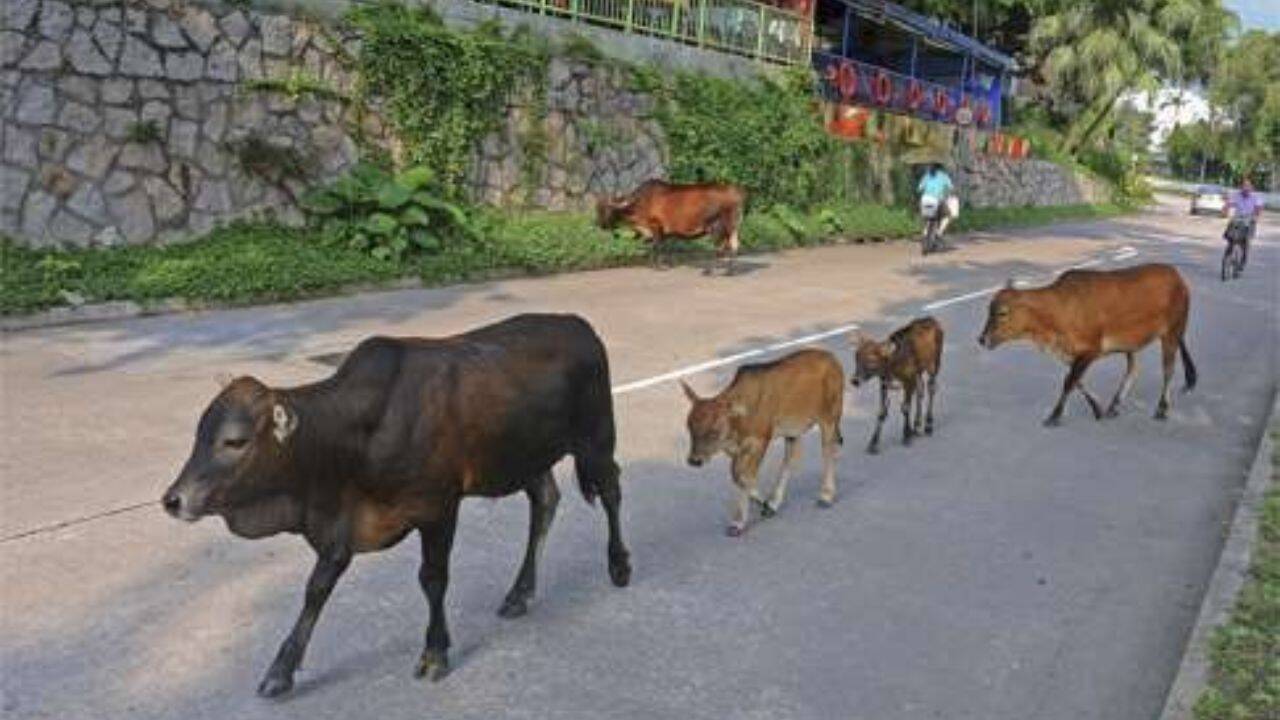
There are about 1,000 feral cattle in Hong Kong today, according to the study. Their recent history began when cattle farming declined during rapid urbanisation and economic development in the 1970s. The animals were left to roam freely and gradually became a feral population, meaning they were no longer managed in the way domestic cattle normally are.
That change created unusual conditions. Instead of being selected mainly by farmers for production or other preferred traits, the cattle had to cope with disease, environmental pressures and finding mates without human control. The researchers noted that the animals also show striking variation in features such as horn shape, coat colour, hump size, tail length and body form.
The research team sequenced the complete genomes of 30 Hong Kong feral cattle. They then compared the results with 116 cattle representing European taurine, Northeast Asian taurine, East Asian indicine and South Asian indicine populations.
Ancient wild cattle left their mark on the feral ones
The story goes back much further than the period when the animals became feral. The researchers found evidence that the ancestry of Hong Kong cattle includes contributions from banteng and gaur, two wild bovine species.
The study estimated that banteng ancestry accounts for roughly 10.74% to 11.81% of the Hong Kong cattle genome, while gaur ancestry contributes about 9.70% to 11.08%. The researchers estimated that banteng introgression occurred around 8,900 years ago and gaur introgression around 9,900 years ago, although both estimates have wide uncertainty ranges.
Importantly, these genetic exchanges happened before Hong Kong feral cattle diverged from other East Asian indicine populations. In other words, the wild-cattle contribution was already part of their deeper ancestry rather than something that happened after the cattle became feral in Hong Kong.
The researchers found that genes inherited through this ancient mixing were associated with biological processes including oxygen transport and bitter taste receptor activity. This suggests that wild cattle may have contributed useful genetic material as domestic cattle spread into new environments across Asia.
Heat and survival shaped the modern population of feral cattle in Hong Kong
The most revealing part of the study concerns changes that appear to have occurred under more recent environmental pressures. Researchers identified genetic regions showing signs of positive selection in the Hong Kong cattle, particularly those associated with heat tolerance, bone strength and coat colour.
One notable signal involved the ADRA1A gene. The researchers linked this region to recovery from heat stress. The finding is particularly relevant because the cattle live without the heat-management measures available to farmed animals.
Another important signal involved B4GALNT3, a gene associated with bone health and survival in wild conditions. The Hong Kong cattle carried a distinct pattern at this gene compared with the other cattle populations studied, suggesting that natural pressures may have favoured particular variants.
The study therefore provides a picture of adaptation taking place without deliberate breeding. Traits that helped animals cope with heat, physical demands and other pressures could become more common as individuals carrying useful genetic variants survived and reproduced.
Coat colour also carries clues of genetic lineage
The cattle’s varied coats offered another opportunity to investigate their genetic differences. The researchers identified copy-number changes (sections of DNA that occur in different numbers between individuals) associated with black and yellow coat colours.
Three genes, NINL, DEXI and CIITA, were among those linked to differentiated regions. Black cattle had higher copy numbers in the relevant regions than yellow cattle, leading the researchers to suggest that these genes may contribute to the coat-colour differences seen in the population.
However, the study does not present these findings as final proof. The researchers stressed that the functional effects of the candidate regions still need to be tested directly.
Conservation value of this small feral population in Hong Kong
The findings also raise concerns about the future of Hong Kong’s feral cattle. Their small effective population size and increased inbreeding could make the population more vulnerable over time, even though the animals still possess considerable genetic diversity.
The study also has limitations. The researchers noted that they lacked cattle-specific data on open chromatin, which makes it difficult to determine exactly how some non-coding genetic variants affect gene activity. Several candidate regions, including those linked to coat colour, will require further lab and animal studies.
Even so, the genome analysis offers an unusual record of what happens when livestock are released from long-term human management. Hong Kong’s cattle did not simply remain unchanged after becoming feral. Their genetic history records ancient wild-cattle contributions, prolonged isolation and selection for traits that may help them survive independently.
For the researchers, that makes the population a valuable genetic resource. Its DNA shows how cattle can retain diversity while becoming genetically distinct, and how natural pressures can gradually shape animals that once depended heavily on people.