Making a hit indie game, while the dream of countless developers and artists out there, is a lot harder than simply coming up with a great idea. Once the great idea has become an excellent game, there’s still a lot of difficult ground to cover before a developer can start seeing a profit.
Here’s how indie games make money, including the biggest revenue streams, the importance of marketing, and how certain indie games (Stardew Valley, Balatro, etc.) got so successful.
How do Indie game developers make money

When one thinks of how an indie game developer makes money, the first, and most obvious, answer is selling their game. But for indie games (which is applicable to AAA games as well), selling the game is just one stream of revenue. Successful games can sell merchandise, release special editions or early access for the game, and get publishing deals for additional income.
Indie game developers, especially those with memorable characters or distinct art styles, can sell any sort of imaginable merch on sites like Fangamer. T-shirts, stuffed animals, desk mats, art prints, keychains, pins–the options are endless. All this to say, developers aren’t limited entirely to game sales for profit, though these other sources of revenue would require more legwork and marketing skills.
Selling games is only the beginning
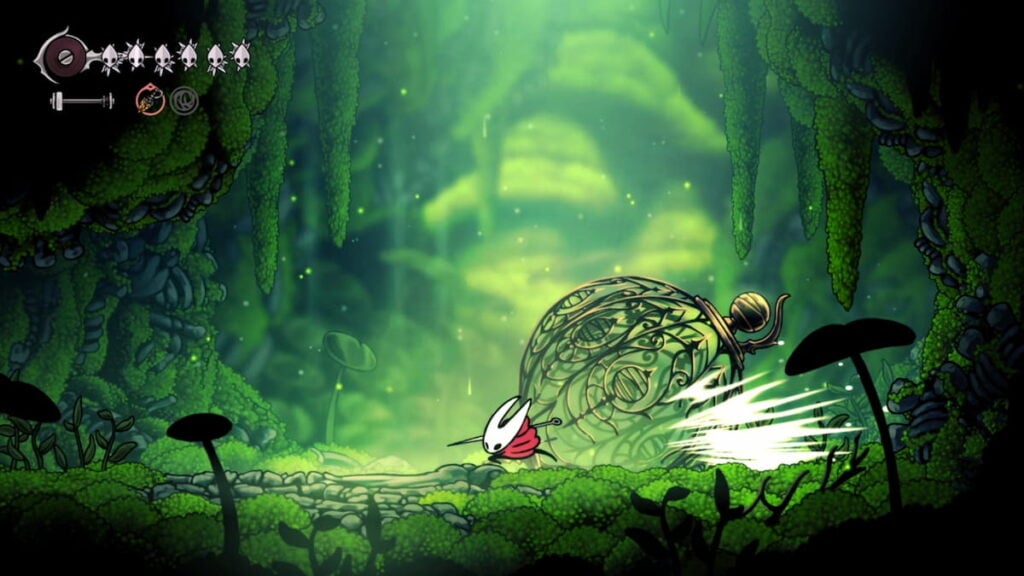
Once a game is finished and ready for players to enjoy, the next step is digital distribution. For PC games, the major platforms are Steam and the Epic Games Store, while console platforms like PlayStation, Xbox, and Nintendo Switch all have their own storefronts. Indie developers can also release mobile games, though that route comes with not only far more competition and unique, app-specific issues.
Digital distribution through any of these platforms allows indie devs to sell directly to players anywhere in the world and, with the right marketing, get on the front of the storefront. For most platforms, developers can set sales, add updates, and consistently post about the development process for their audience to follow along–a real asset in cultivating a fanbase over time.
For most indie games, Steam is likely the easiest platform to begin with and the most lucrative considering its huge userbase. Down the line, plenty of successful indie games will eventually release on console platforms, but starting with Steam gives the most flexibility and least hoops to jump through.
How Steam changed indie development forever

Steam has been such a pillar of video games for so long that it’s difficult to remember a time when players didn’t immediately boot up the application for every gaming session. Before 2003, while there were some avenues for sharing games (aptly called Shareware), it required a lot of steps before a game would be installed on a desktop, ready to play. One earlier era of indie gaming meant discovering a game through a forum, mailing a listed address with a check, and receiving a key for the full game to finally start playing.
Steam changed all of that and gave developers the most important aspect of selling a game: an interested audience. Without all of the legwork (and expenses) previously required to get the word out about a new indie game, developers were able to get their titles on Steam Directs, on player wishlists, and on the Discovery tab–all avenues that make it quick and easy for players to spend $20 or so on a game in just a few clicks.
The seven biggest revenue streams

Popular and successful indie games don’t often rely entirely on sales as their sole source of income. Once a game has launched (or is at least close to Early Access), developers combine multiple revenue streams to make the most of their success. Here are the seven biggest revenue streams that indie developers can use throughout their game’s lifecycle:
| Premium Sales | The most upfront source of income, players pay once to purchase, download, and play the base game. This income can fluctuate based on pricing, sales, discounts, and the fees from different platforms, but it’s still the most straightforward way to make money from an indie game. |
| DLC | Once the base game is out, releasing more content in the form of paid DLC is a way to create an additional revenue stream. Expanded story, new game modes, or new cosmetics would raise more funds while also keeping a game fresh. One important note is that, despite being an appealing way to make more money, most indie games release new content updates for free – boosting their reputation with the playerbase while growing interest in potential future customers. |
| Crowdfunding | Before a game is even out, indie developers can make money from platforms like Kickstarter by raising money. This is a great method to get off the ground for an ambitious indie game, but also requires a strong showing from the developers on why people should spend money before a product even exists. Additionally, backers generally expect special rewards like early access, collector’s editions, or physical merch. |
| Early Access | Allowing players to start buying the game before it has officially finished is an excellent revenue stream to help fund continued production. This method has become far more popular in recent years for indie games, because it not only allows developers to make money earlier than usual, but also gives them player feedback to implement in the final product. |
| Publishing Deals | Some indie developers, like ConcernedApe with Chucklefish for Stardew Valley, will partner with a publisher. This publisher will provide financial support, as well as marketing, quality assurance, and sometimes console support in exchange for publishing rights or a percentage of all sales. This type of deal can boost a smaller indie game’s chances of reaching an audience while also reducing the financial burden. |
| Merchandise | When an indie game finds its audience, plenty of those players will want merchandise. T-shirts, art prints, keychains, stuffed animals, and collectibles are all potential revenue streams for indie developers to consider once they’ve established a fanbase. |
| Console Ports | Finally, porting a game from PC only to console, like PlayStation, Xbox, or Nintendo Switch, opens the doors to an entirely new audience. Porting does come with its own difficulties and a significant amount of work, but the payoff is a whole new market of players and long term fans. |
Why wishlists matter more than most players realize
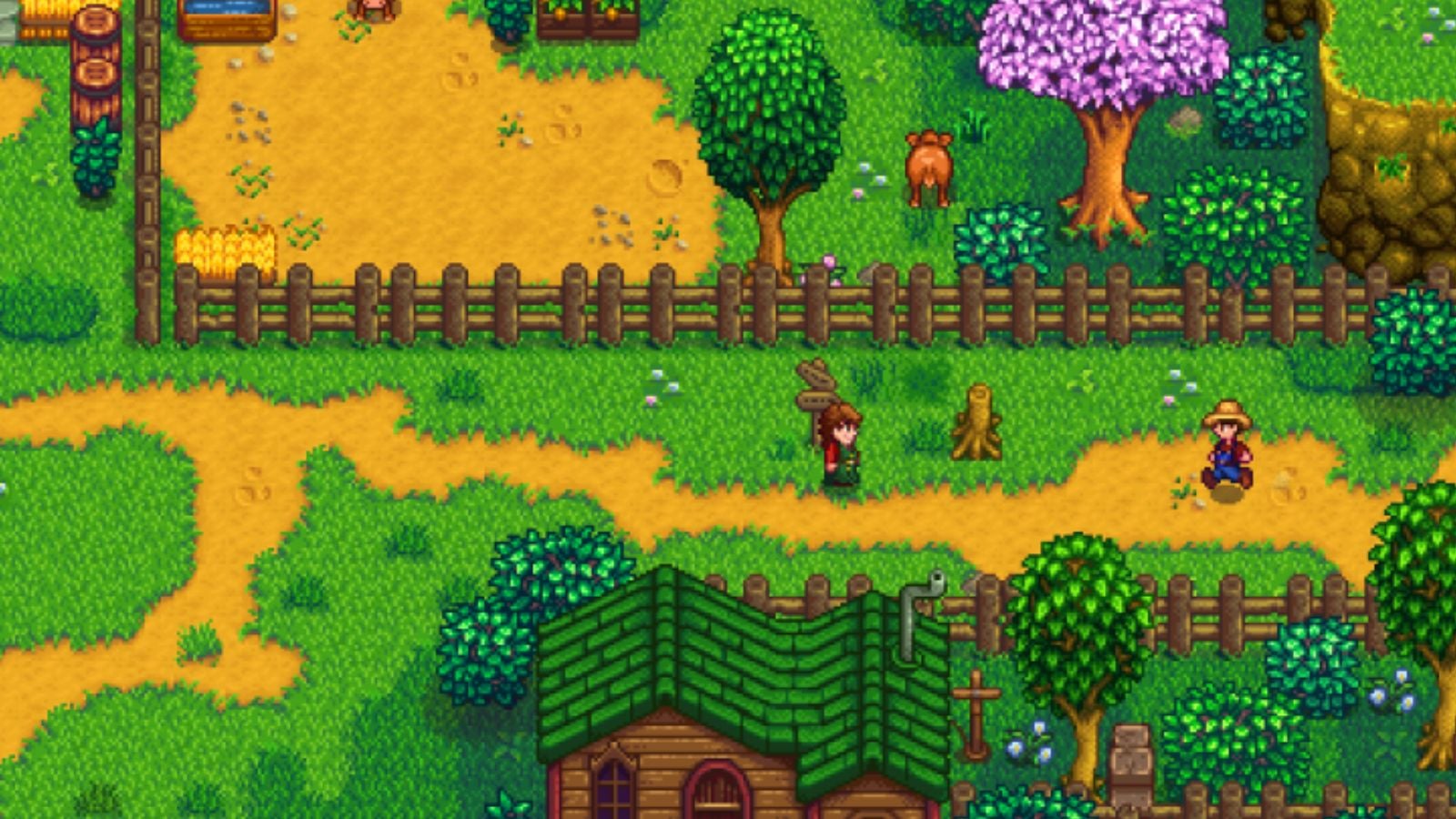
Adding a game to your wishlist might seem like a small thing, more like a reminder to pick up the game when it’s available or on sale next, but adding a game to your Steam wishlist can make a world of difference to a smaller indie developer.
The key here is visibility. The more Steam users wishlist a game, the more hype is perceived by the Steam algorithm, which in turn pushes the game more and more to other users. Once Steam understands that players are interested in a game, that game will start to snowball interest. That’s why at events like the Summer Games Fest for indie games, most trailers will encourage viewers to “Wishlist Now”.
Conversion can be a bit low for wishlisted games, as plenty of users will add a game to their list and never think about it again, but the benefits of the Steam algorithm pushing the game page to more users cannot be overstated.
Why marketing matters as much as making the game

Coming up with a fun, well-made, and good-looking indie game is only half of the battle (or less). The most important part of selling an indie game isn’t actually making a good game (though that’s incredibly important), it’s marketing your game through the proper channels and getting the attention it deserves.
There are an endless number of ways to do that, but these are the most “traditional” ways to get the word out about an upcoming indie game. First is streamers and influencers, either on Twitch, YouTube, or even TikTok. Finding an online personality that plays similar games is an excellent way to get an indie game to thousands or millions of potential players with minimal costs, as developers would just need to hand out some copies of their game for free.
In a similar vein to influencers, social media sites like Reddit are an excellent place to share an upcoming indie game, especially if said game already has an eye-catching art style or teaser trailer to help it go viral. Posting to a few different subreddits beyond the obviously large ones (like r/gaming) and responding to comments can help build a fanbase before release day.
Indie game showcases, along with Steam events, is another route to finding a niche audience. There are so many ultra-specific showcases for developers to utilize, which can take a game and place it directly in front of the ideal market. Developers need to apply a few months ahead of time for most showcases, so it’s a good idea to check out what’s upcoming and consider marketing early.
Why some indie games make millions
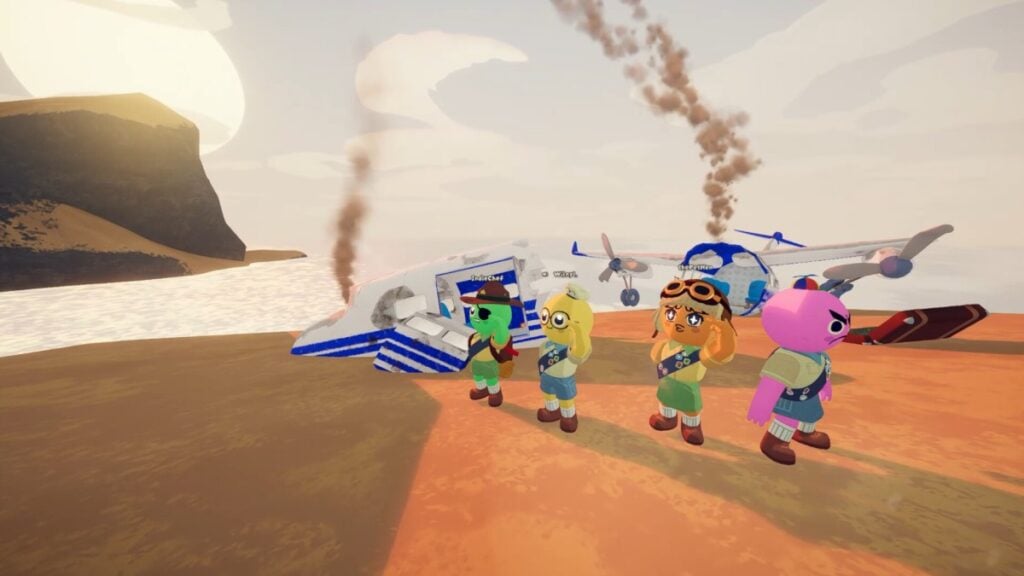
When people talk about indie games and the dream of making one, the games that tend to come up are Stardew Valley, Balatro, Hades, and Vampire Survivors. All of these titles are incredibly popular, critical darlings, and very profitable, which makes them the benchmark of success in the indie scene. There are a few key reasons why these games became so successful, some of which have to do with marketing and some with the video game market at the time of their release.
Stardew Valley, for example, hit on almost every key part of marketing an indie game, leading it to being one of the best-selling video games of all time (tied with The Sims and Overwatch, but just ahead of Animal Crossing: New Horizons). Before the game even came out, Stardew Valley’s developer, ConcernedApe, consistently shared his development process in Harvest Moon fan spaces–a strategy that organically grew player interest as more gameplay features were gradually revealed.
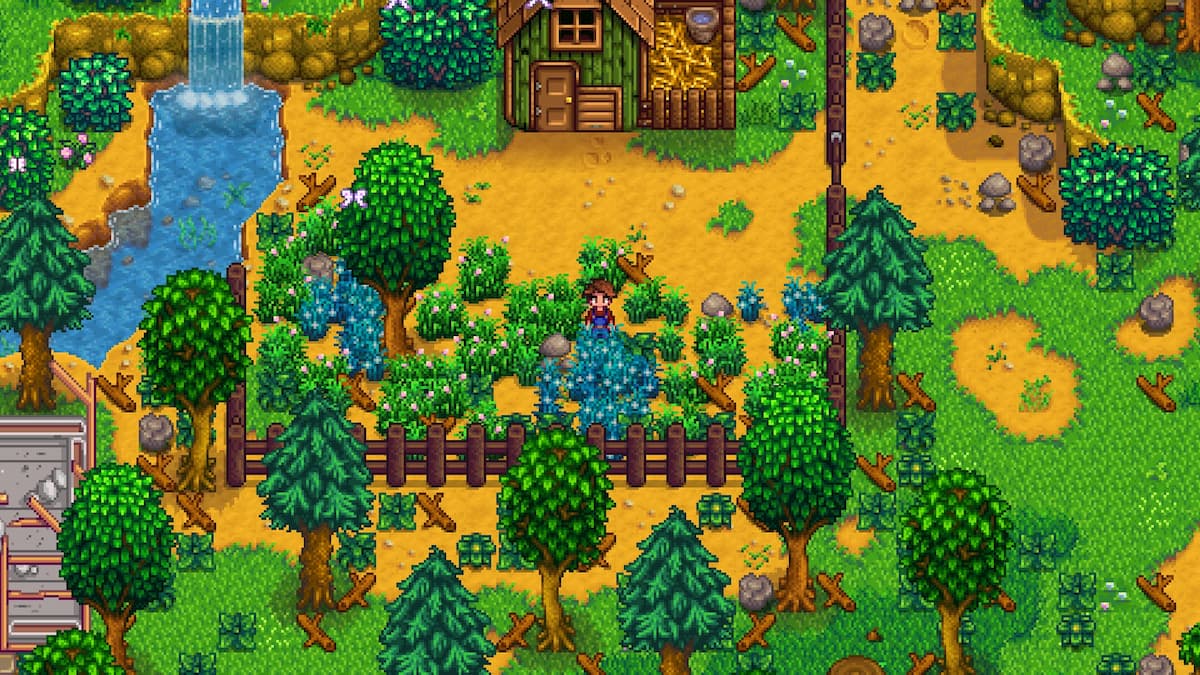
Once the game was fully out, Stardew Valley’s publisher sent out codes to streamers, which launched the game to the front page of Twitch for weeks on end, attracting more attention and fans in the early days of the game.
What truly got Stardew Valley into the hearts (and wallets) of millions of fans was that it filled a gap in the market that people didn’t even know they wanted yet. Like stated earlier, ConcernedApe had posted his game progress on Harvest Moon forums.
This cozy series has long since been dormant, but the desire for a cozy, low-stakes farming game was still strong. ConcernedApe had created what is now the modern landmark for cozy gaming, and he was able to market it to exactly the people who wanted it.
In short, the reason Stardew Valley made (and continues to make) millions in profit is a combination of passion from ConcernedApe, a well-executed marketing campaign from the publisher, and luck.
Can developers actually make a living?

With a success story like Stardew Valley fresh on the mind, it seems like a slam-dunk that a passion project from a dedicated developer with a modest online marketing campaign would find success. What’s important to remember is that in the years since Stardew Valley released, the rate of indie games released on platforms like Steam have skyrocketed, making it harder and harder to stand out from the crowd.
According to SteamDB, over 19,000 games came out in 2025, more than double the number of releases just five years earlier in 2020. With that increasingly high number–which shows no sign of slowing–the percentage of successful indie games is small. In fact, SteamDB also shared that half of those 19,000 have fewer than ten reviews.
While low-effort, AI-generated games could be inflating that number, it’s also true that creating a game as an independent developer is a more accessible achievement than ever before.
For those developers who want to pour their heart and soul into making a game, it’s crucial to know going into it that it’s possible the final product won’t reach many players and not make much of a profit.
Developing a game solo, or even with a small team, can take years and easily cause burnout. Knowing the difficult odds upfront is a good way to keep expectations tempered, though it shouldn’t prevent anyone truly passionate from creating their dream game.
FAQ
How much money do indie developers make?
This answer can wildly vary depending on the developer. Successful games–like Balatro or Stardew Valley–can make millions, but most mildly successful indie games are more likely to make a couple hundred to a thousand dollars. With the rate of indie games coming out every year going up, the average amount earned is likely low.
How much does Steam take?
Steam takes about 30% of revenue share from game sales. Once a game earns over $10 million, that share goes down to 25% and drops to 20% for games that earn over $50 million.
Do indie developers need publishers?
No, indie developers don’t actually need to have a publisher to get their game out there on a platform like Steam. However, a publisher can help an indie game find more success through developmental support and marketing–both things that will make more money in the long run.
Can one person make a successful game?
Yes, solo developers can, and have, made highly successful games on their own. Stardew Valley, Papers, Please, and Balatro were all created by solo developers. Making a game alone does require a very broad range of skills, like art design, programming, writing, and score composition, but it is entirely possible.
Are indie games profitable?
While there are plenty of famous success stories, the vast majority of indie games are not profitable. Creating something unique and engaging (and marketing it well) can go a long way in making an indie game stand out, find a playerbase, and become profitable.