A major cyber attack on a network of GP and skin cancer clinics could signal a turning point in Australians' trust in digital healthcare systems.
The sensitive personal information of thousands of patients held by Partnered Health, a clinic network owned by private equity firm Quadrant, was exposed in a cyber breach on June 23.
The breach caused concern and worry for many whose private medical details were accessed from several cities including Sydney, Melbourne and Canberra.
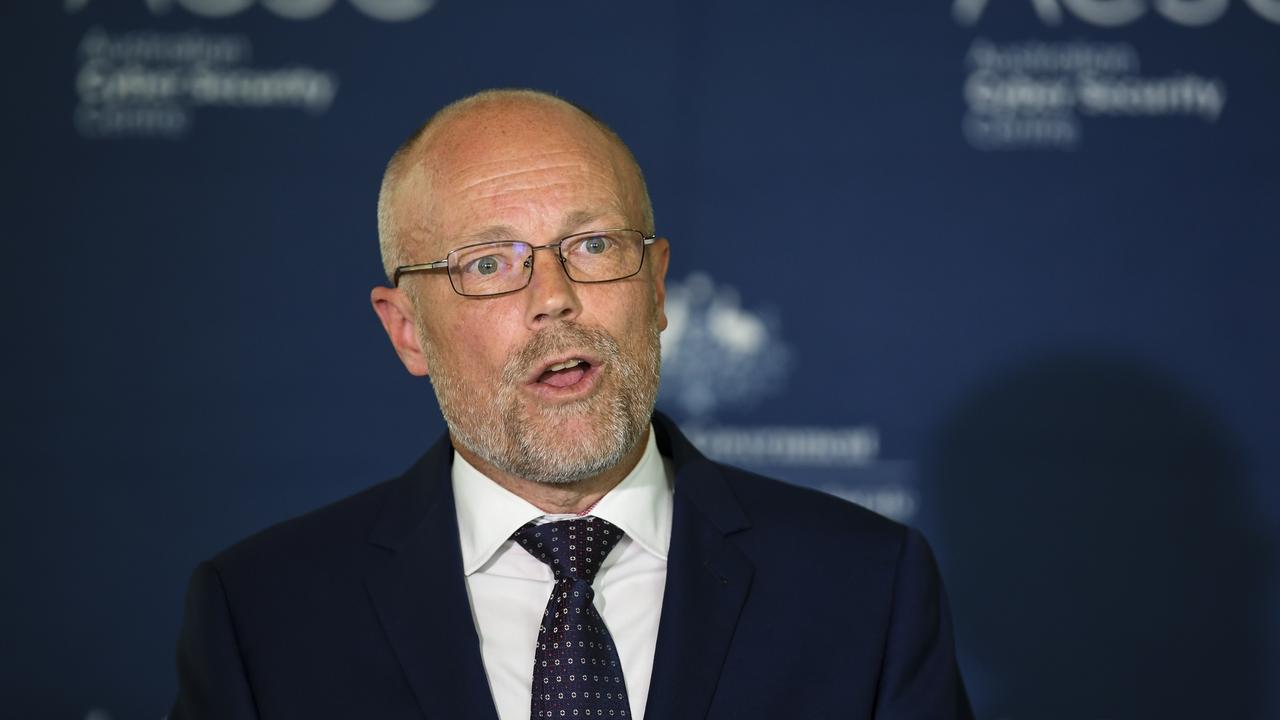
The attack will undermine confidence in healthcare industry security practices targeted with several hacks in recent years, cybersecurity expert and former government advisor Alastair MacGibbon told AAP.
"It just leads to a slow degradation in trust the public has in digital custodians of their health data," he said.
Mr MacGibbon said the healthcare industry had become a target due to its complex data and often outdated IT networks.
"It's got a really big attack surface for criminals, partly because health generates a lot of information and these are diverse networks, and the information matters to us, which gives leverage to criminals," he said.
Partnered Health said on Wednesday a "malicious actor" accessed the data, prompting it to report the incident to the Australian Cyber Security Centre, the Office of the Australian Information Commissioner and law enforcement.
The medical group has sought an interim injunction from the Supreme Court of NSW ordering the accessed data not be used or published.
Health insurer Bupa announced in June it was acquiring the organisation, the latest major business to be struck by hackers.
Data breach notifications to the Office of the Australian Information Commissioner reached a record high in 2025, with major incidents including a cyber attack on Qantas that compromised the details of 5.7 million customers that were reportedly leaked on the dark web.
RMIT's Centre for Cyber Security Research and Innovation Director Matthew Warren told AAP cyber hacks were becoming the new normal for business.
Professor Warren said the Partnered Health incident was particularly concerning because hackers had gained access to sensitive medical records.
"If someone has an ailment that is considered socially embarrassing, you could have a situation where a scammer may try and blackmail someone to not disclose their medical records," he said.
Patients have been warned to be alert to scam emails, texts or phone calls that could reference private medical details to appear legitimate.
As cyber criminals adopt increasingly sophisticated technology that is harder to detect, experts warn cyber attacks will become increasingly unavoidable.
"We have motivated attackers, and they're emboldened because the rewards are very high and the consequences for being caught are super low," Mr MacGibbon said.