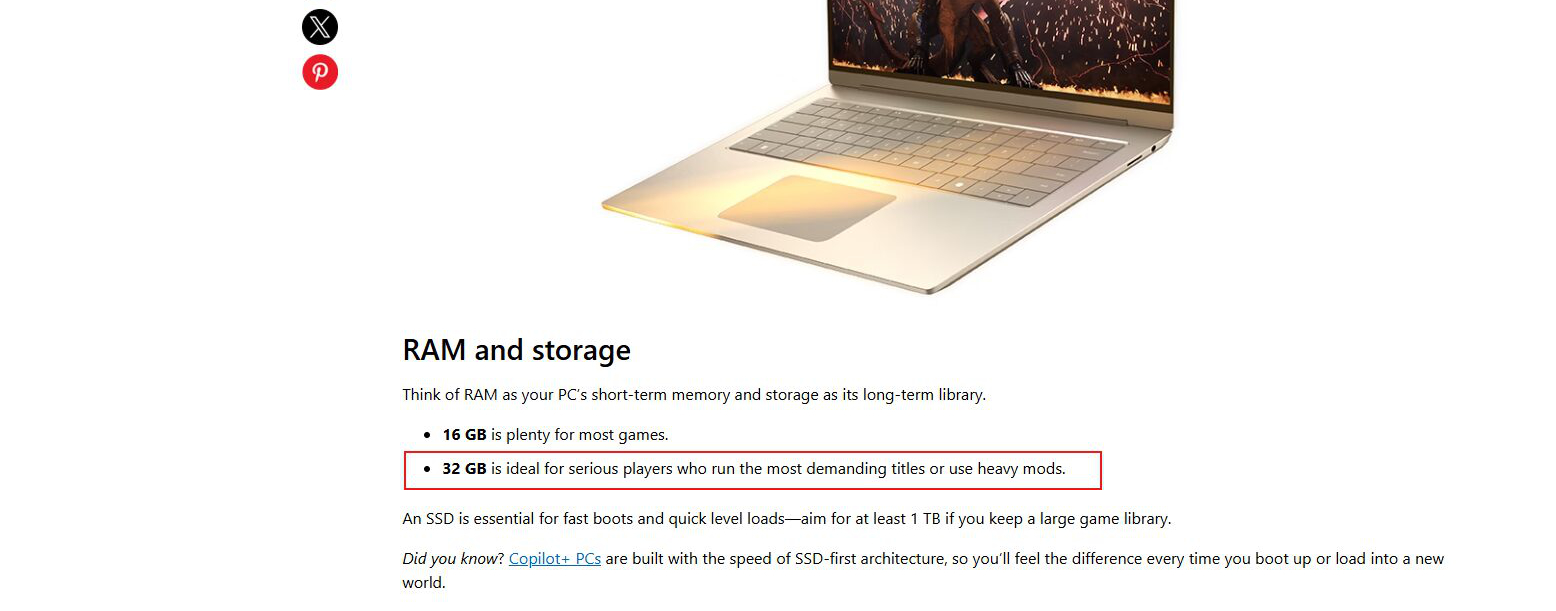
Microsoft has quietly deleted an official advice article recommending up to 32 gigabytes of random-access memory (RAM) for optimal Windows 11 performance, a move that comes as the tech giant pushes budget Surface devices equipped with just 8GB of memory amid soaring global component prices.
The pulled post on the Windows Learning Centre previously advised that 16GB of system memory should serve as the baseline requirement for Windows 11, while 32GB was recommended for peak performance, particularly when running AAA video games or heavy multitasking workloads. Visitors attempting to access the page are now redirected to the main learning hub.
The removal coincides with a sharp increase in Double Data Rate 4 (DDR4) and Double Data Rate 5 (DDR5) memory prices, driven by booming demand across the enterprise artificial intelligence (AI) and server markets and pushing up personal computer (PC) manufacturing costs industry-wide.
The decision has raised eyebrows as Microsoft continues selling entry-level hardware such as the 12-inch Surface Pro and 13-inch Surface Laptop with 8GB of RAM, priced at US$849 and $949, respectively. By comparison, competing 8GB models such as the MacBook Neo retail for $599 and $799, while the Acer Swift Air 14 starts at $699.
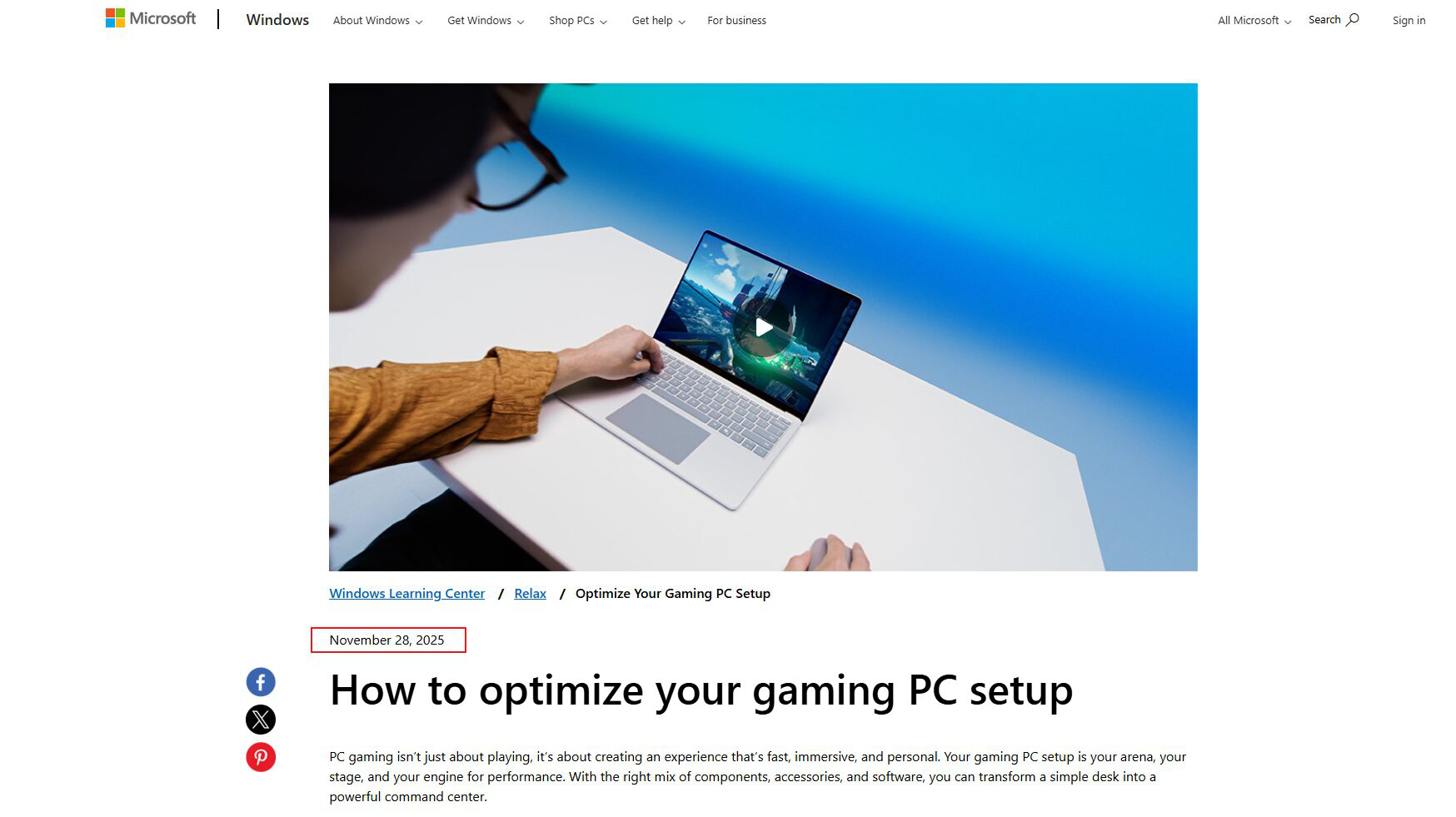
Microsoft maintains that 8GB remains sufficient for everyday productivity tasks, including web browsing, document editing and video calls. However, independent testing from tech outlets shows that Windows 11 consumes a significant amount of system memory upon startup, leading to noticeable slowdowns and stutters when running multiple browser tabs, messaging applications and conferencing software simultaneously.
The discrepancy underscores long-standing user criticisms that Windows 11 is overly resource-intensive, with tech enthusiasts increasingly considering 16GB the practical bare minimum for smooth daily operation.
Deleting its previous recommendations highlights an awkward contradiction for Microsoft: marketing 8GB entry-level PCs as adequate for general use after having previously labelled 16GB as a baseline and 32GB as ideal.
Industry watchers suggest the quiet retreat puts silent pressure on the software giant to optimise Windows 11’s memory management, especially if it intends to keep selling 8GB machines in a market where 16GB has effectively become the new standard.
Source: Videocardz, Windows Latest