
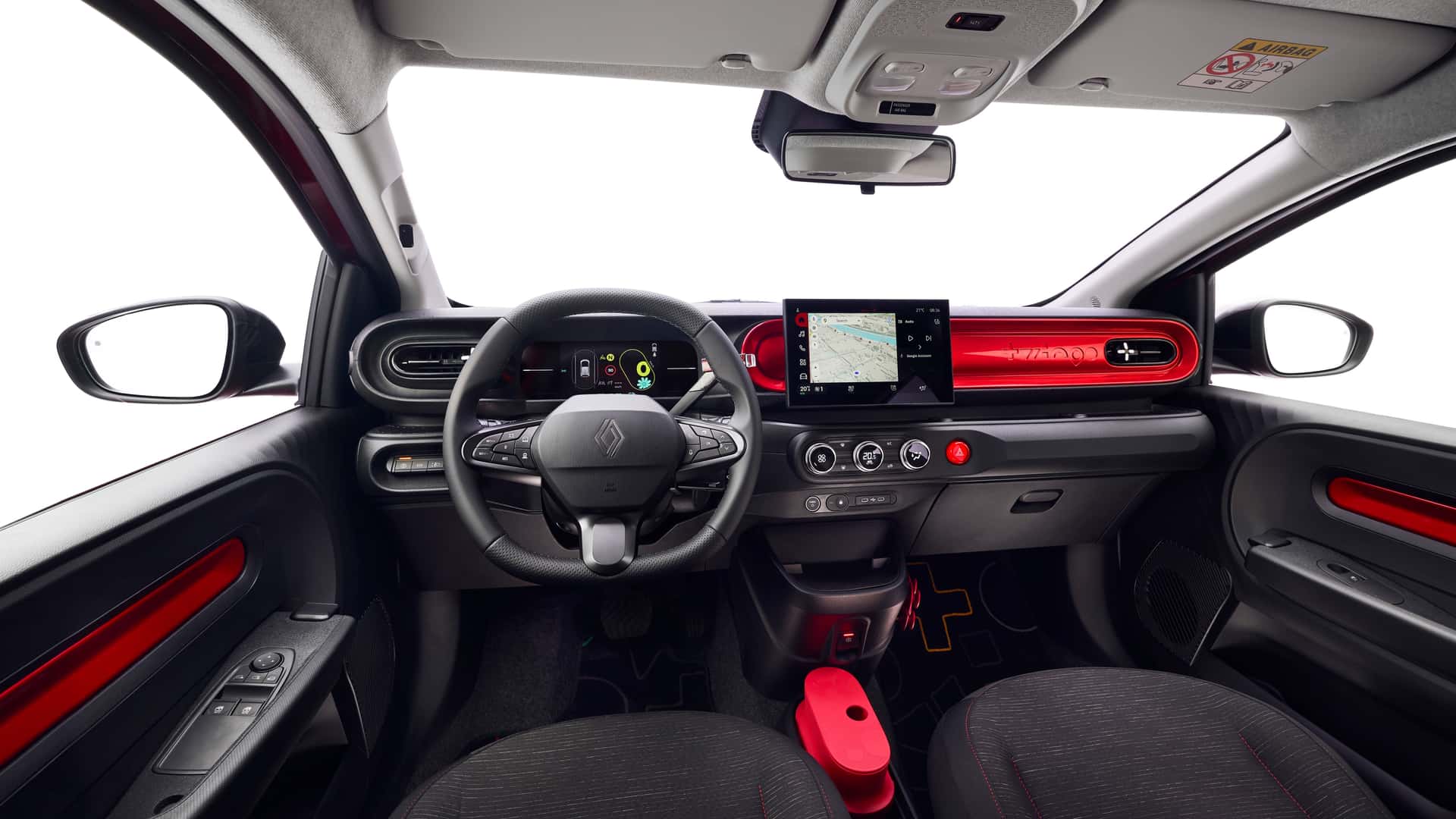
Many automakers cloaked cost-cutting measures as minimalism when they migrated most physical controls to the touchscreen. Alongside its low-cost Dacia brand, Renault has thankfully been bucking the trend by keeping buttons and knobs alive throughout its lineup. The French automaker has therefore taken a different approach and has no plans to abandon physical buttons and switches, even though doing so costs more.
In an interview with GoAuto magazine, Renault Australia general manager Glen Sealey described traditional switchgear as a “founding principle,” adding that it’s safer to access frequently used functions with a button than to fumble through a submenu on a screen while driving. Euro NCAP agrees, having updated its safety protocols for 2026 to call for “the availability of physical buttons for commonly used functions, which consumer feedback suggests can reduce distraction.”
'The Renault philosophy is to keep shortcuts as much as you can with buttons, which is more expensive, by the way, and also to utilize technology to make sure it’s simple, user-friendly, and familiar.'
Buttons Are Safer
That philosophy applies to everything from changing the radio station and adjusting the volume to accessing other frequently used functions. Renault's argument is straightforward: Why force drivers to navigate through touchscreen menus when a dedicated button can accomplish the same thing with a single press?
There is a catch, though. Physical controls aren't necessarily the cheapest solution. Sealey openly acknowledged that Renault's approach is more expensive but argued that the additional cost is justified. That's an increasingly unusual position in an industry that spent years chasing the minimalist, screen-heavy interior.
Several Car Companies Are Bringing Back Buttons
In practice, however, some manufacturers have discovered that customers don't necessarily want everything controlled through a display. Audi is promising to bring back the “Audi click,” while Volkswagen recently made its mea culpa about going overboard with screens and touch-sensitive keys.
Mercedes also says it went “too far” with eliminating buttons, and Toyota is open to bringing back “physical switches for some things” in the RAV4. Mazda used to defend the old-school approach but now says big screens aren’t more distracting than buttons.
Renault's approach therefore looks less like a refusal to embrace technology and more like an attempt to use it where it actually makes sense. Screens can handle navigation, entertainment, and more complex functions, while buttons can handle the things drivers need to access quickly and without looking away from the road.
2026 Renault Megane E-Tech
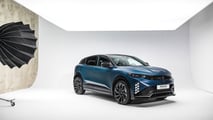
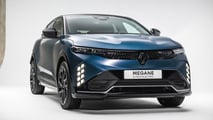
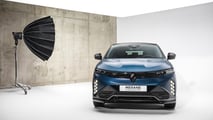
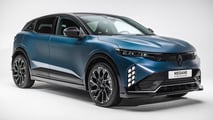
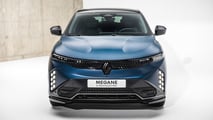
Motor1's Take: The touchscreen-everything trend was supposed to make car interiors simpler, but it often did the exact opposite. Renault deserves credit for recognizing that a minimalist dashboard doesn't have to mean eliminating every button.
A screen is great for some functions, but nobody should have to dig through a menu to do something that could be handled with one physical press.
If accountants could have their way, they would probably throw everything into a screen, but thankfully some decision-makers see things differently.