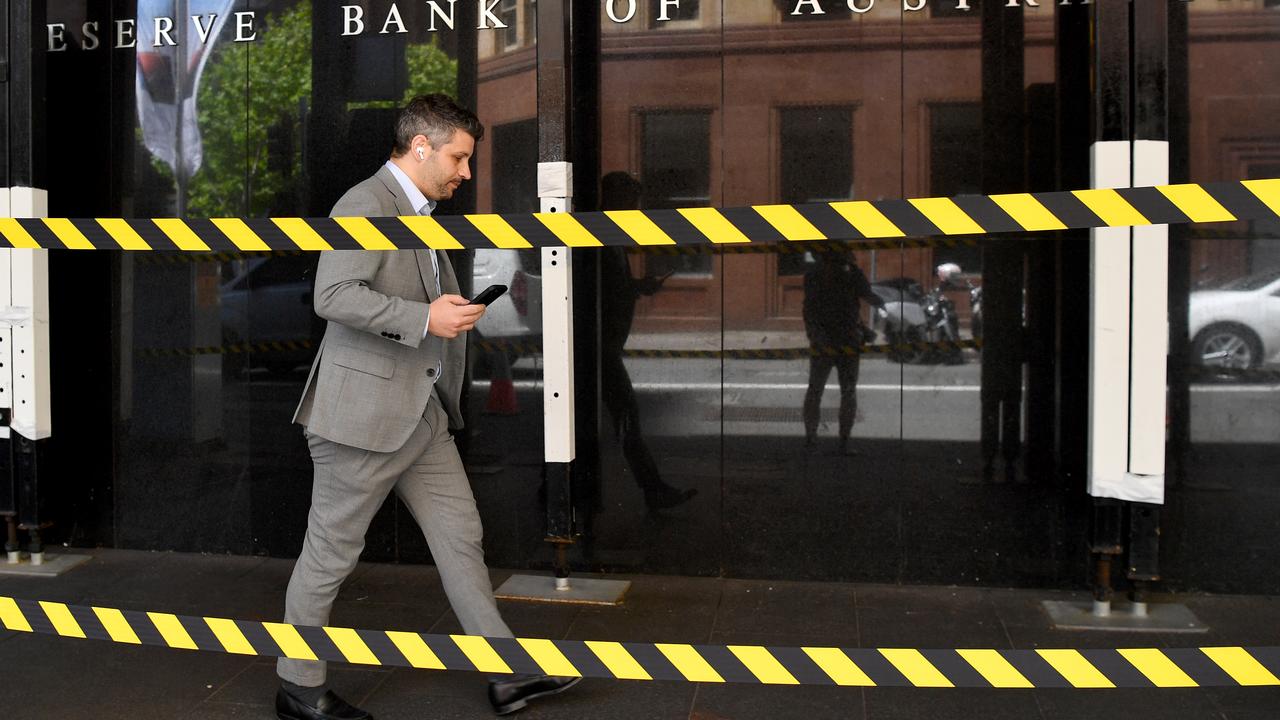
Another Reserve Bank rate rise is all but assured after Australia's economy grew by a surprisingly strong 2.1 per cent in the past financial year.
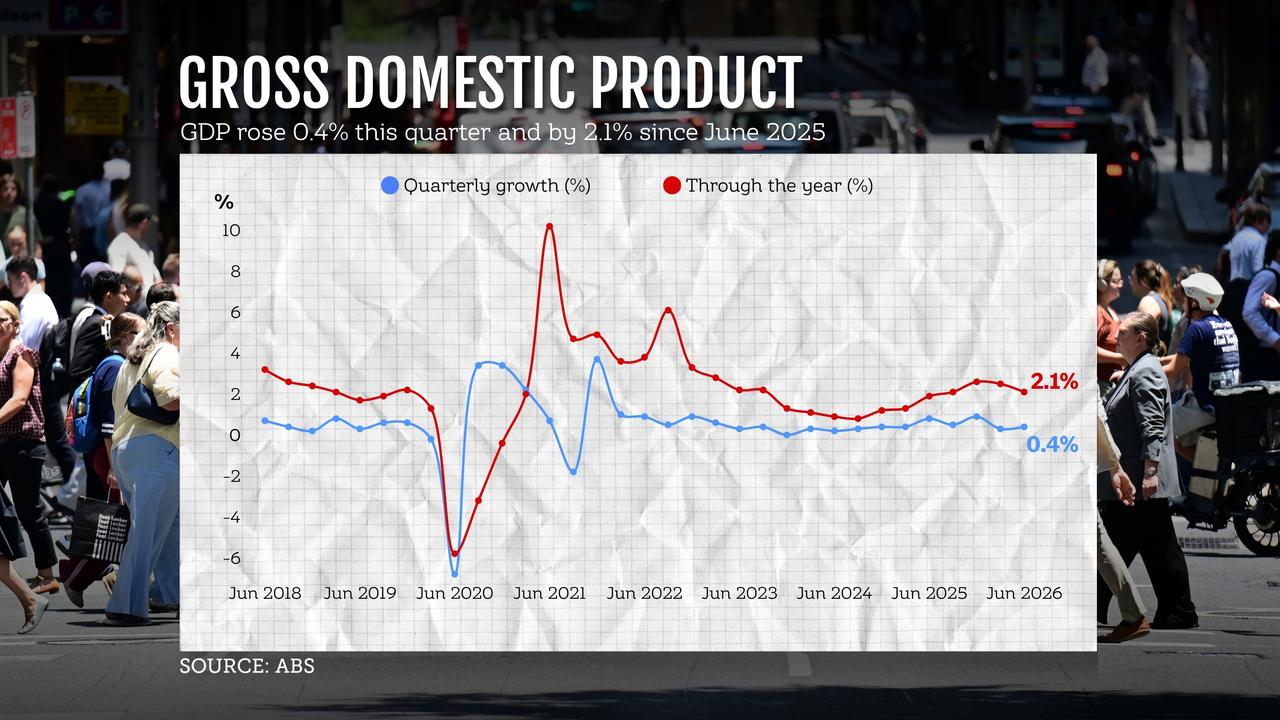
Despite the impact of higher interest rates and the Middle East conflict, gross domestic product expanded by 0.4 per cent in the June quarter - up from 0.3 per cent in March - the Australian Bureau of Statistics reported on Wednesday.
The result was above consensus forecasts, as well as Reserve Bank projections for annual growth of 1.9 per cent.
After higher-than-expected July inflation data, the hot GDP result will add more pressure on the RBA to raise interest rates again as it struggles to close the gap between supply and demand in Australia's economy.
The market was fully priced in for another rate hike by Christmas, with money markets now forecasting a three-quarter chance for a second hike by March 2027, IG market analyst Tony Sycamore said.
"Today's resilient GDP print is the final green light the RBA needs to hike rates for a fourth time this year, with Melbourne Cup day still the most likely date," he said.
Treasurer Jim Chalmers said it was "a robust result in really challenging international circumstances".
"People are still under pressure, but we can see in these national accounts that incomes are growing, housing investment picked up, there's a solid pipeline of business investment, and the private economy is driving the growth," he told reporters in Canberra.
On an annual basis, Australia's economic growth slowed from 2.5 per cent in March to 2.1 per cent, which is fairly subdued by historical standards.
But that's still above the RBA's two per cent estimate of economic potential - the fastest speed at which Australia can grow without pushing up inflation.
Households continued to behave cautiously, ABS head of national accounts Grace Kim said.
"While increased spending and business investment occurred in pockets of the economy, imports supported much of the growth, moderating its contribution to overall GDP growth," she said.
Imports of goods rose 2.4 per cent, driven by increased purchases of cars and planes. Services imports fell 4.9 per cent as travel plans were disrupted by the Middle East conflict.
"The number of Australians travelling overseas for the northern hemisphere summer fell for the first time since the COVID-19 pandemic, significantly reducing international travel expenditure," Ms Kim said.
Household consumption rose 0.4 per cent, with higher fuel prices resulting in softer spending on petrol and travel.
But the oil crisis also supported growth in electric vehicle purchases, which rose 10.3 per cent.
"The rise in electric vehicle purchases may have reflected households taking a longer-term approach to cost of living pressures, with some choosing EVs to help reduce ongoing expenses," Ms Kim said.
Private business investment declined 0.5 per cent, due to volatility in data centre investment.
But capital expenditure on data centres remained a key support for growth. Machinery and equipment investment contracted 6.6 per cent in the quarter but was still up 15.9 per cent over the year.
The data centre build out was real, Deloitte Access Economics partner Stephen Smith said.
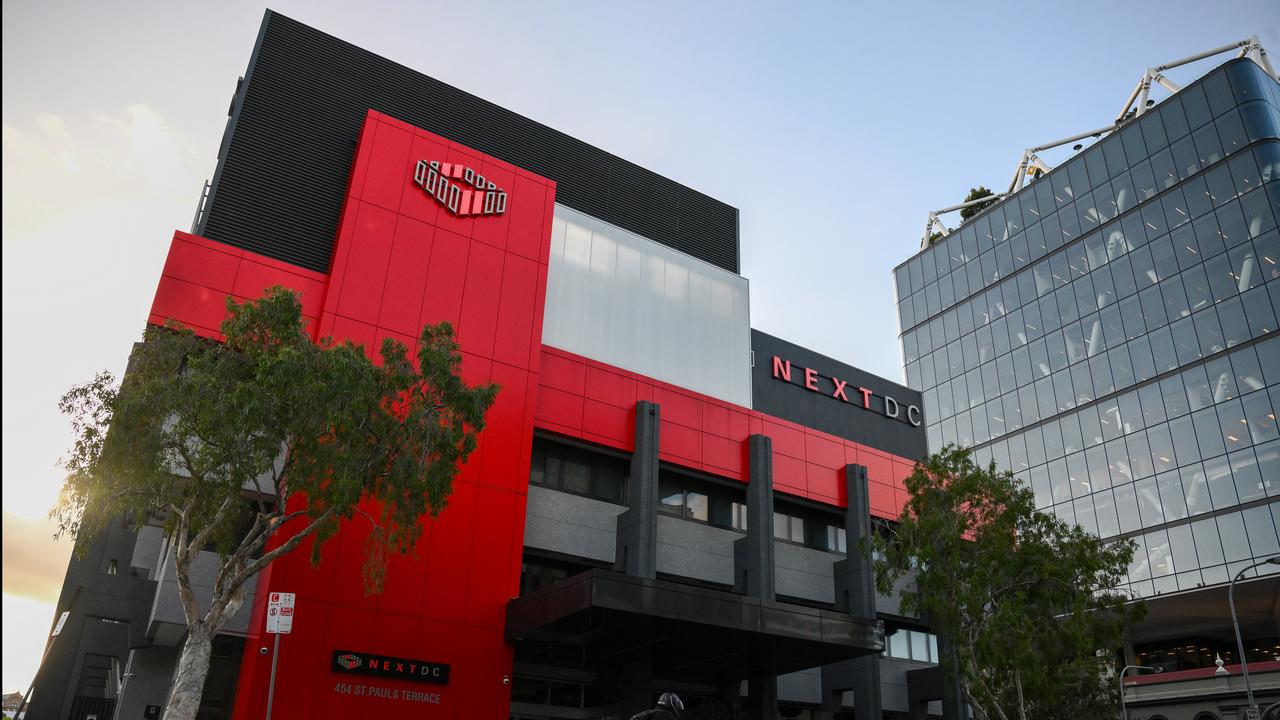
"But the lumpy nature of the investment and the import-intensity of the necessary equipment mean its contribution to GDP will be narrow and volatile quarter to quarter," he said.
GDP per capita was flat over the quarter, growing by 0.7 per cent over the 12 months to June.
Productivity was likewise flat, but fell 0.2 per cent over the year.
Real unit labour costs - a key contributor to inflation closely watched by the Reserve Bank - rose 0.9 per cent.
Australia's weak productivity performance remained the economy's critical issue, with even historically modest growth rates resulting in an outbreak of inflation, Mr Smith said.