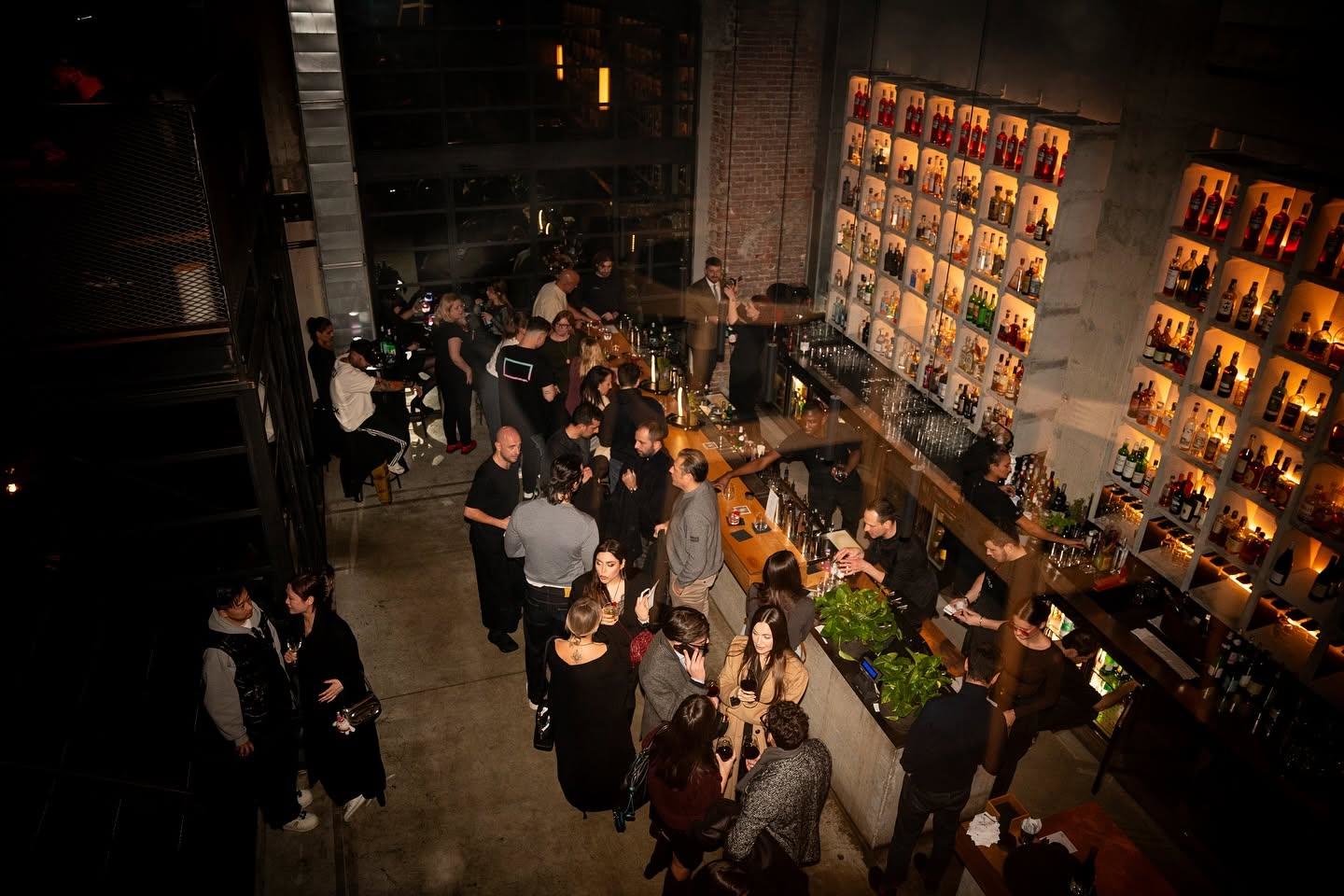
Moebius Milan may be housed in a former textile warehouse but it's hard to describe what the place has been turned into. Created by Lorenzo Querci in 2019, the venue is a cocktail bar, bistro and cultural hub, blending food, design, hospitality and ambience.
At its heart is the cocktail bar, led by Giovanni Allario, which offers a seasonal menu blending culinary techniques with the craft of bartending.
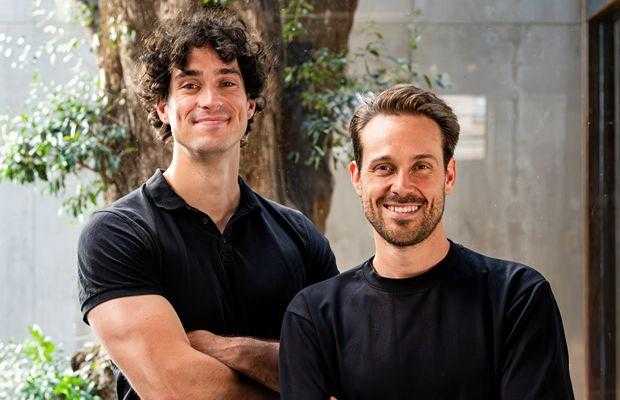
Guru By Bangkok Post speaks to Lorenzo Querci and Giovanni Allario about how their separate journeys brought them together.
What got you interested in bartending and mixology?
Allario: I was studying to be an industrial designer. I finished my courses and I was 22 years old, but I didn't want to spend the whole life in front of my computer yet, or maybe ever. So I chose to learn something that allowed me to travel somewhere, but that required money. I've always been interested in bars because I'd like to go out and socialise. In the end, I decided to try bartending because, you know, you go to a bar and there's lights and different bottle colours, shapes and things you don't know anything about. It looks like alchemy and at that point, you say: ‘Okay, let's learn something new'.
So I took a course in Barcelona for a month and I stayed there for six more months. I worked at the same school and in a bar for those six months and then came back to Italy. From Italy, I went to Paris for six years and finally have been in Milan for 12 years, now.
How did you end up at Moebius?
Allario: Lorenzo and I met for the first time because I was doing a guest shift in Milan, while I was still working and living in Paris. I was taken to Moebius and Lorenzo welcomed us with a big smile and showed us the space.
We followed each other on Instagram and a year later, he messaged me saying he was looking for a bar manager. It was right after Covid and I was back in my hometown of Genoa. We meet up and realised the energy between us is something to build on; the meeting lasted for four and a half hours!
Why did you want to open Moebius?
Querci: My story begins in my family restaurant, because my father opened the restaurant in 1984 in Siena in Tuscany. I was born and raised in between tables, in between people. So hospitality was probably a part of my life since the beginning. I moved to Milano in 2011 to study and I graduated in law, then I moved to Hong Kong for a year. So I was studying and working, but like Giovanni, I was not really happy in front of a computer for 14-15 hours a day, probably because I had this heritage of hospitality.
I felt that I wanted to open a place, open a restaurant, a bar. I had a lot of ideas and I had to find the right cultural box. So I moved back to Milano and was looking for a location. I found this beautiful, old fabric textile warehouse and I fell in love immediately. It's a beautiful, like 700m2, 12 metres tall.
In 2019 Moebius came alive. There are two restaurants, a bistro and a fine dining restaurant with a Michelin star, a bar, a record store and a stage for live music. There are a lot of cultural and different identities, all intertwined.
Tell us about the cocktail menu.
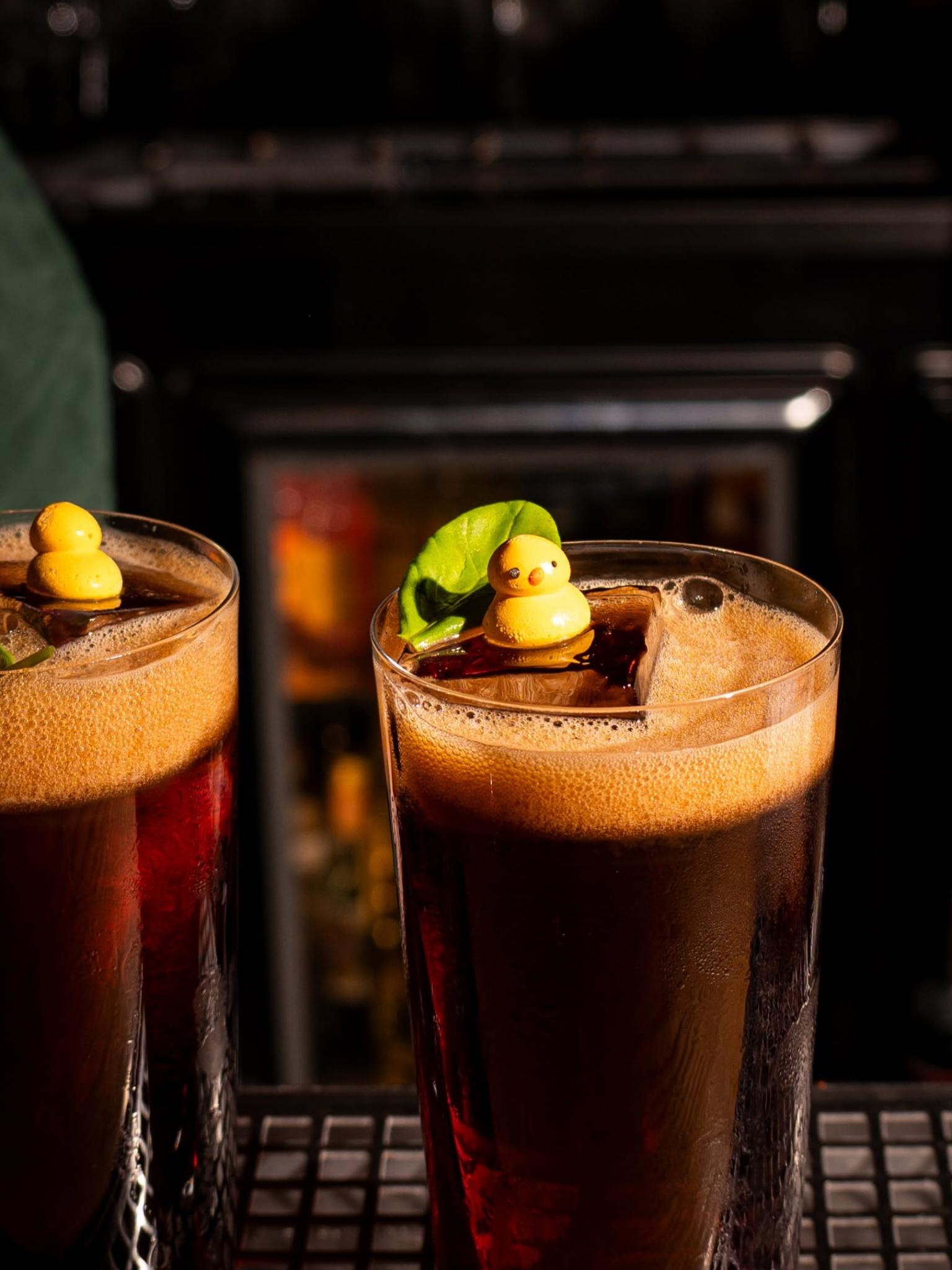
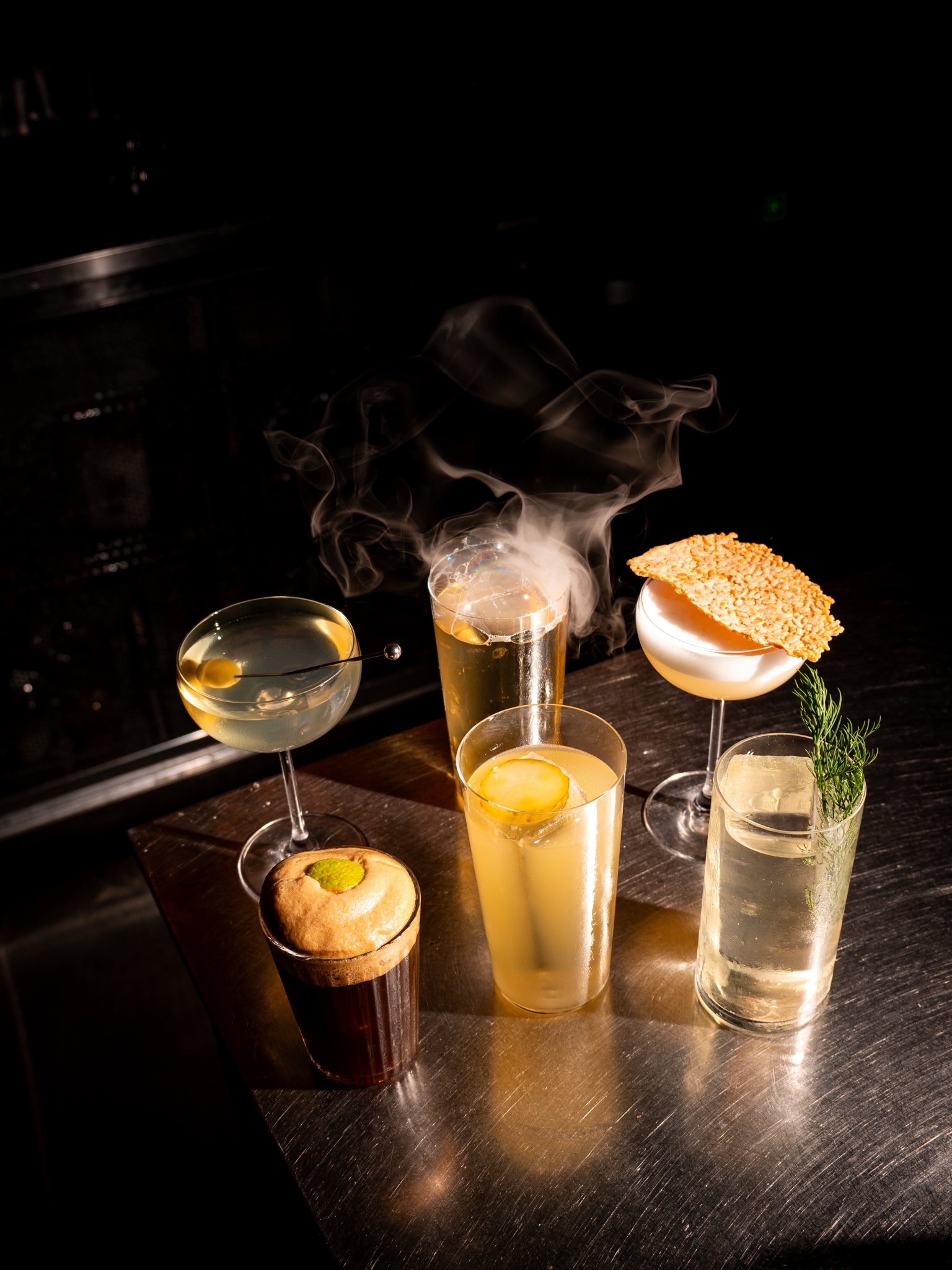
Allario: It’s partly seasonal. The idea is that we have a structure that stays the whole year to make it easier for the team. It is also easier for us to have something that's always constant and easy to deliver and to communicate to the people. It can be overwhelming. If we had a conceptual menu where you have to explain the concept and why the drinks are made the way they are. It would be too much information for the people to process.
Downstairs is the tapas bistro, of which one part is more experimental. The fine dining restaurant is upstairs and is called Sperimentale, which is experimental in Italian, and that represents a little bit more of what we do up there, with some of the drinks having this experimental side, more on the flavour, pairing something that you wouldn't expect, or with techniques that people are not very acquainted with.
Though you may not discover anything new with the highballs, we put a lot of attention into them and they have a lot of love. The other ones are like the Pesto Martini. It's pretty straightforward. Is a classic vodka martini, very understandable, but a bit surprising because of the pesto. That’s the experimental side.
The seasonal part in it comes from the structure. We have a gin and tonic all the time, because the gin and tonics are crazy in Italy and everybody loves them. So we always try to have something that plays on that and the seasonal side comes on top of this structure that we have and changes the drink over the year.
How often does the menu change?
Allario: It is a seasonal change. For example, prunes are in season for five months, because the season starts early, it's good weather in May, and then it finishes in September, October. We find something else in the meantime and we try to work around it. So when the season is done, we already have the second variation of it.
There is no point making a whole menu change in a single go as over time there will be all new drinks.
By attending the many guest shifts, does it inspire future cocktails for Moebius?
Allario: Yeah, it's contamination. I mean, whether you want it or not, it's gonna happen. You are subject to this kind of influence because life happens to you, right? At that point, you’ll always internalise something from the trips. Maybe in two years' time, I'm gonna remember that one drink I really loved and create something similar.
Before we did the international guest shifts, we did not have a lot of international products. Now because of the exposure of all the things that we've done lately, we use a lot more international products.
You've got another bar called Lubna. What is the concept and the drinks?
Querci: Moebius was named after the French illustrator of the '70s. I'm a little bit of a comics nerd and Lubna is named after a female character in an Italian comic book of the late '70s. After I named the bar Lubna, I was told that it is also the name of a white flower.
Lubna is a listening restaurant and bar. So like Moebius, we serve food and drinks, we do an aperitivo after dinner and we have DJ set with vinyls, three days a week.
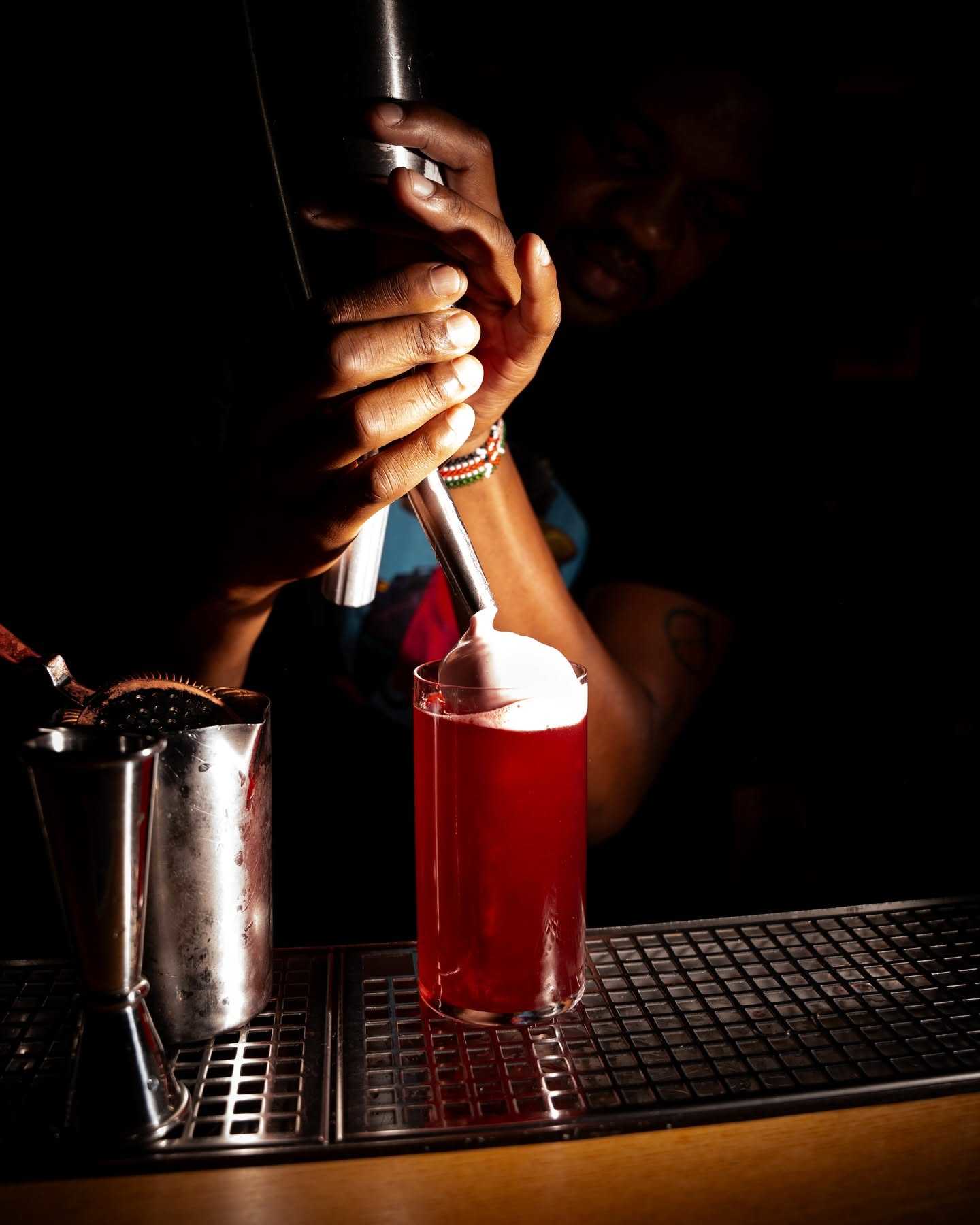
Allario: It is different because the whole place revolves around fire, in a way. So the idea is that you have this very big and long bar that's divided into two sections. One is the kitchen and one is the bar. So it's like 15-16 metres. The kitchen bar makes just one piece. Guests have to go all the way through these two bars in length to get to each one of the tables. So it's very central and the pumping heart because no matter where you are, you can see this charcoal grill.
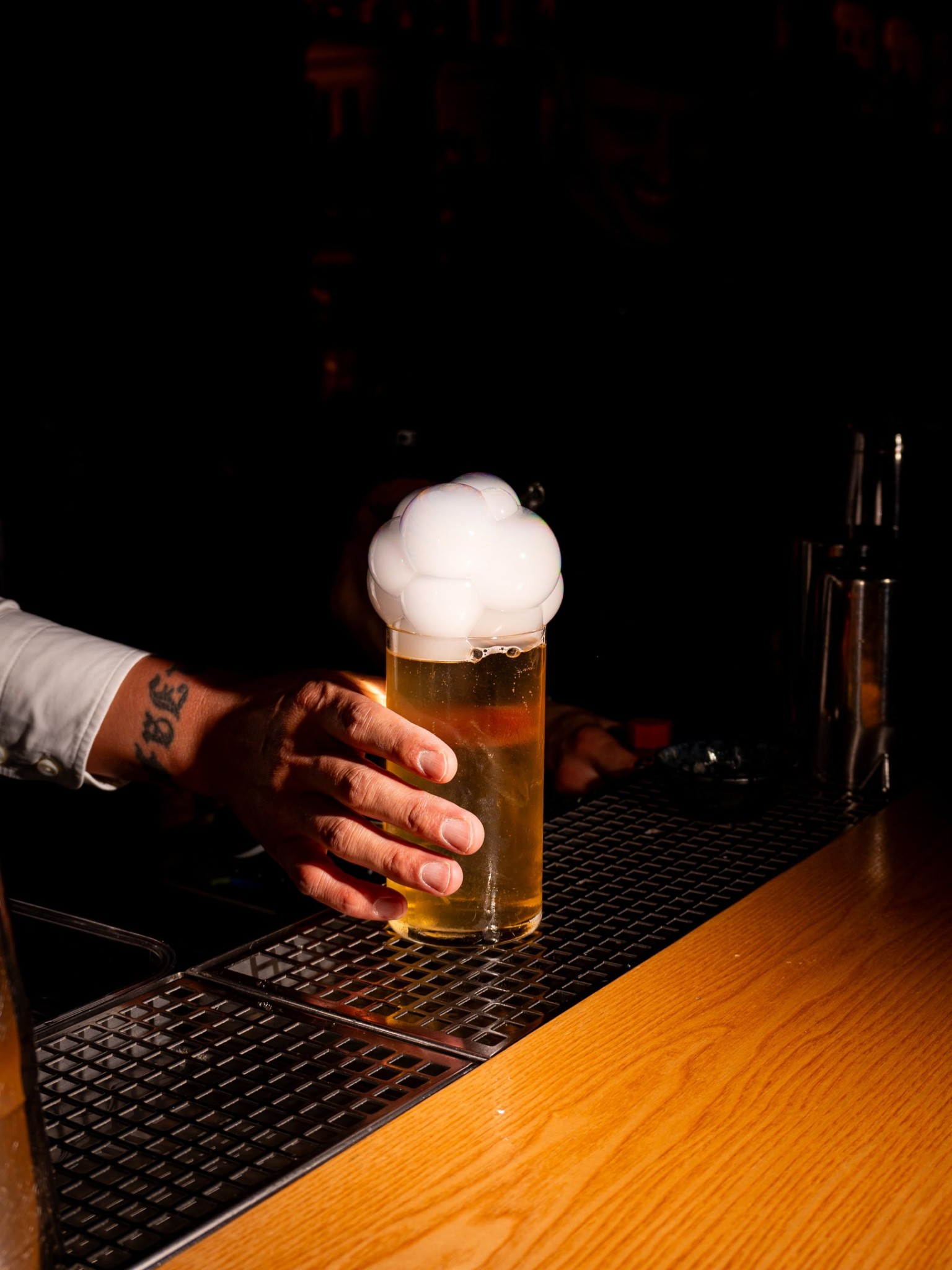
The menu is divided into four sections. One is the highballs, then are the classics, then is our twist on the classics and the fourth and last section is the grilled cocktails, where we focus more on flavour than a classic structure.
What is a listening restaurant?
Allario: In the last five, six years, the trend of the listening bars is quite strong. It is where curated music and top-tier sound systems share the spotlight with the food.
What is next for each of you?
Allario: I wish we knew; we just keep having fun. That's my hope. We like to keep everybody as happy as we can.
Querci: I like to 100% believe that not knowing what's next, not thinking about what's next, keeps you grounded to the very moment. I feel very lucky because everything is going well. I believe, as Giovanni said, the key is to have fun. It's not just a transactional job, we put ourselves on the line. We do what we like and are passionate about it. I don't know what’s next, but I think it's going to be bright.