Good morning!
Indeed CEO Deko Idekoba says he thinks AI is a “bit too slow” to change the labor market.
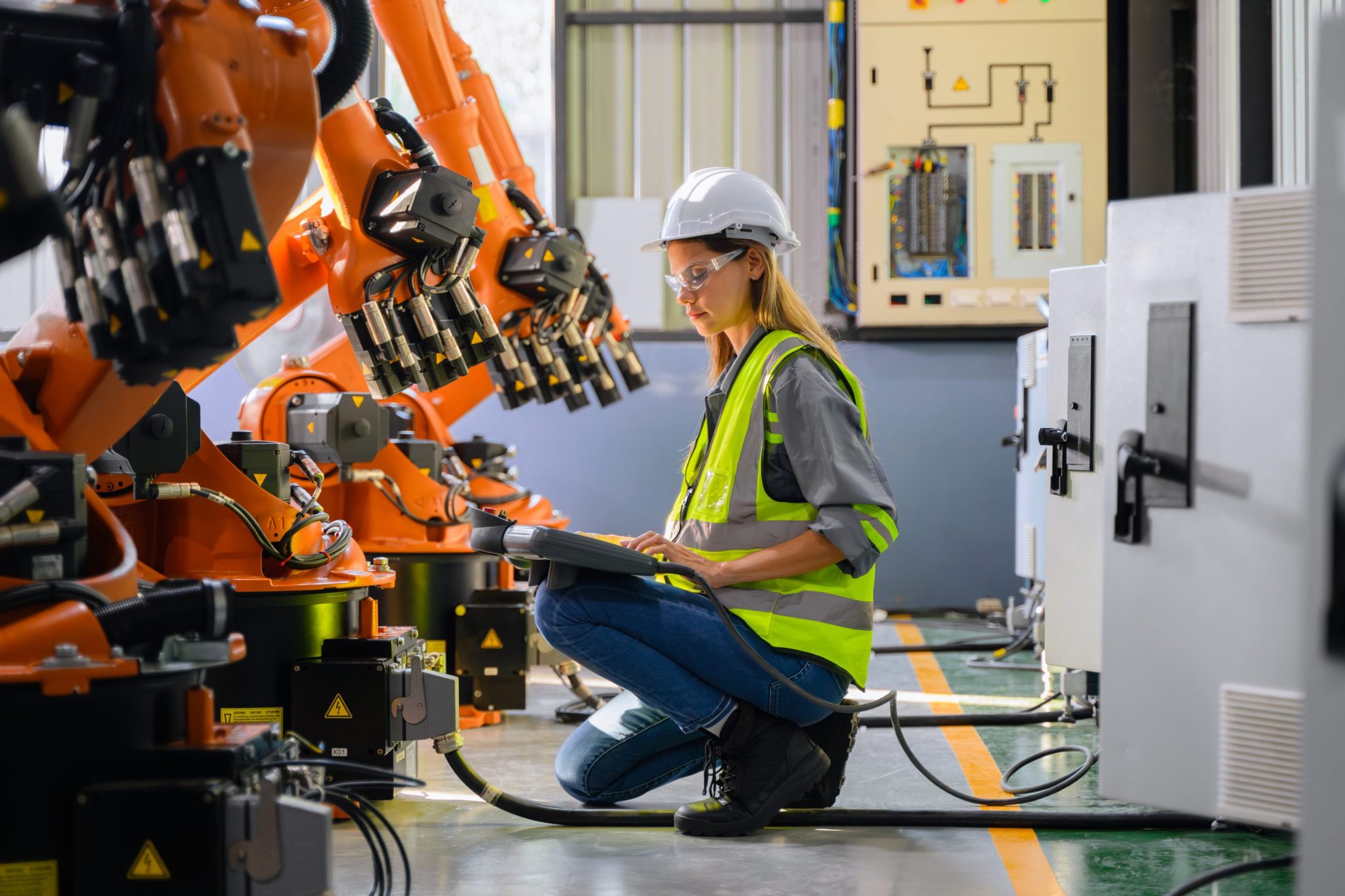
That may sound counterintuitive amid warnings that AI is wiping out entry-level jobs and disrupting white-collar work. But Idekoba is concerned with how uneven AI’s impact is: While the new tech advances rapidly through office work, skilled tradespeople are retiring from jobs AI can’t do, and too few young workers are preparing to replace them.
“No parent is telling their kid, ‘You have to be a plumber. You have to be an electrician,’” he says. In the U.S., he adds, “there’s not a respect for those skills. In Japan or Germany, these people are really well respected.”
But how do hiring managers combat this prestige problem? It may require changing how young people, their parents, and educators define a promising career.
Maggie Hulce, Indeed’s chief revenue officer, sees it as an information problem. “When we help people see where there is demand and where there is salary, people make really good, rational decisions,” she says.
A job such as an AI data-center technician, she adds, may suddenly look more attractive than becoming a finance manager once someone understands the pay structure. Indeed’s data shows that data center jobs for blue-collar workers pay a hefty premium: the hourly pay rate is 42% higher for blue-collar roles in data centers than all other postings.
And blue-collar jobs continue to evolve in this AI boom: Indeed found that new, AI-related, hybrid job titles are cropping up outside of tech. For example, instead of traditional truck driver roles, they are seeing “AI autonomous truck test driver.” Instead of traditional operator roles, they are seeing “AI safety operator.”
But ensuring there is a skilled workforce to fill these roles quickly is something people leaders should be paying attention to, Hulce says.
“With an open role, sometimes [talent acquisition] people will think of it as a process problem,” she says. “But it’s not just a process problem. It’s a business cost problem. It’s a revenue at risk problem.”
Kristin Stoller
Editorial Director, Fortune Live Media
[email protected]