The United Nation’s nuclear watchdog said North Korea has built a new uranium enrichment facility at its main Yongbyon nuclear complex and that it was a “cause for serious concern”.
The two-storey building could hold up to 28 centrifuge cascades used to enrich uranium, the International Atomic Energy Agency (IAEA) said in a report released late last month.
The agency said the development showed that North Korea was continuing to expand its nuclear programme despite sanctions.
The building was identified after comparing satellite images with photographs of North Korean dictator Kim Jong Un visiting the “newly-inaugurated nuclear materials production factory” in June this year, the IAEA said, quoting North Korean state media in its report.
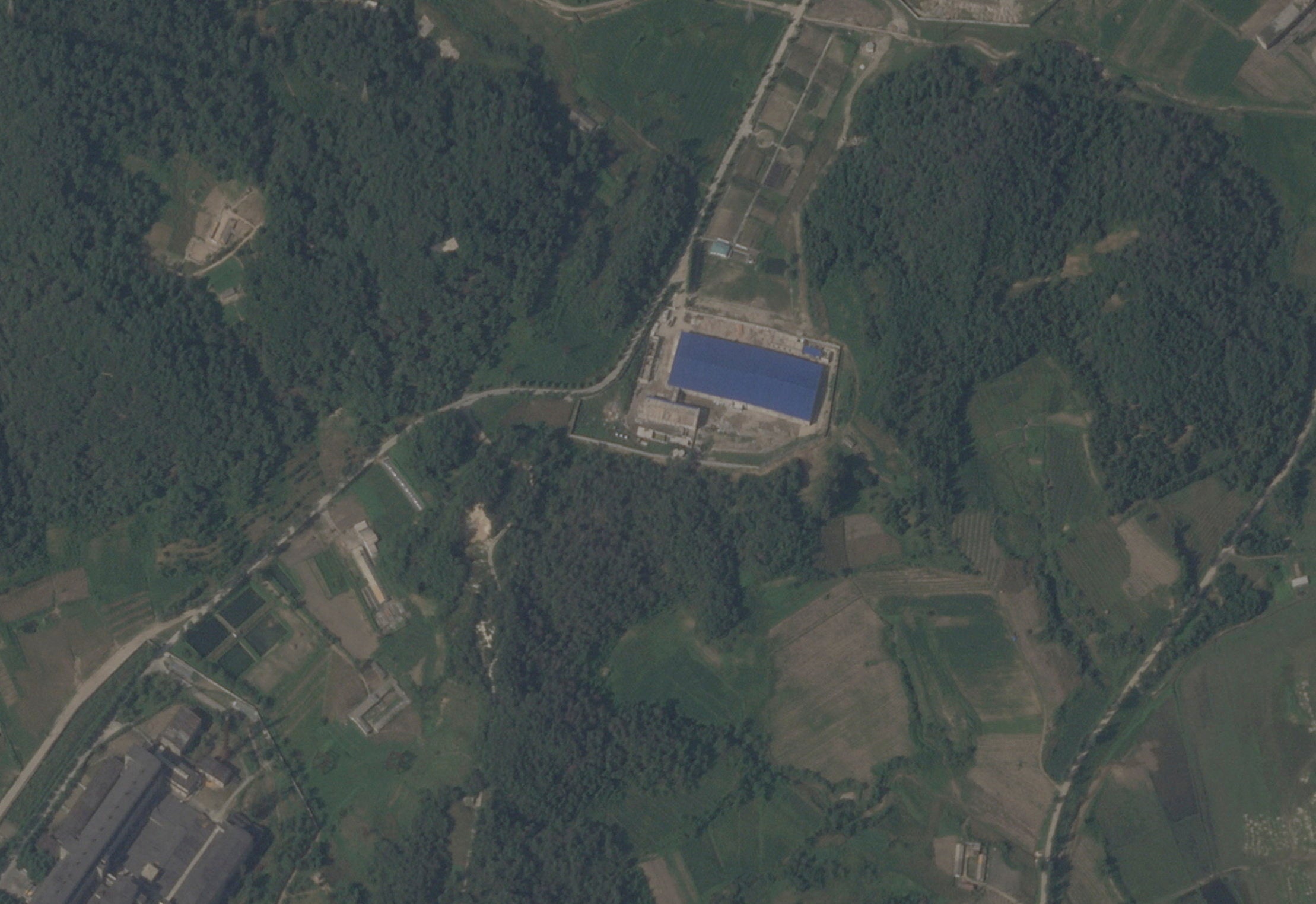
The photographs showed centrifuge cascades on both floors of the building.
IAEA said it had tracked the facility since construction began in late 2024.
North Korea has been under UN Security Council sanctions since 2006, and the measures have been steadily strengthened over the years with the aim of halting Pyongyang's development of nuclear weapons and ballistic missiles.
During the June 2026 visit, Mr Kim was quoted by state media praising the further strengthening of the “foundation for the production of weapons-grade nuclear materials by settling the problems decisive in putting the production of nuclear materials”.
He described 2025 as a “crucial year” for “bolstering up the nuclear forces” and called for “overfulfilling the plan for producing weapons-grade nuclear materials” during his visit to the facility in January of that year.
38 North, a publication of the Stimson Center that analyses North Korean policy and its impact on global security, said Yongbyon played a “critical role in the country’s production of nuclear material for its weapons programme, as the sole producer of plutonium and a significant source of enriched uranium”.
The IAEA said in its report that it found signs that North Korea had started operating an expanded section of its uranium enrichment facility at Kangson, near Pyongyang.
The annex was built in 2024 and appears to have become operational in January this year.
IAEA chief, Rafael Grossi, called the developments a “cause for serious concern”.
He added: “The continuation and further development of the DPRK’s [Democratic People’s Republic of Korea] nuclear programme are clear violations of relevant UN Security Council resolutions and are deeply regrettable.”
The IAEA has had no inspectors in North Korea since 2009 and relies on satellite images and other open-source information to monitor its nuclear programme.
The agency report noted that “since 2021, an expansion in the DPRK’s enrichment capacity has been observed, with extensions to existing enrichment facilities at the Yongbyon site and at Kangson, and the construction of an additional uranium enrichment facility at Yongbyon”.
It added: “The Director General continues to call upon the DPRK to comply fully with its obligations under relevant UN Security Council resolutions, to cooperate promptly with the Agency in the full and effective implementation of its NPT Safeguards Agreement and to resolve all outstanding issues, especially those that have arisen during the absence of Agency inspectors from the DPRK.”
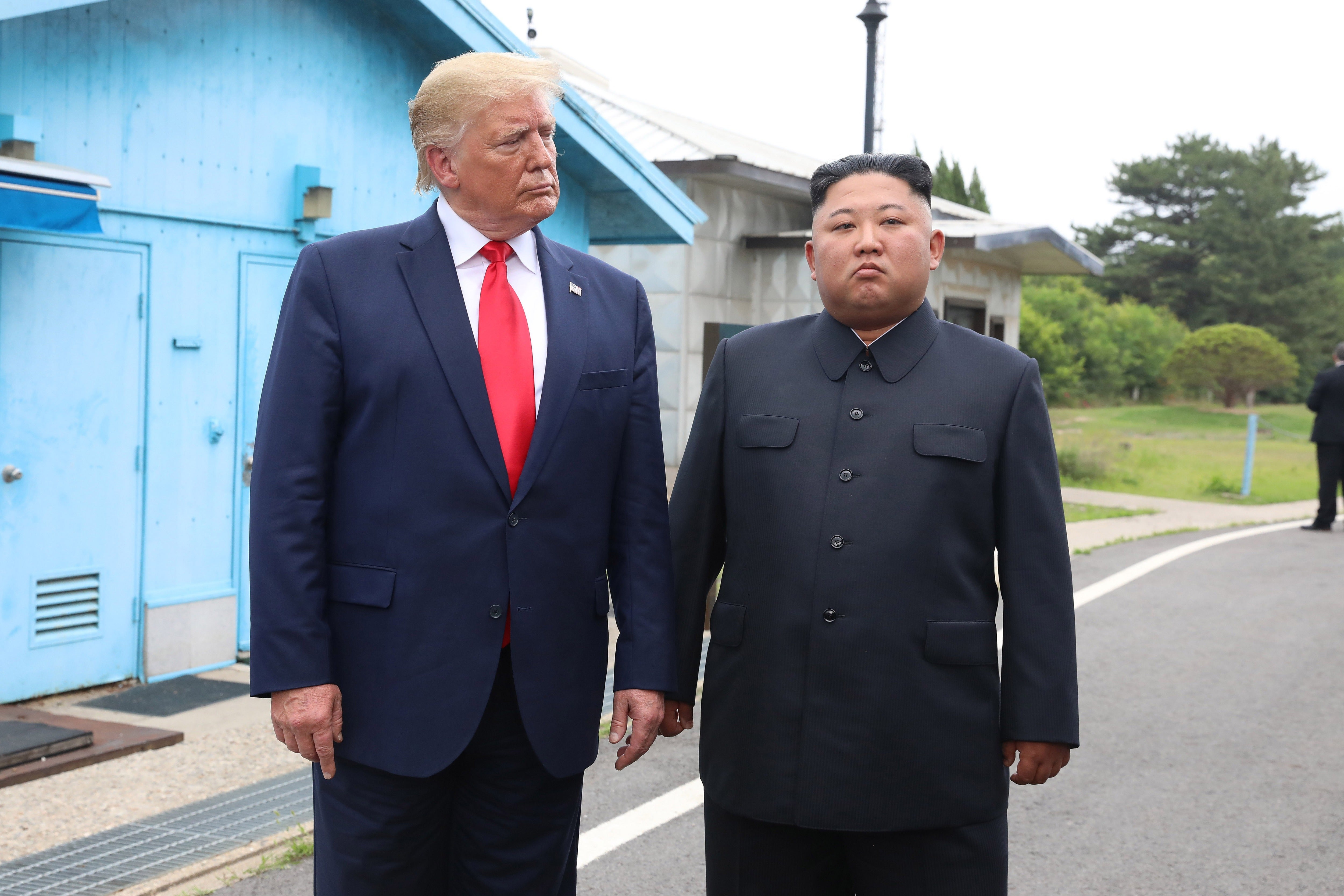
Mr Kim has doubled down on North Korea’s nuclear expansion while keeping the door open to talks with Washington. He has said Pyongyang could coexist with the US if Washington dropped its “hostile” policy.
He had previously called for Washington to abandon its demands for the North’s denuclearisation as a precondition for resuming talks.
In September last year, North Korea’s vice foreign minister, Kim Son Gyong, told the United Nations General Assembly his country will never give up its nuclear programme. He described it as "tantamount to demanding it to surrender sovereignty and right to existence."
It was the first time North Korea had dispatched an official from Pyongyang to address the annual gathering of world leaders for the General Assembly since the country's foreign minister traveled to New York in 2018.
Last month, South Korea said that Pyongyang had between 80 and 120 nuclear warheads, far more than the number estimated by US president Donald Trump.