In the days following the announcement of the Capture the Dark 2026 winners, the conversation has shifted from commendation to controversy. It turns out that this year, the competition organizer – DarkSky International, a global NGO advocating for reduced light pollution – recognized images that broke its rules.
The controversy started on August 14, just a day after the winners’ announcement, when disgruntled entrant Raaber Way took to Facebook to condemn the results. And it wasn't long before photography news outlets came across the astrophotographer's post, amplifying the news.
While there’s never some grand conspiracy behind a dodgy photo competition ruling, nor “goodies” nor “baddies,” there are, unfortunately, the rule-abiding photographers who never get their fair shot at recognition.
And from an organization as influential within the astrophotography community as DarkSky International, recognition can have a massive impact on a photographer’s prospects. So it’s for the photographers who entered justly, but were pipped by the offending images, that I write this.
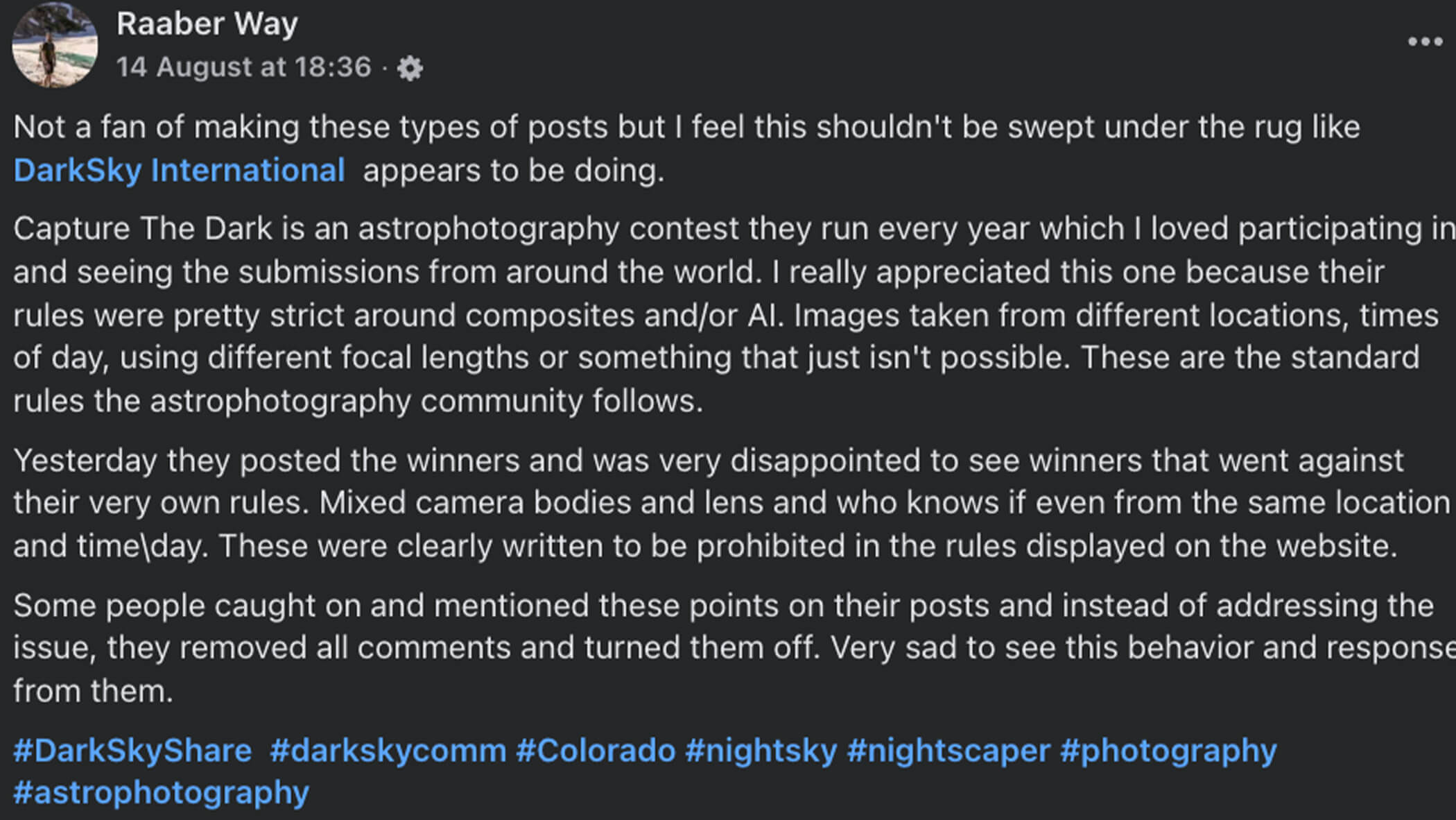
In his Facebook post, Way drew attention to one of the winning images and a runner-up that undoubtedly broke the rules.
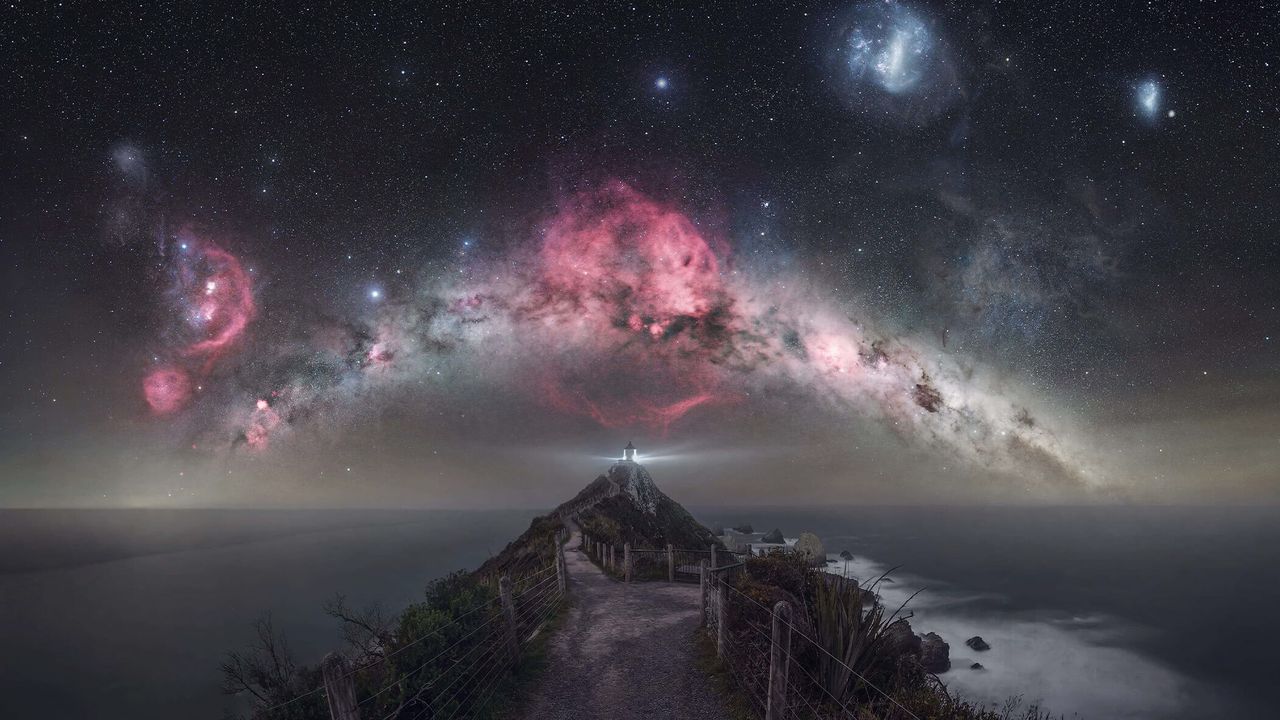
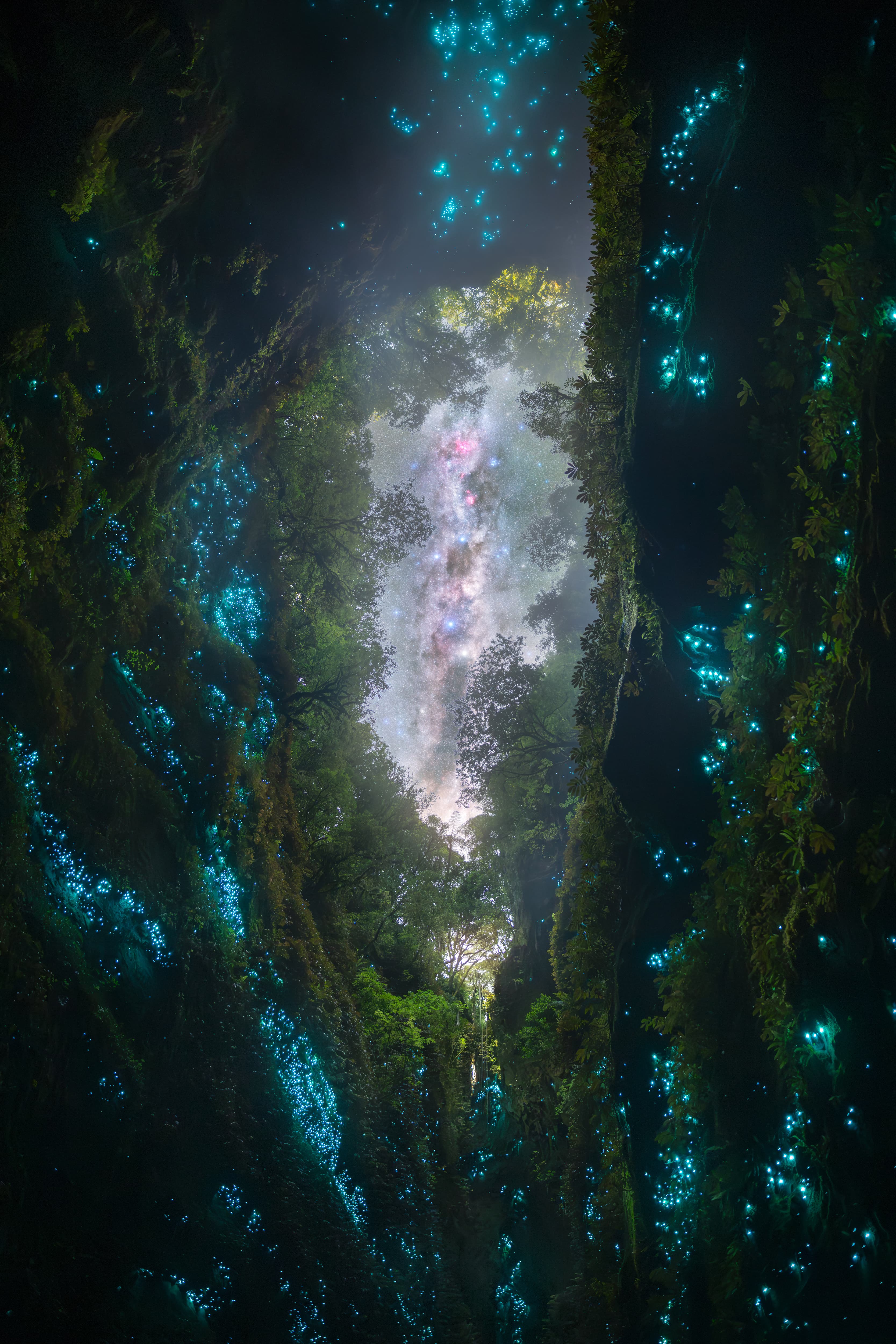
These were The Chasm by Tom Rae, an ethereal shot of a cave illuminated by glowworms beneath the Milky Way sky, which won the Creatures of the Night category, and A Dialogue Between Space and Human Light by Mikel Iraeta, an epic depiction of a lighthouse beaming beneath cosmic ecstasy, which placed second in the Impact of Light Pollution category.
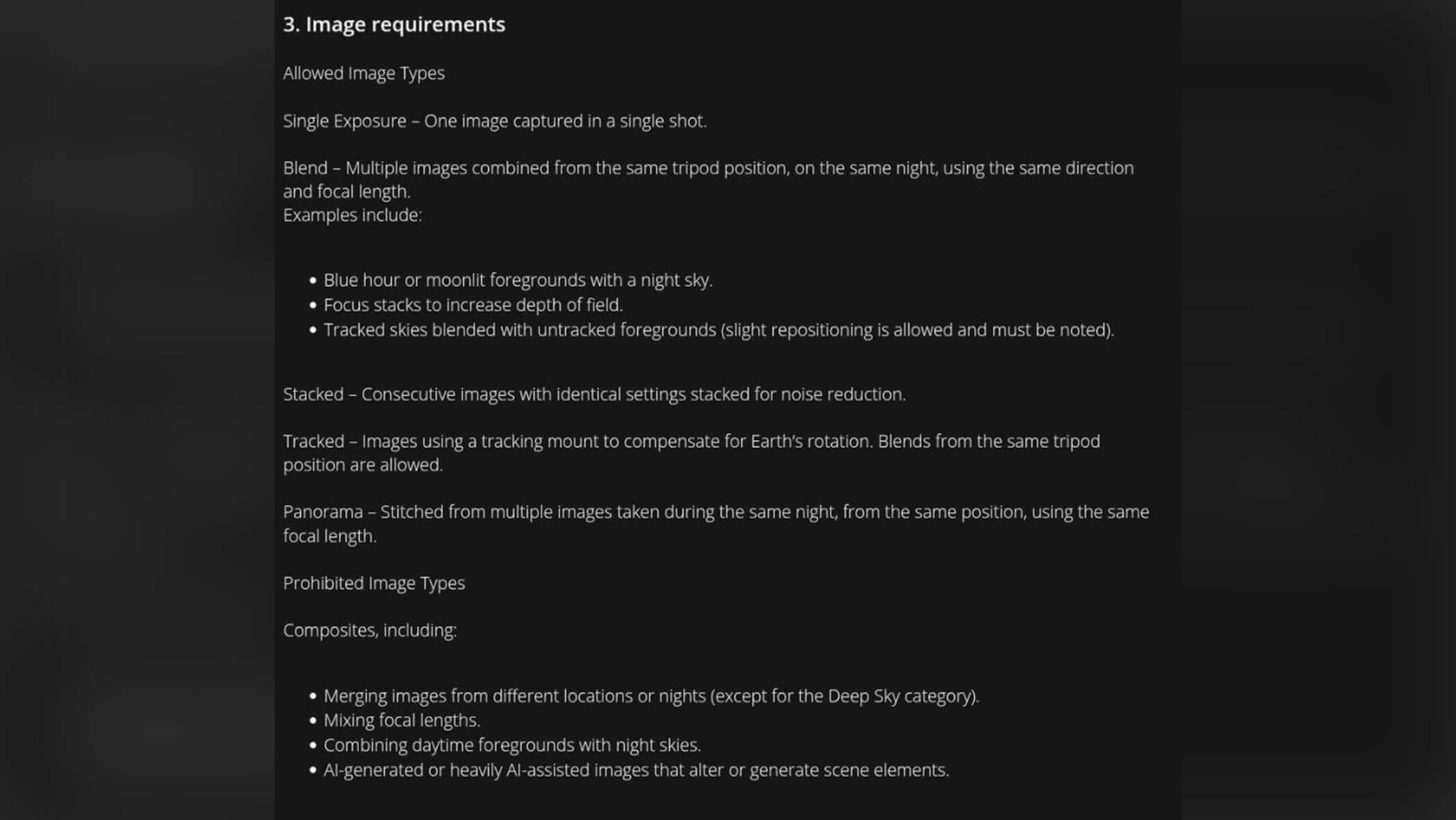
The specific rule these composite images broke was that they combined separate exposures taken at different focal lengths.
Capture the Dark allows techniques widely used in astrophotography, including stacking, tracking, panoramas and blending multiple exposures. But all exposures used to create a single submission must be captured at the same focal length.
When the NGO announced its winners, it also released the technical settings used by each photographer – and Way was the first to spot that both Rae and Iraeta had used two different lenses with different focal lengths.
Now, I don’t for one second believe that Rae or Iraeta set out to cheat their way to victory – and I still think that their creations are great works of art. In fact, a few days ago I wrote a piece highlighting the incredible story of how Rae rappelled 330 feet (100m) into the cave to capture his shot.
Even if I knew this image had broken the rules, I still would’ve written that piece. I would’ve highlighted that this was the case, but the story of the daring photographic feat would’ve remained an incredible one regardless.
The fact remains, however, that by DarkSky International’s own rules, both of these images should have been disallowed. Not only were they allowed, but they went on to gain widespread recognition at the expense of two other truly deserving photographers who stuck to the rules.
DarkSky International certainly isn't the bad guy for this but, in my eyes, it has let the astrophotography community down, despite the response it gave on Way’s Facebook post.
In short, the NGO said that it has “heard” the concerns and questions this controversy has raised, but “stands by” its elected winners. To me, the public statement reads more like one of those corporate “admissions” of guilt that uses a lot of jargon without actually saying, “we messed up”.
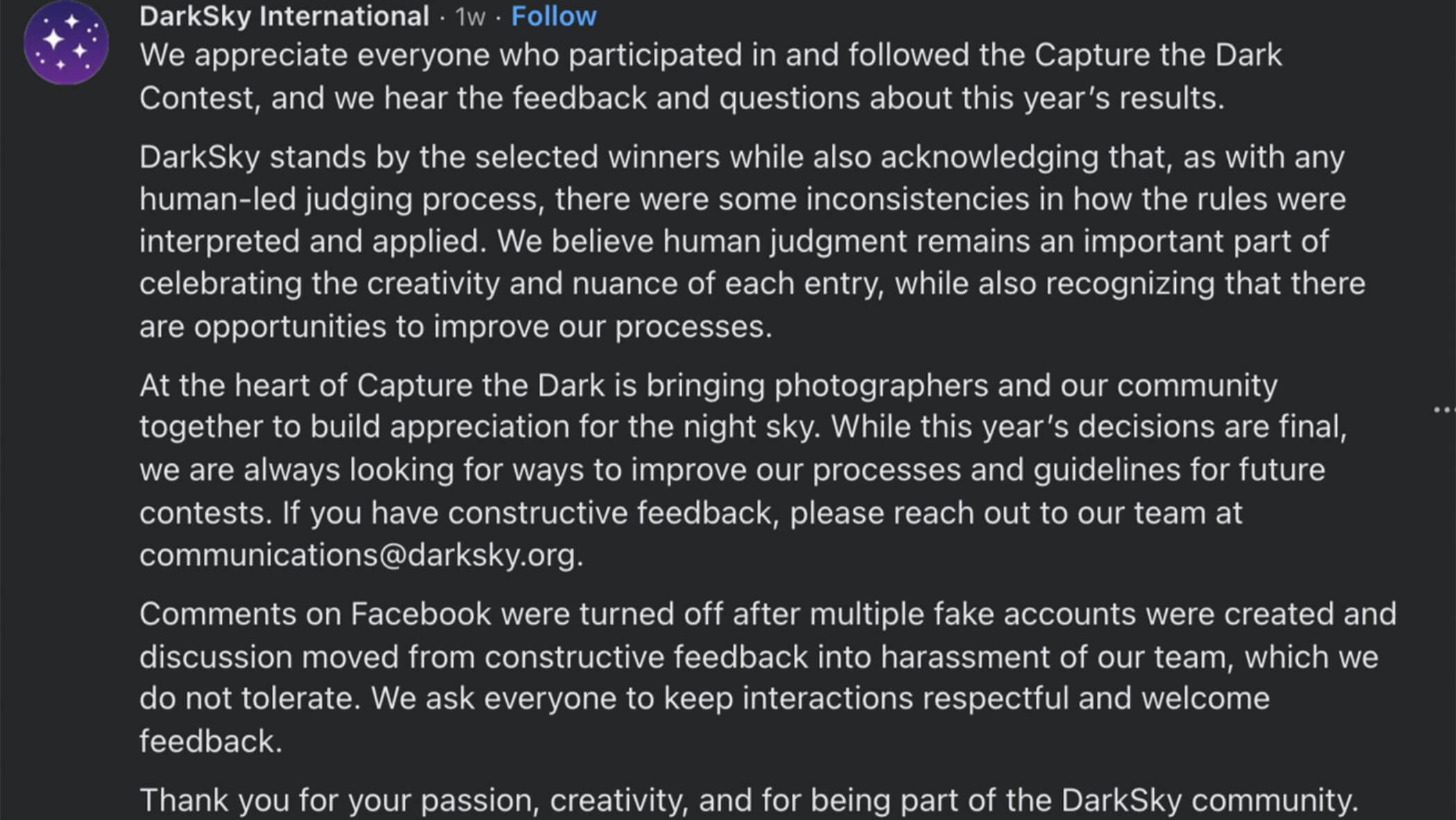
If my two cents is worth anything, a public apology with a re-election is in order from the organizers. While I agree with them when they say that they’re “only human” and humans make mistakes, humans also admit when they make mistakes and do their best to rectify them.
This would go a long way toward helping the photographers who, per the rules, are deserving of a spot in this year's top three for the Creatures of the Night and Impact of Light Pollution categories, respectively.
And while we’ll never know who the two photographers are that should have, whoever you are, just know that your efforts haven’t gone unnoticed.
You might also like…
Here’s Jame Carter, our expert astrophotographer’s, pick of the best cameras for astrophotography.