Batman has had plenty of memorable gadgets over the years, but none is more recognizable than the Batmobile. And yet, there's one strange thing about Batman's most famous vehicle: it almost never stays the same.
Michael Keaton's Batmobile was a long, black, futuristic machine. Christian Bale's was essentially a military assault vehicle. Ben Affleck's was a gigantic armored weapon. Robert Pattinson's looks more like a heavily modified muscle car. Even the wildly different designs from the 1960s and 1990s came from the same basic idea: Batman needs a car. So why does Hollywood keep redesigning it?
Every Batman Reboot Needs Its Own Identity
The easiest explanation is that every major Batman movie series creates a new version of the character. When Tim Burton's Batman arrived in 1989, the filmmakers weren't trying to continue the look of the 1960s television series. They wanted a darker, more gothic Batman, and the Batmobile had to fit that world.
The result was a dramatically low, elongated machine that looked less like something Bruce Wayne would casually drive around Gotham and more like a weapon designed specifically for Batman. Then came Joel Schumacher's Batman Forever and Batman & Robin. The movies became brighter, more exaggerated and more comic-book-like, and the Batmobile followed suit.
Christopher Nolan went in the opposite direction with Batman Begins. His Tumbler looked like a military vehicle because Nolan's Batman was supposed to feel more grounded and practical. DC describes it as an armored vehicle, a dramatic departure from the sleek machines that came before it.
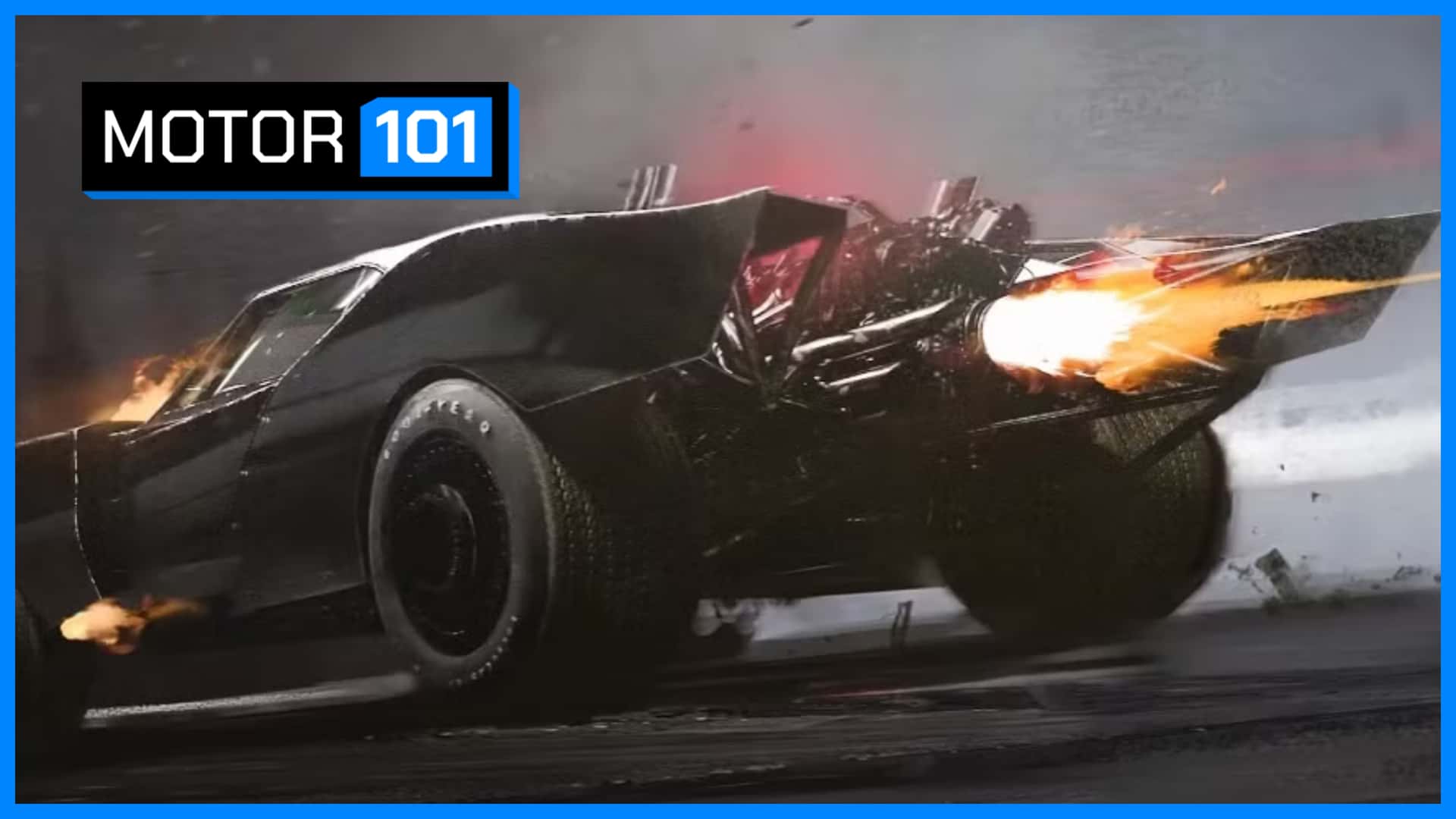
Matt Reeves took another approach with The Batman. Robert Pattinson's Batmobile is much closer to a recognizable road car, but it's heavily modified and aggressive. It fits a younger Batman who is still figuring out how to turn Bruce Wayne's resources into a crime-fighting arsenal. That's the pattern. Change the Batman, and you change the Batmobile.
The Batmobile Has To Match The Movie's Tone
The Batmobile isn't just transportation. It's part of the movie's visual language. Consider how different these versions feel:
- 1966: Bright, flashy, and theatrical, based on the 1955 Lincoln Futura concept car.
- 1989: Long, sinister and futuristic, matching Tim Burton's gothic Gotham.
- 1995–1997: Wild, exaggerated, and almost comic-book-like, reflecting Schumacher's colorful style.
- 2005: The Tumbler, built around military-inspired functionality for Nolan's more realistic Batman.
- 2016: A massive armored machine for Ben Affleck's older, more brutal Batman.
- 2022: A customized muscle car that feels more like something a wealthy, angry vigilante could actually build.
DC's own retrospective of the Batmobile shows just how dramatically its appearance and purpose have changed over the years, from the 1966 classic to Burton's machine and Nolan's Tumbler.
A Batmobile covered in fins and glowing lights would look completely out of place in Nolan's Gotham. Likewise, the Tumbler would have felt almost absurdly serious in the neon-heavy world of Batman & Robin. The car has to belong to the universe around it.
Each New Batman Gets A New Set Of Wheels
There's also a creative reason filmmakers keep redesigning the car: the Batmobile is one of the easiest ways to put a personal stamp on a new Batman. A new Batmobile can communicate an enormous amount about the character before Batman even gets out of the driver's seat.
Tim Burton's car says Batman is mysterious and larger than life. Nolan's Tumbler says Batman is prepared, tactical, and almost military. Zack Snyder's Batmobile says this version of Batman has been fighting crime for years and has built something enormous and intimidating.
Reeves' version says something different again. It's rougher and more recognizable as a modified street car, reflecting a Batman who is still early in his career.
This approach fits a broader truth about the character. DC has noted that Batman's flexibility allows him to work across radically different genres and tones, from the camp of the 1960s to realistic interpretations such as The Batman. In other words, designers aren't simply asking, "What would Batman's car look like?" They're asking, "What would this Batman build?"
Hollywood Also Needs The Batmobile To Feel New
There's a practical side to all this, too. Batman movies are expensive productions built around an instantly recognizable character, and a new installment needs to feel like its own event.
Giving Batman a new suit, Batcave, gadgets, and Batmobile immediately signals that audiences are entering a different interpretation of the character. The car is particularly useful because it's so visually distinctive.
The 1966 Batmobile was famously created from the 1955 Lincoln Futura concept car. Burton's 1989 version was a radically different custom design, while Nolan and production designer Nathan Crowley essentially started from scratch with the Tumbler.
Even DC's comics regularly reinvent the Batmobile. The company has documented dozens of radically different versions, with designers changing the car's shape and equipment to fit different eras and stories.
That means there isn't much reason for a new filmmaker to simply copy the previous movie's car. If audiences are getting a new Gotham and a new Batman, they might as well get a new Batmobile, too.
Fans Have A Hard Time Agreeing On The Best Batmobile
Reddit's Batman communities have spent years debating which Batmobile is the best, and the arguments show just how differently fans view each design. A 2026 r/batman thread saw Michael Keaton's 1989 car praised as the most iconic, while Robert Pattinson's and Ben Affleck's versions also attracted plenty of support.
Another recent r/batman discussion put Christian Bale's Tumbler near the top, with commenters praising its functional, tactical appearance. Others preferred the animated-series Batmobile or Keaton's sleek design, showing that even the basic question of what a Batmobile should look like is up for debate.
A separate r/batman discussion comparing the best versions also highlighted Pattinson's muscle-car-inspired Batmobile and Nolan's Tumbler, with fans describing the former as more realistic and the latter as simply intimidating. The thread also showed how quickly opinions change when a new version arrives on screen.
That may be the best evidence for why Hollywood keeps redesigning it: there isn't one perfect Batmobile. Fans tend to favor whichever car best captures the Batman they connect with, whether that's Keaton's sleek icon, Bale's military-inspired Tumbler, Affleck's armored machine, or Pattinson's rough-edged muscle car.
The Batmobile Is Really A Reflection Of Batman
It's tempting to argue that one Batmobile is the definitive version. For some fans, it's the 1966 car. For others, it's Michael Keaton's 1989 machine. Plenty of modern fans would pick the Tumbler, while others prefer the raw, muscle-car attitude of Pattinson's version.
But that's missing the point. The Batmobile has always changed because Batman himself keeps changing. The car can be sleek, ridiculous, terrifying, futuristic or almost realistic. It can look like a concept car, a tank or a heavily modified street machine.
As long as it tells us something about the Batman behind the wheel, it works. That's why there will probably never be one permanent Batmobile. Every new director gets a chance to answer the same question differently: What would Batman actually drive?
And the answer depends on the story. Hollywood isn't redesigning the car just for the sake of making a new car. It's redesigning Batman—and the Batmobile is one of the fastest ways to show us exactly who he is this time around.