Get Premium
Dark mode theme is available exclusively for premium users. Learn more about the benefits of subscribing.
No fees, cancel anytime.

 Dark Mode Ad-Free Browsing Unlimited Content
 Ad-Free Browsing Unlimited Content Dark Mode
Join 1.2 million Panda readers who get the best art, memes, and fun stories every week!
Designers are supposed to be making the world easier and more enjoyable, but sometimes they do the exact opposite. Instead of removing obstacles, they create additional ones!
There can be a whole bunch of reasons for it. Maybe there was a need to reduce costs or a push to influence a certain behavior, but the bottom line is that users aren't happy.
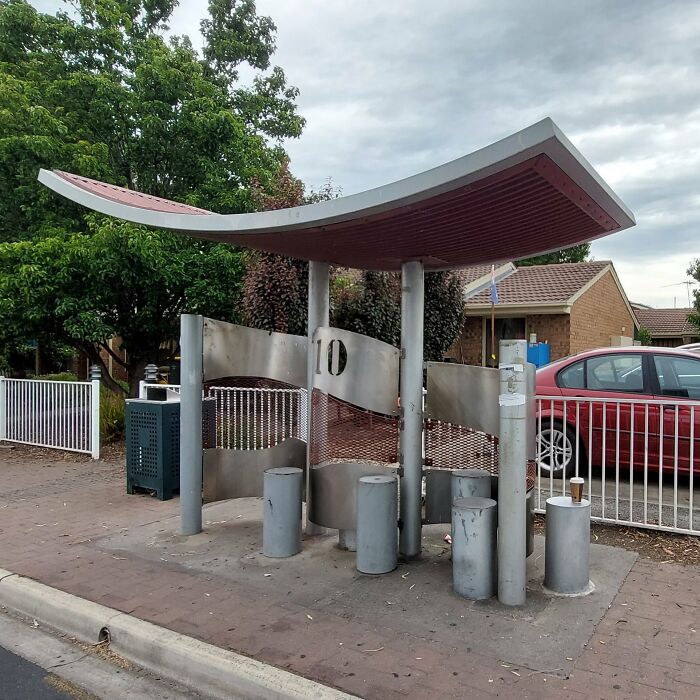
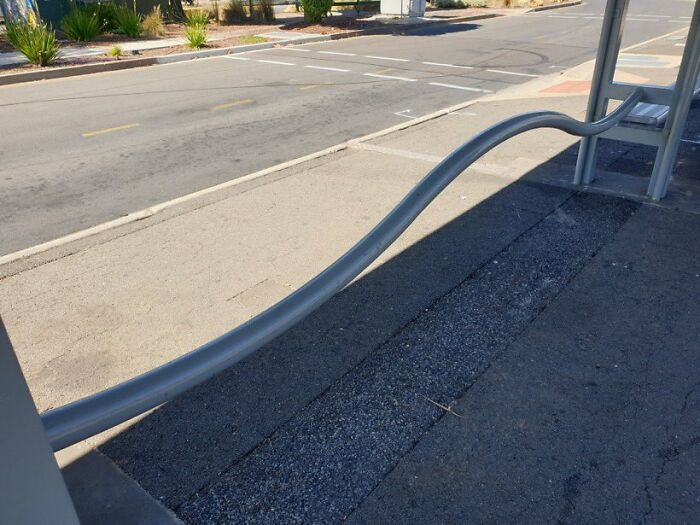
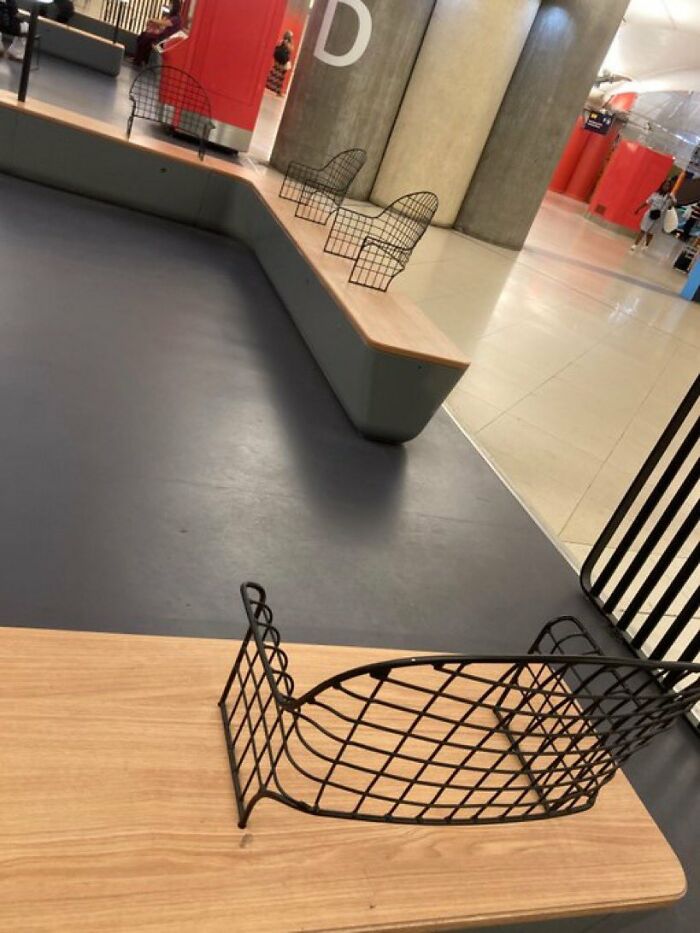
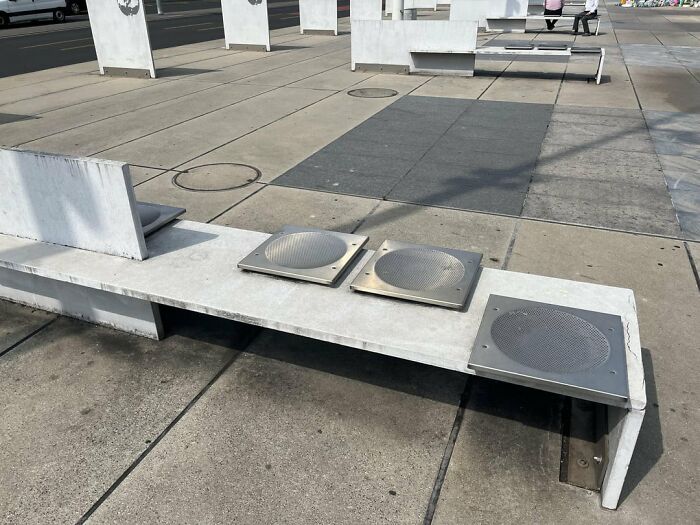
The X account ‘Hostile Design’ highlights examples of these questionable “solutions,” showcasing the many ways objects and spaces can work against people and communities.
More info: X
This post may include affiliate links.
Dieter Rams is a German industrial designer who has been involved with the consumer products company Braun, the furniture company Vitsœ, and the functionalist school of industrial design.
He was born in Wiesbaden, Germany, in 1932 and was strongly influenced by his grandfather, a carpenter. Rams's early success in carpentry led him to train as an architect, as Germany was rebuilding in the early 1950s.
His design reflected that practical, human-centered mindset. To Rams, indifference to people and the reality in which they live is the cardinal sin in design.

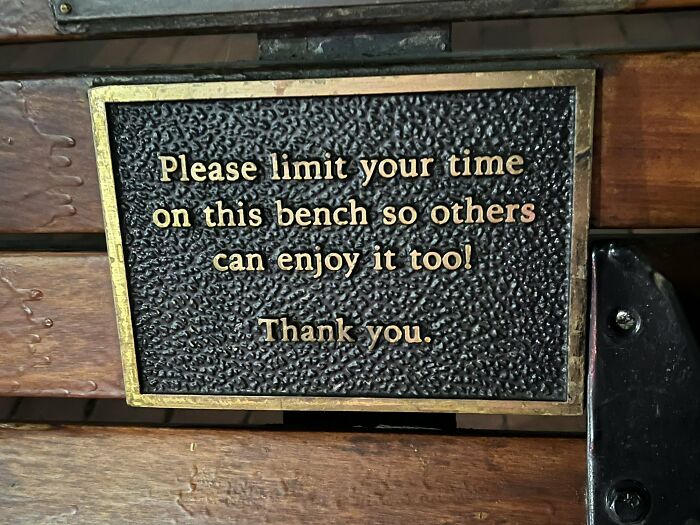
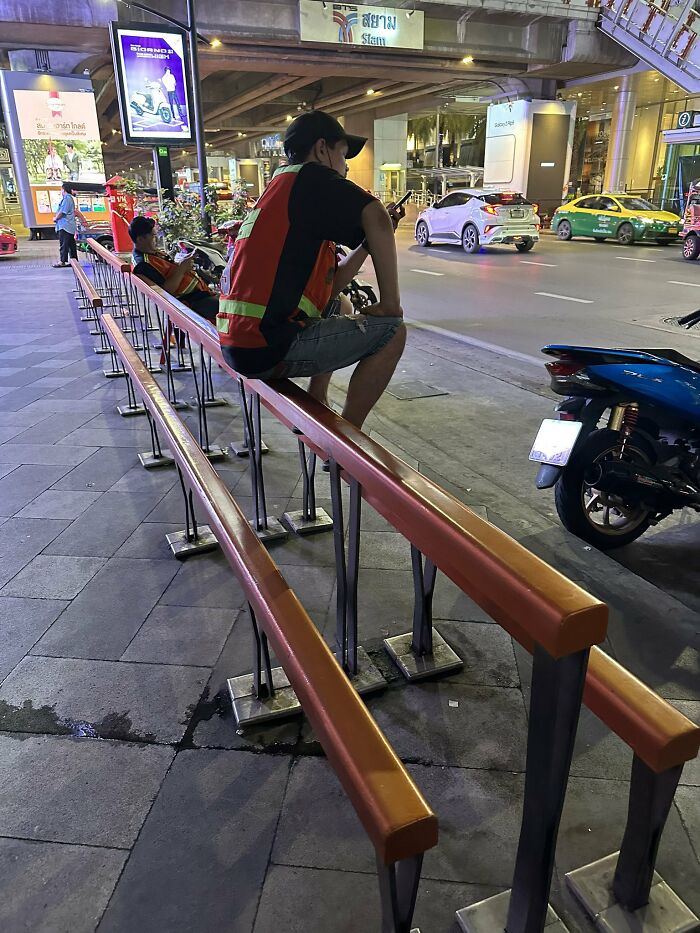
This would be perfect in Finland. To be honest, if that bench continued the whole way, people would only sit on the opposite ends at the same time.
Throughout his extensive career, Rams distilled his philosophy into the Ten Principles for Good Design. According to him, good design is:
The designs on this list violate quite a few of Rams' principles!
Tim Keane has led numerous city planning departments in the United States, including Charleston, South Carolina; Atlanta, Georgia; and Baltimore, Maryland.
"Our work in the U.S. to make better neighborhoods, towns and cities is a hapless and obdurate mess," he wrote in Scientific American.
According to Keane, far too often, city planning is approached as an engineering problem rather than a way of connecting people with the land.
"If you've attended a planning meeting anywhere, you have probably witnessed the miserable process in action—unrestrainedly selfish fighting about false choices and seemingly inane procedures," Keane said.
"Rather than designing places for people, we see cities as a collection of mechanical problems with technical and legal solutions. We distract ourselves with the latest rebranded ideas about places—smart growth, resilient cities, complete streets, just cities, 15-minute cities, happy cities—rather than getting down to the actual work of designing the physical place. This lacks a fundamental vision. And it's not succeeding."
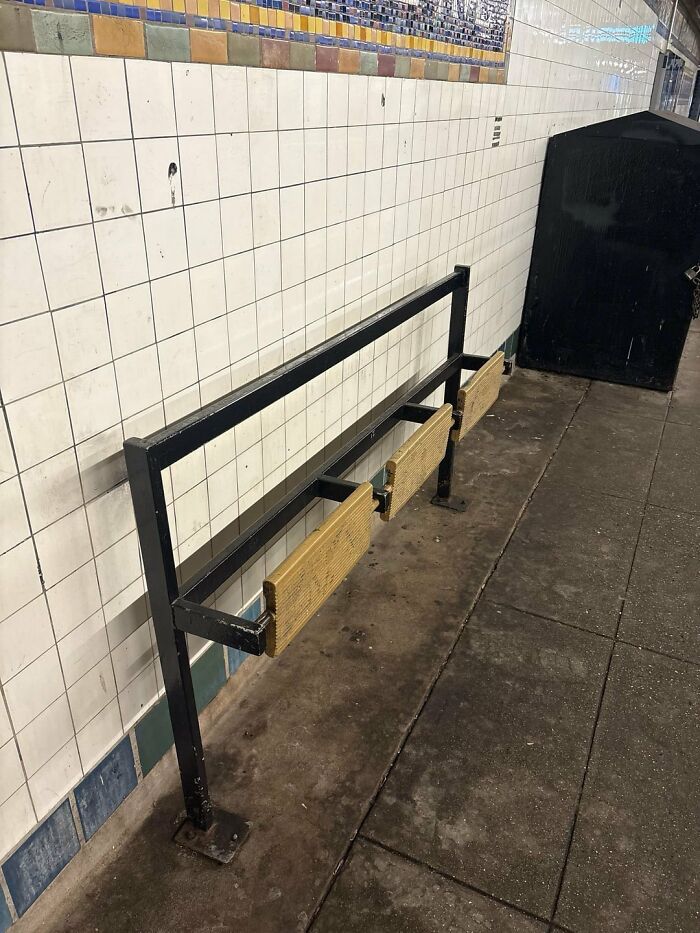
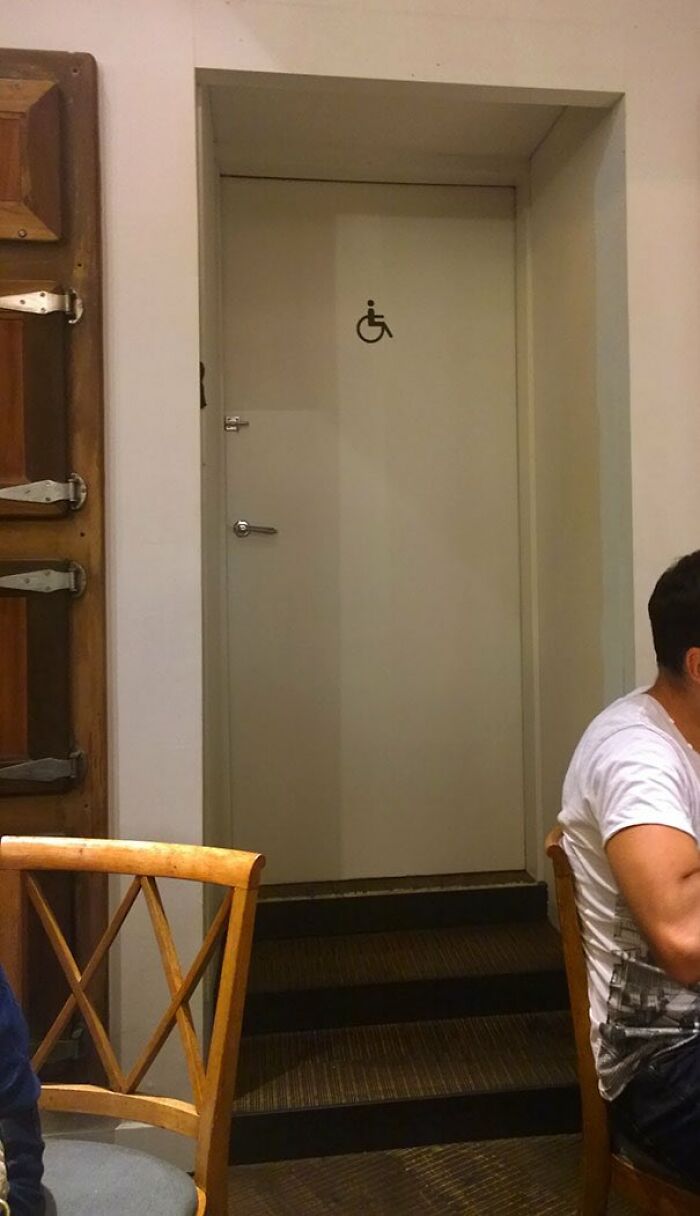
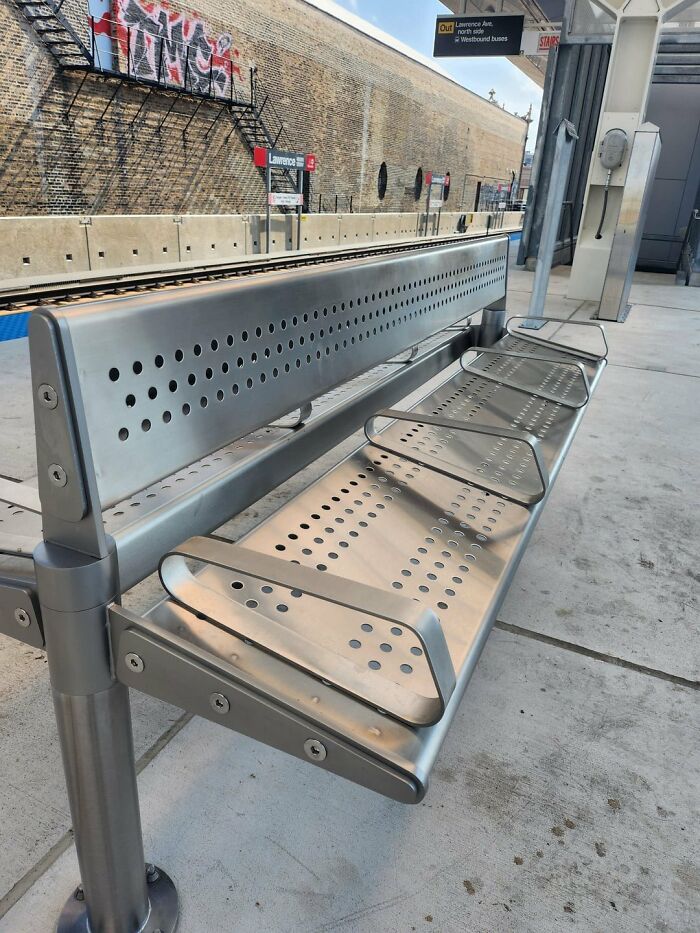
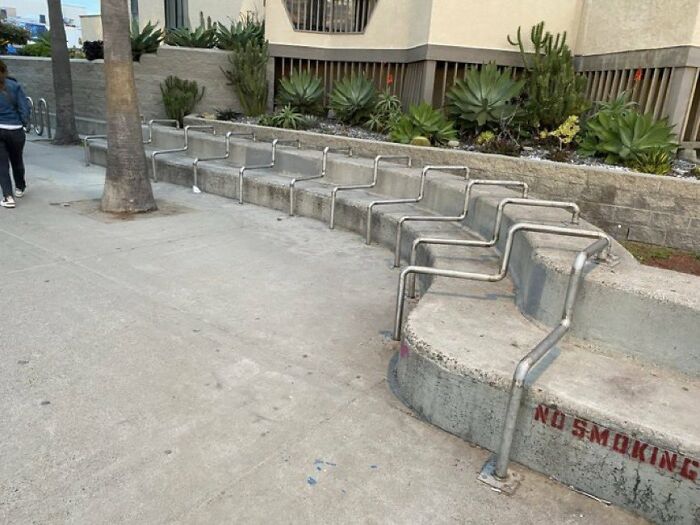
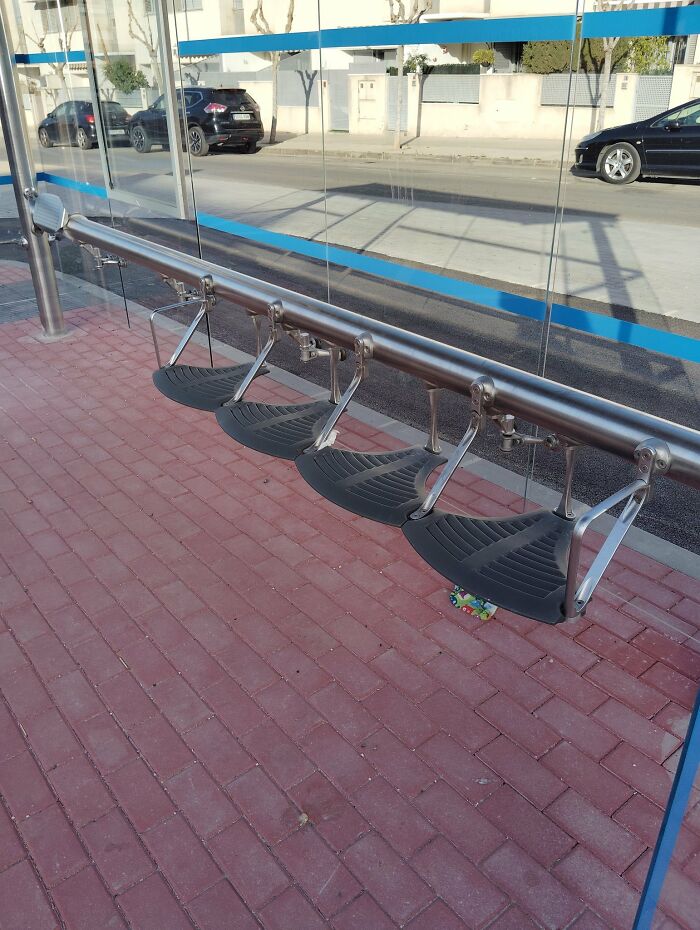
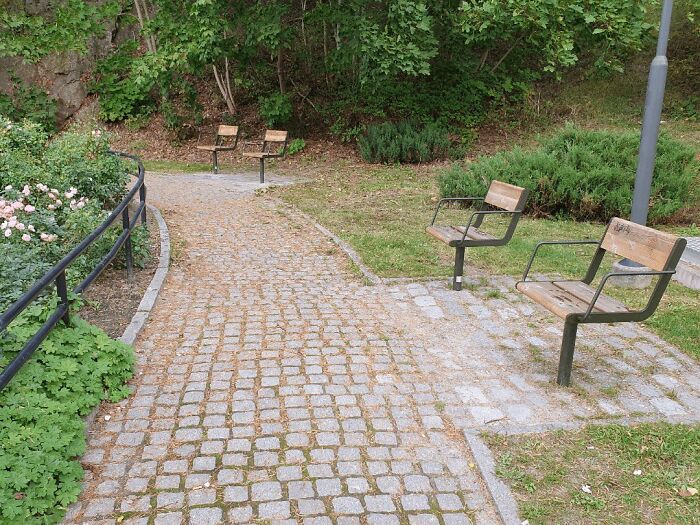
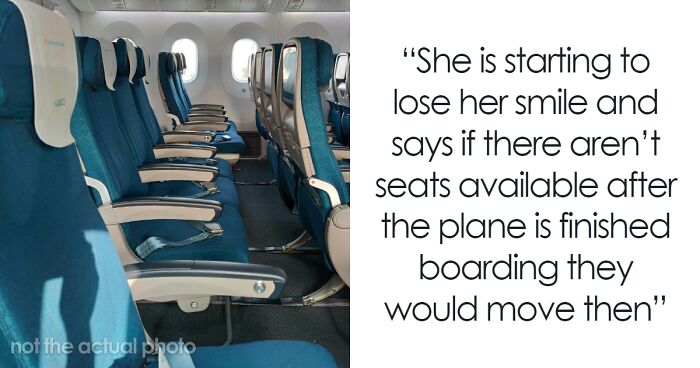
Now this I like. Different people different heights. With a disabled access one at the end. Do you think they could make short flight airplane seats like these?
Keane believes that in the United States, the flawed approach to city planning started a century ago.
"The first modern city plan was produced for Cincinnati in 1925 by the Technical Advisory Corporation, founded in 1913 by George Burdett Ford and E.P. Goodrich in New York City. New York adopted the country's first comprehensive zoning ordinance in 1916, an effort Ford led," he explained.
"Not coincidentally, the advent of zoning, and then comprehensive planning, corresponded directly with the great migration of six million Black people from the South to Northern, Midwestern, and Western cities. New city planning practices were a technical means to discriminate and exclude."

It just horrifies me that we don't want homeless people to even have a place to lie down. I find this really distressing. Why are we so cruel?
Keane said that to this day, decision-makers argue for months or years about each project and are never satisfied. "What distinguishes city planning from other pursuits is its concentration on the whole community. We have become dreadful at this."
"Moving from project to project, or zoning case to zoning case, is not what differentiates planning; the administrators and lawyers can handle that. Exceptional solutions to our biggest city planning problems, such as housing affordability and climate resilience, will never be achieved piecemeal," he added.

This first comprehensive plan also ushered in what Keane calls city planning dehumanization by formula. To justify widening downtown streets by cutting into sidewalks, engineers used calculations that reflected the cost to operate an automobile in a congested area—including the cost of a human life, because crashes took lives.
Engineers also worked out the value of a sidewalk through a formula based on how many people the elevators in adjoining buildings could deliver at peak times. In the end, Cincinnati's planners recommended widening the streets for cars, which were becoming more common, by shrinking sidewalks. "City planning became an engineering equation, and one focused on separating people and spreading the city out to the maximum extent possible," Keane said.

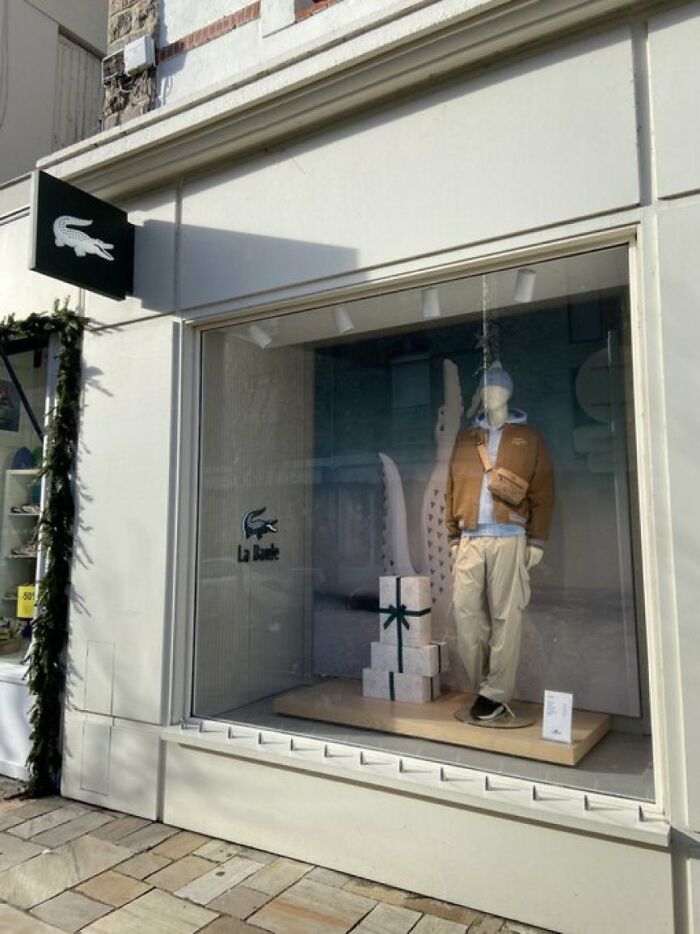
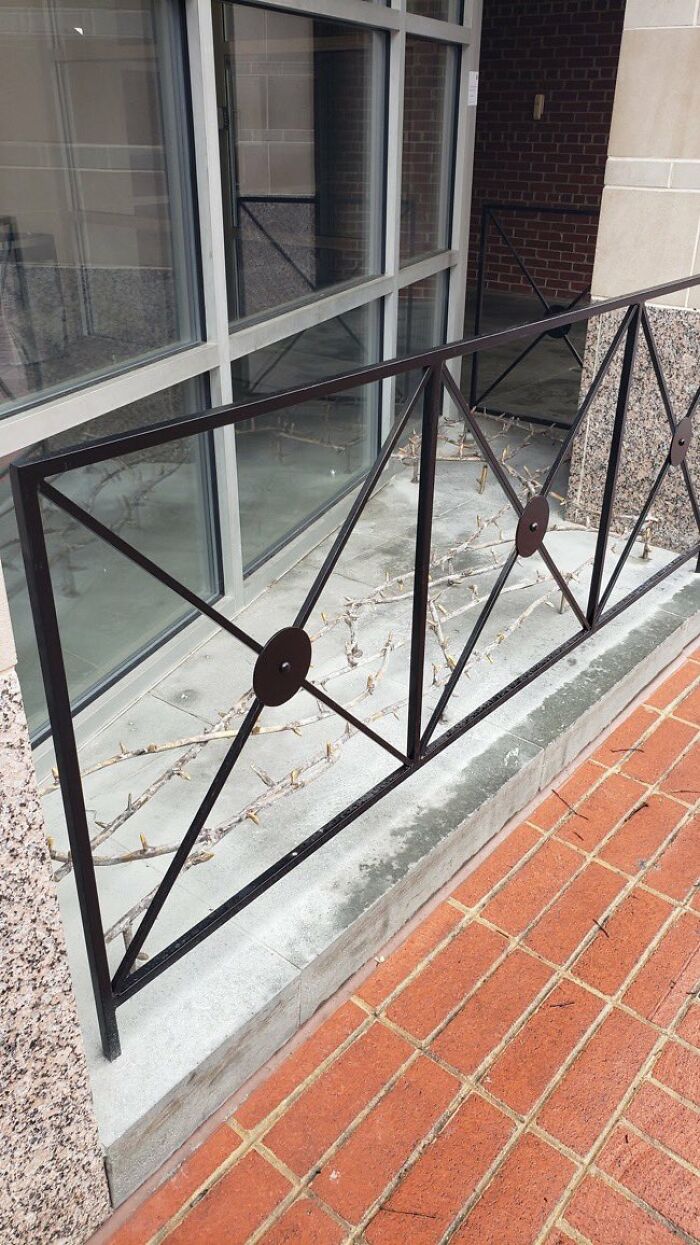
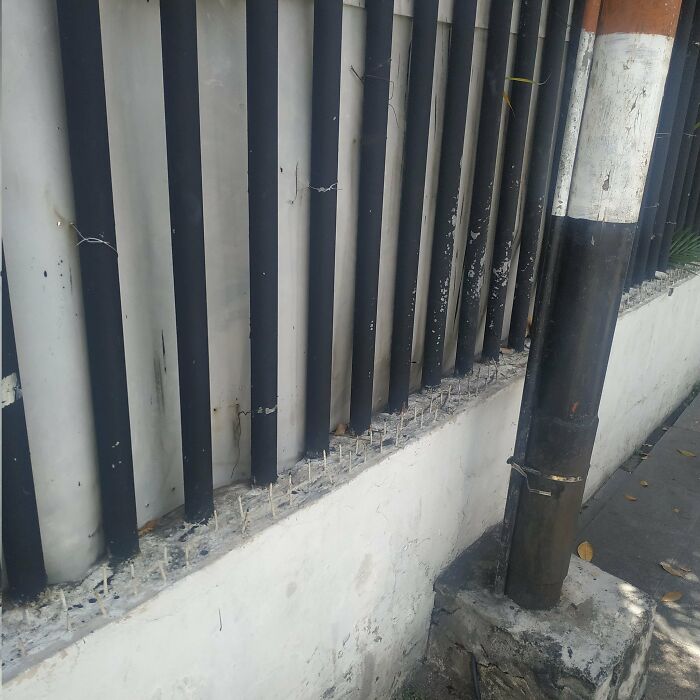
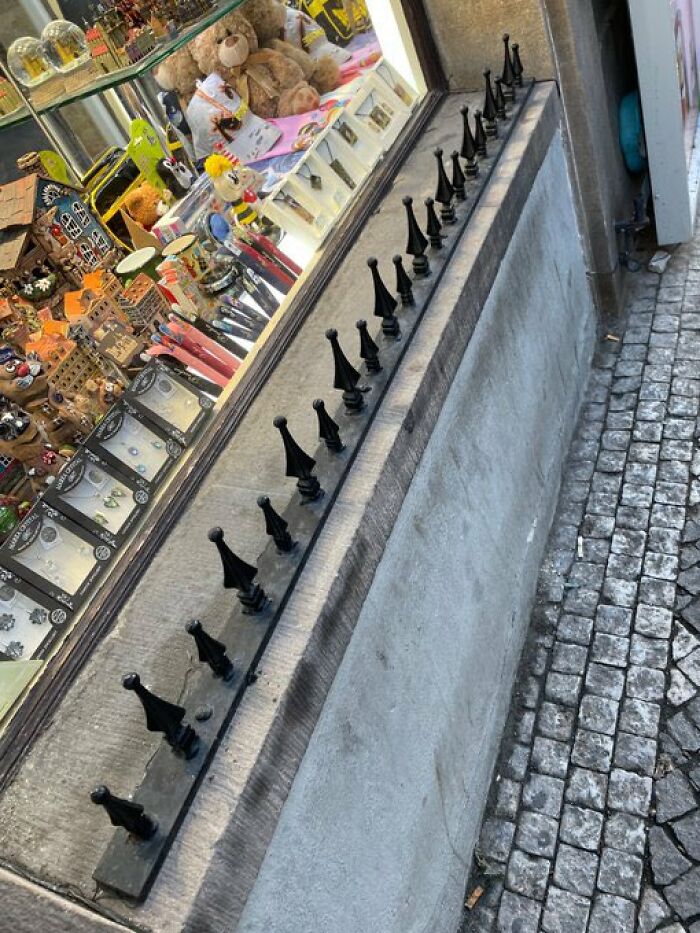
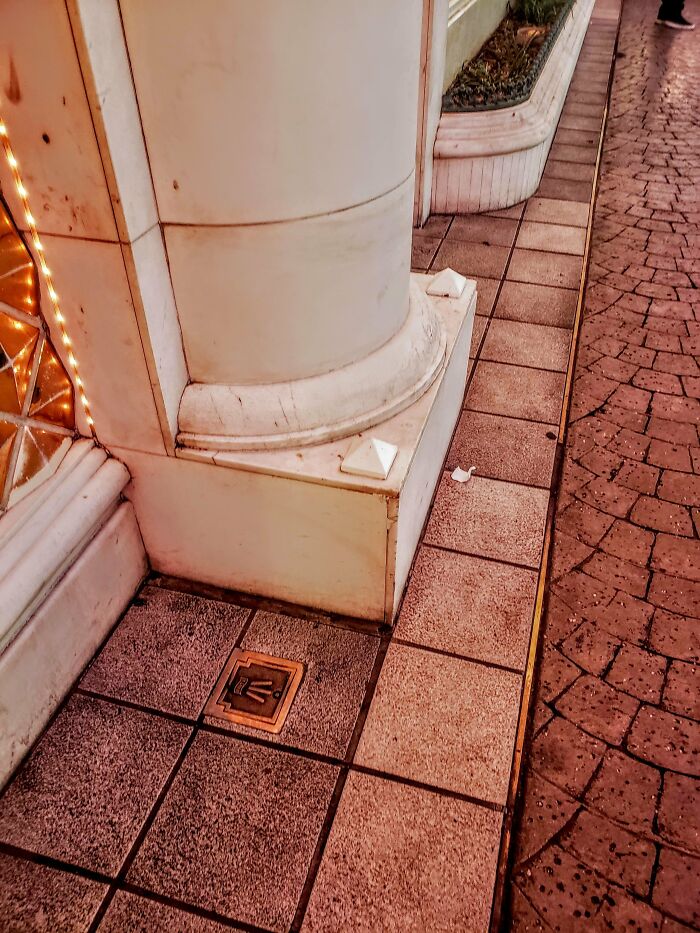
I get this, they domt want people sitting on the sill and blocking the window display.
Keane said that to this day, decision-makers argue for months or years about each project and are never satisfied. "What distinguishes city planning from other pursuits is its concentration on the whole community. We have become dreadful at this."
"Moving from project to project, or zoning case to zoning case, is not what differentiates planning; the administrators and lawyers can handle that. Exceptional solutions to our biggest city planning problems, such as housing affordability and climate resilience, will never be achieved piecemeal," he added.
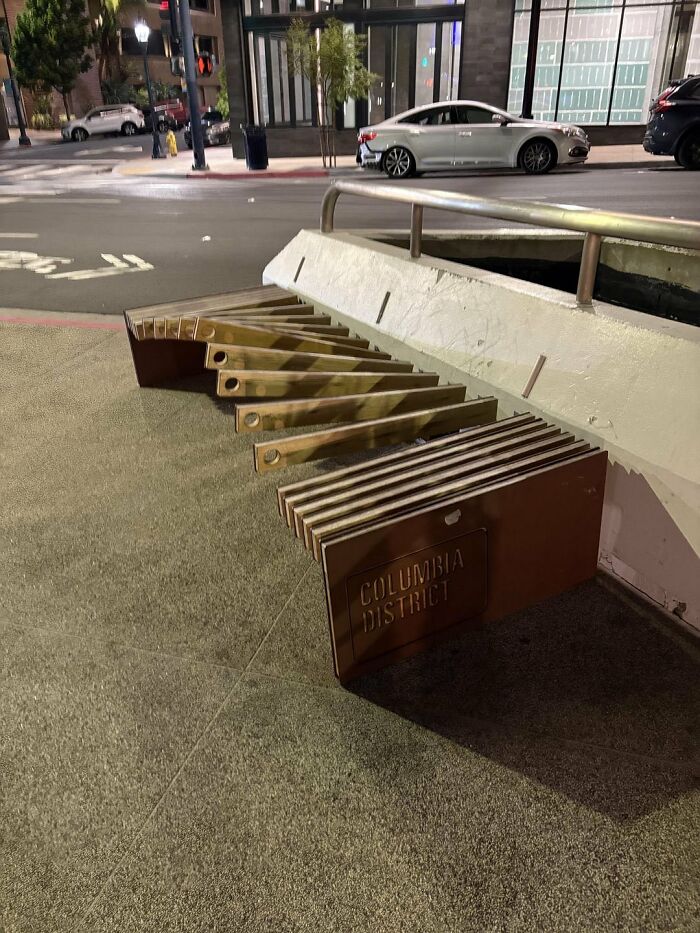
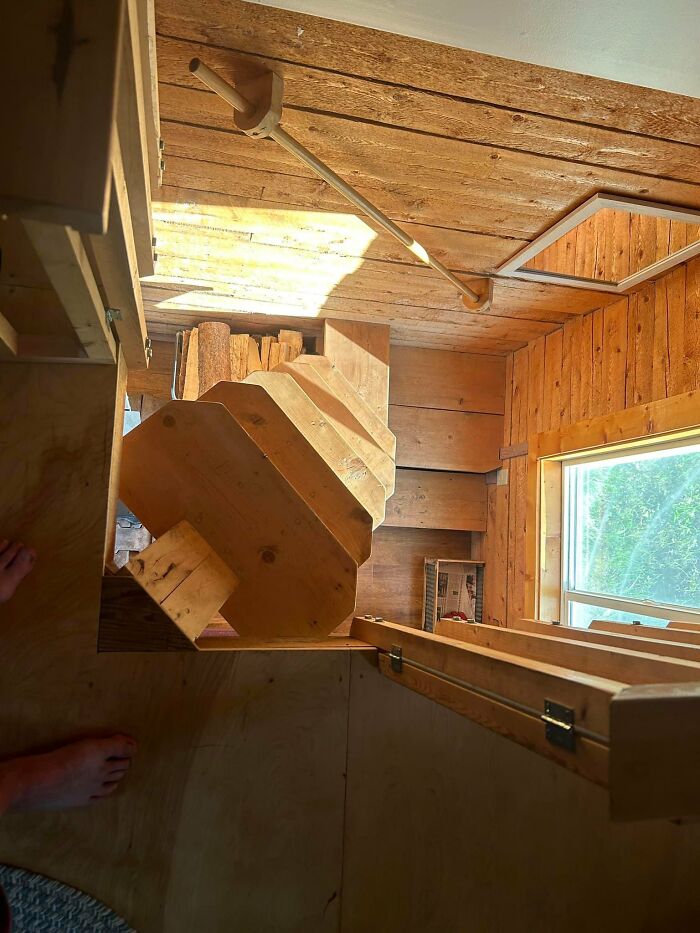
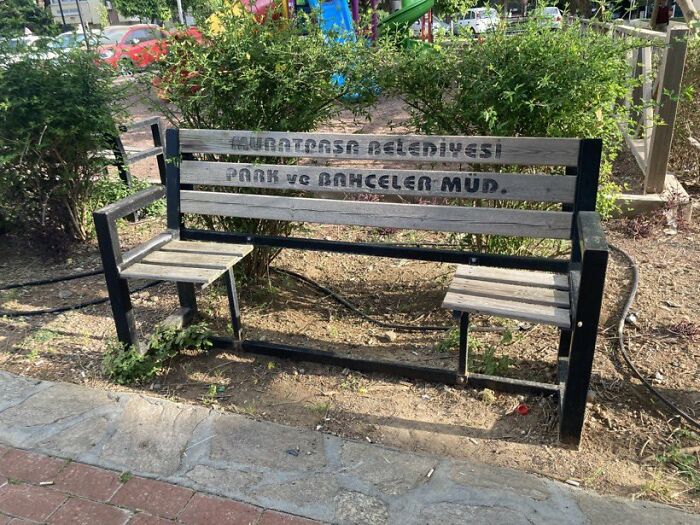
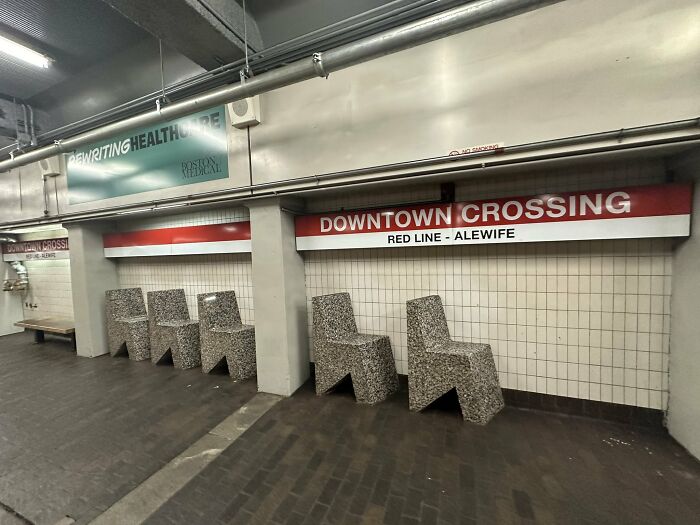
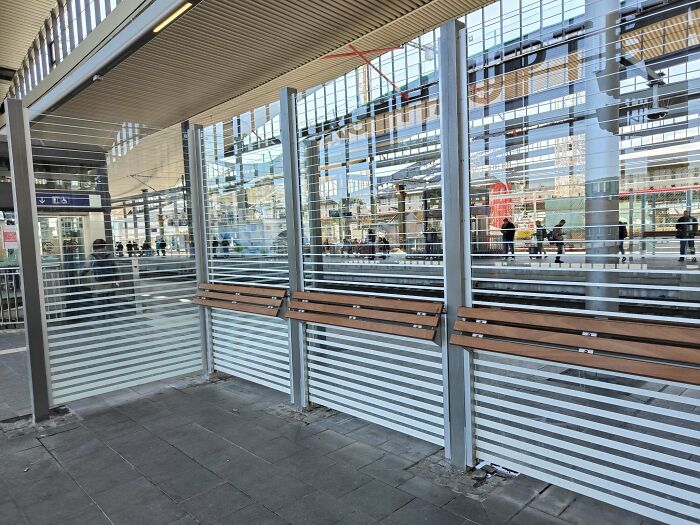
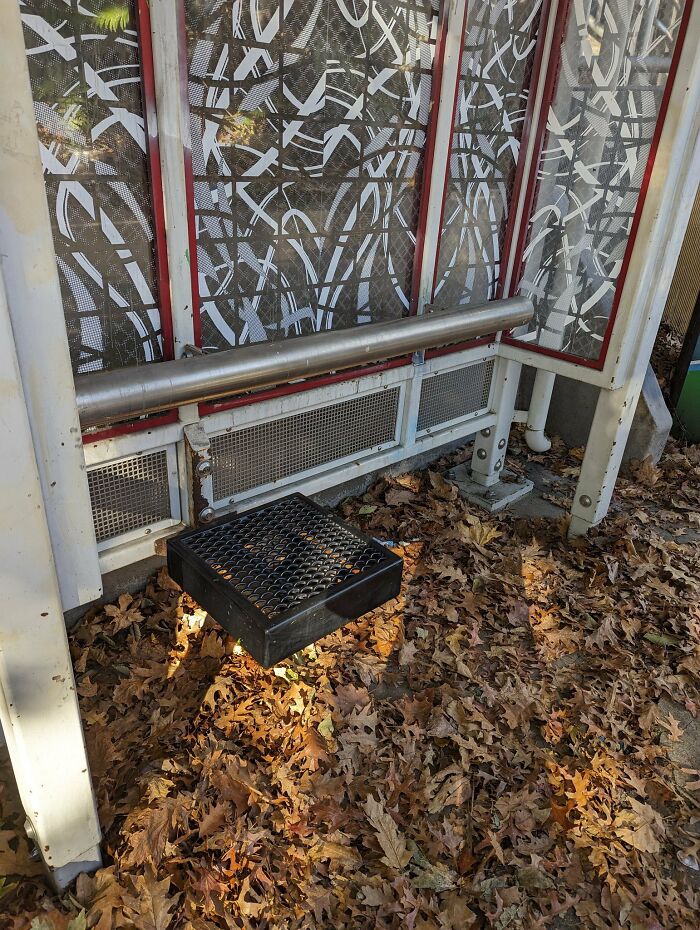
This one has me stumped. How are those seats stable under even a normal adult body weight load?
Muratpaşa is a township in Antalya in Turkey. Very HOT and humid climate in summer and before AC became widely available even people with homes frequently slept outdoors.
So what's the solution? Keane thinks cities should go for design-based, community-scaled solutions. We must grow within our existing places rather than sprawl, which has ruined too much land, generated too many greenhouse gas emissions, and wasted too much time as we drive for every simple thing. The city and all its neighborhoods must get better for the people in them.
"We need to design physical cities to be more enriching and distinguished. The degree to which a city becomes more equitable and resilient has to do with its physical attributes. How the physical city changes determines the degree to which we can deal with housing affordability, mobility, and climate adaptation," the urban planner said.

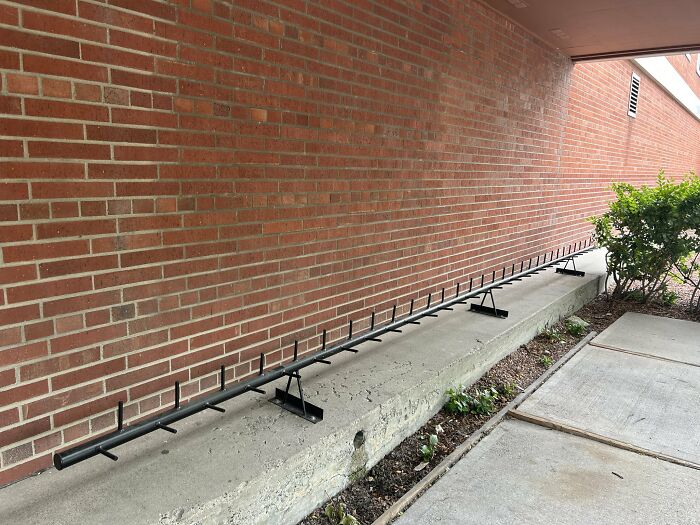
This is a long, black bicycle parking rack mounted on a concrete platform in front of a brick wall. The rack features vertical posts to support the wheels of many bicycles at once.
"Hope and action lie not in furthering our most destructive national obsession of consuming more land and greater resources, compounded by procedural and administrative waste," Keane concluded.
"Only by committing ourselves to acknowledge, atone, repair and restore, as we design cities as physical space, is there any chance for being in relation with each other, with nature and with the land."

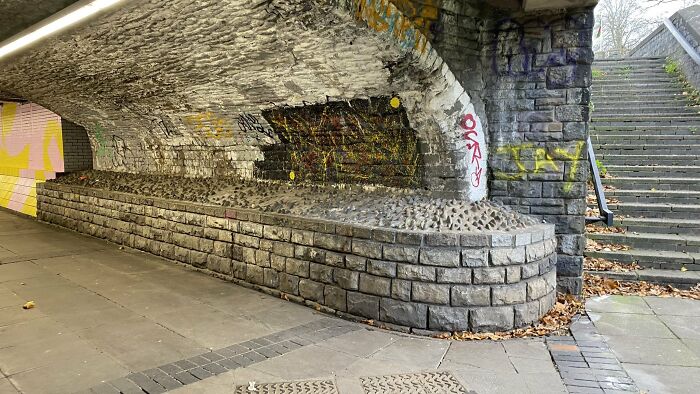
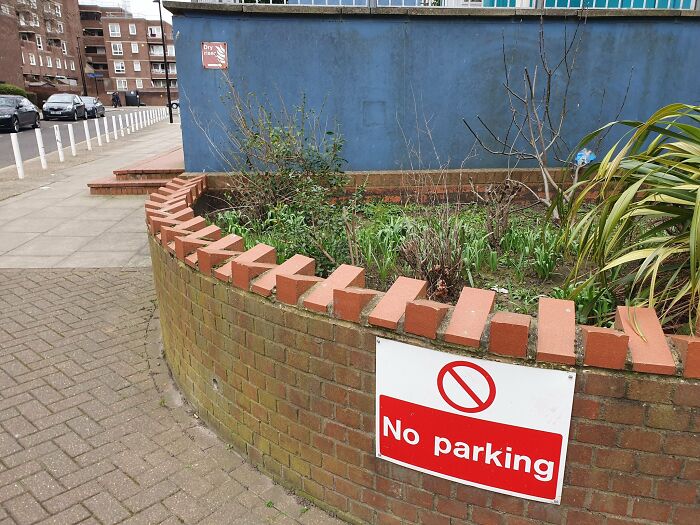
Is this in Rainy Britain? Because it sure wouldn't be popular in Sunny Arizona.
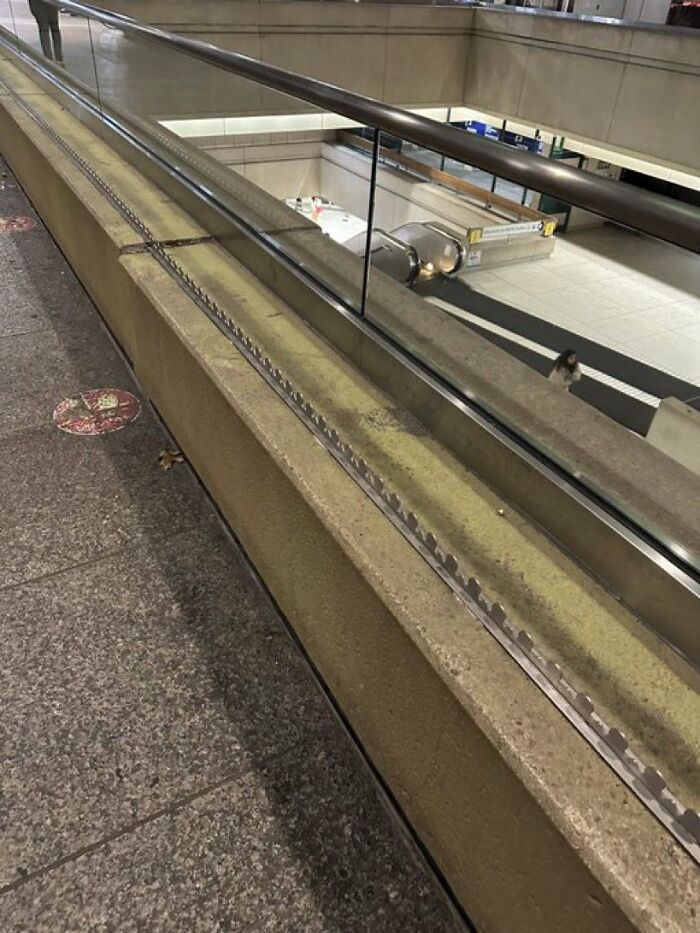
This is a public memorial. It is not intended for sitting, lying down, or skateboarding. The spikes are not sharp, but they prevent damage

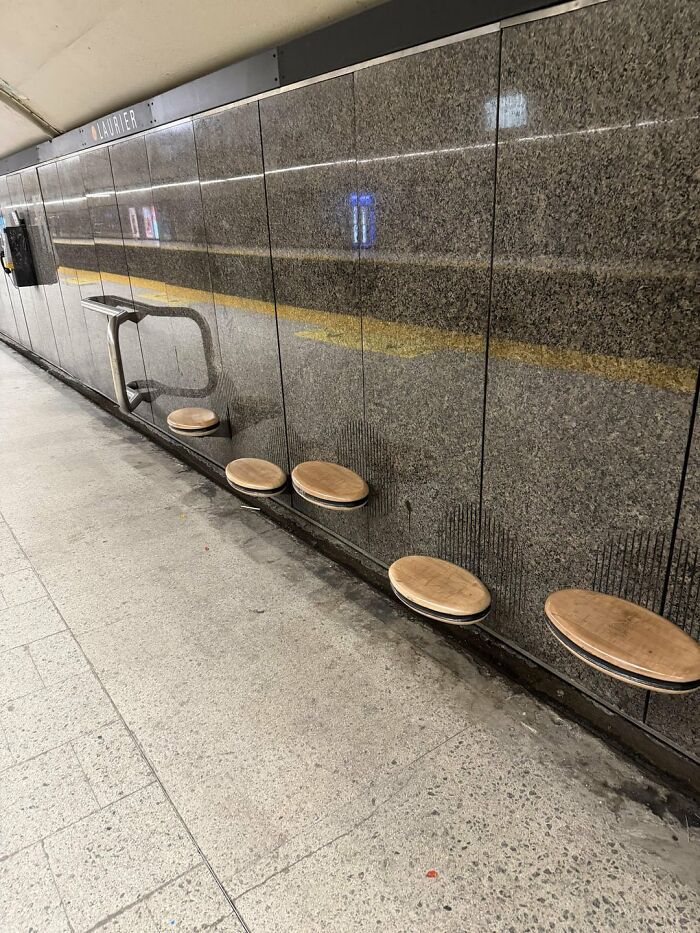
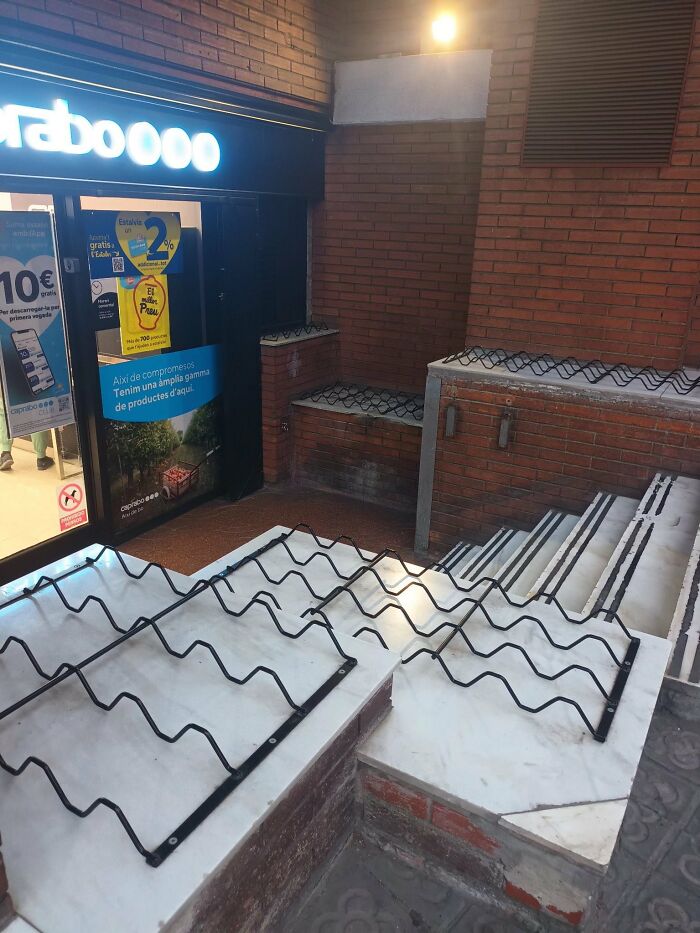
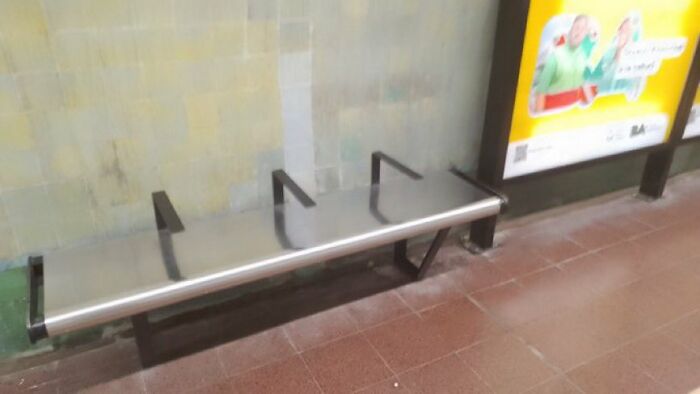
Keeps people from moving or taking chairs, is a thought, this being inside makes think it's not a sleeping issue
The ledge is so narrow that this doesn't feel hostile to anything but birds.
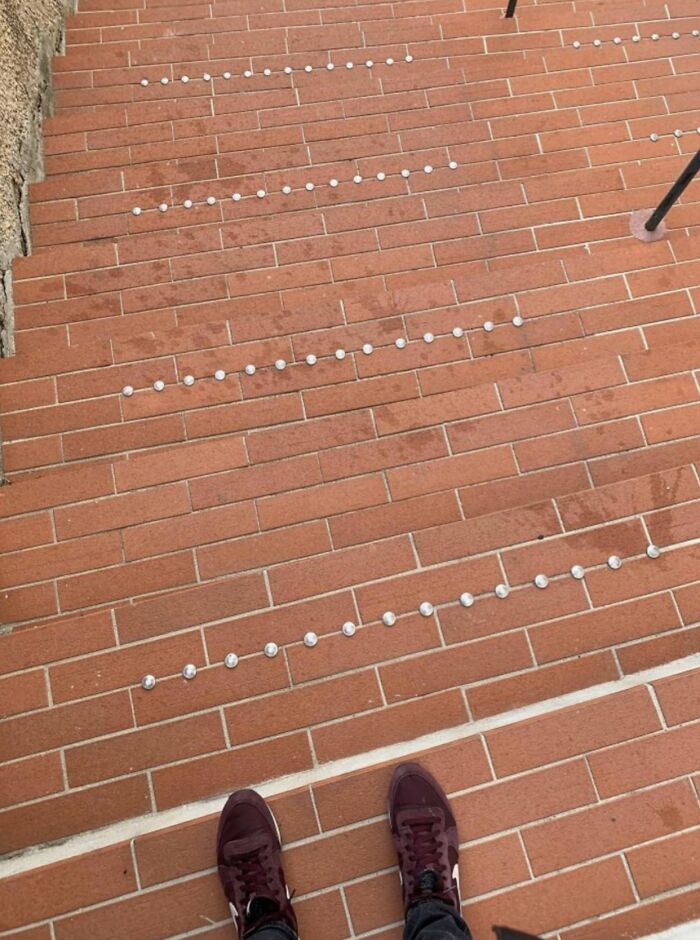
Nothing hostile with this one either. It's not ment for seating,but standing.
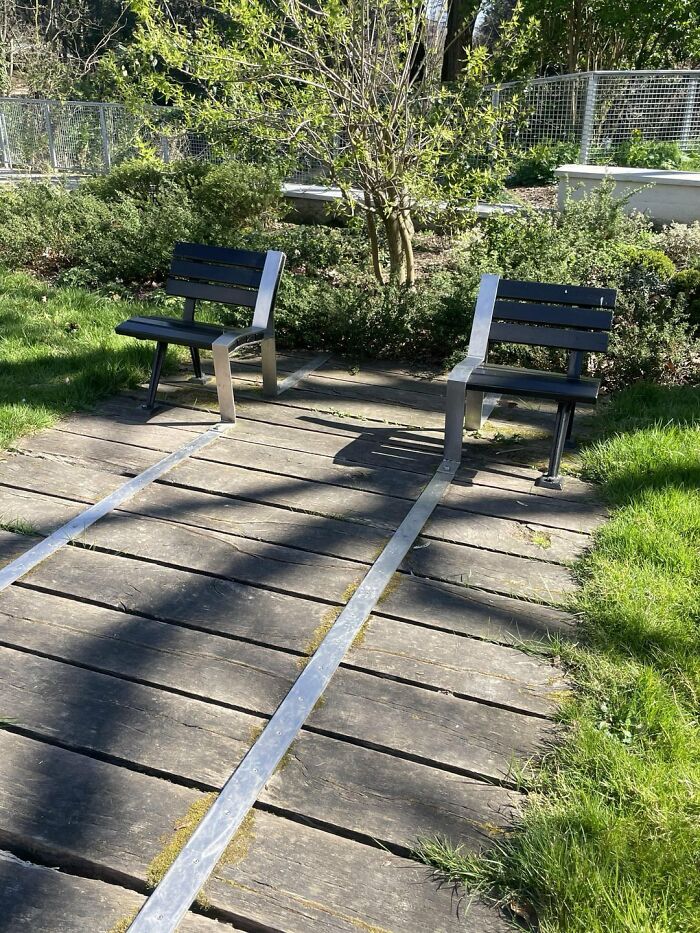
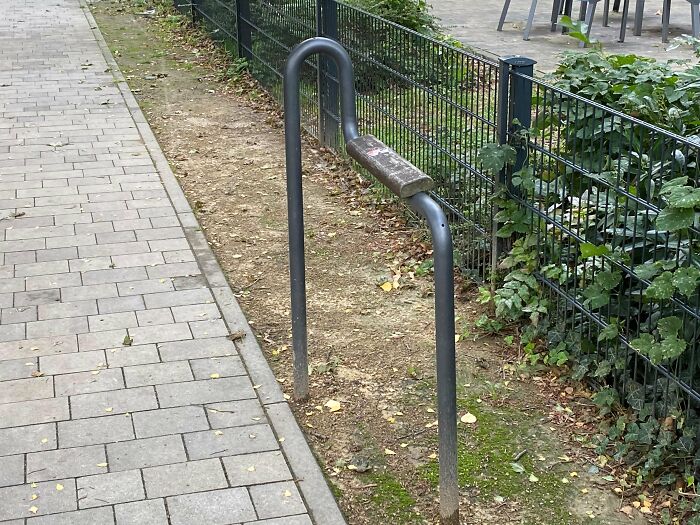
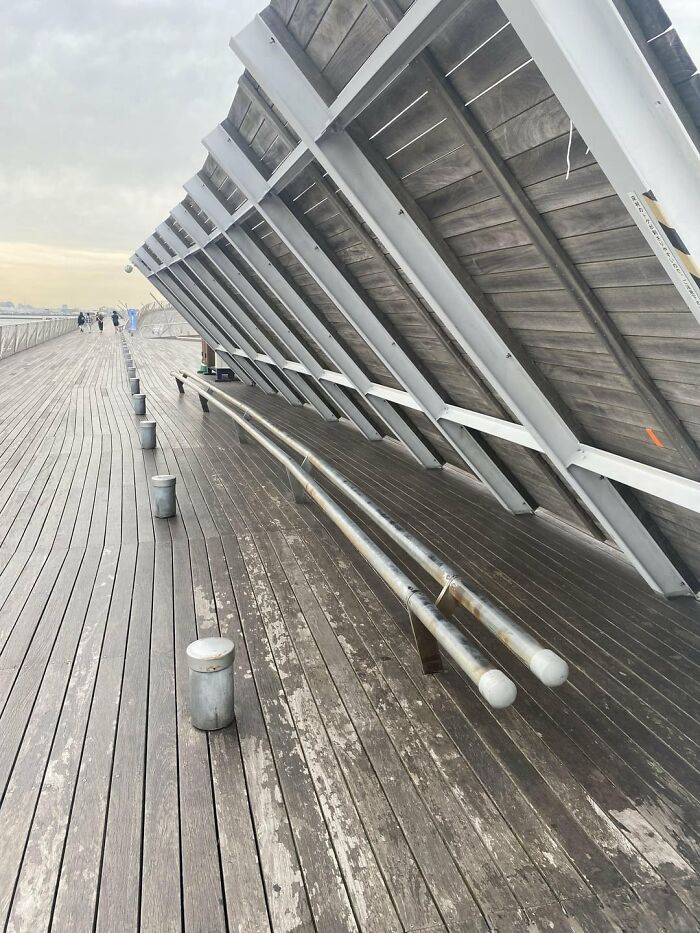
This is a bench made of two metal pipes at Osanbashi Pier in Yokohama, Japan. The structure serves as part of the ferry terminal's outdoor area. It is designed with a wavy wooden deck that functions as a rooftop terrace. The bench is not intended for lying or sitting, but for leaning against.
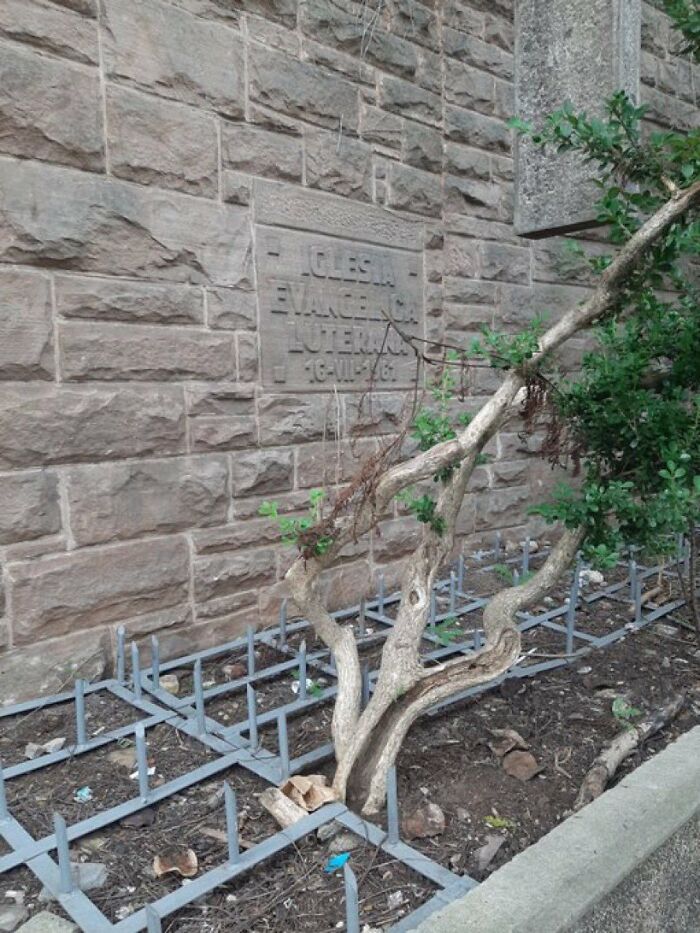
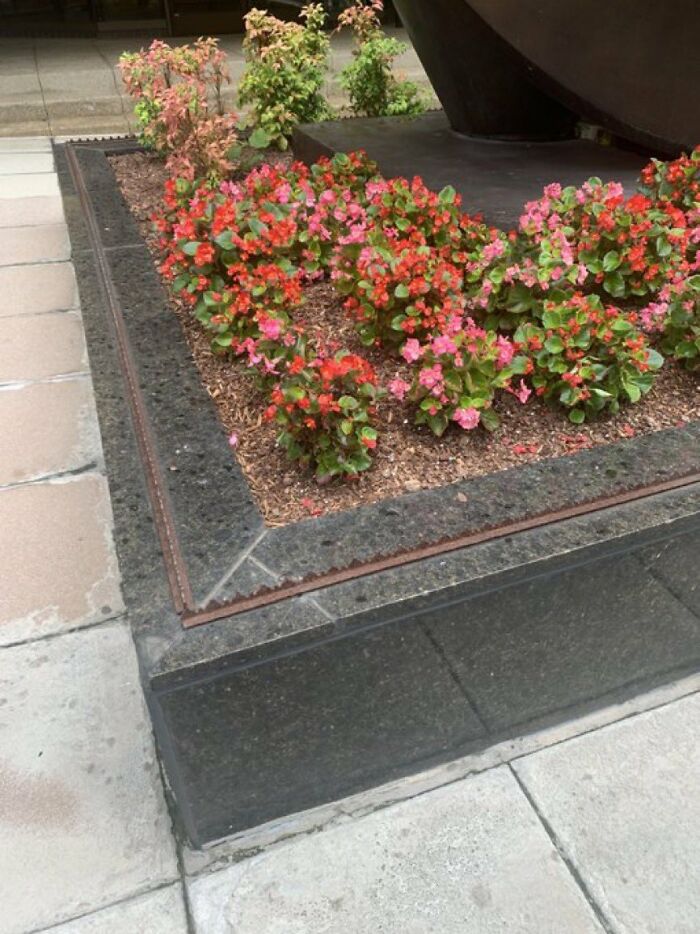
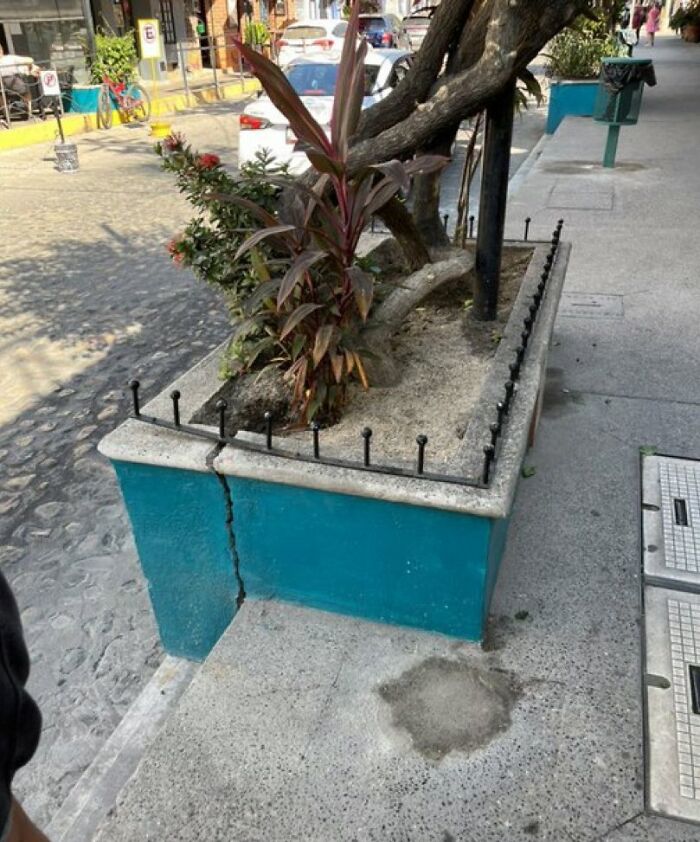
And from the size of that crack, I'd say even the plants aren't comfortable.

these aren't designers "forgetting", it's intentional design to make it as uncomfortable as possible for (mostly) homeless people to relax or sleep or loiter in these areas


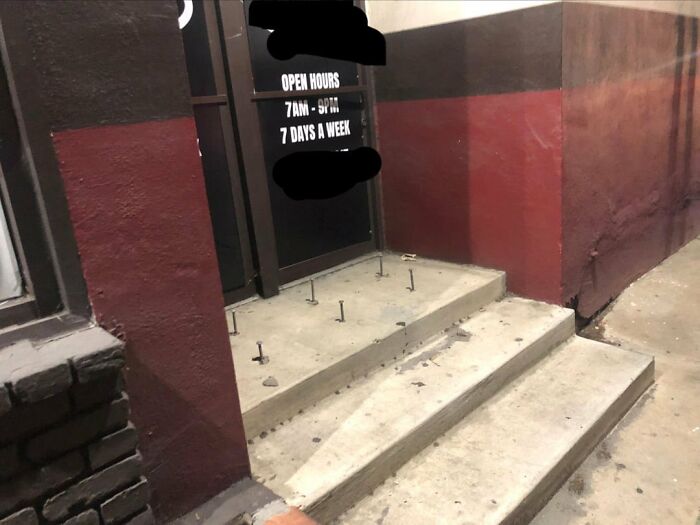
OK - hold on everyone - yes, a lot of these are anti homeless, discouraging loitering, etc. However, some of them, like the ones directly in front of businesses doors and windows...I don't blame the business owner for discouraging people living and/or sleeping in their doorway or whatever. What are they supposed to do? Just allow people to loiter/sleep/live in front of your shop entrance and window displays? The police won’t do anything and if they do, either the people come right back or are simply replaced by others. I’m not going to get into a whole thing with you but I’m born and raised in Portland, Oregon and I know what I’m talking about. Don’t always be so quick to judge.

Get in losers, we're going to correct some hostile architecture.
these aren't designers "forgetting", it's intentional design to make it as uncomfortable as possible for (mostly) homeless people to relax or sleep or loiter in these areas
OK - hold on everyone - yes, a lot of these are anti homeless, discouraging loitering, etc. However, some of them, like the ones directly in front of businesses doors and windows...I don't blame the business owner for discouraging people living and/or sleeping in their doorway or whatever. What are they supposed to do? Just allow people to loiter/sleep/live in front of your shop entrance and window displays? The police won’t do anything and if they do, either the people come right back or are simply replaced by others. I’m not going to get into a whole thing with you but I’m born and raised in Portland, Oregon and I know what I’m talking about. Don’t always be so quick to judge.
Get in losers, we're going to correct some hostile architecture.














 No fees, cancel anytime