Get Premium
Dark mode theme is available exclusively for premium users. Learn more about the benefits of subscribing.
No fees, cancel anytime.

 Dark Mode Ad-Free Browsing Unlimited Content
 Ad-Free Browsing Unlimited Content Dark Mode
Join 1.2 million Panda readers who get the best art, memes, and fun stories every week!
If you're pretty, the whole world is at your feet – is that just an overly simplistic statement by insecure people or a universal truth about how unfair the world is? There is research to back up the latter. According to a 2023 study, attractive people can earn a salary that's 2.4% higher than that of "plain" people, proving that it pays to be attractive.
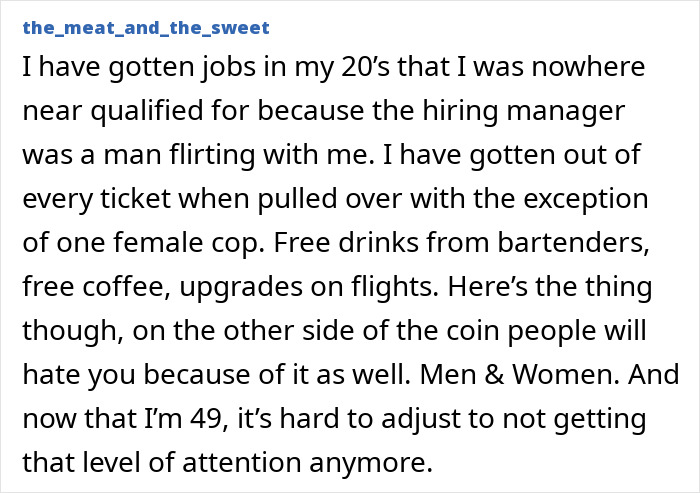
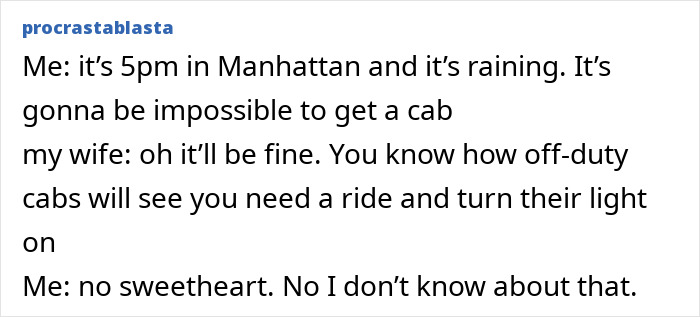
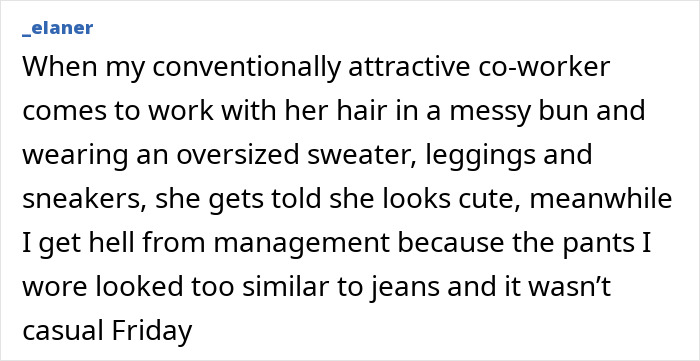
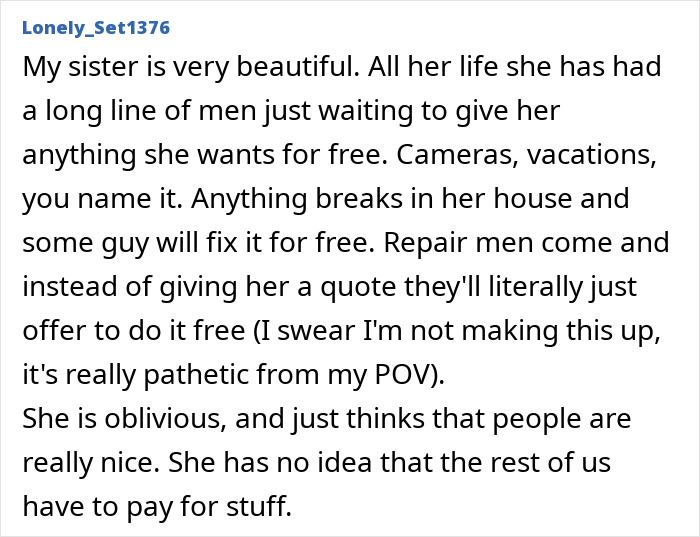
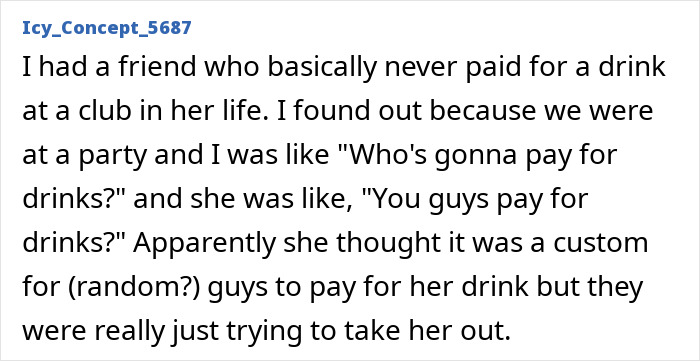
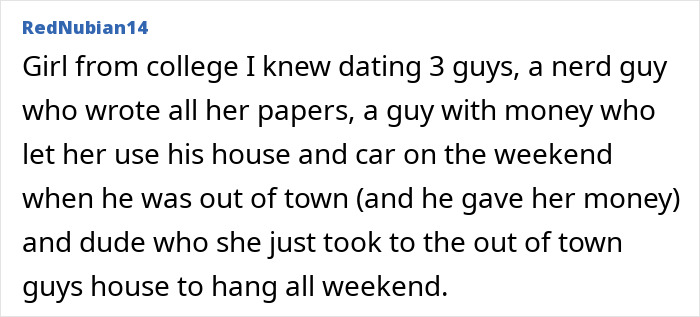
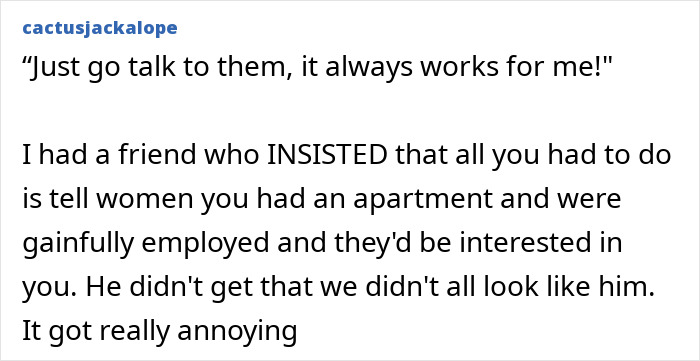
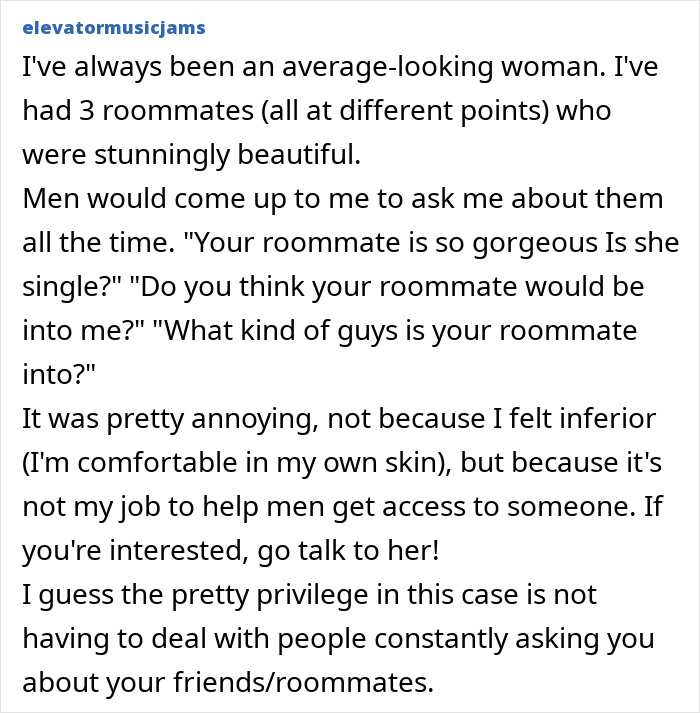
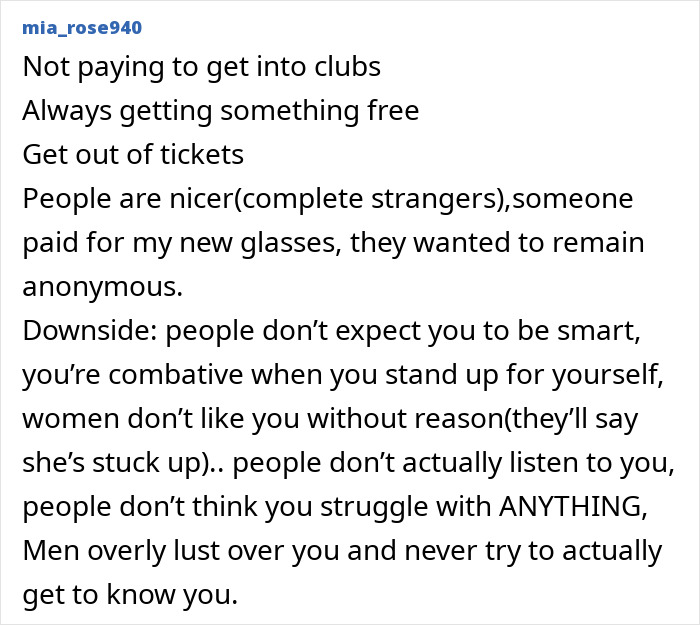
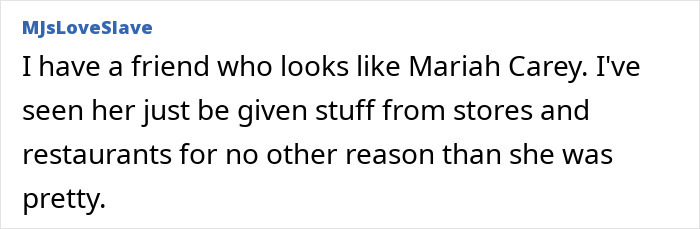
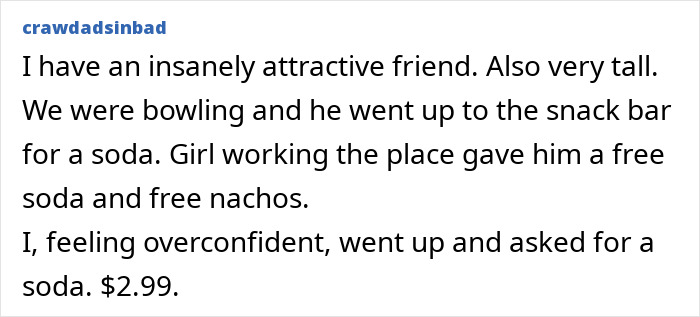
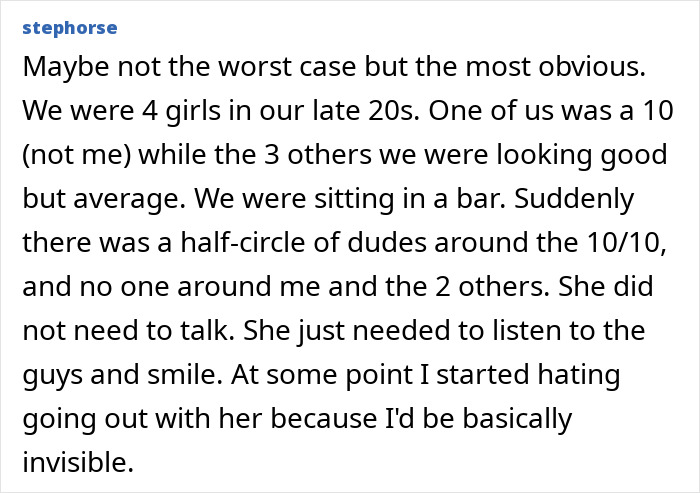
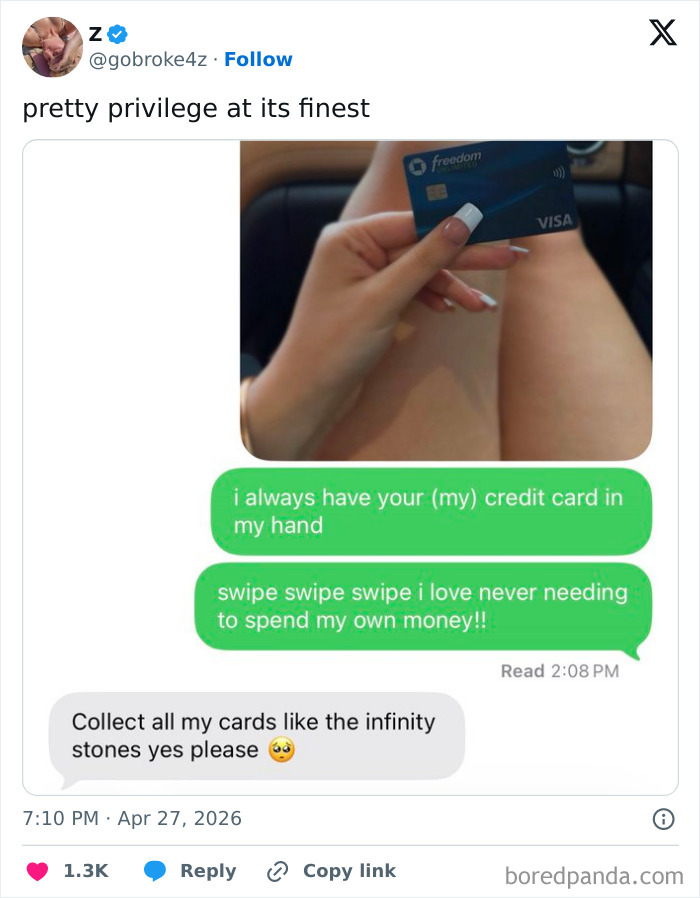
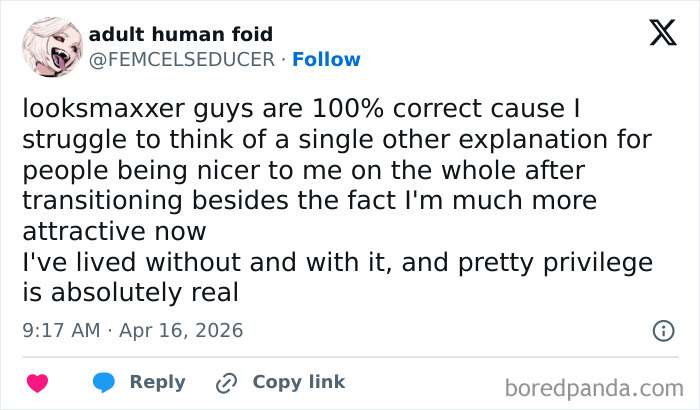
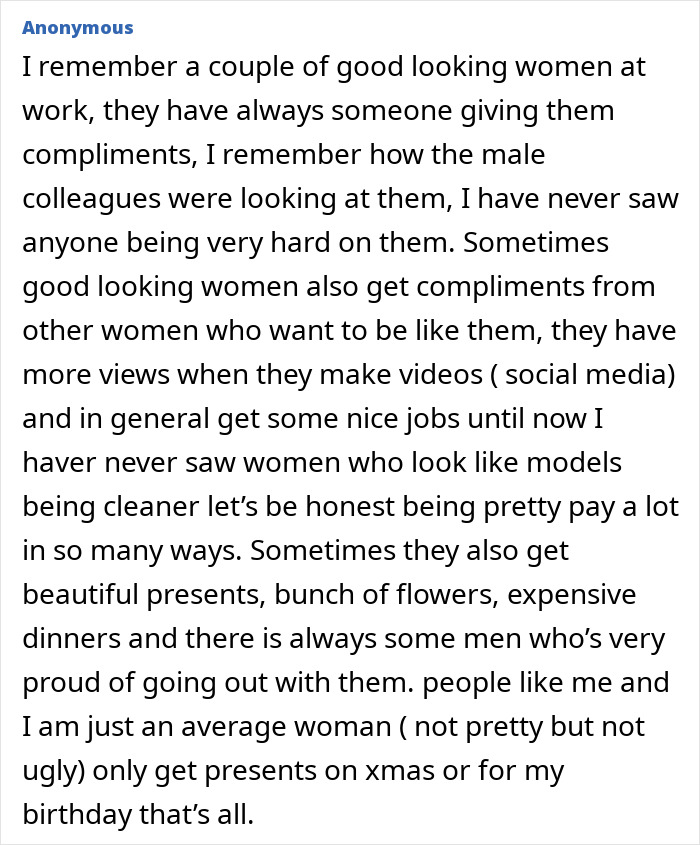
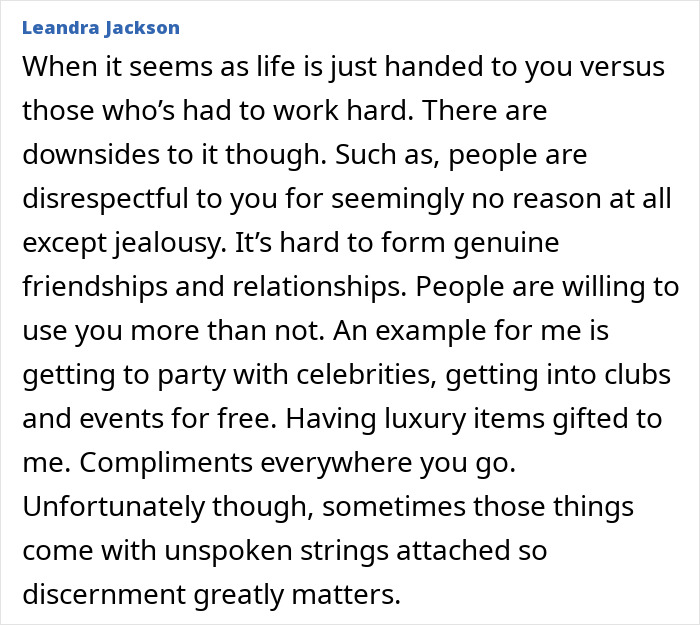
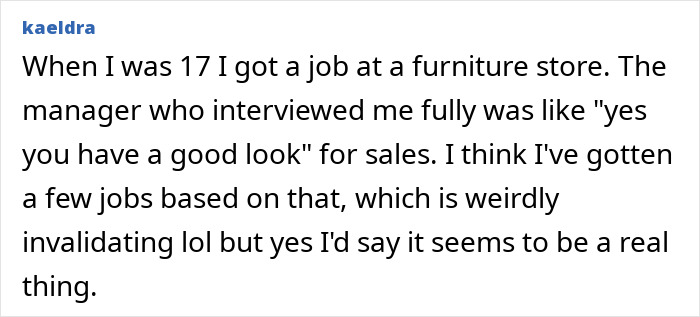
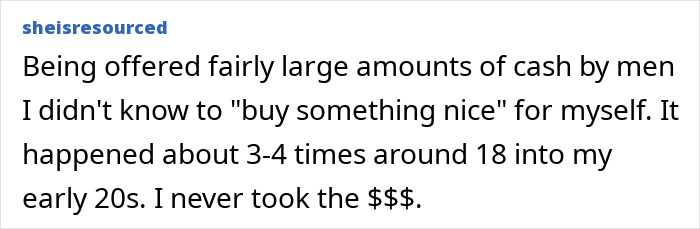
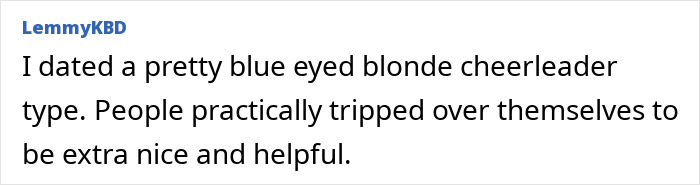
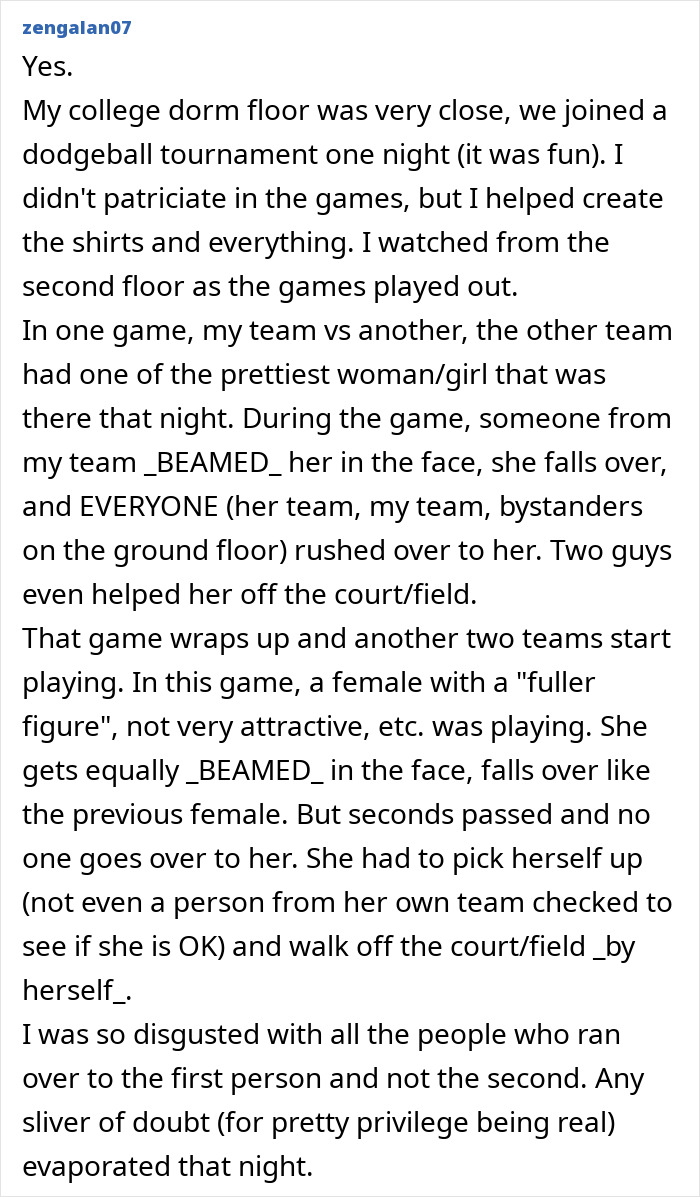
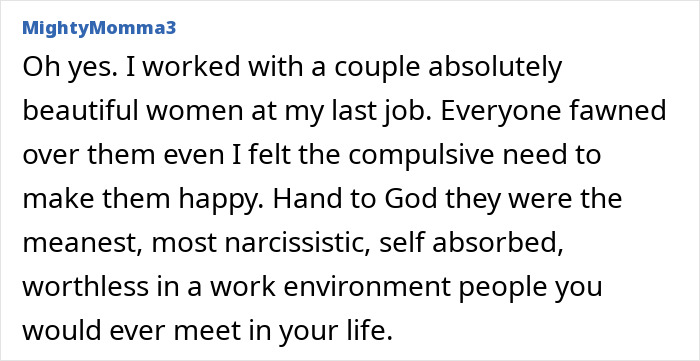
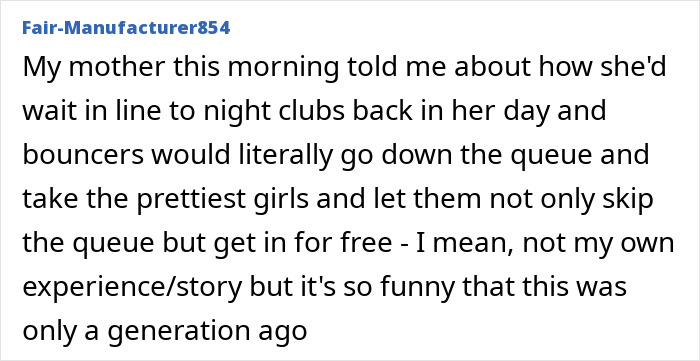
But money isn't the only thing that attractive people might get more of. Those who enjoy "pretty privilege" experience more benefits in all facets of life. Whether it's free drinks at a bar, calling a cab, or emotional manipulation, some things just come easier when you're deemed conventionally attractive. Bored Panda has found some first-hand stories from people who say that they have experienced "pretty privilege," and you can read the most surprising ones below.
This post may include affiliate links.
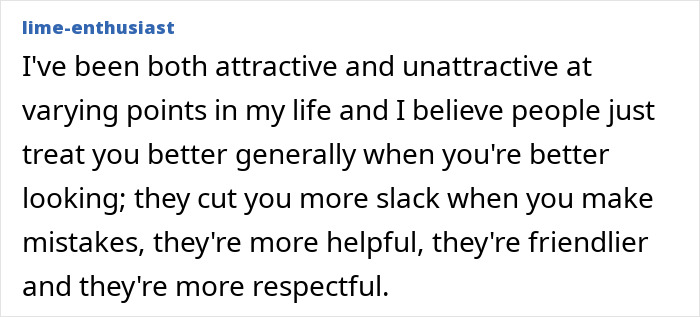
"Pretty privilege" is proof that we, humans, are visual creatures. For decades, sociologists have found that attractive people have more advantages in life than those who are deemed "plain" or unattractive. They're more likely to be hired for jobs, receive promotions, and get higher salaries.
Dario Maestripieri, Ph.D., a professor of comparative human development, evolutionary biology, and neurobiology at the University of Chicago, theorizes that this phenomenon is all about the desire for physical intimacy. He uses salesmen as an example: people buy things from them because they think it increases their chance of sleeping with them. One needs only to remember why Danny Cordray was the top salesman at Dunder Mifflin.
This might not make sense, but Maestripieri argues that it's how our brains are wired. "The male mind is designed in such a way when it comes to [intimacy] that heterosexual men will do anything to increase their chances to have [relations] with an attractive woman, no matter how small these chances are, and even if what they do only increases the probability from 0.01 to 0.015%," he writes for Psychology Today.
Women do it too, he argues, as it is an unconscious behavior. Most people are driven by the biological need to reproduce. It's undoubtedly weird that this need manifests in ways where we're more likely to give our money to people just because they're attractive, but hey, that's what pretty privilege is.

Treating you differently because they want to boink is not being "more respectful".
Beautiful people have an advantage even when they're borrowing money from the bank. A 2007 study found that attractive people are 1.41% more likely to receive a loan and be offered a lower interest rate by 81 basis points. However, this lending strategy often backfires on banks, as attractiveness does not correlate with creditworthiness. In fact, attractive people are three times more likely to default on their loans than their average-looking peers.

True but I'm afraid it's far more deeply embedded than that. Attractiveness is seen by the subconscious as "good mating stock" and we are still ruled by our instincts. In the wild, a female of any given mammal species will avoid sickly or weak males. In our species they do too but we have misogyny as well, which the animals haven't developed yet.
Attractiveness isn't always about physical traits. Daniel Hamermesh, a professor of economics at the University of Texas at Austin and author of the book Beauty Pays: Why Attractive People Are More Successful, told Business Insider that people are attracted to how a person carries themselves.
"Beauty may just reflect self-esteem," he posited. "Perhaps people's self-confidence manifests itself in their behavior, so that their looks are rated more highly, and their self-esteem makes them more desirable and higher-paid employees. [...] Beauty and the attractiveness of one's personality are positively related, and it is the general sparkle of one's personality, not one's beauty, that increases earnings."
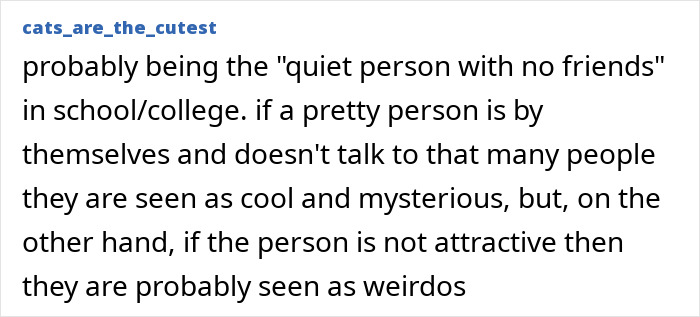
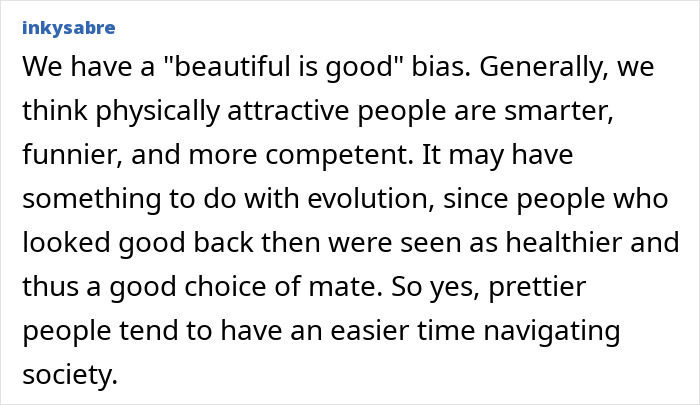
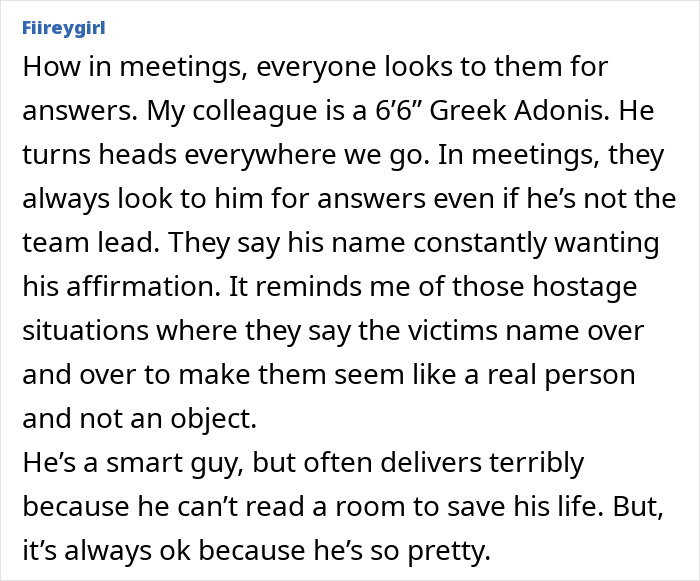
Attractive people also have the upper hand in many social situations. Psychologists call this the "halo effect." Essentially, we deem attractive people kinder, more trustworthy, and more intelligent even when we have no evidence to support these claims. In the 1920s, psychologist Edward Thorndike coined this term, explaining how we assume a person has more positive traits after perceiving a single positive quality.

The very serious downsides to 'pretty privilege' greatly outweigh any positives. Having to deal with men physically stalking you and becoming obsessed to the point where you are forced to get a protective order, changes how you move through the world. What makes everything worse is people assume you don't struggle with anything and life is all sunshine and roses.
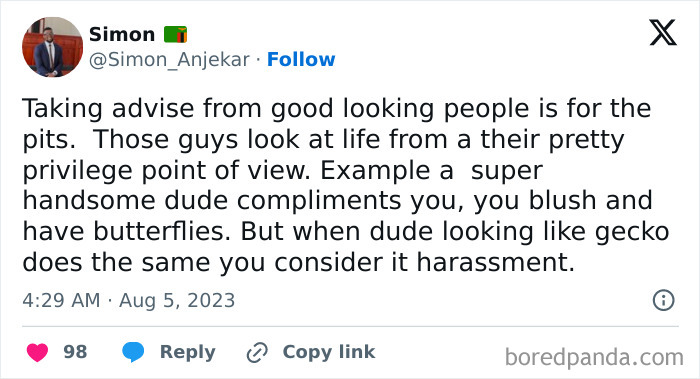
The "halo effect" isn't always about physical beauty, but, according to psychologist Kia-Rai Prewitt, PhD, it's where people notice it most. The opposite of the "halo effect" is the "horn effect." It refers to the tendency to see one negative quality in a person and assume that they must be in some way bad. In the world of dating, that can sometimes look like perceiving a less-attractive suitor on a dating app as "a creep," when they're a kind, funny, and thoughtful person in reality.
Have you ever experienced "pretty privilege," Pandas? Or maybe you've been a victim of the "horn effect?" Share your stories with us and your fellow Pandas in the comments! If you'd like to read more about "pretty privilege," check out our overview of the phenomenon here, and don't forget to read how "pretty privilege" affects men as much as women.














 No fees, cancel anytime