Get Premium
Dark mode theme is available exclusively for premium users. Learn more about the benefits of subscribing.
No fees, cancel anytime.

 Dark Mode Ad-Free Browsing Unlimited Content
 Ad-Free Browsing Unlimited Content Dark Mode
Join 1.2 million Panda readers who get the best art, memes, and fun stories every week!

You are not you when you are hungry. Breakfast is the most important meal of the day. Never make a big decision on an empty stomach. We have been absolutely marinated in the idea that food equals brainpower and that skipping a meal is basically volunteering to become temporarily stupid.
It is in our adverts, our parenting, our office culture — someone always has a snack in their bag for emergencies, and that someone is always very smug about it. But what if the whole thing was just not true? A massive new study just looked at 63 pieces of research and had some very interesting thoughts.
Image credits: vprokopec587 / Magnific (not the actual photo)
Fasting has been one of the more contested topics in nutrition science for years now. On one side, you have the intermittent fasting crowd: people swearing by 16:8 windows, five-two protocols, and the general principle that giving your body a break from food does more good than harm.
On the other hand, you have the three-meals-a-day camp, backed by decades of conventional nutritional wisdom and nearly every cereal brand that has ever existed. The specific question of what fasting does to your brain has been particularly thorny, with studies pulling in different directions and no real consensus ever landing cleanly. Until now.
Image credits: gstockstudio / Magnific (not the actual photo)
Image credits: psycnet / Psycnet (not the actual photo)
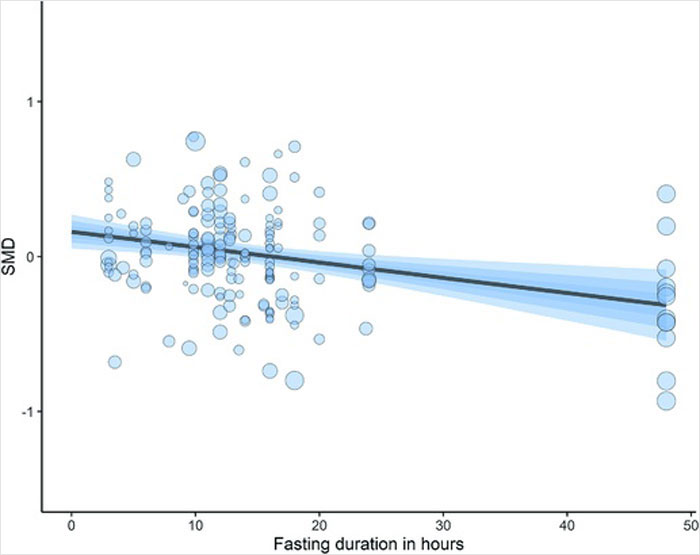
The review, published in Psychological Bulletin, was conducted by psychologist Christoph Bamberg from Paris Lodron University in Austria and cognitive neuroscientist David Moreau from the University of Auckland in New Zealand. They analysed 63 scientific articles representing 71 independent studies and covering a total of 3,484 participants, which is a significant enough sample size to take seriously.
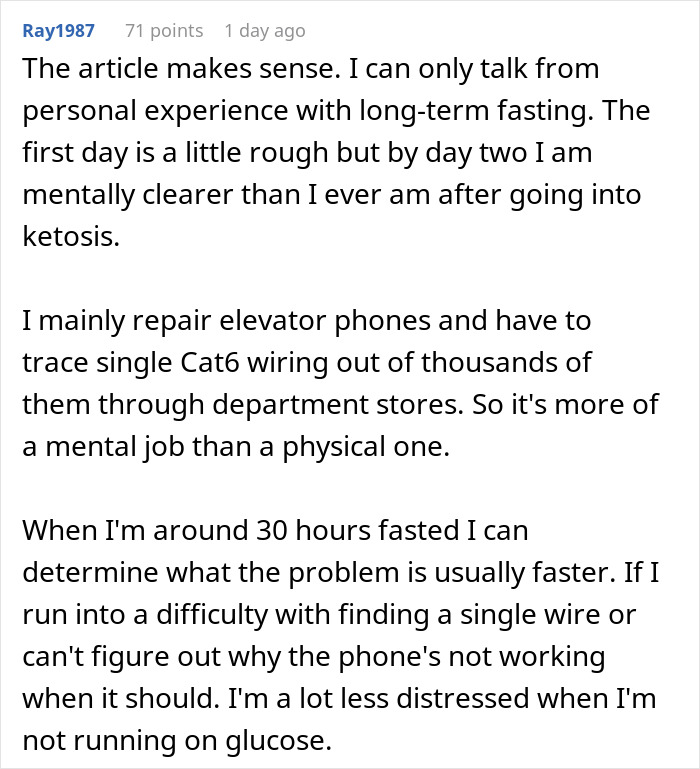
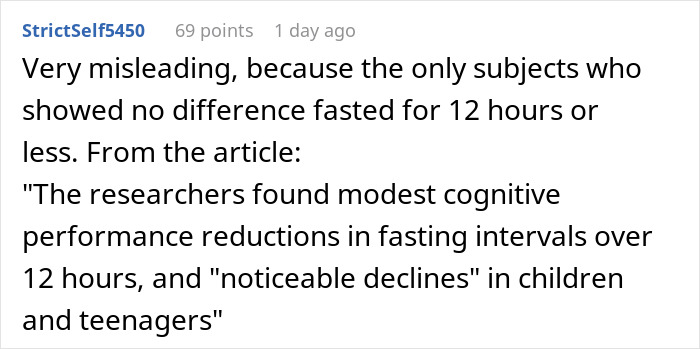
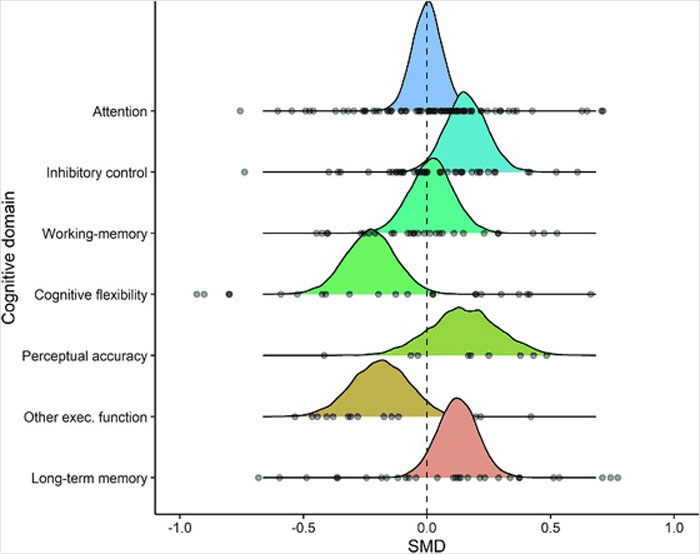
The cognitive skills being measured included memory recall, decision-making, and response speed and accuracy. The median fasting duration across the studies was 12 hours. And across all of those measures, taken as a whole, short-term fasting did not significantly change performance. “For most healthy adults, the findings offer reassurance,” Moreau said.
“You can explore intermittent fasting or other fasting protocols without worrying that your mental sharpness will vanish.” But there was one outlier to their overall results. The anxiety-inducing state of ‘hangry’ might finally have an explanation.
Image credits: DC Studio / Magnific (not the actual photo)
Image credits: psycnet / Psycnet (not the actual photo)
The one place where brains did seem to feel the effects of fasting was in tasks that were specifically food-related. Things like looking at pictures of food or processing food-related words changed the outcomes. “Performance deficits were often evident only in tasks involving food-related stimuli,” Moreau noted.
“In contrast, performance on tasks using neutral content was largely unaffected.” His explanation? “Hunger might selectively divert cognitive resources or cause distraction only in food-relevant contexts, but general cognitive functioning remains largely stable.” In other words, staring at a photo of a burger while hungry might trip you up. Doing your actual job? Probably fine.
Image credits: freepik / Magnific (not the actual photo)
But whether you are fasting for your health or simply trying to save money by skipping a meal, we now know that for most healthy adults, short-term fasting is not going to cost you your focus or your memory. The researchers themselves are careful to frame it as a personal tool rather than a universal prescription, and anyone with specific health considerations should absolutely talk to a doctor before overhauling their eating habits.
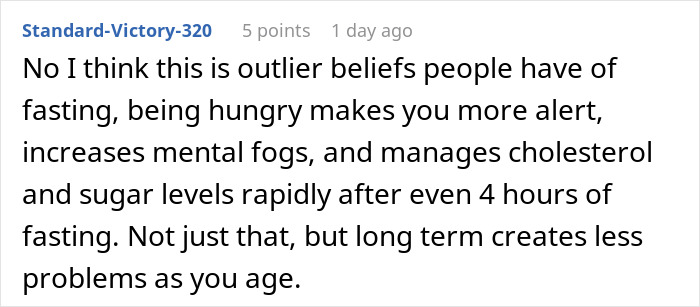
The broader picture of fasting research is quietly compelling. A 2023 study of 209 people found that intermittent fasting just three days a week can reduce the risk of type 2 diabetes by increasing insulin sensitivity. Research has also linked fasting to reduced levels of inflammation in the body, which matters more than it might sound, given that chronic inflammation is thought to play a role in the development of serious conditions.
And then there is the psychological angle, which tends to get overlooked entirely in the food-equals-fuel conversation. Studies have found that fasting doesn’t just produce negative emotional states like irritability; it is also associated with genuine feelings of reward, accomplishment, pride, and control. Which, when you think about it, is a pretty solid return on skipping lunch.
Have you ever tried fasting? How did that work out for you? Share your unscientific but very real findings with us in the comments!



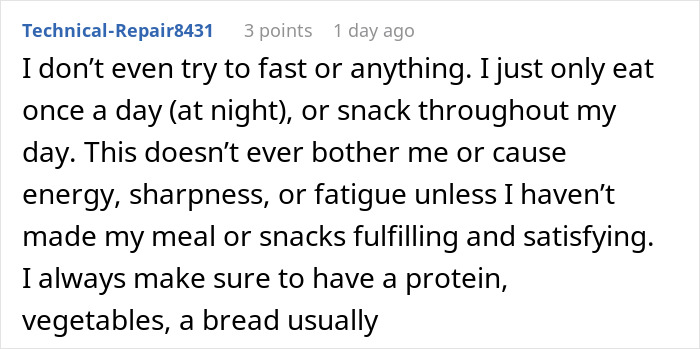







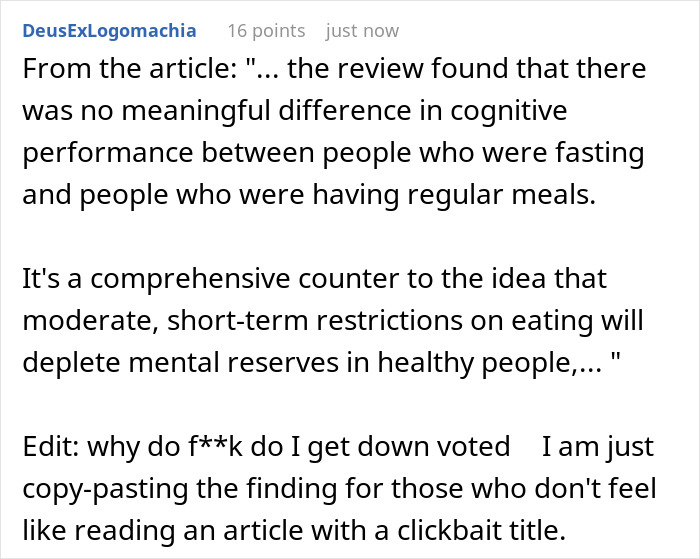

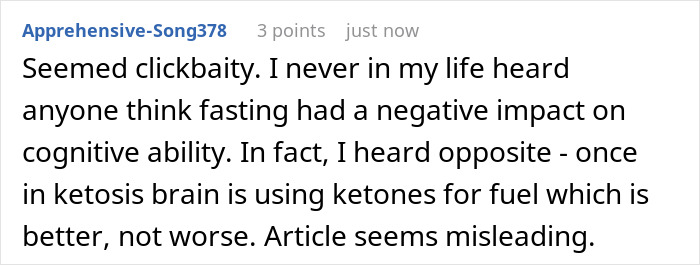
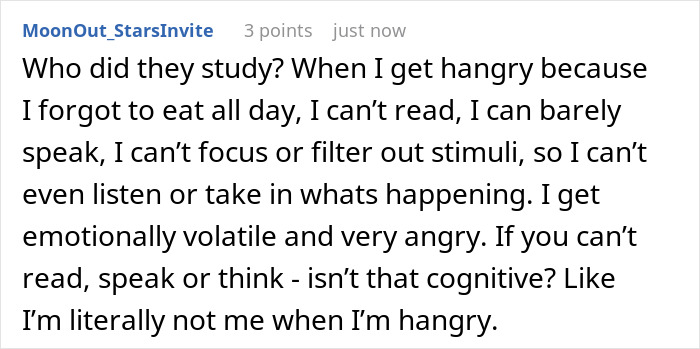



Metastudies are great for *overall* trends, but can miss nuances, such as how fasting negatively affects women, the over 60s, teenagers, different racial groups, different weight/health people. Most health research is done on healthy non-smoking white males aged 20-45, then researchers make general claims about how "people" are affected by it.
Metastudies are great for *overall* trends, but can miss nuances, such as how fasting negatively affects women, the over 60s, teenagers, different racial groups, different weight/health people. Most health research is done on healthy non-smoking white males aged 20-45, then researchers make general claims about how "people" are affected by it.







































 No fees, cancel anytime









29
1