










When you grow up with narcissistic parents, you often don’t realize anything is wrong at first. To you, getting blamed for things that weren’t your fault or being made to feel guilty for having needs can simply seem normal.
Then, at some point, you realize other families don’t work like that. And that realization can hurt. It can feel lonely too, almost like everyone else got a head start in life while you were left trying to catch up.



That comparison isn’t even much of an exaggeration. Difficult experiences in childhood can actually change the way your brain learns to understand the world.
“If you have a whole bunch of bad experiences growing up, you set up your brain in such a way that it’s your expectation that that’s what life is about,” James Perrin, former president of the American Academy of Pediatrics, told The Atlantic.

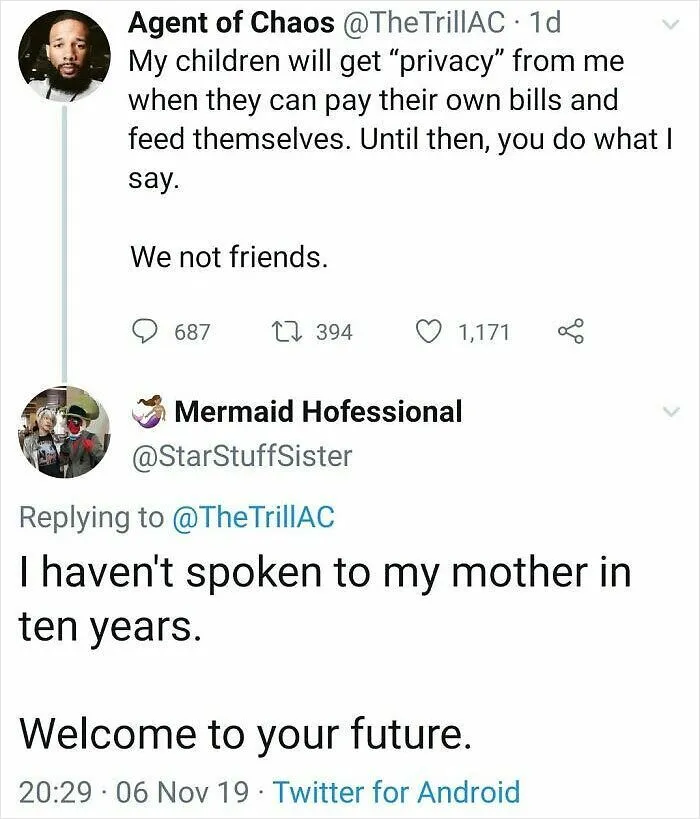

Sadly, childhood trauma is far from rare. According to a 2014 study published in Health Affairs, 48% of US children experience at least one adverse childhood event, while 23% go through two or more.
These can include witnessing domestic violence, living with someone who has a substance problem or having a parent with serious mental illness.
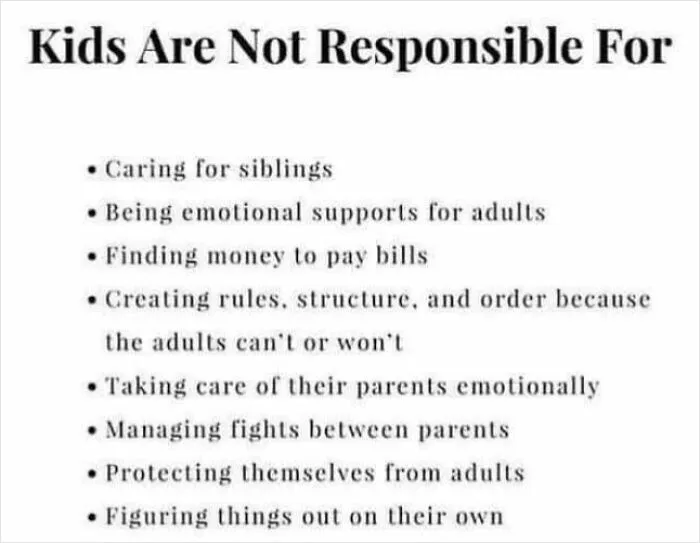
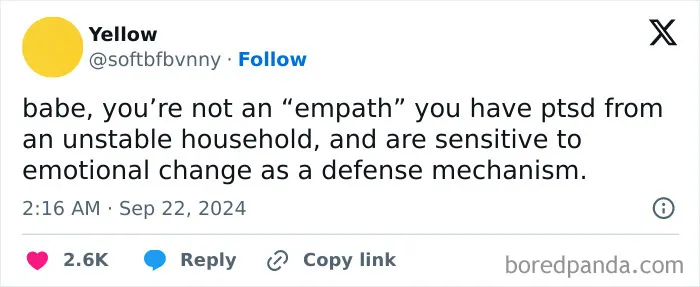
Children exposed to at least two traumatic or highly stressful events are 2.5 times more likely to repeat a grade or become disengaged from their schoolwork than those who haven’t faced any.
They are also more likely to have chronic health conditions, including asthma, ADHD, autism and obesity.
#13 I Thought This Was Normal And Wondering Why I Hate Staying With My Mum


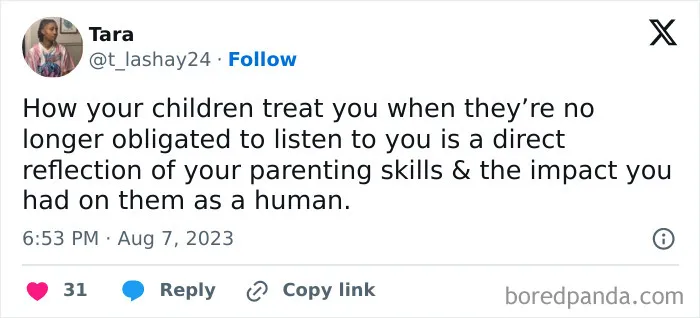
And growing up doesn’t necessarily mean leaving all of that behind. The habits you learn as a child can follow you for years.
According to Healthline, adults raised by narcissistic parents may struggle to put their own needs first because they spent so long learning that someone else’s feelings mattered more.
#16 This Is Literally How I Realized In My Mid 20’s That We Grew Up In An Emotional Abusive Household Wrought With Mental Illnesses
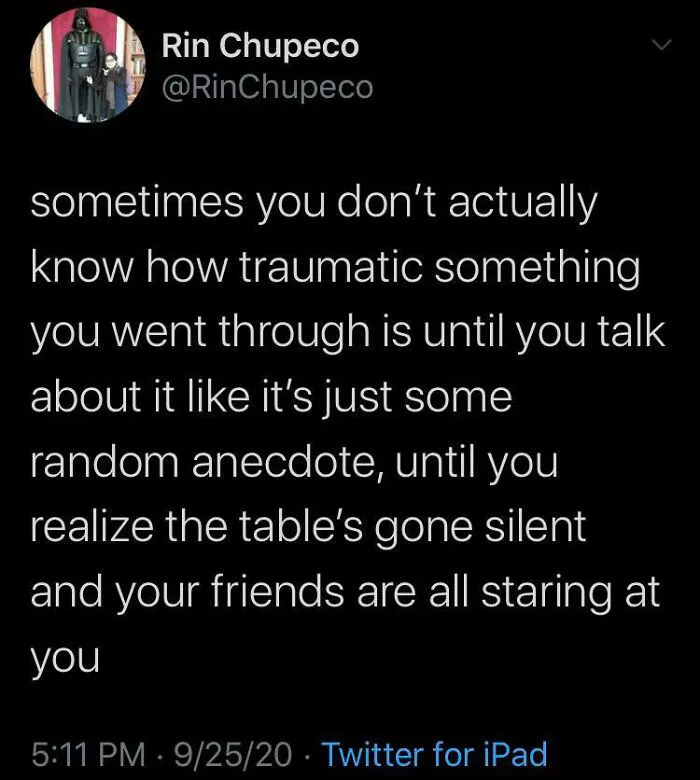

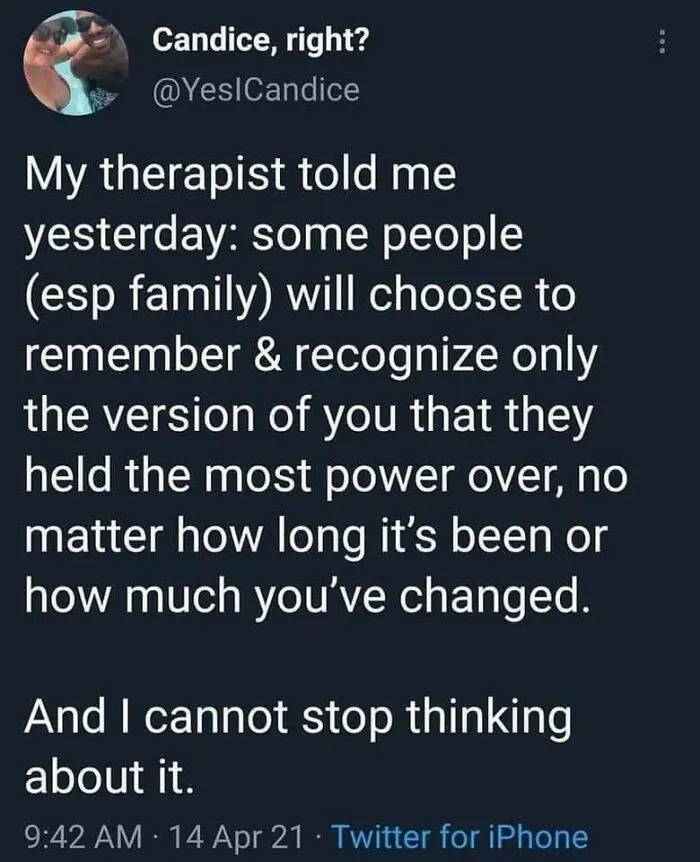
As a result, they may deal with a lot of self-doubt and struggle with low self-esteem. That can make it harder to trust their own abilities or speak up for themselves.
They might hold back from applying for a better job because they assume they won’t get it. Even asking a coworker for help can feel uncomfortable, so they may end up taking everything on by themselves instead.