






This post may include affiliate links.
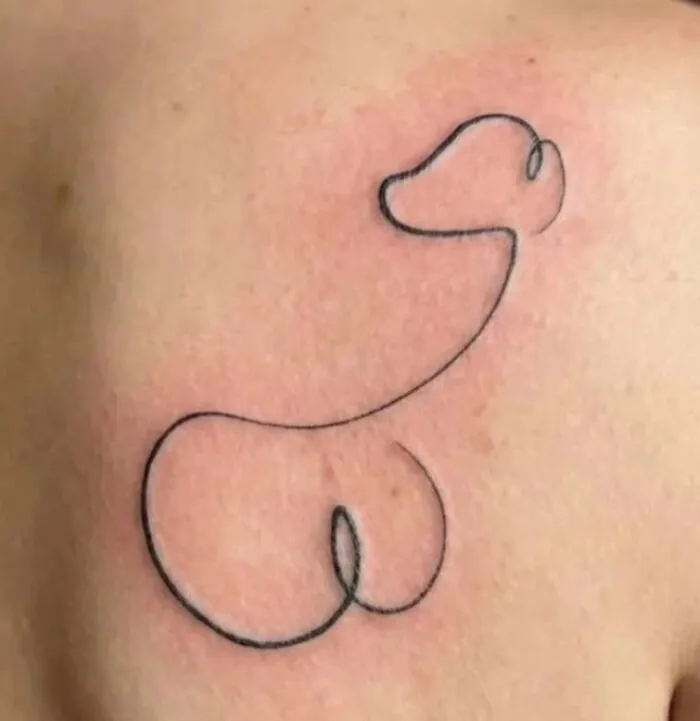
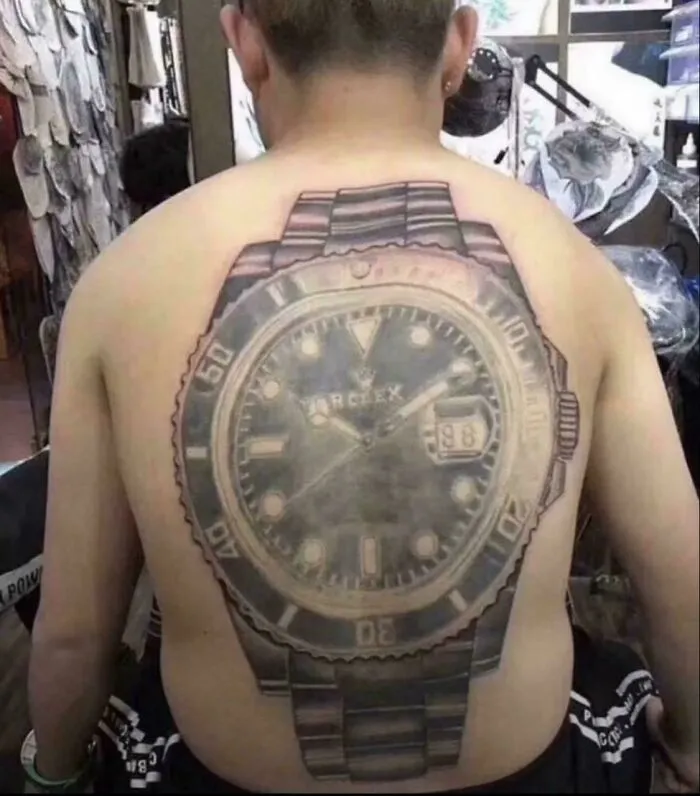
Getting a tattoo sounds pretty exhilarating, doesn’t it? You get an idea you love, find an artist, sit through the needles, and eventually walk away with something you can carry with you for the rest of your life. And while people often talk about the slight (or not-so-slight) pain that comes with getting inked, there’s another part of the tattoo journey that doesn’t get quite as much attention: removing one. Because sometimes, that tattoo you once loved suddenly becomes the thing you wish you could erase. It happens to plenty of people, and celebrities are no exception. From Heidi Klum to Pete Davidson, several famous faces have gone through the process of removing tattoos they once decided to make permanent.
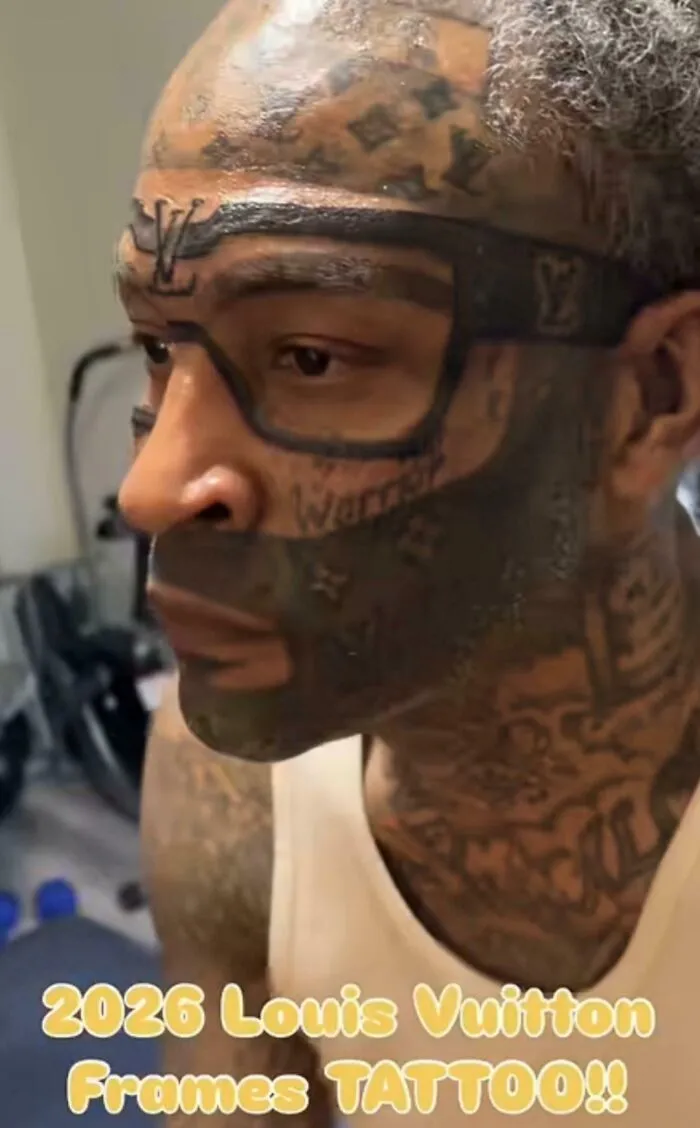
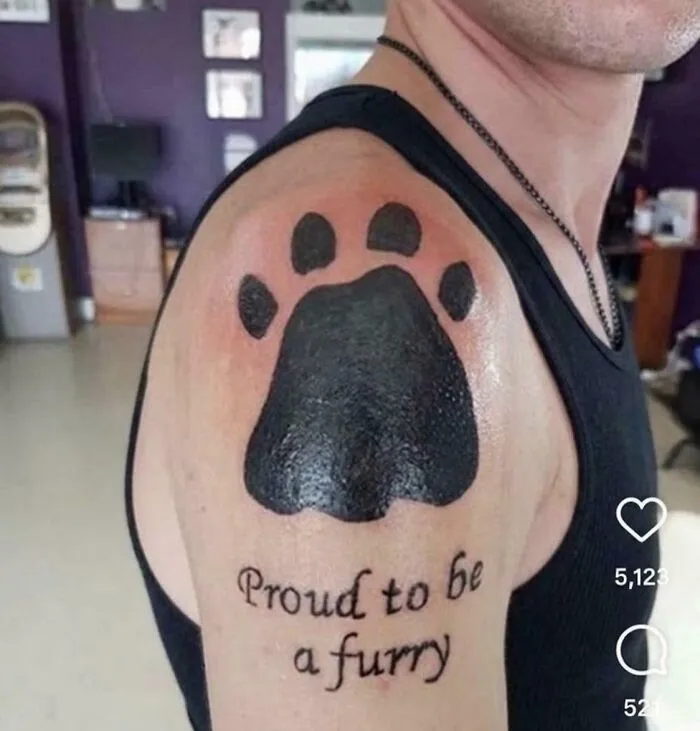
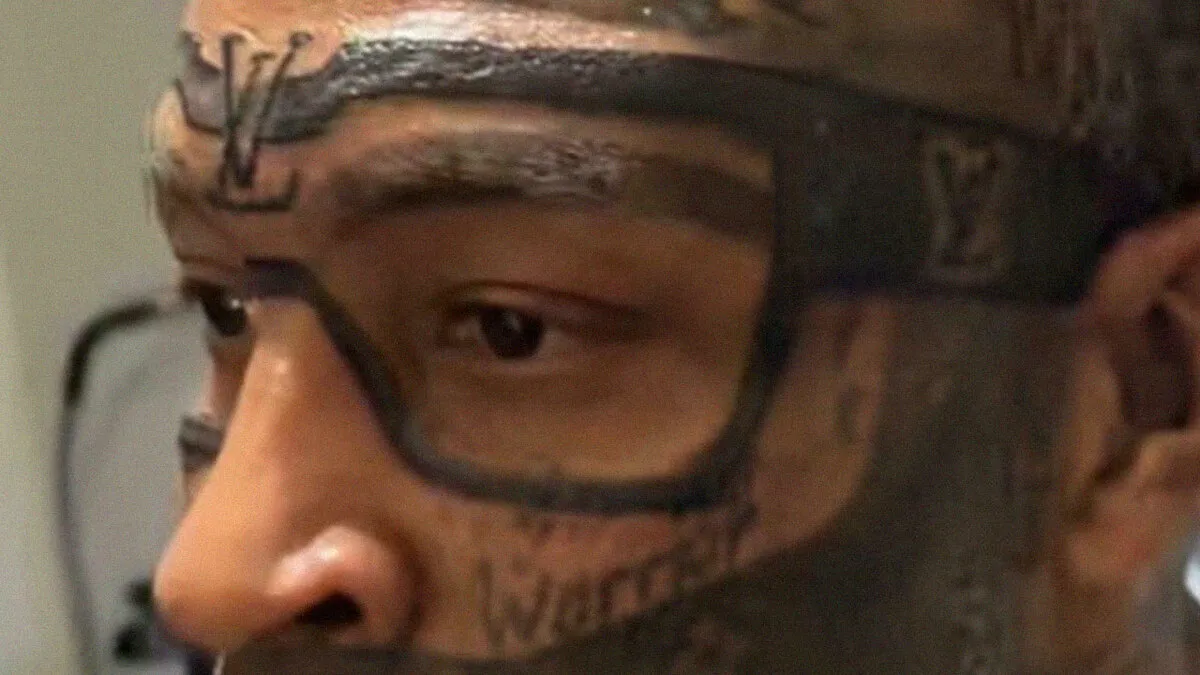
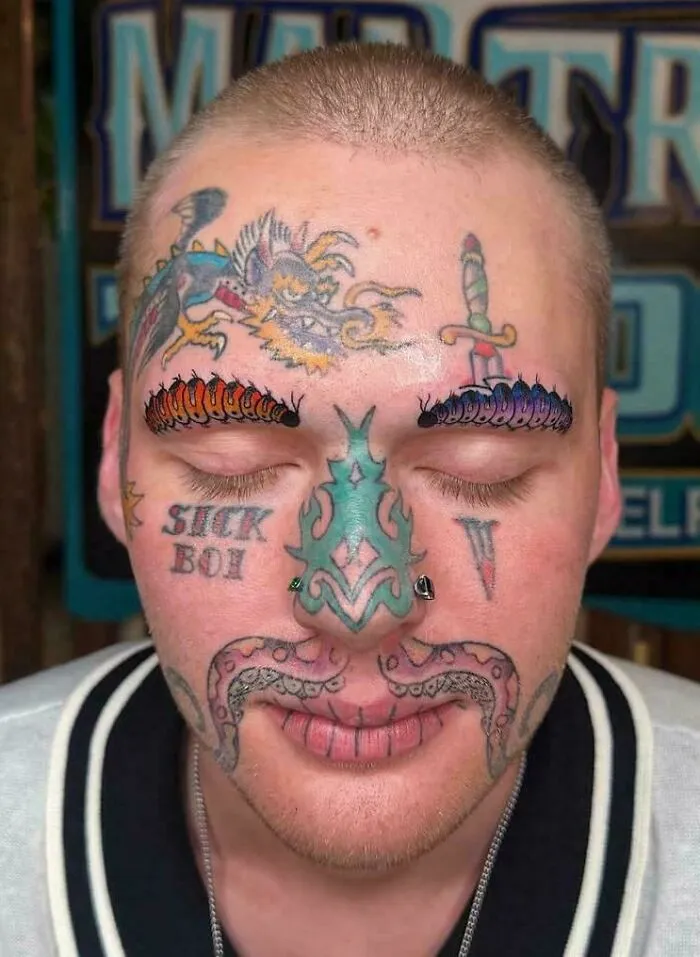
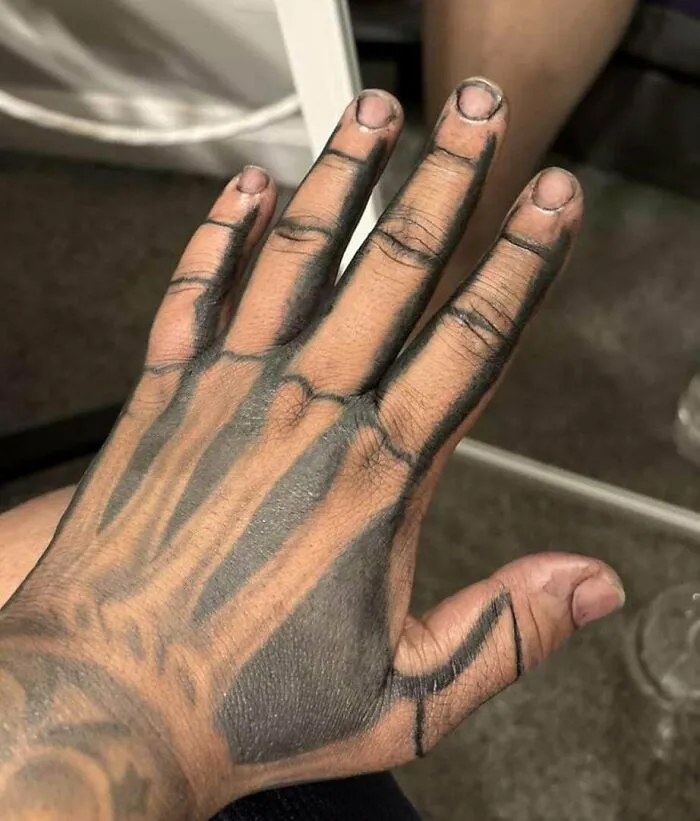
#6 A Lot To Unpack Here. The Caterpillar Eyebrows Aren't Even The Worst Of It
And celebrities have been pretty open about just how unpleasant that process can be. In 2020, Kelly Osbourne shared her own experience of having tattoos removed, including the script “lovely” on her left wrist and a colorful keyboard design on the back of her right forearm. She documented the process on Instagram and didn't exactly hold back about the pain, writing, “Who else knows how bad this hurts??? It’s 1000000000000 times worse then [sic] getting the tattoo!!!” Needless to say, tattoo removal isn't exactly a relaxing afternoon at the spa.
So, what actually happens when you try to get rid of a tattoo? Modern tattoo-removal lasers don't simply burn the ink away. Instead, they use a process called photothermolysis, in which rapid, intense pulses of light target the pigment beneath the skin. The energy breaks larger ink particles into much smaller fragments, which the body's immune system can gradually clear away. It sounds fairly straightforward, but the process can come with its own complications. In their book TATTOO: The Invaluable Compendium for Dermatologists, Dr. Shashikumar BM and Dr. Savitha describe potential effects ranging from acute reactions such as local pain, blistering, and pinpoint bleeding to delayed or potentially irreversible problems, including changes in pigmentation, paradoxical darkening of the tattoo, and scarring.
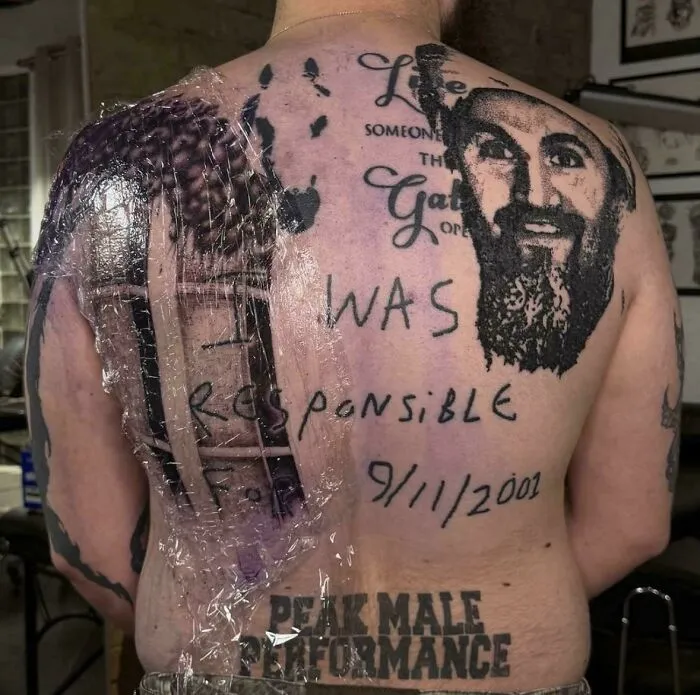
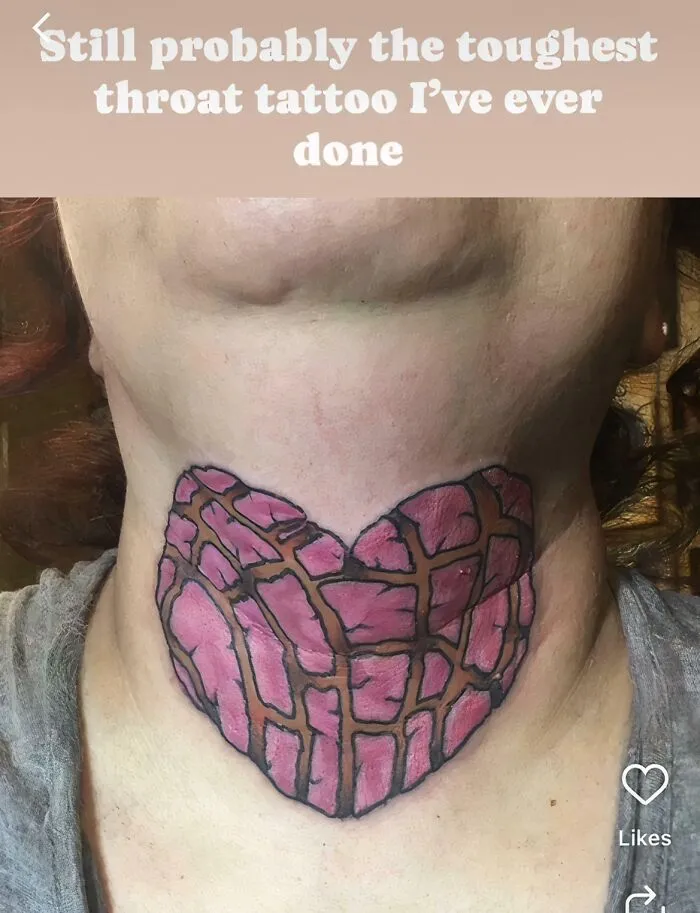
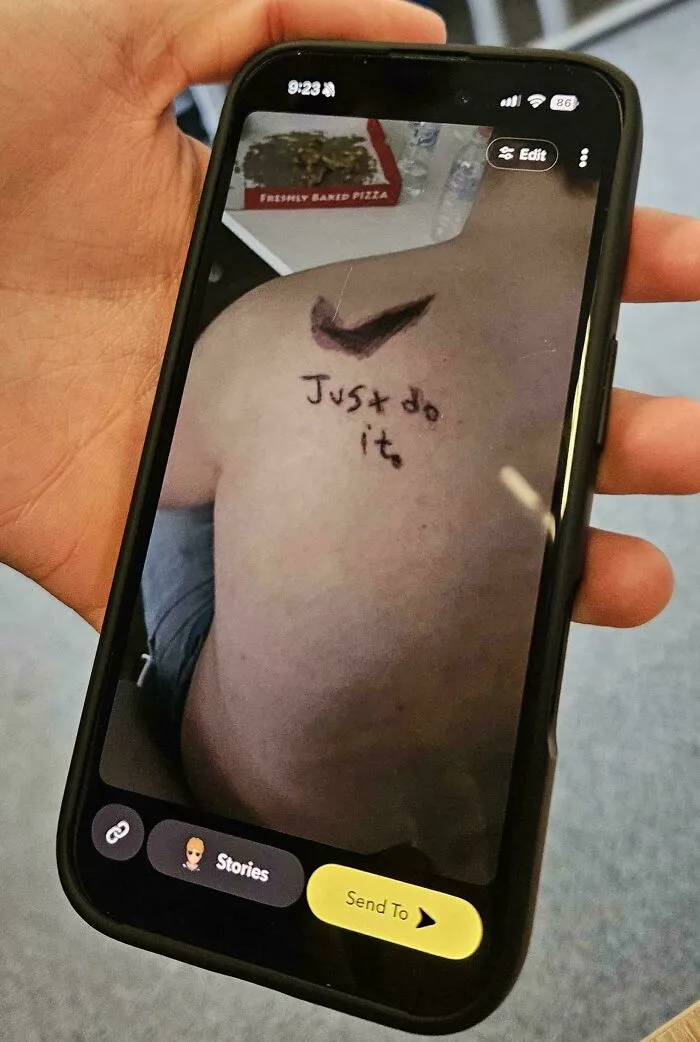
But that raises another question: why do people want their tattoos removed in the first place? Researchers have looked into tattoo regret, and one of the most common reasons people give is surprisingly simple: they just don't like the tattoo anymore. Studies have also identified factors such as pressure from family members or partners, changes in personality or lifestyle, changes in relationships or employment, and tattoos that were poorly done. In other words, sometimes the tattoo itself isn't necessarily the problem—it’s the fact that the person who got it isn't quite the same person anymore.
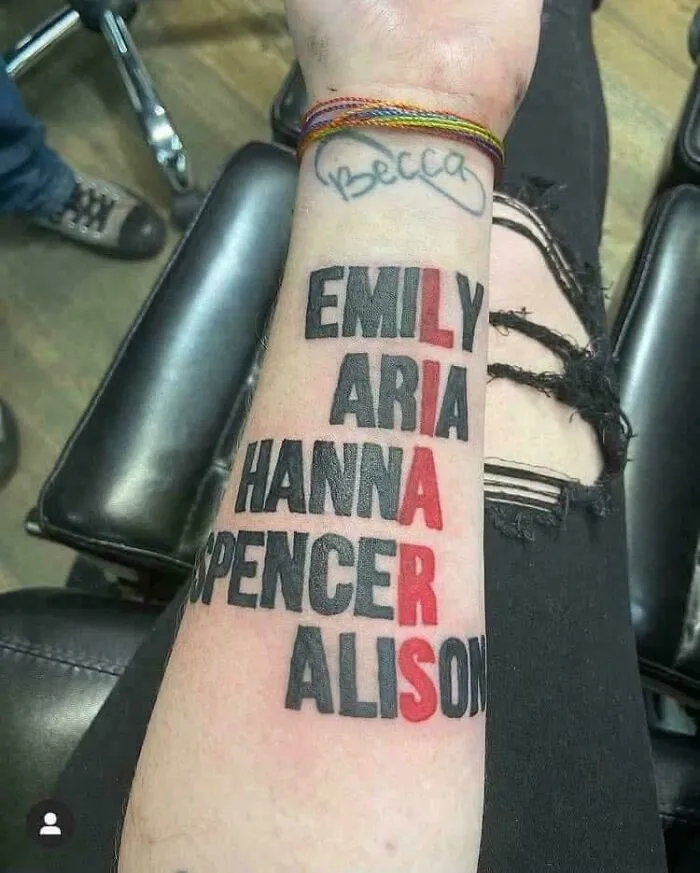
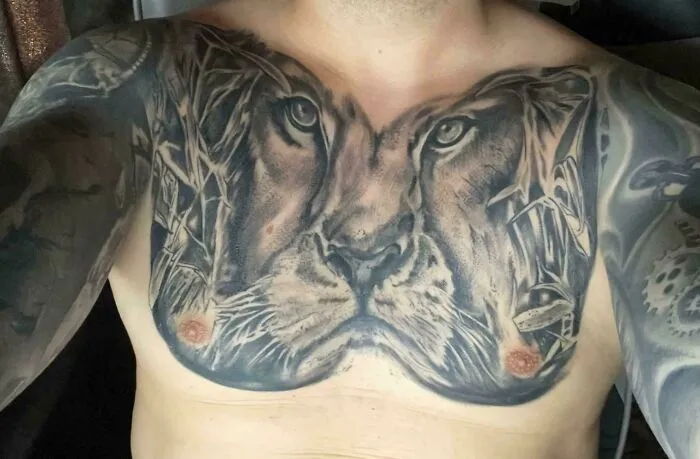
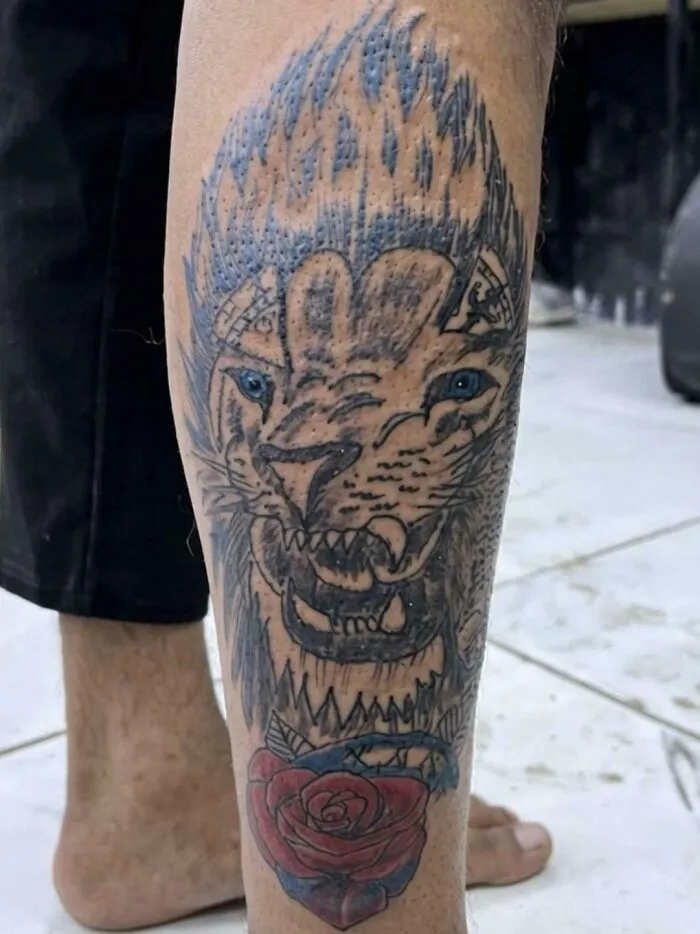
Research has also linked tattoo regret with getting a first tattoo at a younger age, having the tattoo done by an amateur or doing it yourself, and certain demographic factors. In one study of college students by Armstrong and colleagues, 13% of participants said they didn't like their first tattoo, while 18% felt their tattoo artist had not met their expectations. The researchers also noted that tattoo regret can vary depending on factors such as gender, age, interests, and nationality. A decision that feels perfect at 18 can look very different a few years later.
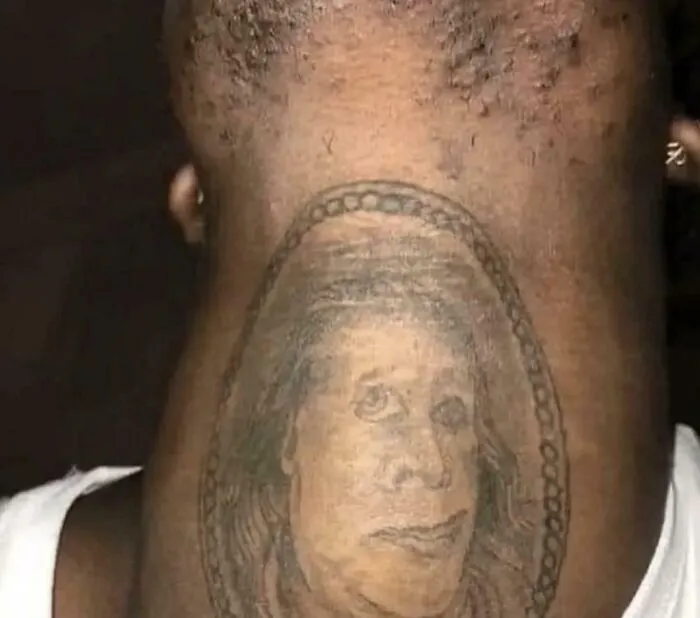
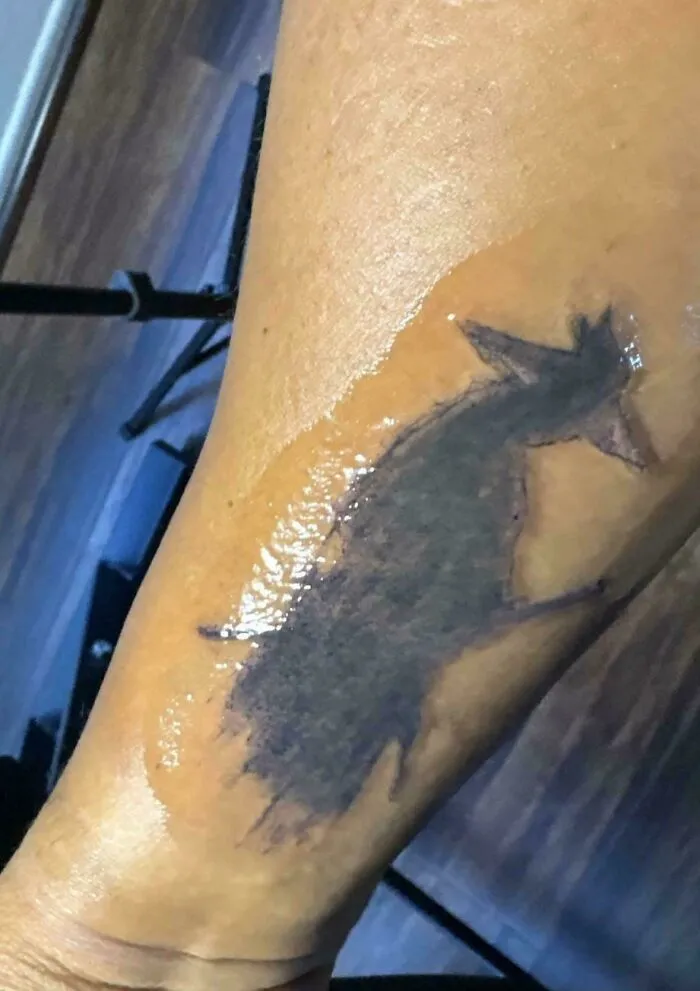
And then there are the tattoos people seem particularly likely to regret. Dr. Stephen Crabbe, a linguistics expert from the University of Portsmouth, commissioned a survey of 1,000 UK residents who said they regretted getting tattoos. The survey identified four types that respondents reportedly regretted most often: someone's name, an Asian character, a tribal design, and a star constellation. Apparently, permanently putting someone's name on your body comes with a few risks—especially if that person eventually becomes your ex.