Get Premium
Dark mode theme is available exclusively for premium users. Learn more about the benefits of subscribing.
No fees, cancel anytime.

 Dark Mode Ad-Free Browsing Unlimited Content
 Ad-Free Browsing Unlimited Content Dark Mode
Join 1.2 million Panda readers who get the best art, memes, and fun stories every week!
If you had a choice and money was no constraint, would you choose to live in a city, a small town, or the countryside? All have pros and cons, but, in the last century, cities have been growing at an unprecedented pace. The UN projects that 68% of the world's population will live in urban areas, and that presents some challenges in city planning.
Lately, though, some urban spaces are becoming so unwelcoming and dystopian-looking that it's surprising that anyone would want to live in them. Bored Panda has collected the most poignant examples of urban hell from two different online communities that share these types of urban hellscapes, and we present them for your displeasure below.
This post may include affiliate links.

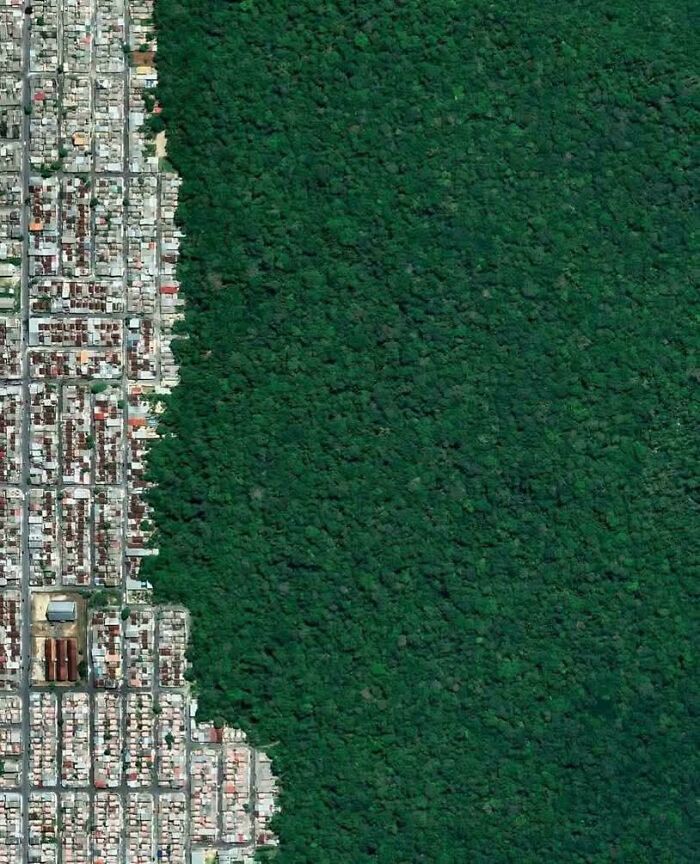
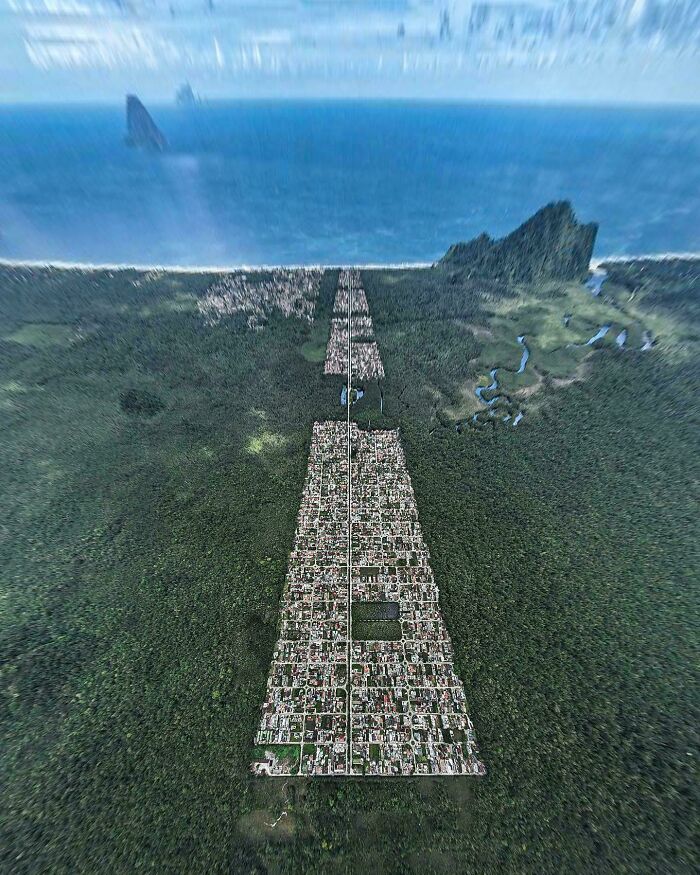
The boundary between Manaus, Brasil and the Amazon rainforest.
As the Industrial Revolution began, people flocked to cities. City life promised opportunities, a better life, and a better future for people's children. Nowadays, these things more or less remain the same, but a few caveats come with living in a city. Noise, air pollution, ugly architecture, no walkability, and poor planning — for some folks, living in a city of their dreams is no longer worth it.
In some parts of the world, people prefer small towns over big cities. A 2019 survey, conducted in six European countries, Sweden, Norway, Finland, Denmark, Austria, and Switzerland, showed that young people in particular are prioritizing sustainability over bright lights and excitement. Most folks aged 18-35 claimed they want a different kind of urban planning. Only more than one in 10 would prefer to live in a city that has over a million inhabitants.
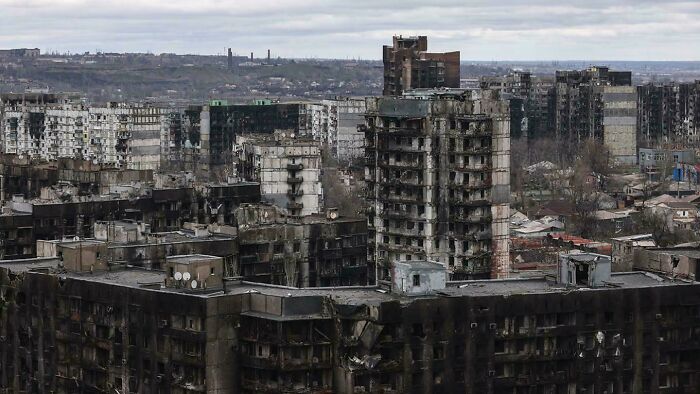
The extensive damage caused in Mariupol, Ukraine by Russian military in early 2022.
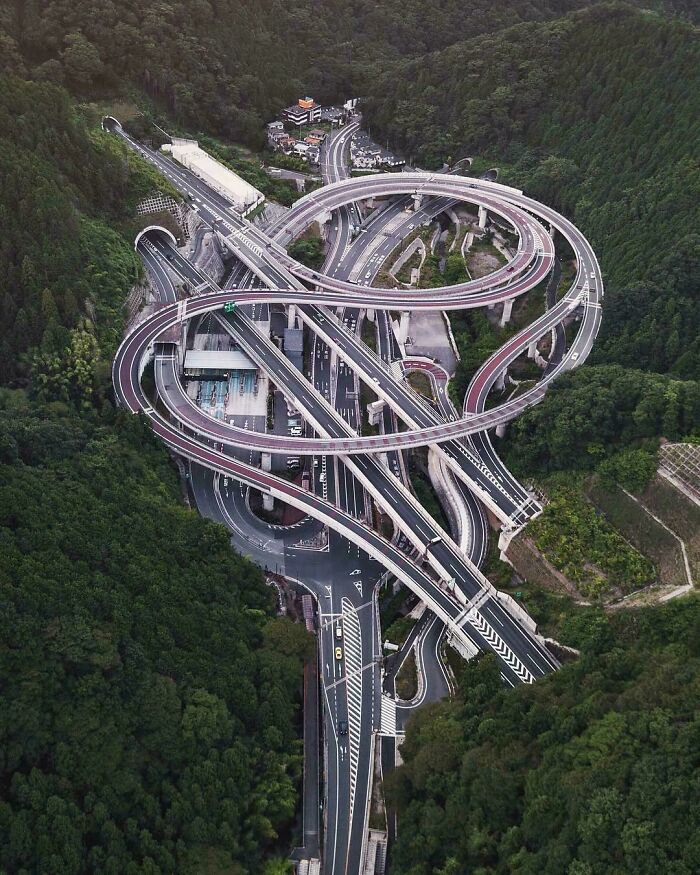
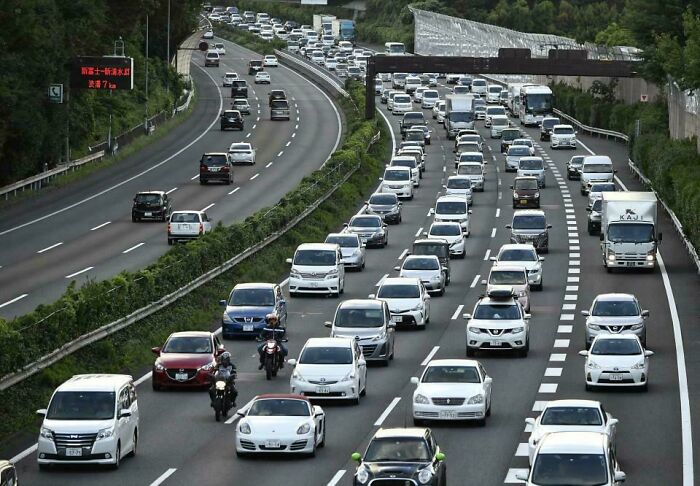
The Takaosan Interchange near Hajioshi City in the Tokyo Prefecture, Japan. It was designed this way to have minimize impact on the surrounding mountain environment.
What do young people not like about big city life? Most cite overpopulation and waste management as the biggest issues. They want more access to nature, green spaces, and public transport powered by renewable energy.
"Greenery is incredibly important for our cities and we must continue to plan and build it into cities," Helena Paulsson, Head of Urban Development at the Swedish-Finnish engineering, design, and advisory company AFRY, says. "Green areas are important not only for our wellbeing but also because they fill other functions such as biodiversity, temperature regulation, resilience and as a way of dealing with heavy rain."

All of these are not pretty. But everyone needs a home, no matter where
Modern cities really have expanded at an unprecedented rate. China is perhaps the best example of "urban sprawl,” the phenomenon in which cities expand into smaller towns or undeveloped land. In just 35 years, China moved 500 million of its people from rural areas into cities. The result was the development of over 600 cities that had been small towns just a few decades before.
Today, China has a bunch of megacities like Beijing and Shanghai (cities with more than 10 million people), estimated at around 16 to 18. There's pollution, water shortage, and traffic jams, but, according to Dr. Yan Song, the director of the program on Chinese cities at the University of North Carolina, a big city doesn't have to be this way.
"All these problems can be solved – look at Seoul or Tokyo, both megacities with a bigger population, but very well managed," she told The Guardian. "The problem is not population size, it’s a problem of poor urban management."
The trend of people moving away from big cities persists. Some experts note that this move was driven by the COVID-19 pandemic. After all, we saw the largest number of people leaving cities for more rural areas during the WFH boom. The fastest-growing places in the U.S. between 2022 and 2023 were inner suburbs. In fact, people were moving away from metropolises, sometimes 30, 40, or even 60 miles from the closest city's downtown.

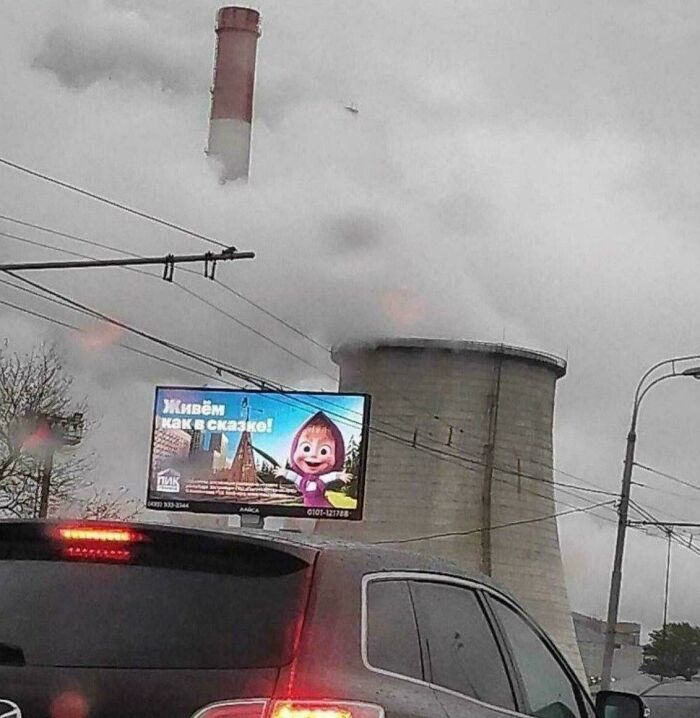
The billboard is a cartoon character called "Misha" ... saying We live like a fairy tale
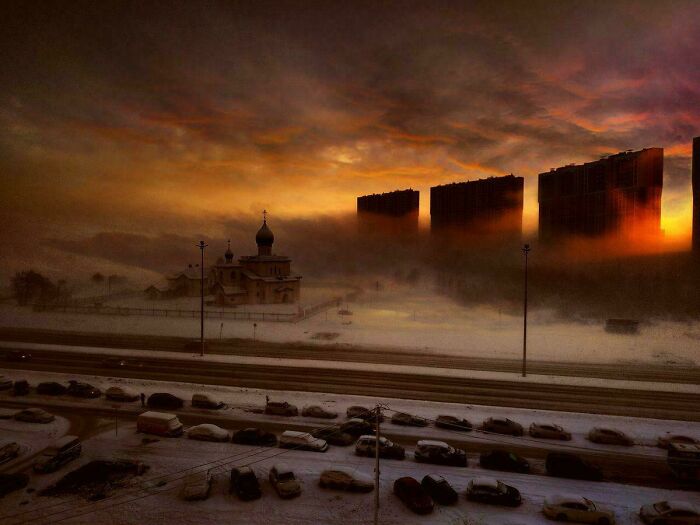
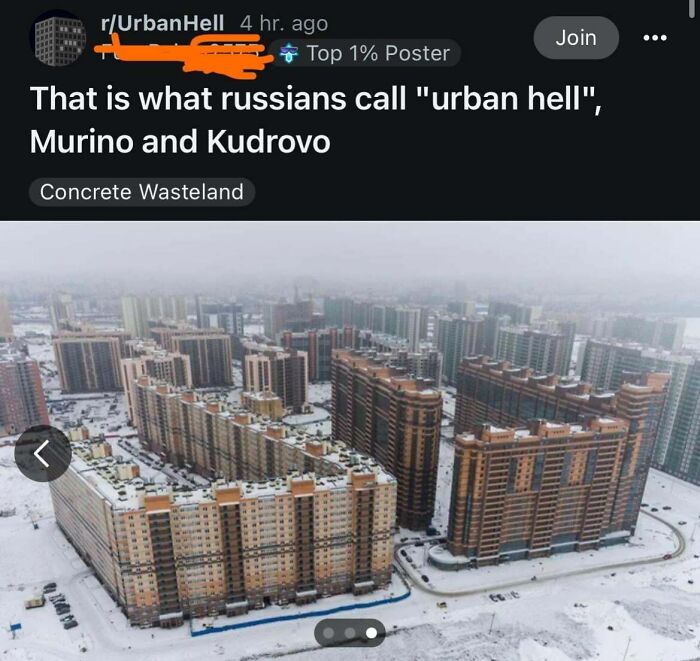
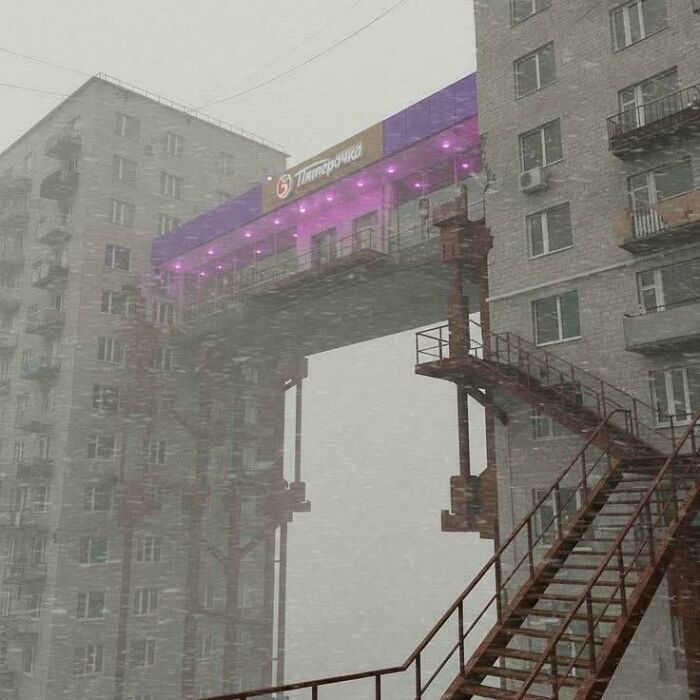
The Shuvalovsky residential complex in St. Petersburg, Russia, photographed during a foggy winter sunrise.
So, what is an ideal city? Some say it's chrono-urbanism: the idea that every service a person needs should be within 20 minutes of where they live. French urbanist Carlos Moreno introduced the concept of the 15-minute cities, an idea that many people, exhausted by hellish urban landscapes, saw as their saving grace.

1&2 🙂 at babysitters' houses because my family did not have a proper game console until I was 16! (In 2010, just 5 days before my 17th birthday)
Moreno's idea behind "15-minute cities" is that a resident should be able to reach everything they need in 15 minutes or less on foot or by bike. That includes their house, school, hospitals, shops, restaurants, parks, offices, and cultural event venues. According to Moreno, the pandemic made people discover they had neighbors and parks nearby. He stresses that good urban planning should be like this and that it is doable.
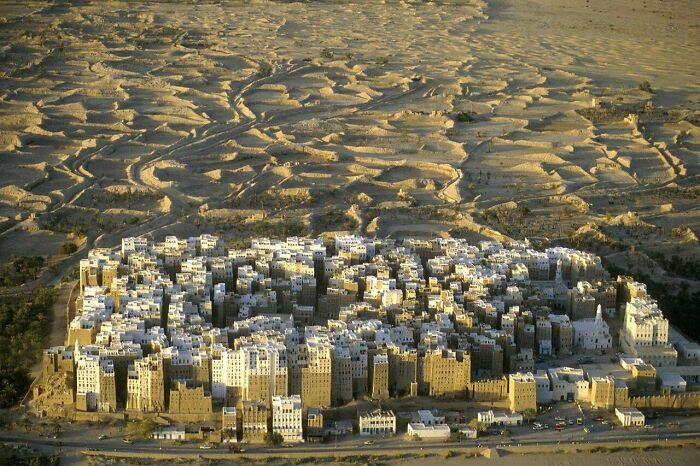
Shibam, a historic walled city in Yemen, a UNESCO World Heritage Site, known as the "Manhattan of the Middle East". The mud brick high rises are up to 11 storeys high, with some dating back to the 16th Century, and were built to protect the residents from Bedouin attacks and floods.

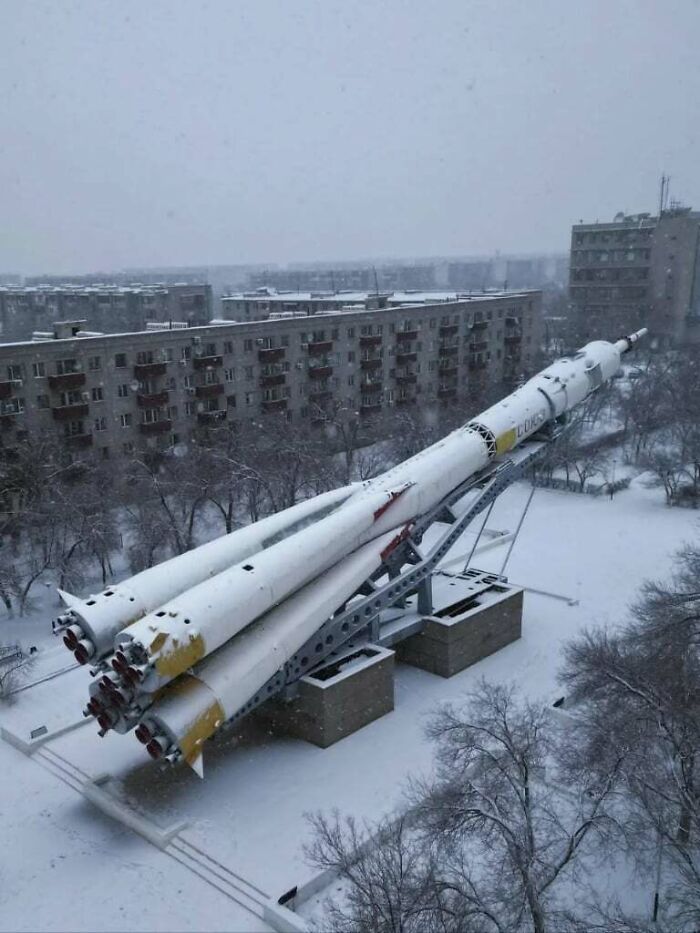
Interesting monument: "… the Soyuz-U, the most frequently launched rocket (nearly 800 launches), displayed along the road near a statue of Yuri Gagarin [first man to orbit the Earth]. The rocket rests horizontally because the powerful Kazakh winds could have toppled it if placed upright, as originally intended. This layout offers an intricate view of its design details. Initially, this model was used for tests and training at the cosmodrome, but in 1981, it was installed in Baikonur to commemorate the 20th anniversary of the first human spaceflight. (Landmarks and Attractions of Baikonur, Eurasia Travel)
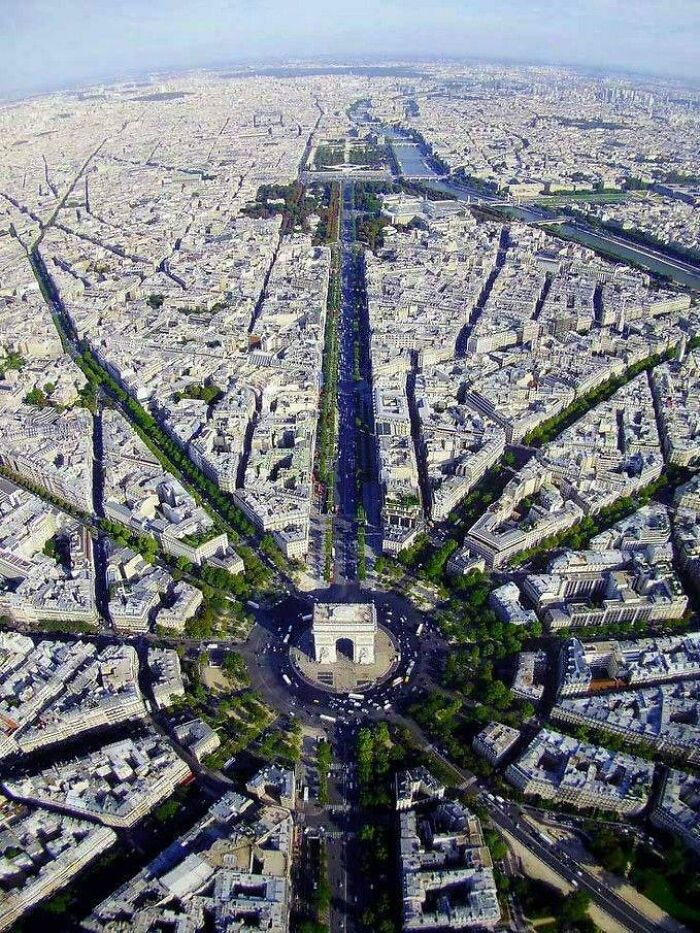
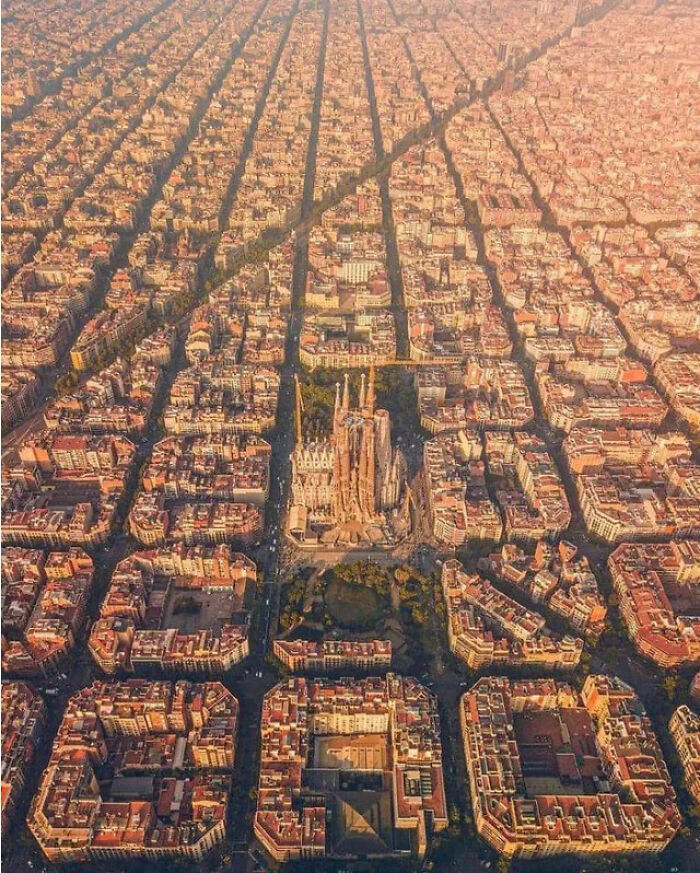
Some cities are trying to implement the 15-minute city planning. These include Paris, Melbourne, Portland, Bogota, and Barcelona. Paris, for example, is centering their changes around schools. They're turning schoolyards into parks so they can serve as spaces for students to spend time after school and on the weekends. They're also turning their 140,000 parking spaces into green areas, bike parking, playgrounds, and neighborhood hangout areas to become less car-dependent.

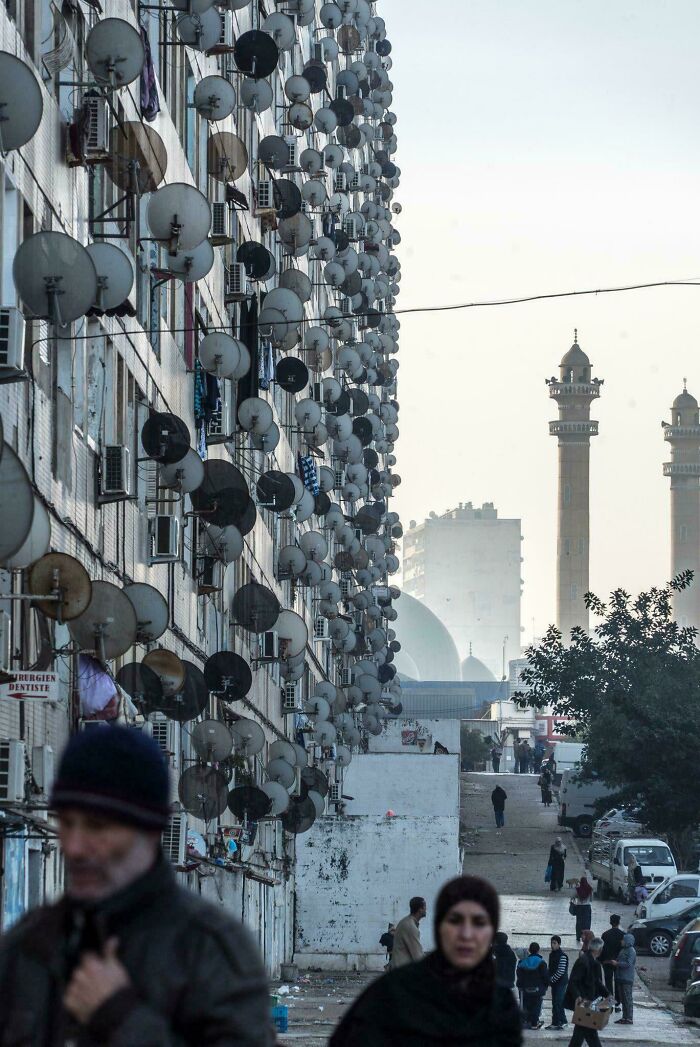
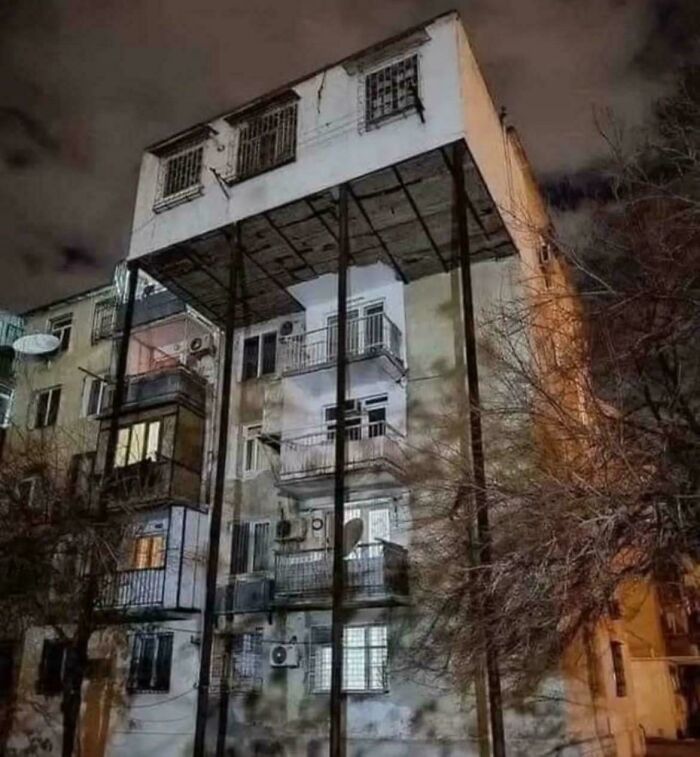
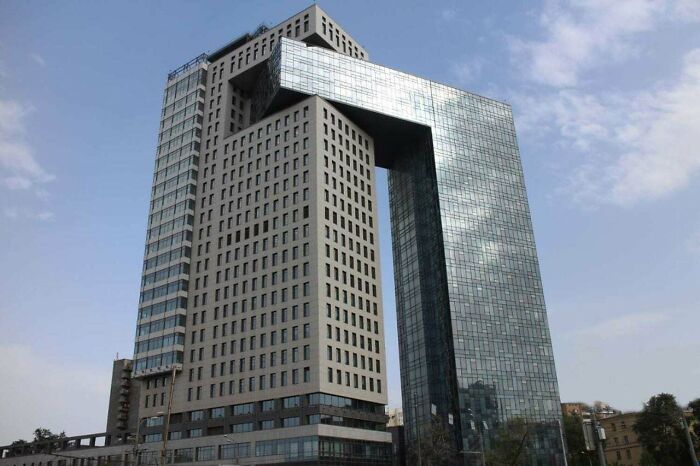
I've seen three locations for this. The one at Reddit doesn't exist. Using Google Image Search, I found a travel site that said it was in Tbilisi, Georgia, and a Kosovo newspaper that said it's in Bulgaria.
What do you think about urban life, Pandas? Do these pics make your skin crawl? Would you rather live on a farm somewhere, petting a goat? Let us know in the comments! And if you feel like you're in the mood for more pictures of urban hell, check out our previous publications here and here!

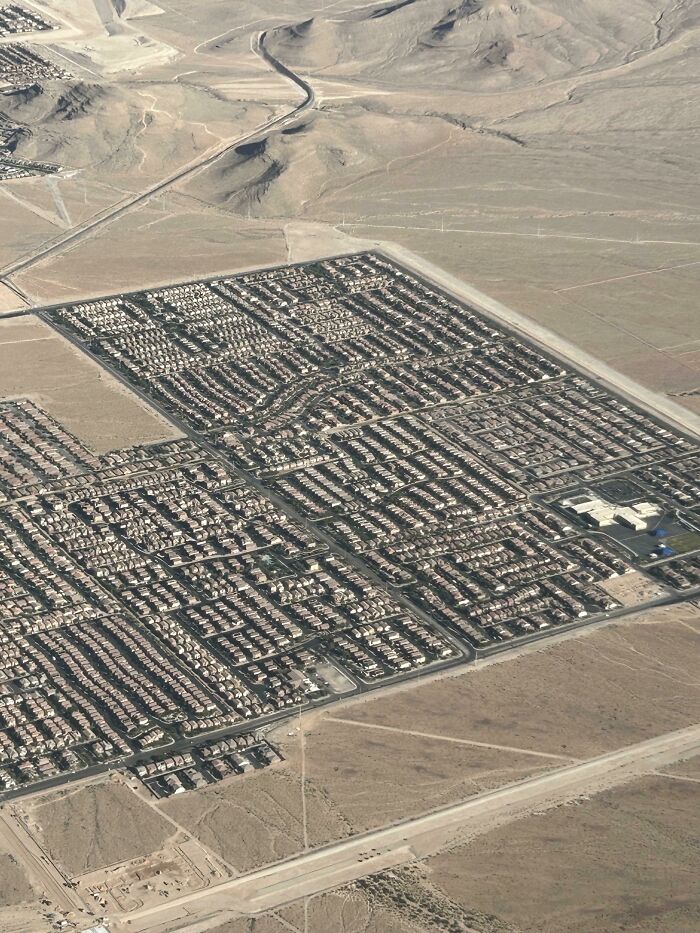
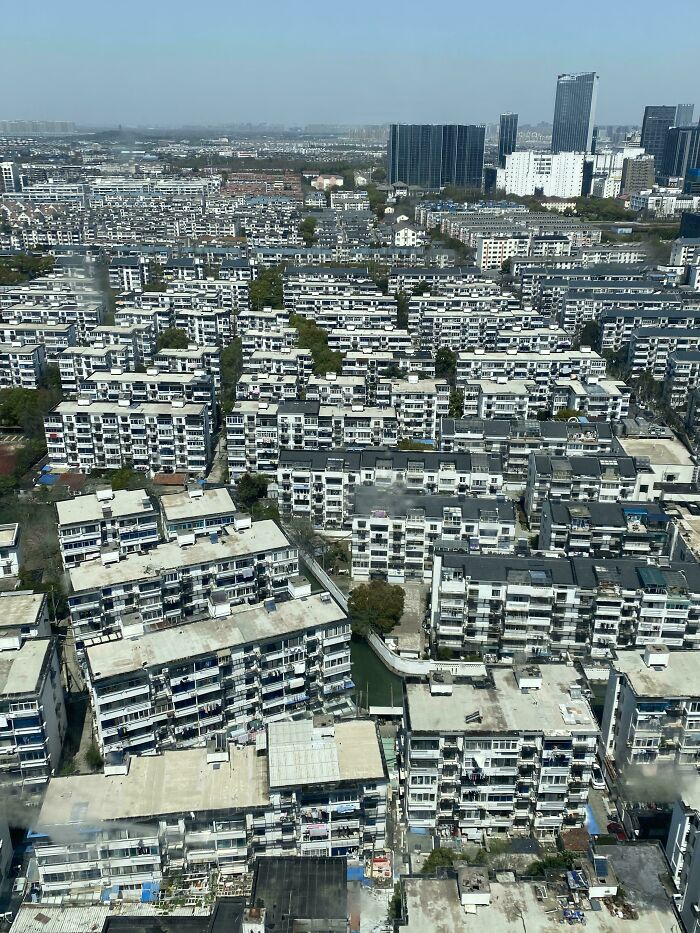
Obviously Asia, but could be anywhere USA. Horrible, soulless sea of futility.
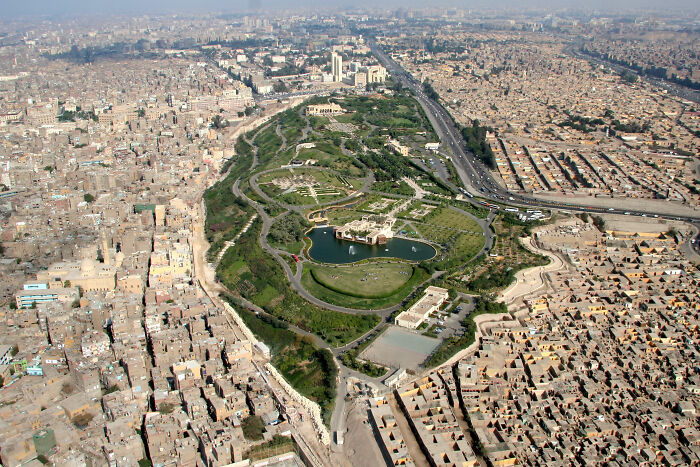
Al-Azhur Park, a 30 hectare park in Historic Cairo, Egypt. The site of a former rubbish dump, the park was created in 2005 as a "green lung" for the city. The project was undertaken by the Aga Khan Trust for Culture to catalyse urban renewal.
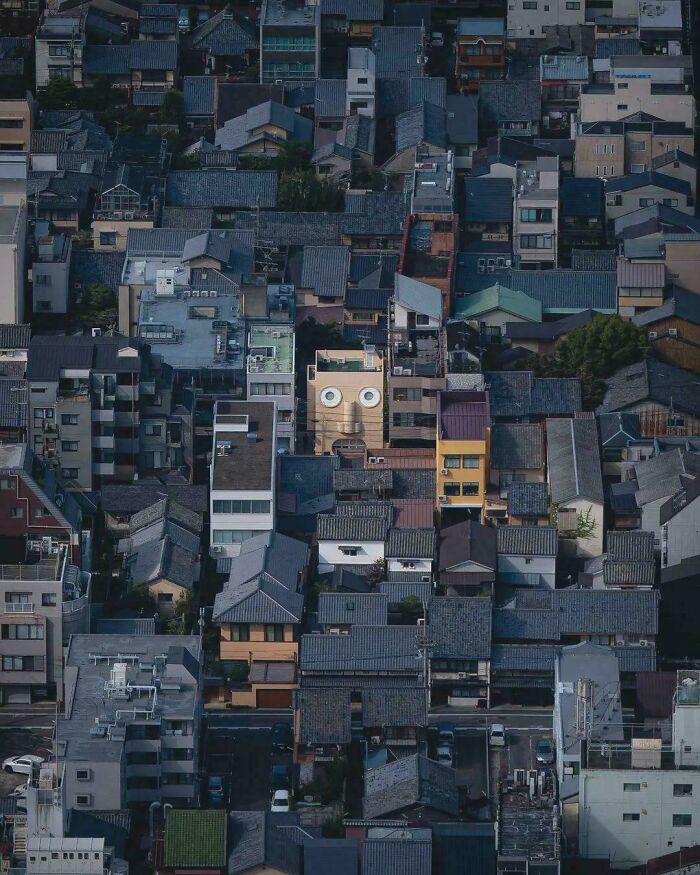
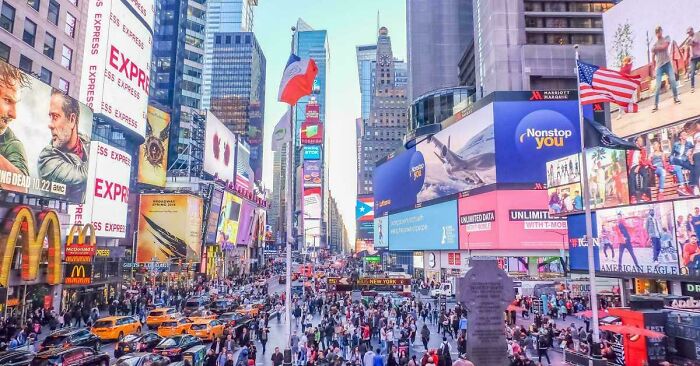
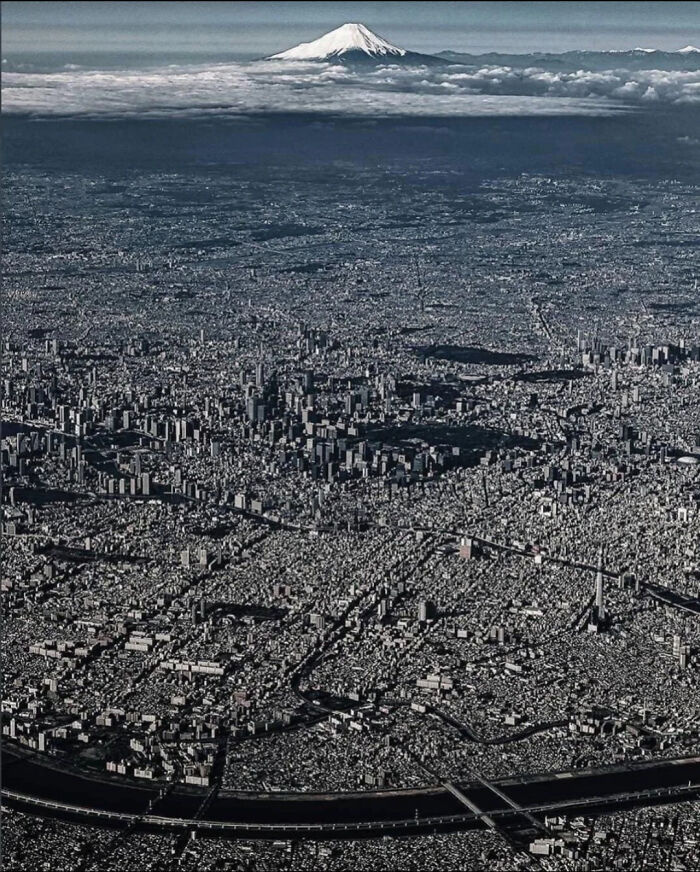
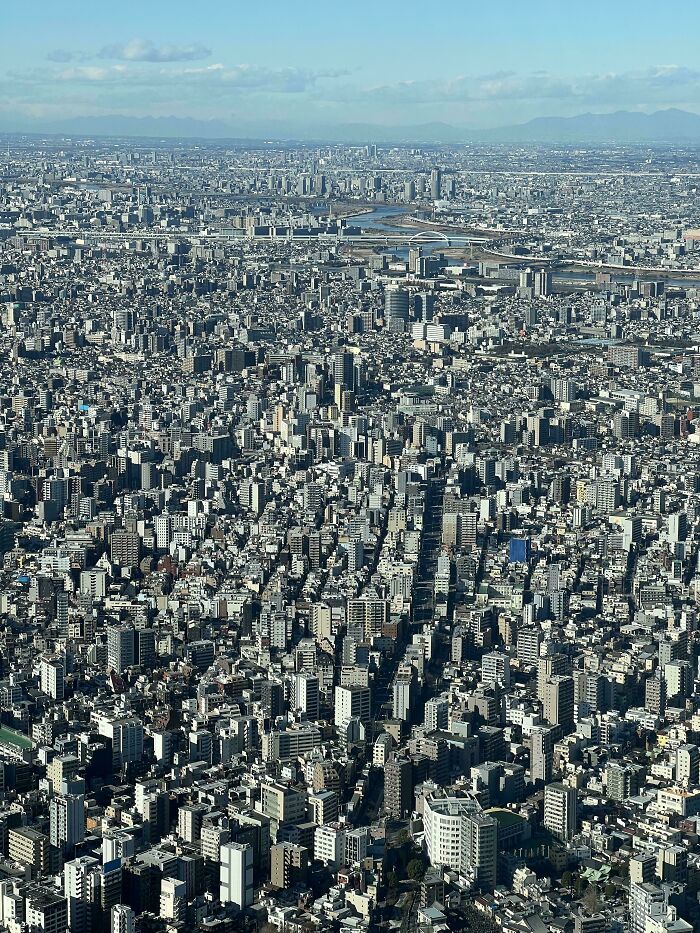
Tokyo, Japan with Mount Fuji in the background and the Sumida River in the foreground.
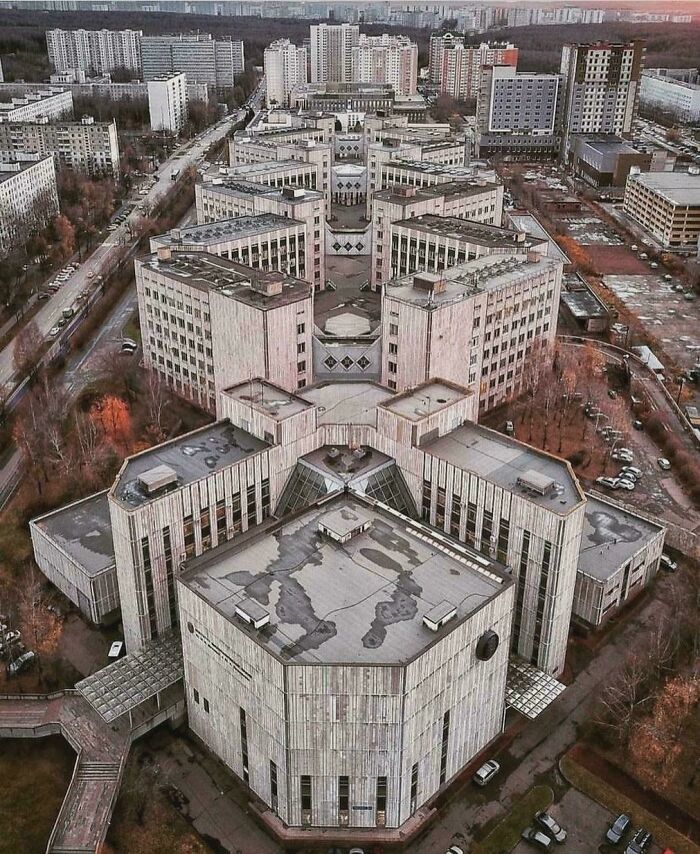
The Shemyakin and Ovchinnikov Institute of Bio-Organic Chemistry in Moscow. It's layout was specifically designed to resemble a DNA double helix when viewed from above.
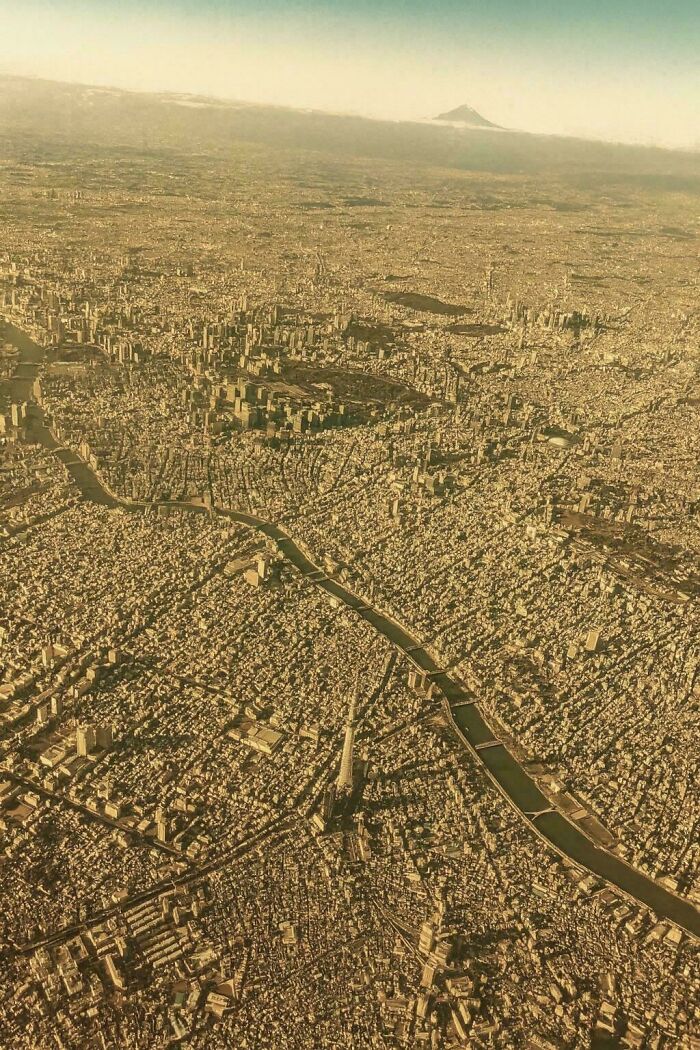
That's Tokyo viewed from above, with the Tokyo Skytree in the foreground, the Sumida River in the centre and Mount Fuji in the background. The colour is produced using a sepia filter. The original photo by Yuichi Yokota features the actual, natural blue and concrete city sprawl under a blue sky. It is not Mumbai.
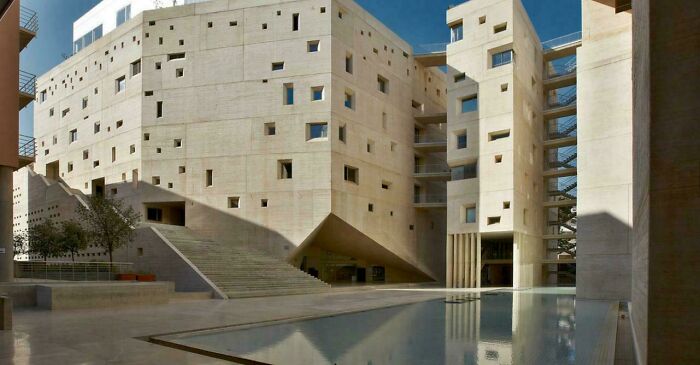
Campus de l'Innovation et du Sport, Beirut, Lebanon. While this hasn't been directly hit by current Israeli military attacks, the surrounding university campus has sustained damage.
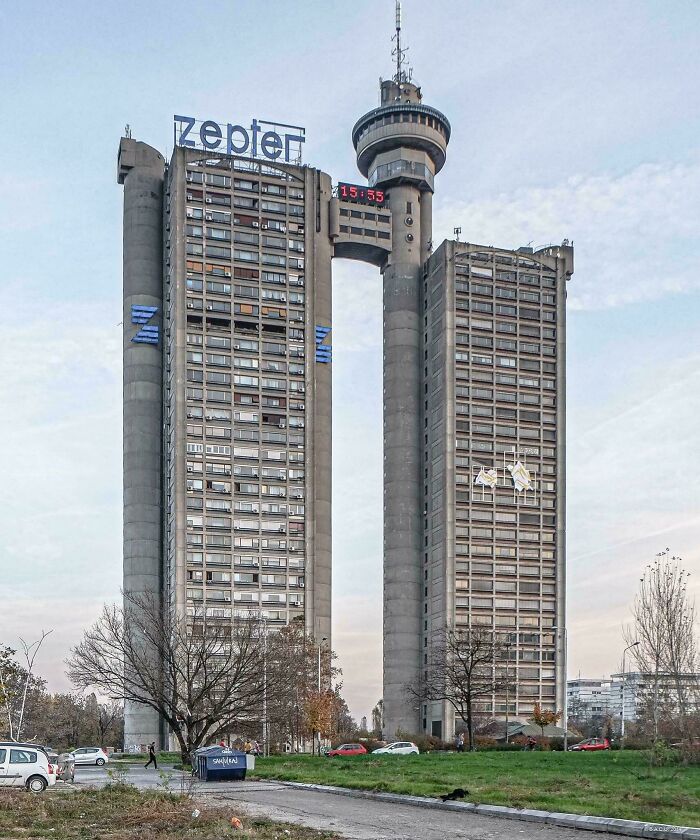
Genex Centre aka Western City Gate, Belgrade, Serbia. The taller building is a fully occupied residential tower. The shorter commercial tower is completely abandoned.
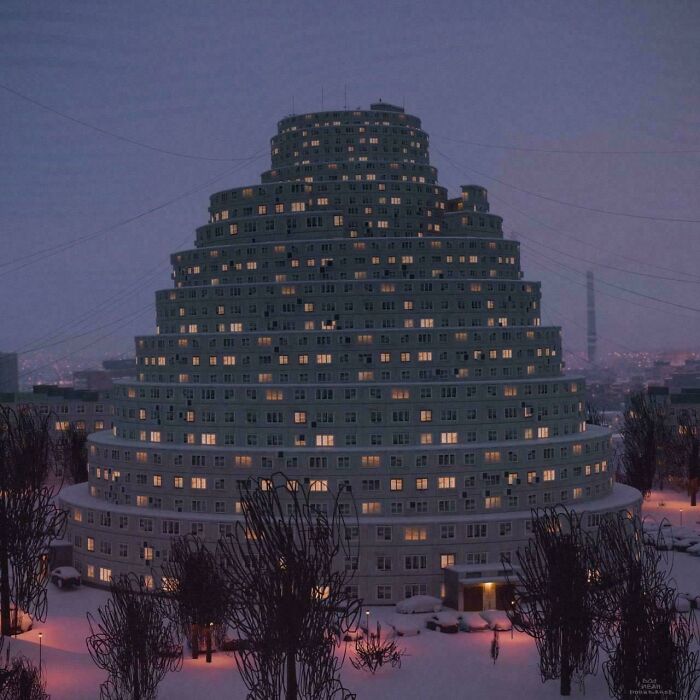
The "Man" complex in Kudrovo near St. Petersburg, a single residential building complex designed to house ~18,000 residents in 3708 apartments..
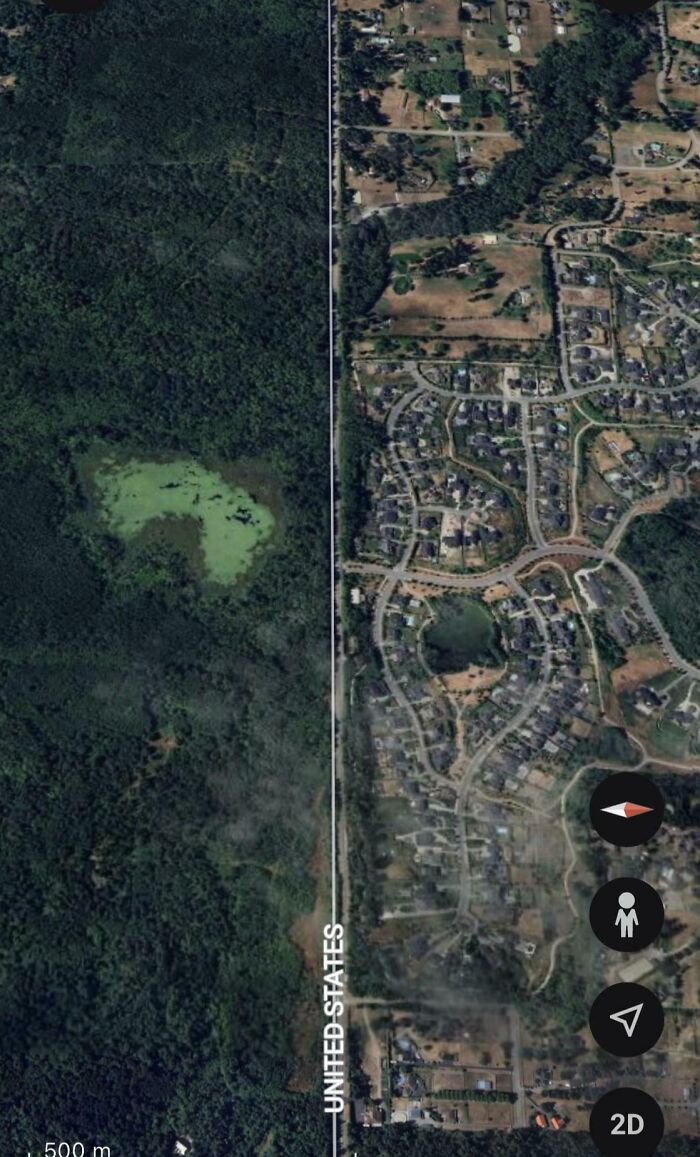
A satellite image of the 49th parallel north, the border between Canada and the US.
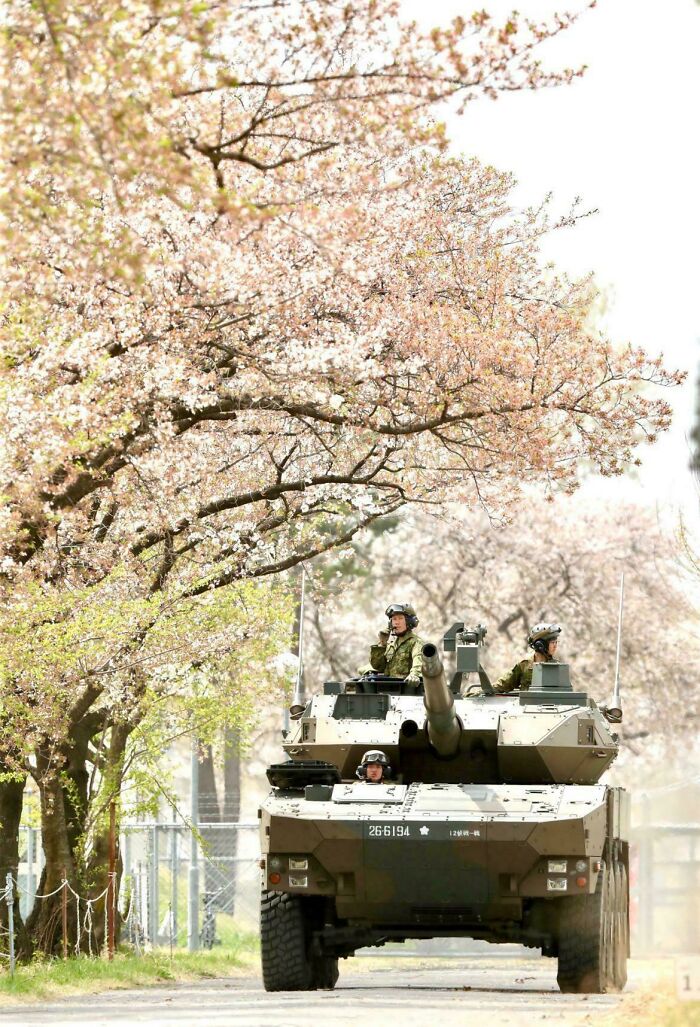
Japanese Ground Self-Defence Force Type 16 Maneuver Combat Vehicle taking part in an annual springtime exercise.
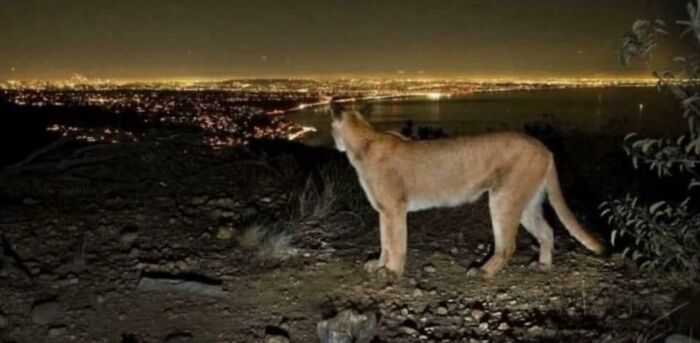
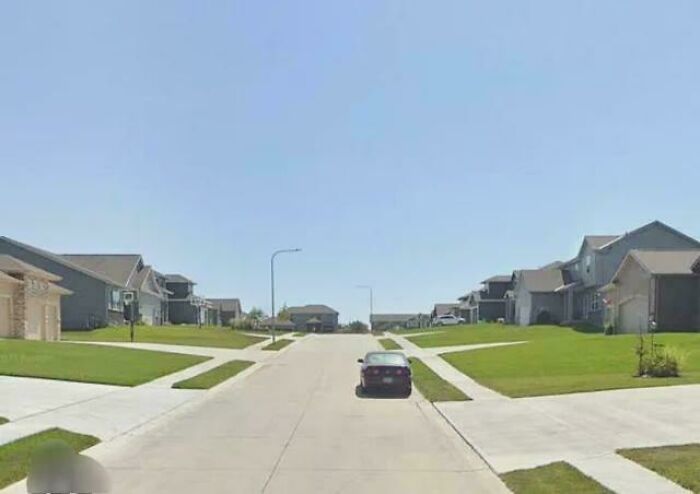
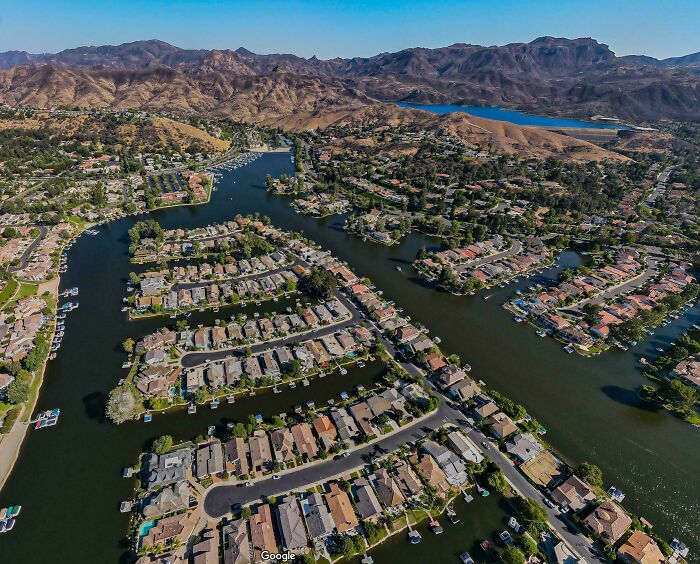
Westlake Village, California, bordered by Ventura, Los Angeles and the Santa Monica Mountains.
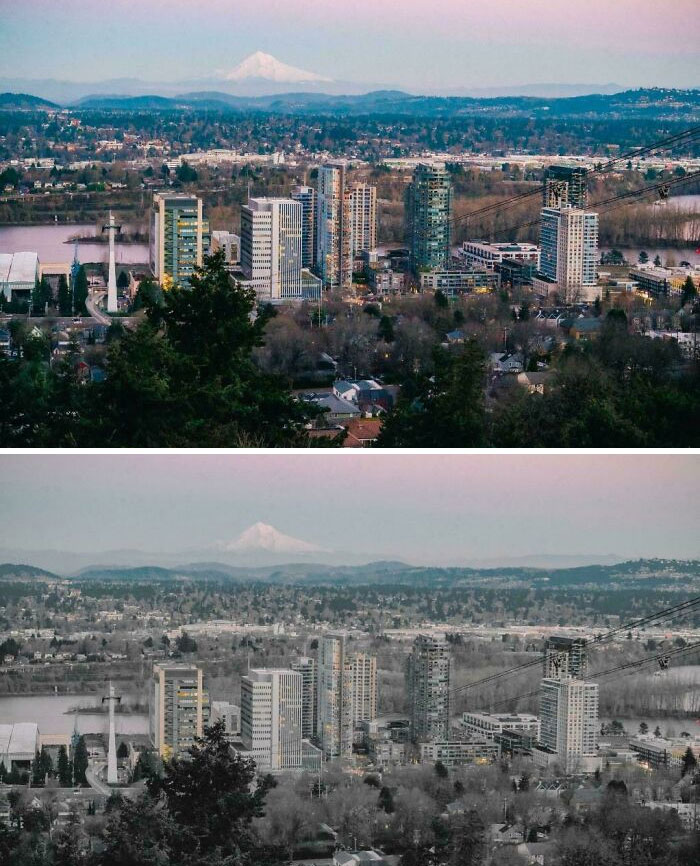
Portland, Oregon. The bottom image is a desaturated version of the top image.
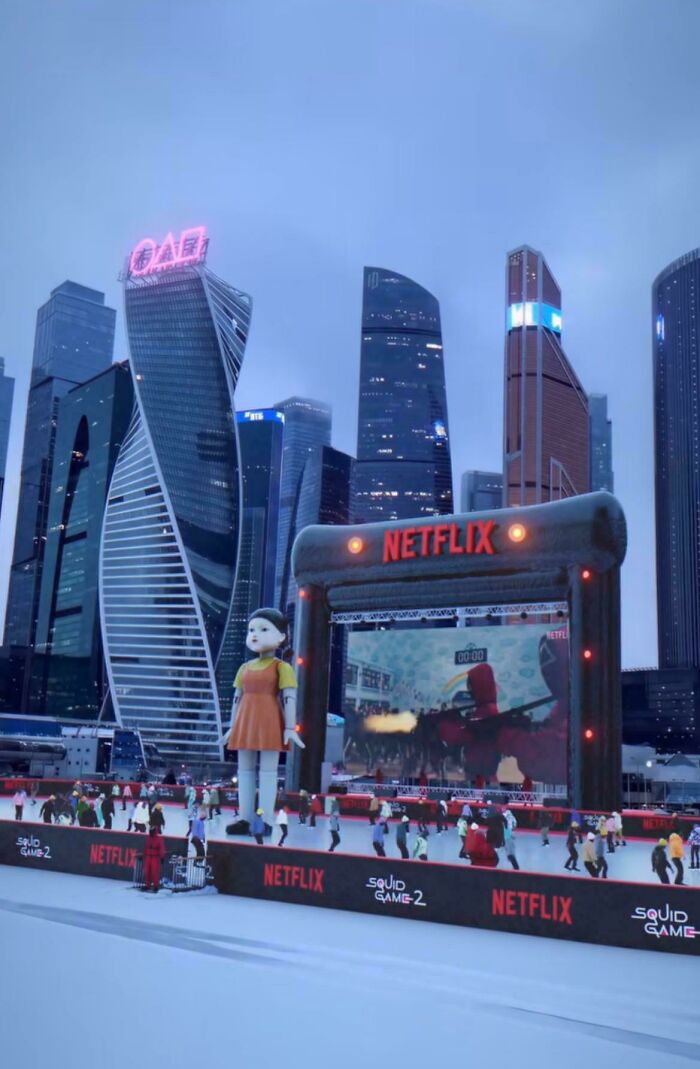
A promotional ice rink and large "Red Light, Green Light" doll for Squid Game 2, in Moskov City, Moscow, Russia.
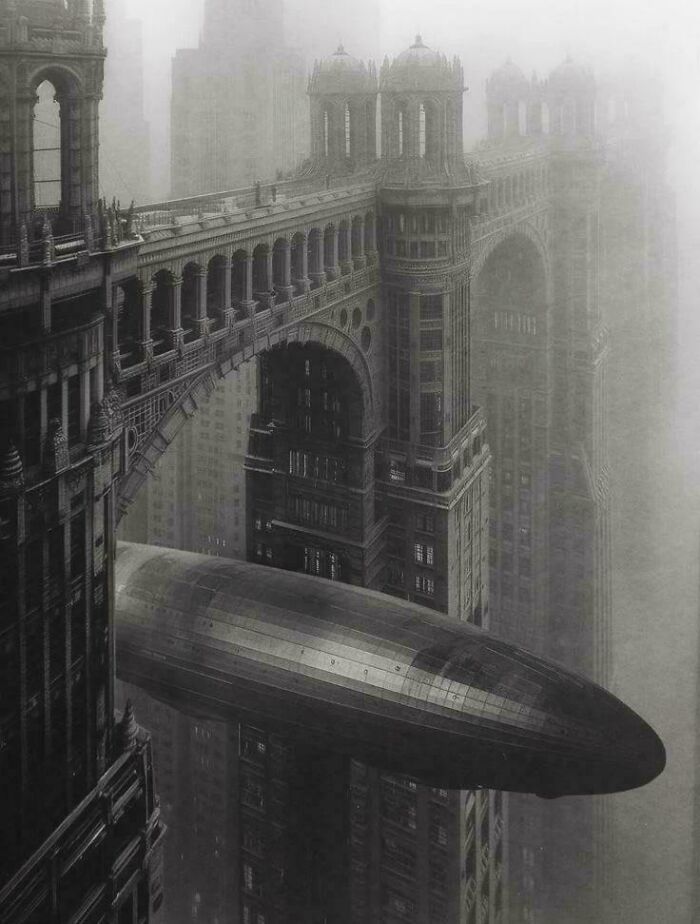
A 2024 digital artwork titled Babylon Panel, by Ivan Ponivanov.


I've added info to some of them purely because of the lack of details.
Load More Replies... 
Some of the photos are good but this was bizarre without any info. Come on, Kornelija, you're better than this level of effort.
Really? You're better? You have no idea how this site works do you. Copying and pasting from other sites, that's how this site works. There's no more effort than that goes into it. It's an advertising site with others content to draw you here. Simple as that.
Load More Replies... I've added info to some of them purely because of the lack of details.
Load More Replies... Some of the photos are good but this was bizarre without any info. Come on, Kornelija, you're better than this level of effort.
Really? You're better? You have no idea how this site works do you. Copying and pasting from other sites, that's how this site works. There's no more effort than that goes into it. It's an advertising site with others content to draw you here. Simple as that.
Load More Replies...



















 No fees, cancel anytime