Get Premium
Dark mode theme is available exclusively for premium users. Learn more about the benefits of subscribing.
No fees, cancel anytime.

 Dark Mode Ad-Free Browsing Unlimited Content
 Ad-Free Browsing Unlimited Content Dark Mode
Join 1.2 million Panda readers who get the best art, memes, and fun stories every week!
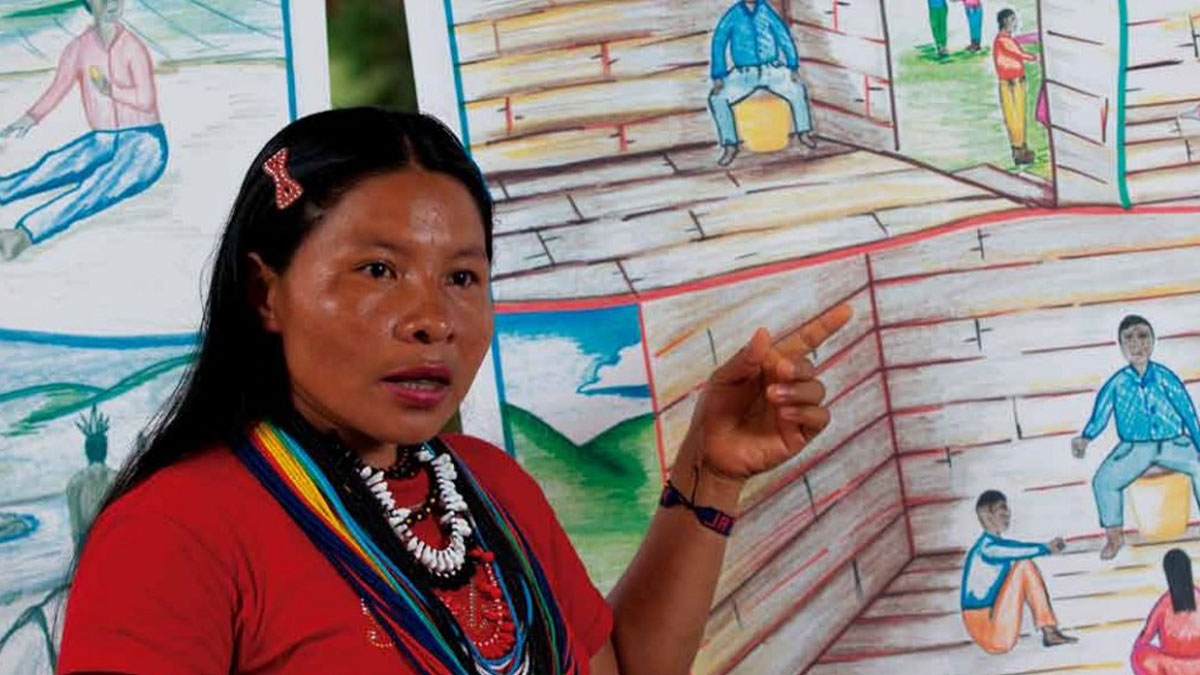
Stepping up to the lectern at the front of the Colombian Senate last month, Juliana Domicó pulled the mic closer to be heard over a boisterous chamber. The renowned Emberá leader was in jubilant mood having just witnessed history: Colombia had become the first country in the Americas to pass a law aimed at eradicating female genital mutilation (FGM).
“This is not a cultural practice, ladies and gentlemen. It is a harmful practice that was imposed on our reservations and our communities,” declared Domicó, a senior representative of the Confederation of the Emberá Nation of Colombia (CONNPEC).
The June 10 vote came just ten days before the legislation was due to be shelved and marked a major milestone in a years-long campaign led by Indigenous women, several of whom were in the Senate chamber to witness the fourth and final vote needed to pass it into law.
Yet even now, no one, not doctors, not officials, not the government, can say with certainty how many girls have undergone the procedure, or how many remain at risk today.
Exclusive Content Ad-Free Browsing Dark Mode Exclusive Content Ad-Free Browsing Dark Mode 






























 No fees, cancel anytime