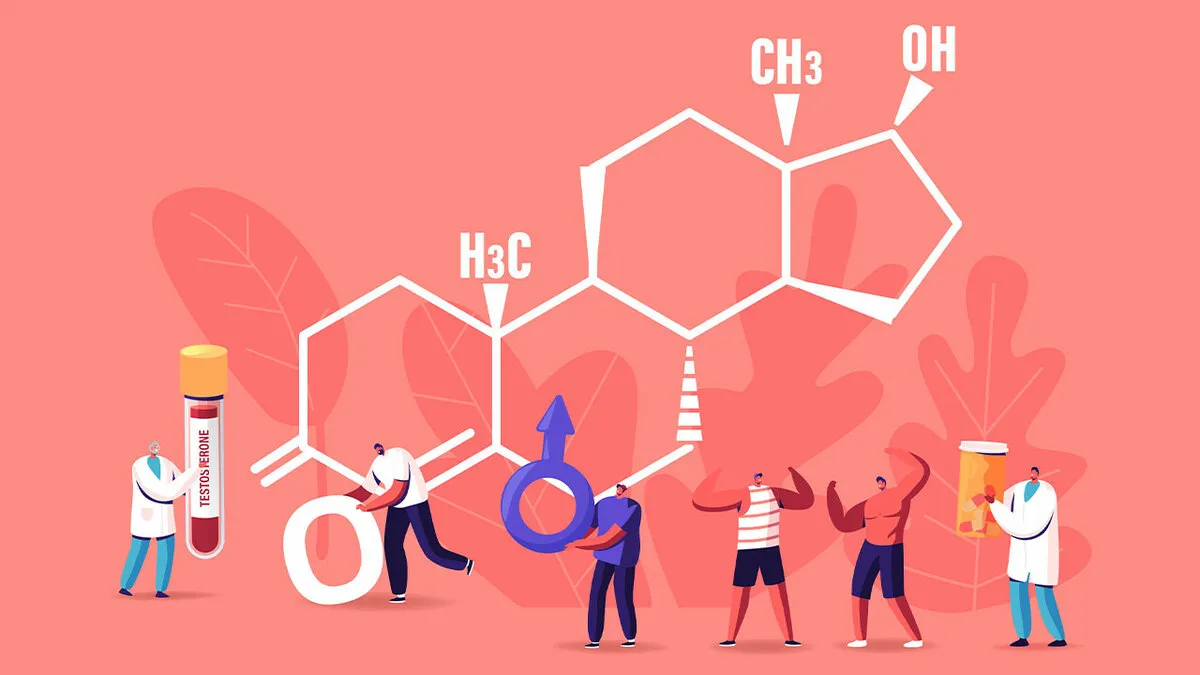
Testosterone has a bit of a reputation, doesn’t it? Mention the hormone, and most of us might immediately picture gym bros lifting heavy weights, guys comparing their gains, or someone insisting the secret to feeling like a man is sky-high T levels. But testosterone does a lot more than help build muscle. It plays a role in libido, mood, energy, and reproductive health, and yes, women have it too. So there’s more to this hormone than meets the eye. For men, testosterone levels naturally change with age, but sometimes they drop enough to cause noticeable symptoms. Maybe you’re feeling exhausted even after a full night’s sleep, your interest in intimacy isn’t what it used to be, or your workouts just aren’t delivering the same results. It’s no wonder TRT has attracted so much attention. According to Business Insider, testosterone replacement therapy use has quadrupled over the past three decades, with as many as 11 million Americans using it. That’s a lot of men looking for answers, but does everyone who feels a little off actually need hormone treatment? Before you rush to book an appointment or start dreaming about feeling 20 again, a few things are worth knowing, especially as TRT comes with potential side effects. Let’s get into it. pressfoto / magnific (not the actual photo) Testosterone is often associated with muscle and masculinity, but it plays a much bigger role in men’s health. Produced primarily in the testicles, the hormone helps maintain bone density, muscle strength and mass, fat distribution, facial and body hair, red blood cell production, libido, and sperm production. In other words, it affects many of the functions that keep the body working properly. According to the Mayo Clinic, testosterone levels generally peak during adolescence and early adulthood, then gradually decline by around 1% per year after age 30 or 40. However, levels can fluctuate throughout the day, and age isn't the only factor involved. Sleep quality, stress, nutrition, physical activity, and overall health can also influence hormone levels. That said, a gradual decline doesn't automatically mean something is wrong. As men get older, it's important to distinguish between normal age-related changes and hypogonadism, a medical condition in which the body cannot produce enough testosterone because of a problem with the testicles or the pituitary gland. For men with confirmed hypogonadism, treatment may help relieve the symptoms. MrDm / magnific (not the actual photo) This brings us to testosterone replacement therapy, commonly known as TRT. It's a medically supervised treatment that provides testosterone to people whose bodies don't produce enough of the hormone. Depending on the individual, providers may administer it through injections, gels, patches, or implanted pellets. The trouble is that TRT has increasingly become part of a much bigger conversation about men's health, aging, and masculinity. In The Atlantic article “T-Maxxing Has Gone Too Far”, the publication explores how concerns about declining testosterone levels have helped fuel interest in hormone treatment. In the United States, testosterone prescriptions have increased substantially, while online clinics promise men they'll get their energy, confidence, and vitality back. The political conversation has also fueled attention around TRT. The Atlantic reported on the Trump administration's interest in testosterone levels, including efforts to promote men's hormonal health and consider broader access to treatment. Health and Human Services Secretary Robert F. Kennedy Jr. has also described low testosterone in teenage boys as an “existential issue,” as reported by NBC News. magnific (not the actual photo) There is evidence that average testosterone levels among American men have declined over time. A study published in 2007 that followed men in the Boston area over two decades found that testosterone levels had fallen beyond what aging alone could explain. However, researchers have not established one definitive explanation for this trend, and a decline in population averages doesn't mean every man has a medical deficiency. And this is where things get complicated. Low testosterone is a real medical problem, but not every man who feels tired, less motivated, or different as he ages necessarily needs TRT. Fatigue, mood changes, and reduced libido can have several causes, including poor sleep, stress, obesity, medication effects, and other health conditions. A 2026 study presented at the Endocrine Society's ENDO meeting raised further concerns about how testosterone is prescribed. Researchers from the University of Michigan examined 200 men who had been prescribed testosterone and found that only 12% had undergone the full set of diagnostic checks specified in the study's guideline-based criteria. Although the sample was relatively small and drawn from one institution, the findings highlight why proper testing matters before starting treatment. magnific (not the actual photo) magnific (not the actual photo) For men with confirmed testosterone deficiency, TRT can make a meaningful difference. Depending on the underlying cause and symptoms, treatment may improve libido, help maintain muscle and bone mass, and ease some of the symptoms associated with hypogonadism. However, results vary, and TRT isn't guaranteed to resolve every problem a person hopes to fix. The Mayo Clinic notes that the benefits of treatment for otherwise healthy men experiencing a normal age-related decline remain unclear. There are also downsides to consider, particularly if someone starts treatment without a clear medical need. Fertility concerns: TRT can suppress the body's natural testosterone production and reduce sperm production. This is especially important for men who hope to have children. In some cases, recovery of sperm production after stopping treatment can take months or longer, and it isn't always predictable. Skin and hair changes: Acne and oily skin can occur, and men who are genetically predisposed may experience accelerated male-pattern hair loss. Other physical effects: TRT can cause fluid retention, breast tenderness or enlargement, and an increase in red blood cell levels. Some men may also experience worsening sleep apnea. Ongoing monitoring: Treatment isn't a one-and-done solution. Men receiving TRT need follow-up appointments and blood tests to monitor testosterone levels, blood counts, and other potential complications. Fertility is one of the biggest considerations. In The Atlantic's reporting on testosterone treatment, urologists have warned that external testosterone can work against sperm production, even when it improves other aspects of physical health. Men who may want children should discuss this with a specialist before starting therapy, as other treatment approaches may be more suitable. Ultimately, TRT can be useful when there's a genuine deficiency, but taking extra testosterone doesn't automatically mean better health, greater vitality, or improved performance. The goal should be to treat a diagnosed problem, not simply chase a higher number on a blood test. New Africa / magnific (not the actual photo) When it comes to TRT and bodybuilding, there’s often more to consider than just muscle growth and strength. To understand how testosterone replacement therapy can affect someone’s fitness journey, we spoke with Coach Praveen Nair, who has coached professionally for the past 15 years. According to Praveen, people might expect TRT to help them build muscle, but they sometimes overlook the fundamentals that make the biggest difference. “I once had a client who believed TRT would help him build muscle much faster. He thought increasing his testosterone levels would automatically lead to bigger gains, but building muscle doesn't work like that. You still need a structured training plan, proper nutrition, adequate sleep, and consistency. Hormones alone won't do the work for you,” Praveen said. He added that people can get so focused on shortcuts that they forget what might actually be holding them back. “Before considering hormone treatment, it's important to understand what your body needs and seek medical advice if you suspect low testosterone. My advice is to focus on your training, recovery, and nutrition first, and leave decisions about hormone treatment to qualified medical professionals,” Praveen explained. Getty / Unsplash (not the actual photo) If you're experiencing persistent fatigue, reduced libido, or other symptoms that make you suspect low testosterone, the first step isn't necessarily to sign up for a hormone clinic. It's to speak with a qualified healthcare professional who can assess your symptoms, review your medical history, and arrange appropriate testing. Doctors usually check testosterone levels in the morning, and a diagnosis generally requires consistently low results alongside relevant symptoms. It's also worth considering everyday factors that may affect how you feel. Getting enough quality sleep, exercising regularly, eating a balanced diet, managing stress, and addressing weight-related or other health concerns can support overall well-being. These steps won't fix every case of hypogonadism, but they may help when lifestyle factors are contributing to symptoms. If a medical condition is responsible, it deserves proper evaluation rather than being treated with lifestyle changes alone. The important thing is to avoid assuming that every dip in energy or change that comes with age is a testosterone problem. TRT can be an effective treatment for men who genuinely need it, but it also carries risks and requires ongoing medical supervision. The smartest approach is to understand what's causing your symptoms first, then choose a treatment based on evidence rather than promises of a quick fix. Testosterone matters, but looking after your health means seeing the bigger picture, not just focusing on one hormone.