



#1

#2
#3

Women file for divorce more than men. A lot more. We're talking 70% of all divorces, and if she has a degree, that jumps to 90%. So while he's out there thinking the marriage is "going through a rough patch," she's already Googled three divorce lawyers, picked the one with the best reviews, and scheduled a consultation during her lunch break.
But these women aren't filing just because they woke up one day and felt like it. Women tend to carry more of the emotional weight in a marriage, more of the household labour, more of the invisible administration of an entire shared life, and less of the appreciation for doing so.
Financial independence changed everything too, and women who can support themselves don't have to stay in something that isn't working, which is a revolutionary thought. Women can now fend for themselves and don't need a man to be the hunter to her gatherer. She can be the provider, the nurturer, and the whole village all on her own. It will be hard, but she can do it while wearing stilettos.
#4

#5

#6

But within that very telling number of women-led divorces, another number caught our eye. 64% of divorced women say the marriage failed because of their spouse. Only 44% of men say the same. And 42% of men think the blame should be split equally, compared to just 29% of women.
So the average divorced man thinks it was a team effort. The average divorced woman has a more specific theory, a folder of evidence, and receipts going back further than he would care to know.
What makes this thread a little surprising is that the men in it are not doing the usual thing. They are not citing "irreconcilable differences" as a polite way of saying she was difficult. They are naming and shaming themselves. This is a step in the evolutionary chain of events that nobody saw coming. Maybe hindsight really is 20/20. If only these men had gotten their vision checked a little sooner...
#7

#8

#9

In the early 1900s, just one in 450 marriages in the UK ended in divorce. Now it's closer to one in two. The change didn't happen because people suddenly started marrying the wrong person. It happened because women got jobs, got bank accounts, and got options. As psychologist Heidi Kar puts it, economic independence is the prerequisite for a woman being able to leave. No money, no exit. It's not romantic, but it is true.
For most of history, unhappy marriages didn't end simply because they couldn't. The wife stayed because the alternative was financial ruin. So when people wring their hands about the rising divorce rate, what they're actually mourning is a world where women had no choice. The logical conclusion is that the divorce rate went up because marriage got worse. But in reality, it went up because women got free.
#10
#11
#12

About a third of divorced people say they regret it. Which sounds like a lot until you remember that the same data shows most divorced people are happier in the long run than they were in the final years of their marriage. Both things can be true. You can miss something and also know it needed to end. You can grieve the wedding photos and still not want to go back. Regret is complicated, and divorce is complicated, and humans are, above all else, extremely complicated.
The men in this thread seem to understand this without needing it explained to them. Bravo! Their honesty comes with something rarer and more useful than just begging for a second chance: clarity. Clarity only arrives after enough time, and enough therapy and countless hours of staring at the ceiling during a sleepless night.
#13

#14
#15
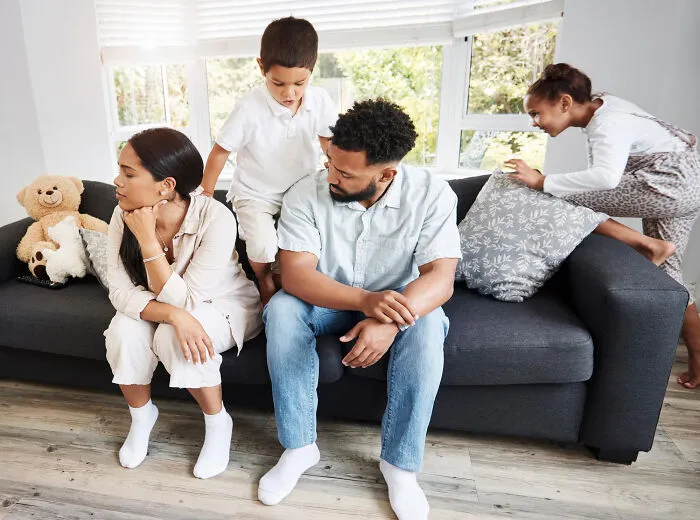
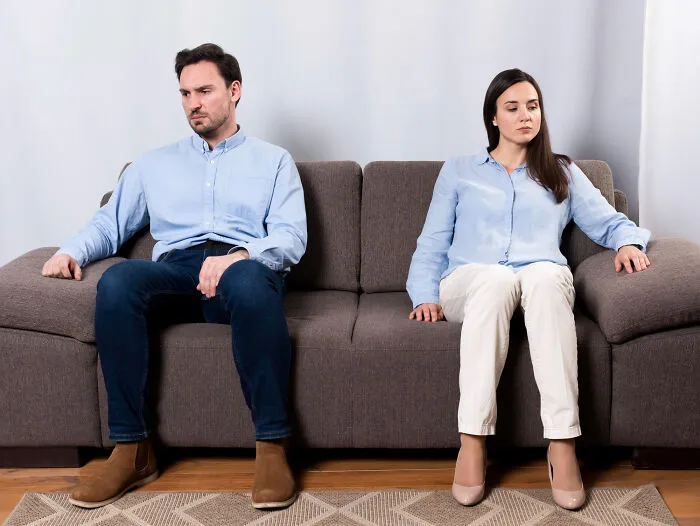
Dr. John Gottman spent decades studying what dooms a marriage and landed on four behaviours he calls the Four Horsemen of Divorce. The first one is 'Criticism,' where you go after who your partner is rather than what they did. Next, 'Contempt'. The eye rolls, the sarcasm, the subtle (and not so subtle) making them feel small.
Contempt is the big one. Gottman says it's the single strongest predictor of divorce and honestly, having been on the receiving end of a well-timed eye roll, that tracks. Then there's 'Defensiveness', which is just blame with better posture. And 'Stonewalling,' the shutdown, the silence, the leaving the room mid-sentence that slowly becomes leaving the marriage.
But there are fixes. Use "I" statements. Say thank you occasionally. Take responsibility for something, anything. Take a breath before you respond instead of just walking away permanently. The men in this thread can tell you, in retrospect, exactly which horseman showed up first in their marriage.

#17

Some commenters came to this thread fully prepared for a festival of blame-shifting but they were soon left eating their own words. "I came for the comments," one wrote, "fully expecting men to blame the wife. And I can say I'm so proud of men for taking accountability."
Sweet. Touching. Also a little bit devastating that "did not blame the wife" was the baseline expectation and these men still managed to make it feel like an achievement. The bar is pretty low, but at least someone picked it up.
#19

#20