



You did not choose your name. You were not consulted. You were probably not even out of the womb when someone imagined your tiny face and decided what the world would call you for the rest of your life, based on a celebrity they liked, a relative they wanted to honour, or a vibe they were going for that year.
And yet somehow, before you have even sharpened your first pencil or kicked your first football across a classroom, a teacher has already spotted your name on the register and formed an opinion. Not about your work ethic. Not about your attitude. About the name your parents picked. Welcome to school, Jayden. They were expecting you.
If there is anyone you should listen to about naming a baby, it should be a teacher
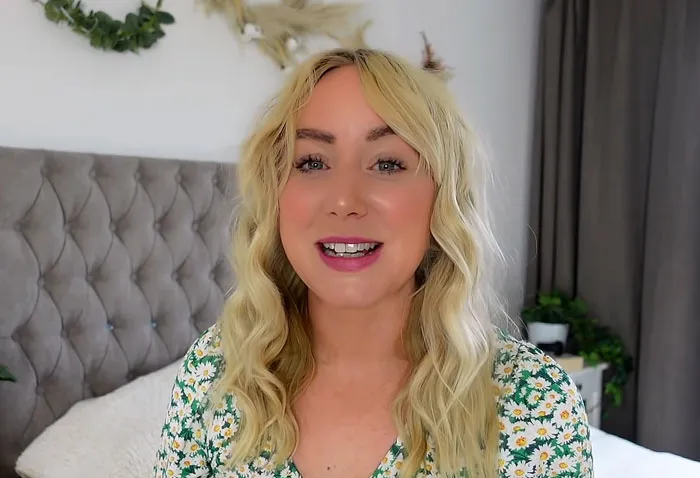
Image credits: SJ Strum / YouTube
A baby naming expert compiled a list of red-flag names that teachers told her are their biggest pet peeves
The person responsible for opening this particular can of worms is SJ Strum, a baby name consultant. Strum put out a call to teachers asking for anonymous tips and stories about names they had encountered in their classrooms over the years. Teachers came through with receipts and told her names that made them quietly brace themselves when they saw them on the register.
Strum compiled the findings and broke down what she called the "naughty names", or more specifically, the names most likely to get a child judged before they have done a single thing wrong. And before we get into it, yes, it is wildly unfair. These kids did not name themselves. But the teachers said what they said, and you might want to pay attention.
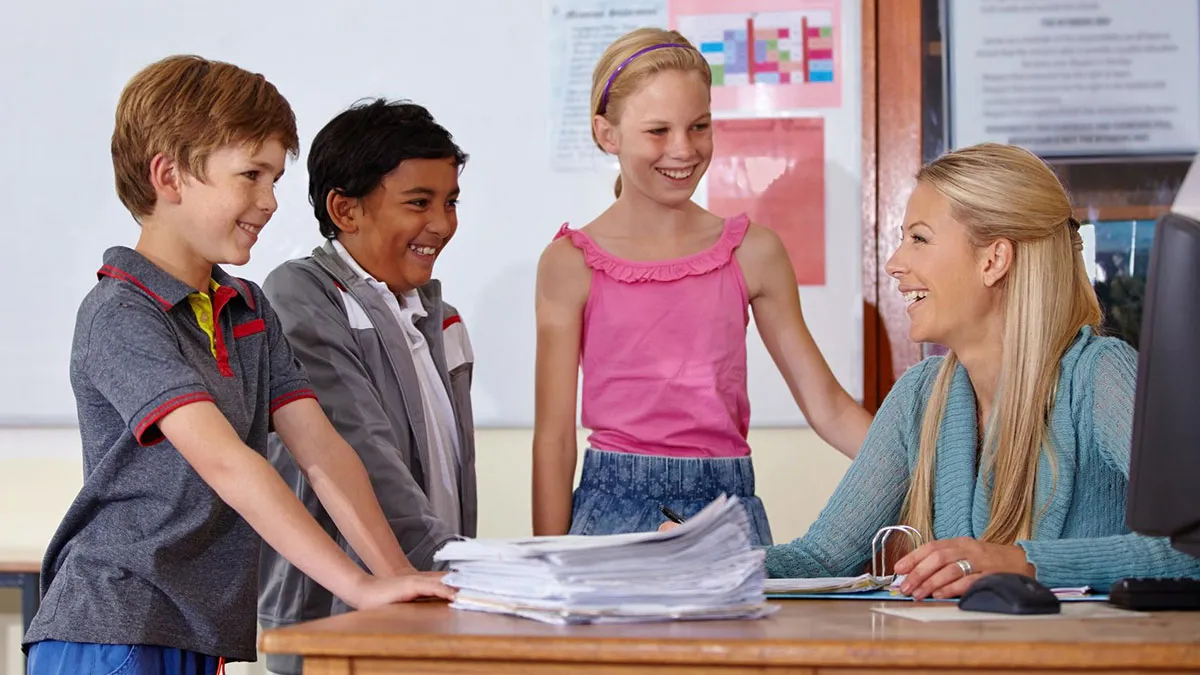
Image credits: The Yuri Arcurs Collection / Magnific (not the actual photo)
Most teachers said that normal names spelled in weird ways are the worst of the worst
First up, teachers were fed up with the uniquely spelled names. Now, there is nothing wrong with wanting your child to stand out. Individuality is beautiful. But there is a limit. Teachers have flagged names like Emma-Leigh (instead of Emmily), Jaxsyn, Blossem, Imagin and Fee-Bee as ones that cause a particular kind of daily friction.
Because not only does the teacher have to learn the name, they have to unlearn every instinct they have about how to spell it. Strum's advice is actually pretty reasonable, unique names are fine, even great, as long as they are phonetically straightforward. Sage, Echo, Scout, lovely, easy, nobody is getting it wrong on a school trip permission slip.
But if your child's name looks like it was autocorrected three times and then left as is, their teacher is going to be quietly stressed about it for years.
Image credits: The Yuri Arcurs Collection / Magnific (not the actual photo)
Others had a few names in mind that basically guaranteed the child would be a handful
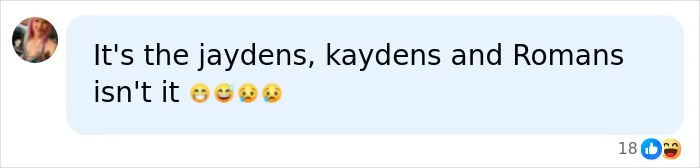
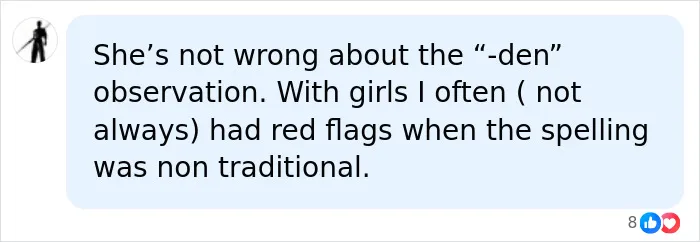
According to the teachers, certain names also kept popping up alongside more, er, ‘lively’ children. For boys, the biggest red flags were Jake, Max, Jack, and Harrison. But the category that generated the most responses? Anything ending in "-den." Hayden, Jayden, and their various cousins are apparently, collectively, a handful.
For girls, Isla and Jessica were flagged as "really chatty". Martha apparently comes with high-maintenance energy. And Alexandra, according to multiple teachers, can lean toward being "a bit of a bully." To every Alexandra reading this, we are just the messengers. To every Jayden, we are so sorry and also, is it true?

Image credits: freepik / Magnific (not the actual photo)
They were also tired of trending names, leading to dozens of kids in one class having the same name
Then there is the problem of critical mass. Teachers across the board flagged the sheer volume of certain names as its own kind of challenge. Charlie, Oliver, Olivia, Isabella, Ella, and Alfie have been used so frequently in recent years that teachers are running out of ways to distinguish between them.
One teacher reportedly had four Laylas in a single class. Another had ten Sophias. This even further complicates things when kids have to start going by their second name at school, and their first name everywhere else. That is too much for a kindergartener to handle when they are trying to learn how to count.
Image credits: freepik / Magnific (not the actual photo)
And there was also a moment of silence for the truly bizarre and mind-boggling names that just don't belong on a register
And finally, she gave us the names that require a full pause before responding. Someone, somewhere, decided to name their twins Denim and Suede. Which sounds a bit like a cry for help. Matching sibling names like Jason and Mason were also flagged, cute in theory, but chaotic in a classroom when a teacher is trying to get the right one's attention across the room.
But the real standouts from teacher submissions were the names that appeared to be less of a choice and more of an accident. DKNY was apparently bestowed upon an actual human child. And then there is Jack Daniels. This poor child is going to have a lot of explaining to do for the rest of their life. But honestly? They are going to be the most interesting person at every dinner party.
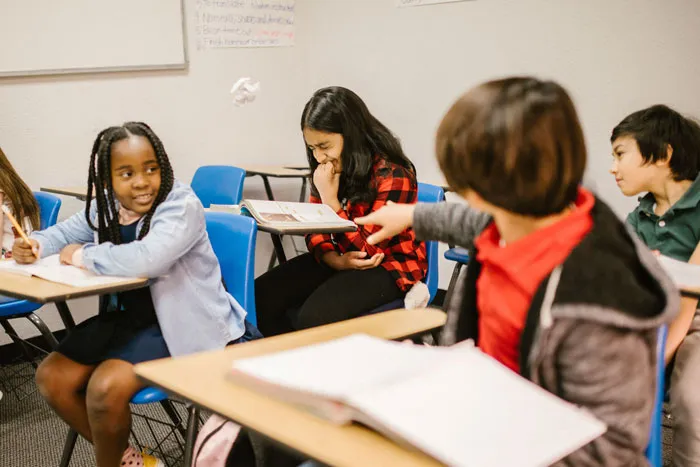
Image credits: RDNE Stock project / Pexels (not the actual photo)
Economist David N. Figlio at the University of Florida found that teachers treat children with unconventional or "exotic" names measurably differently from siblings with more classic names, and the implications go well beyond assuming a Jayden might be chatty. Teachers subconsciously make assumptions about a child's family background and socioeconomic status.
"When you see a name like David or Catherine, you internalize it in a different kind of way than a name such as Laqwinisha," Figlio said. Those assumptions, he found, can lead to disproportionate disciplinary actions. The name becomes a proxy for a whole set of judgements that have nothing to do with the child sitting in front of them.
A separate study published in LiveScience made the pattern even more concrete. Prospective teachers were asked to rate students by name on a scale of predicted academic success. Katherine scored a 7.42. Samuel scored a 7.20. Travis came in at 5.55. Amber at 5.74. That two-point gap translates to a 20 percent difference in perceived academic ability.
This is based entirely on a name. Not a grade. Not a test. A name chosen by a parent before the child could sit up. Which brings us back to the whole point: the kids called are not the problem. The assumptions attached to their names are. And those assumptions, it turns out, have real consequences.
Are you a teacher who dabbles in a little name-bias now and then? Tell us which names pop up on your red-flag list!
Watch the full video here
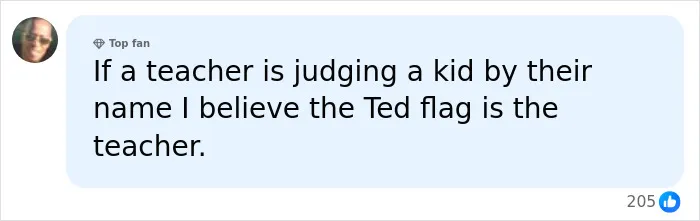
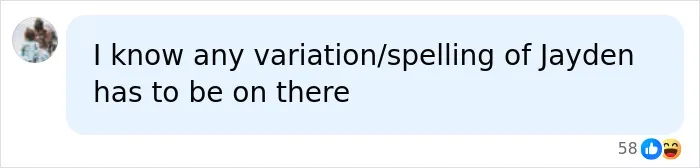
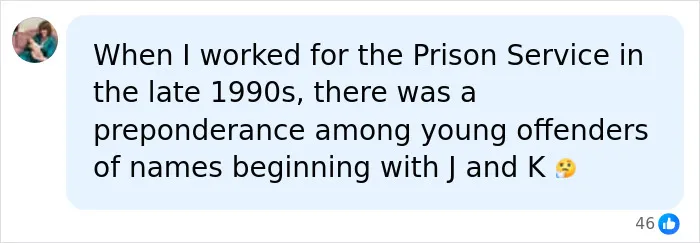
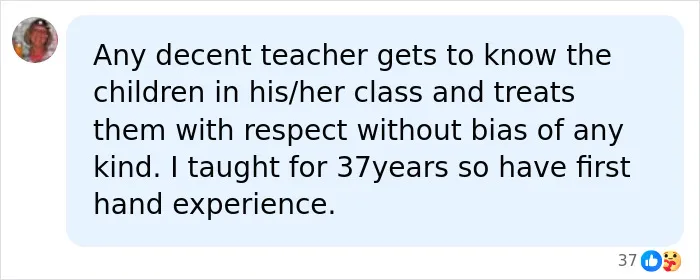
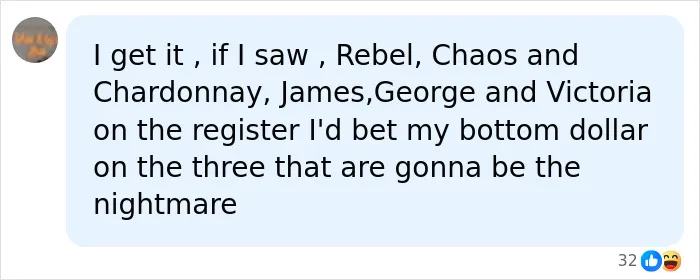
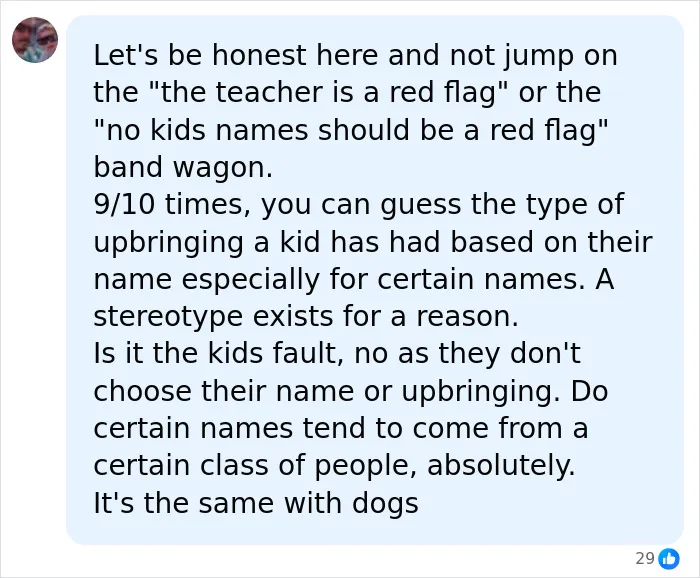
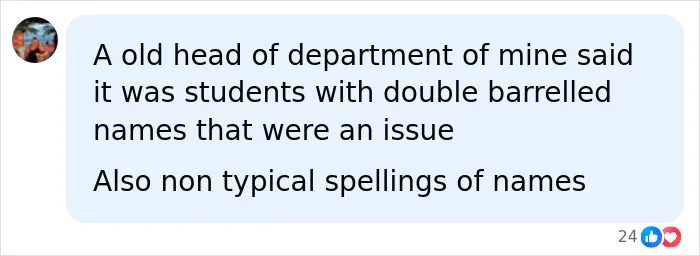
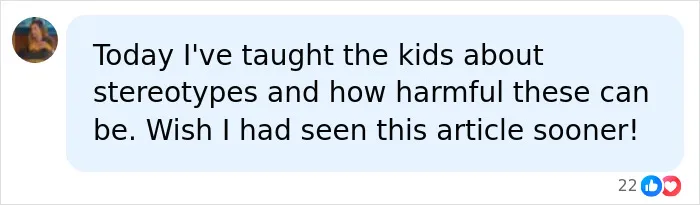
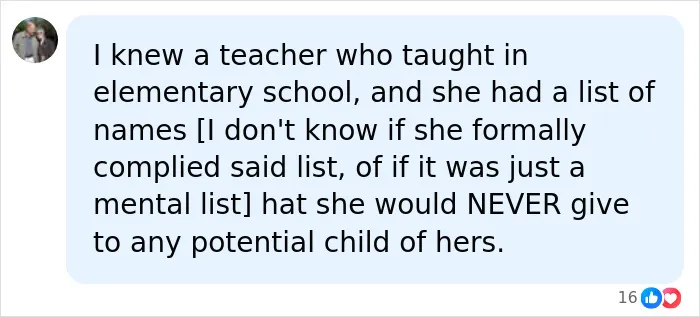
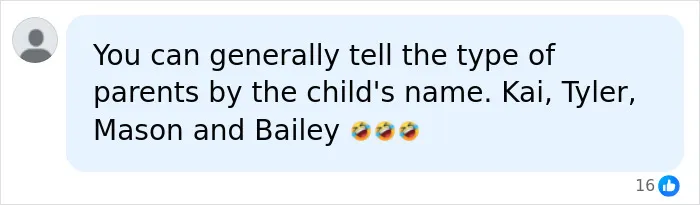
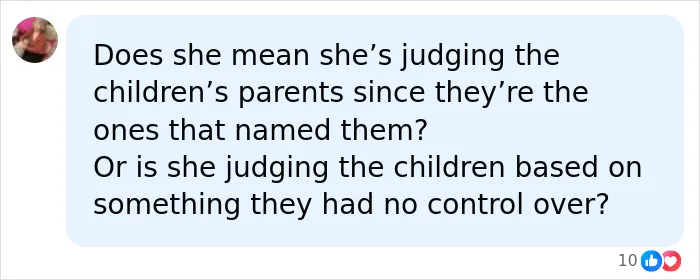
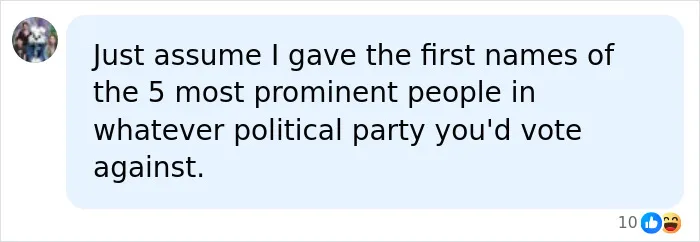
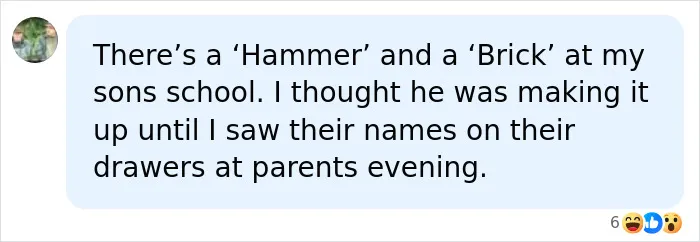
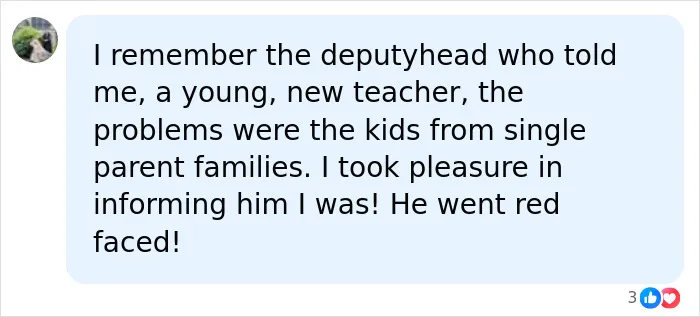
Folks flooded the comments with even more names that basically just substantiate these findings even further