Get Premium
Dark mode theme is available exclusively for premium users. Learn more about the benefits of subscribing.
No fees, cancel anytime.

 Dark Mode Ad-Free Browsing Unlimited Content
 Ad-Free Browsing Unlimited Content Dark Mode
Join 1.2 million Panda readers who get the best art, memes, and fun stories every week!
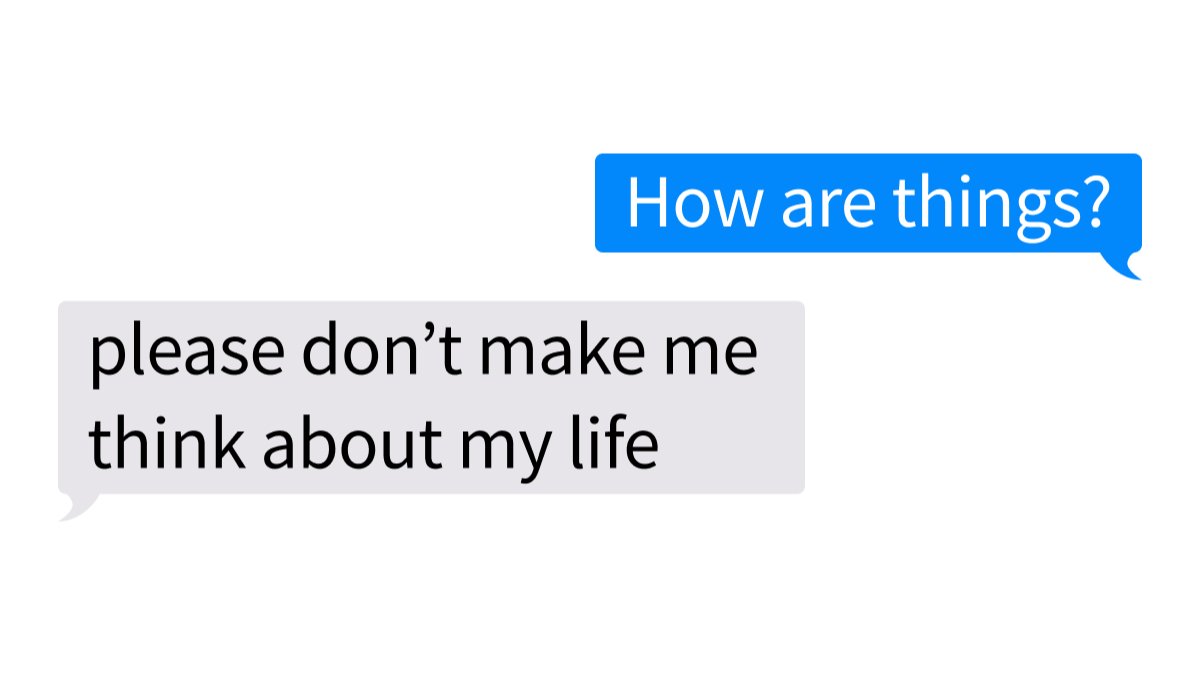
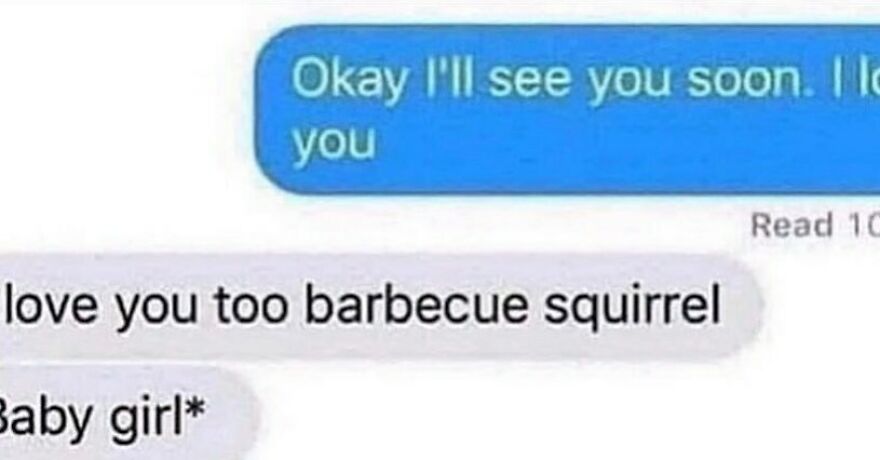
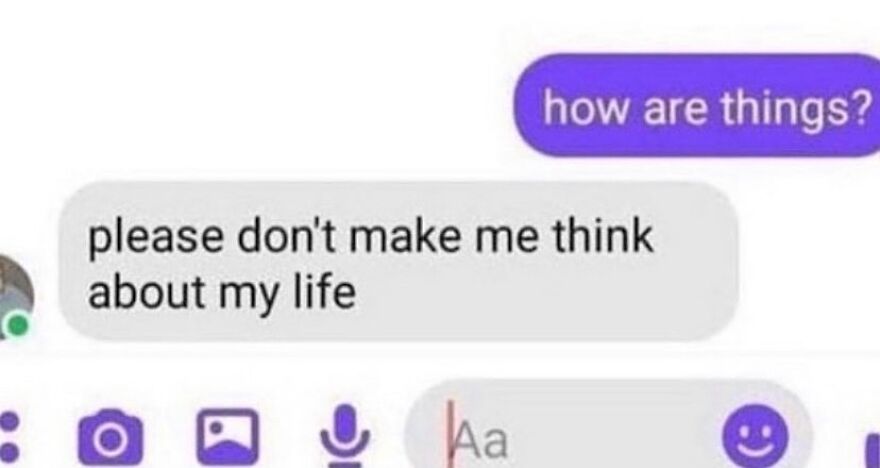
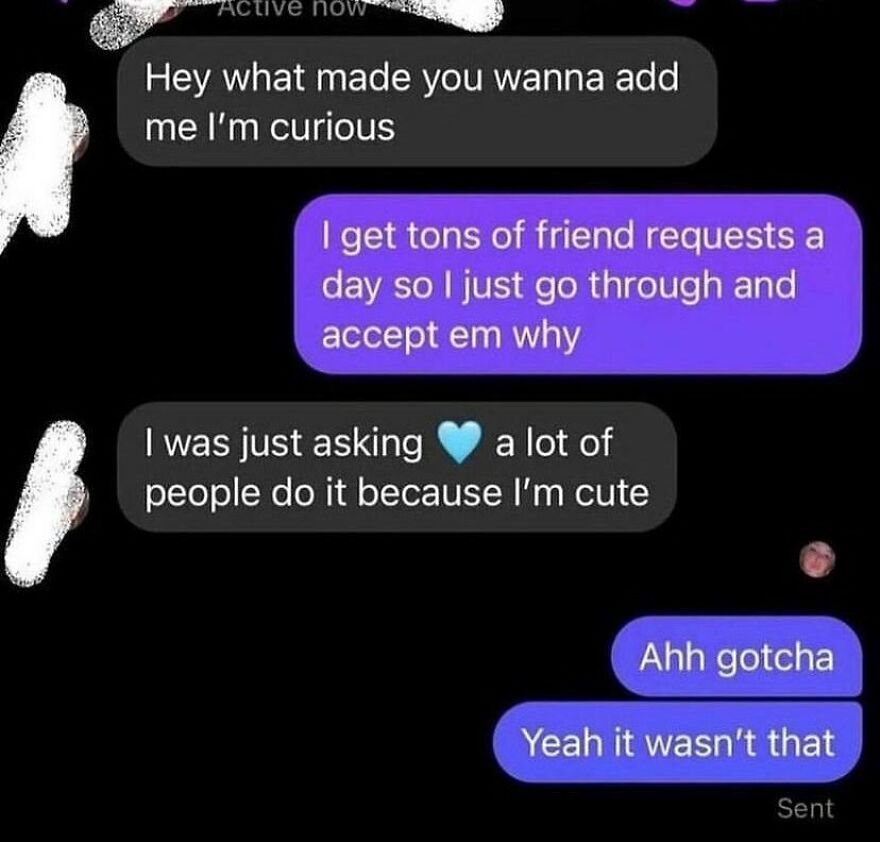
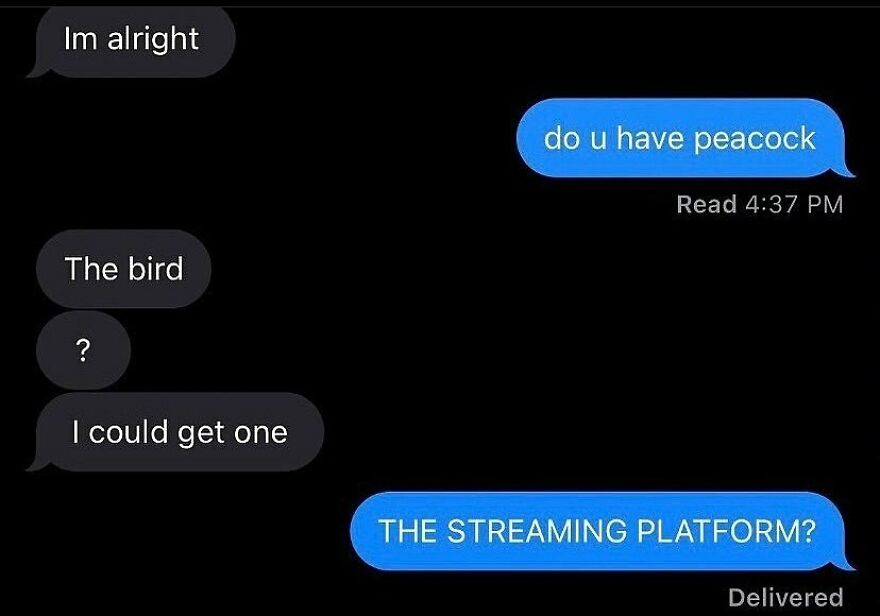
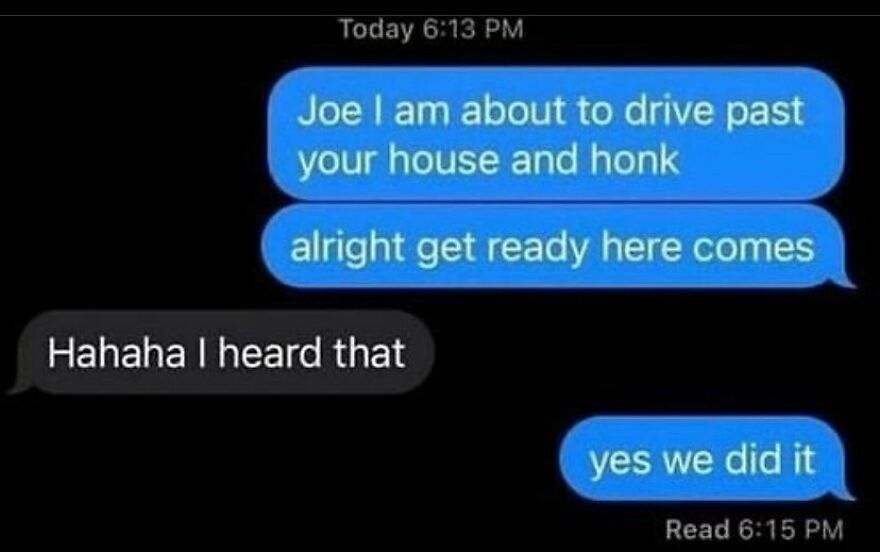
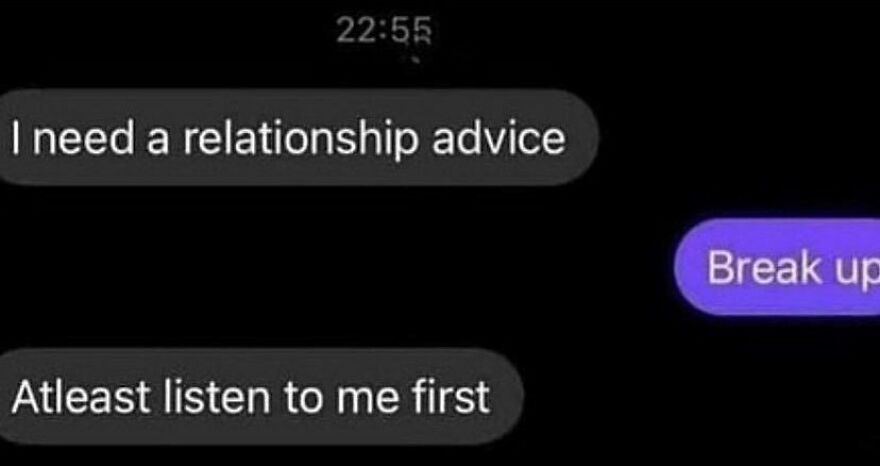
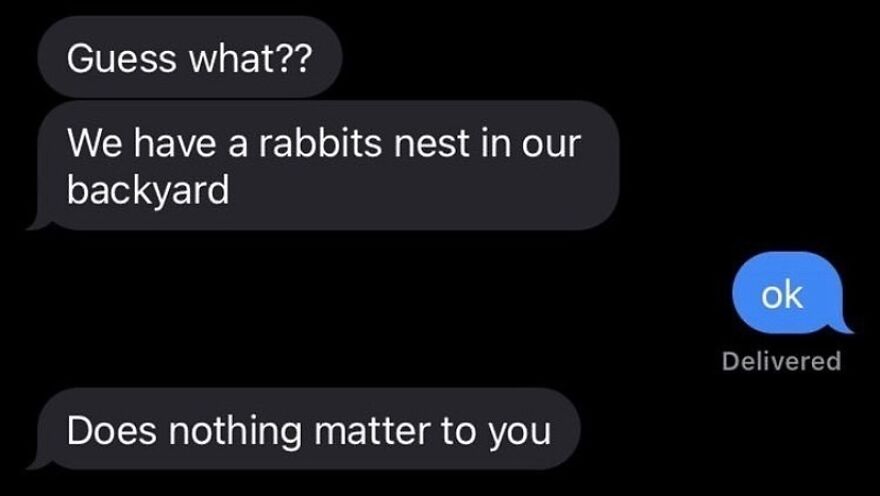
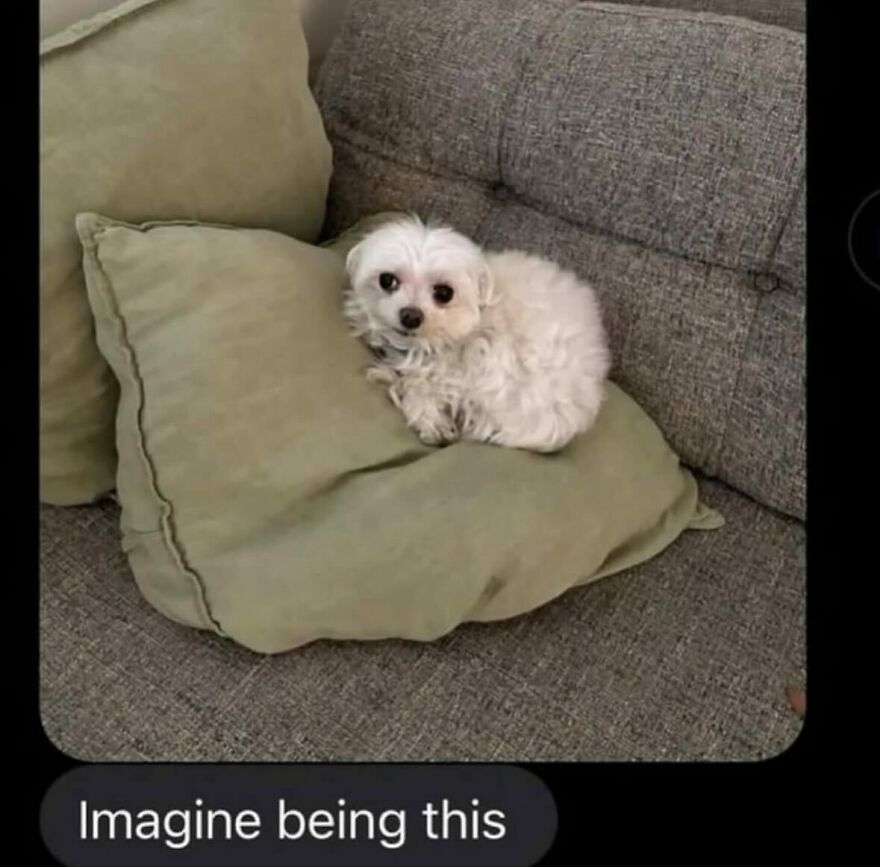
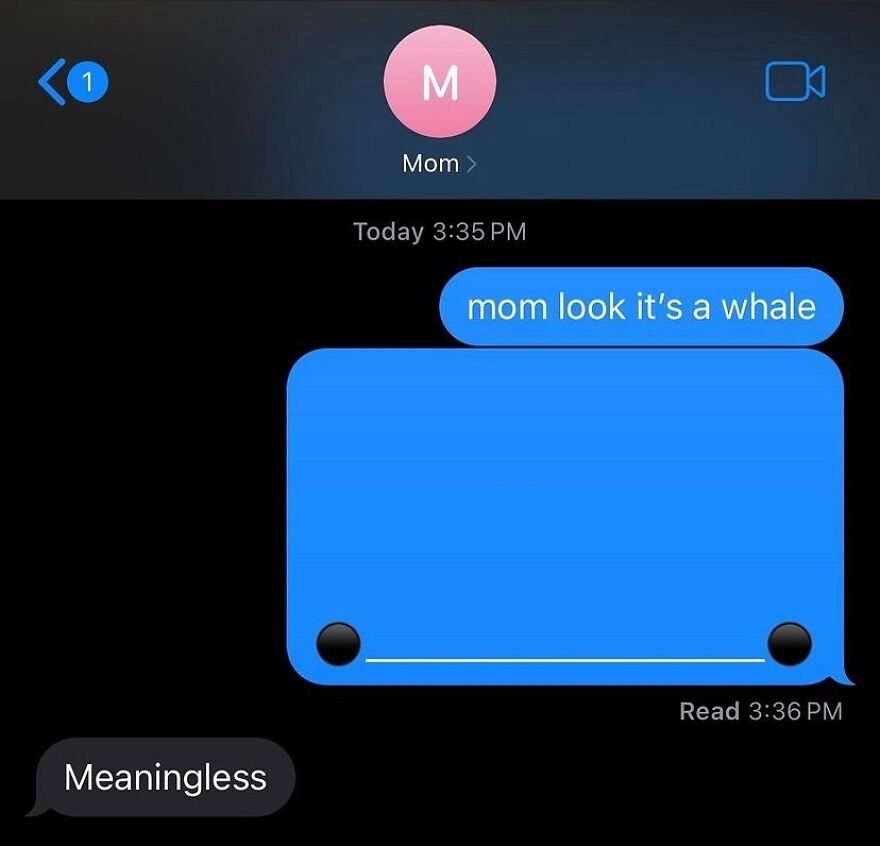
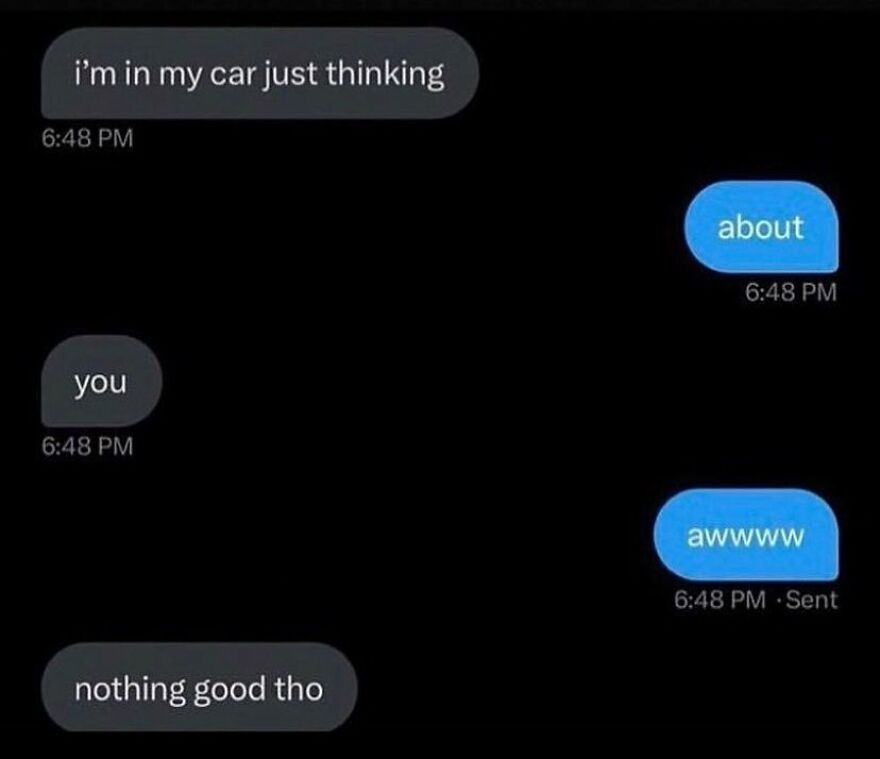
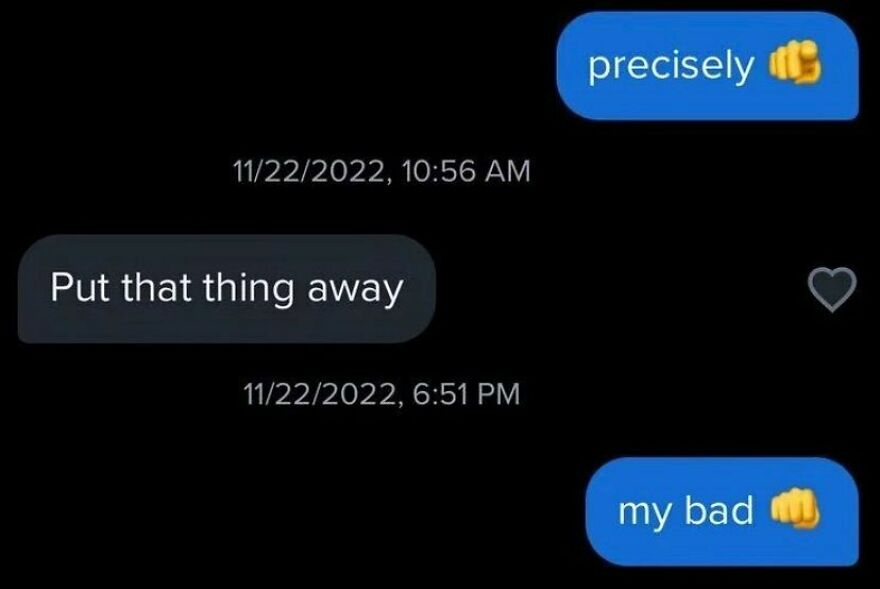
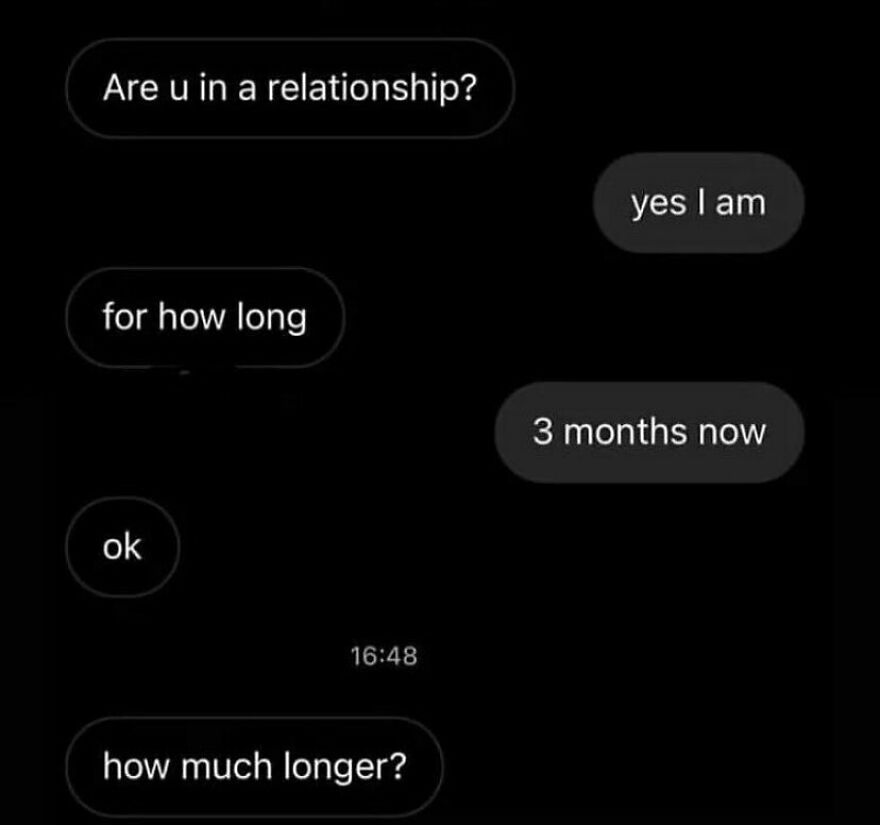
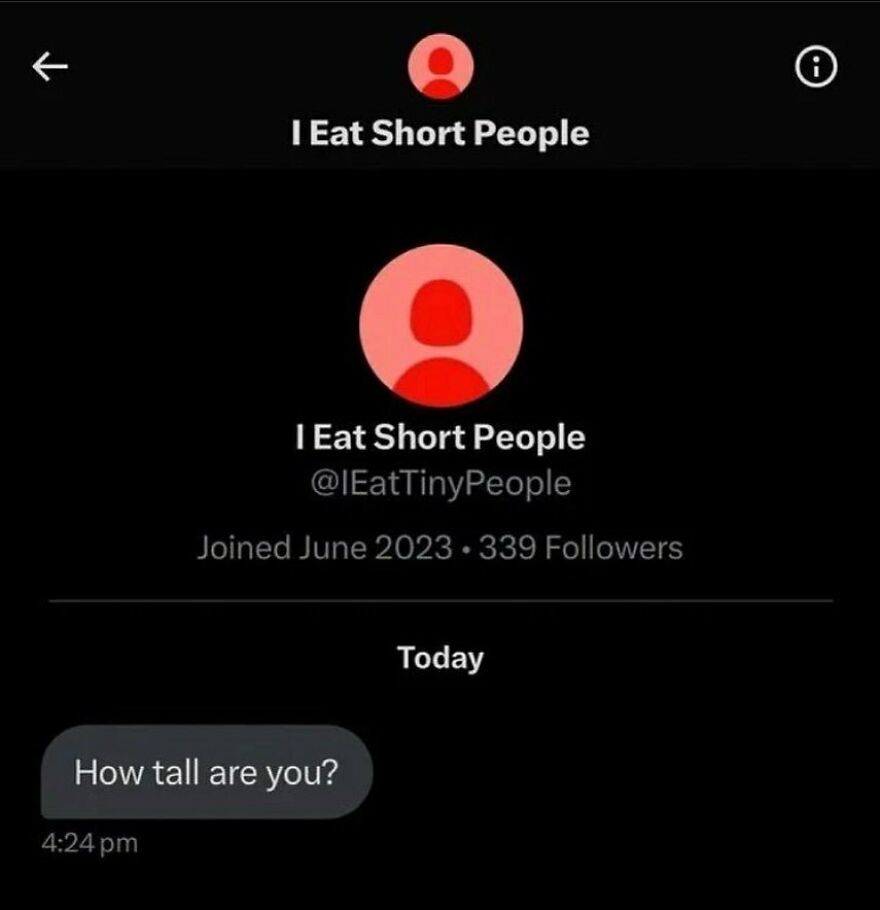
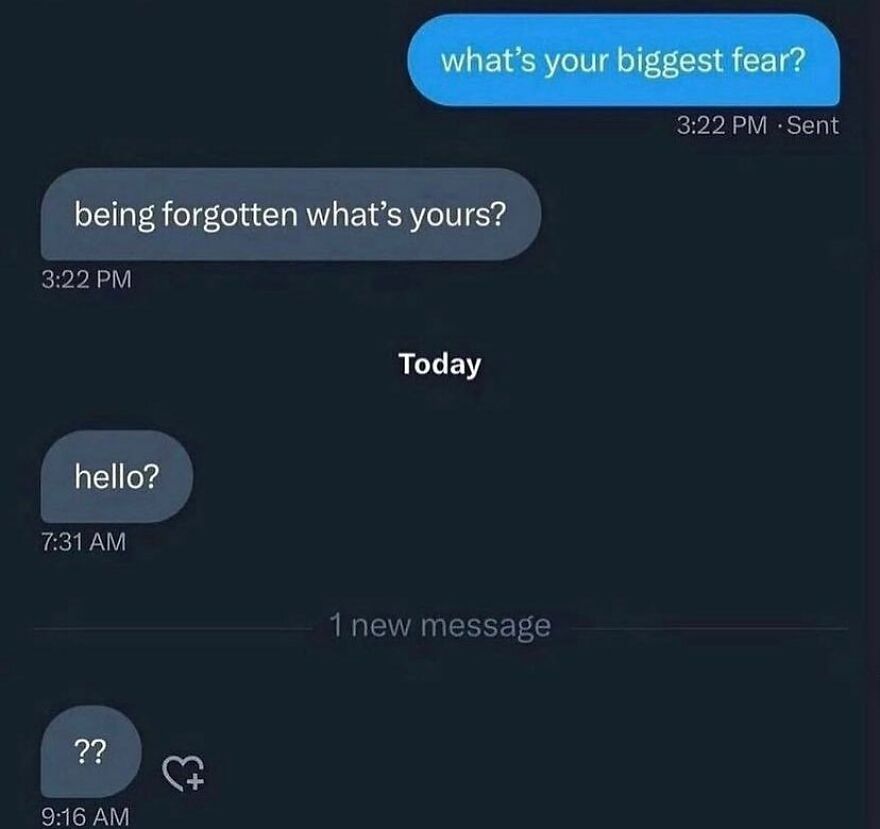
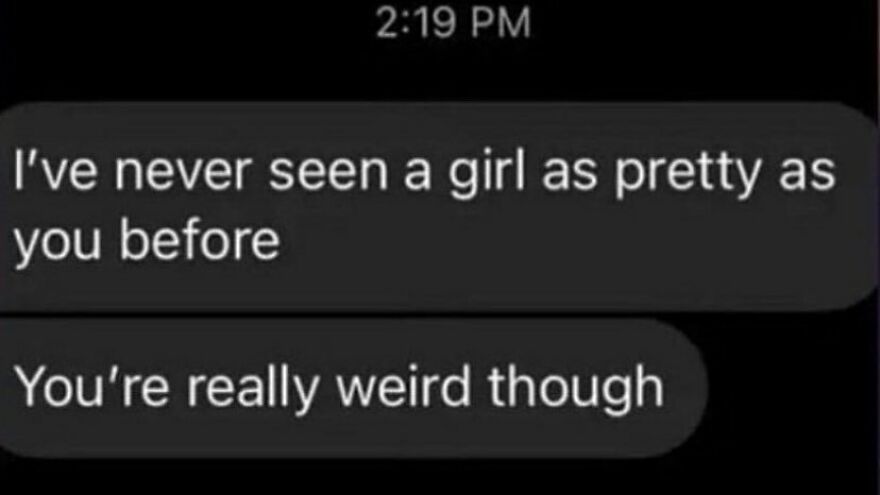
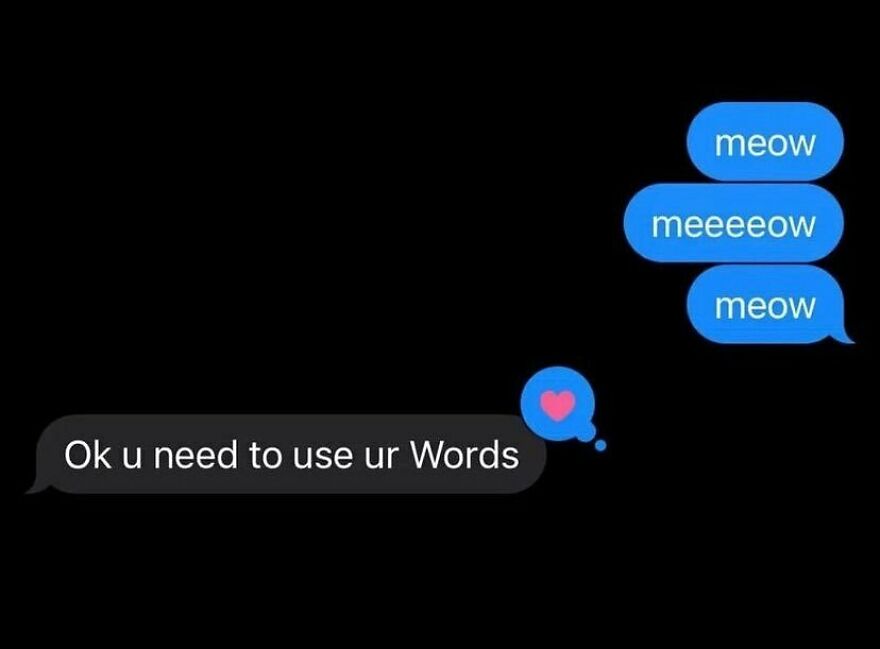
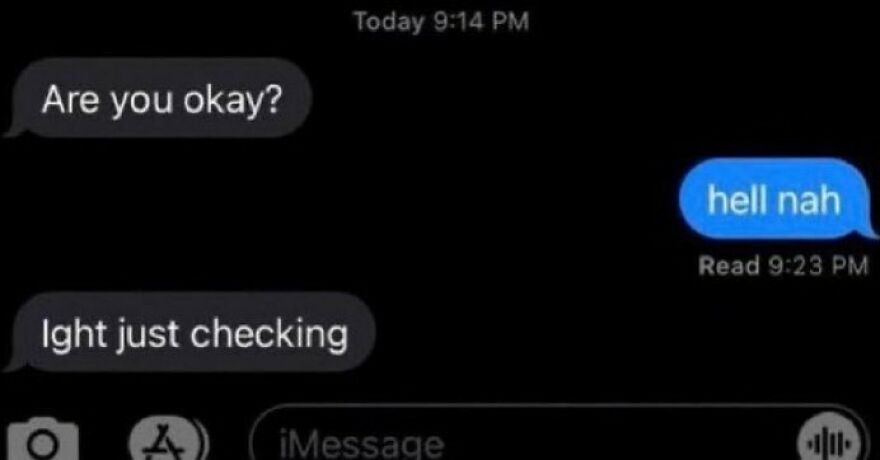
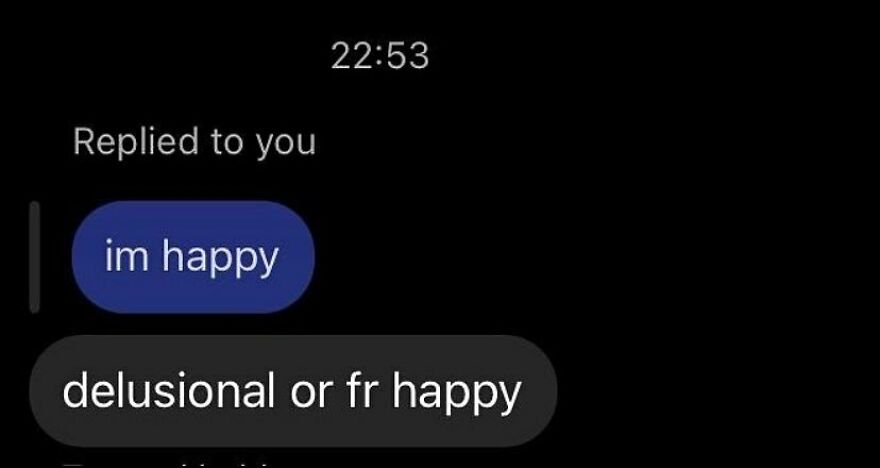
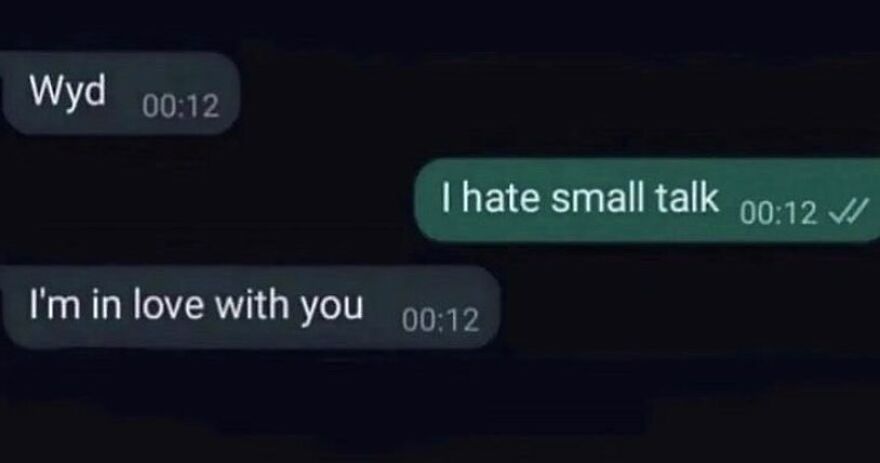
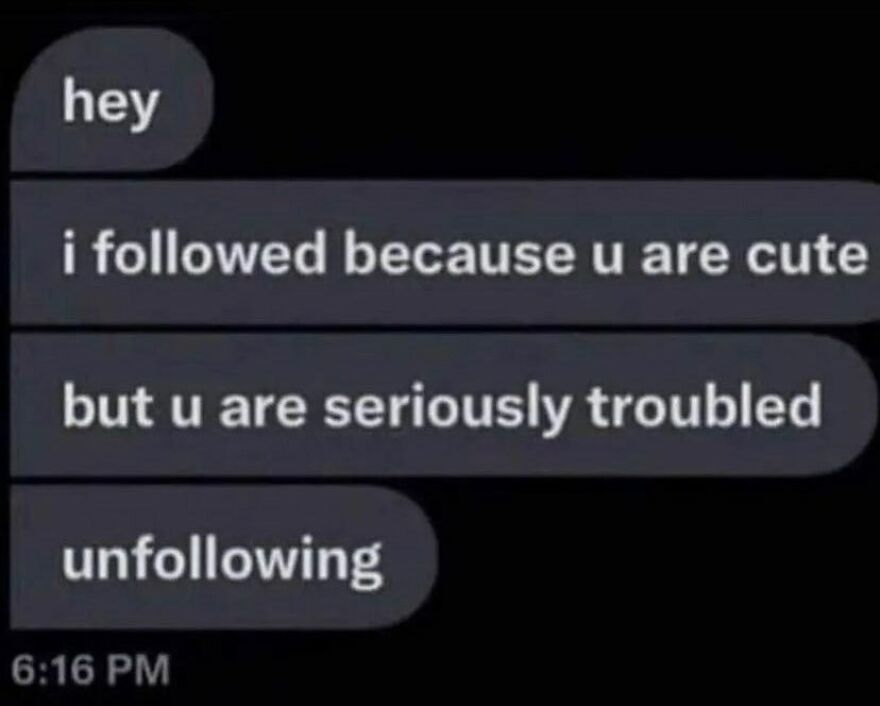
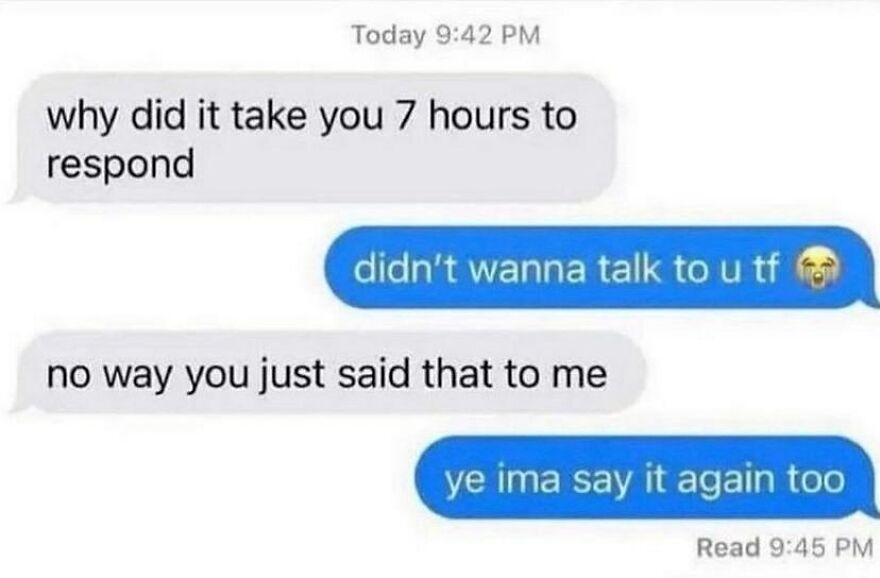
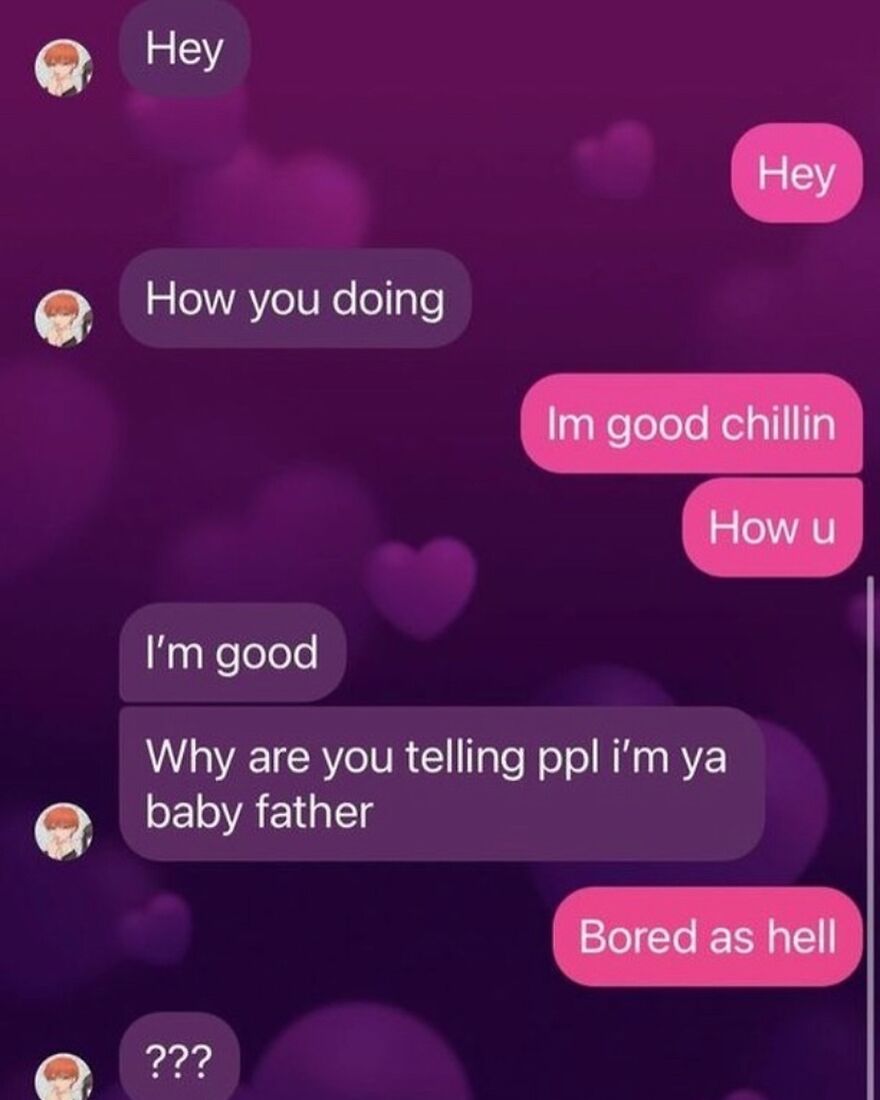
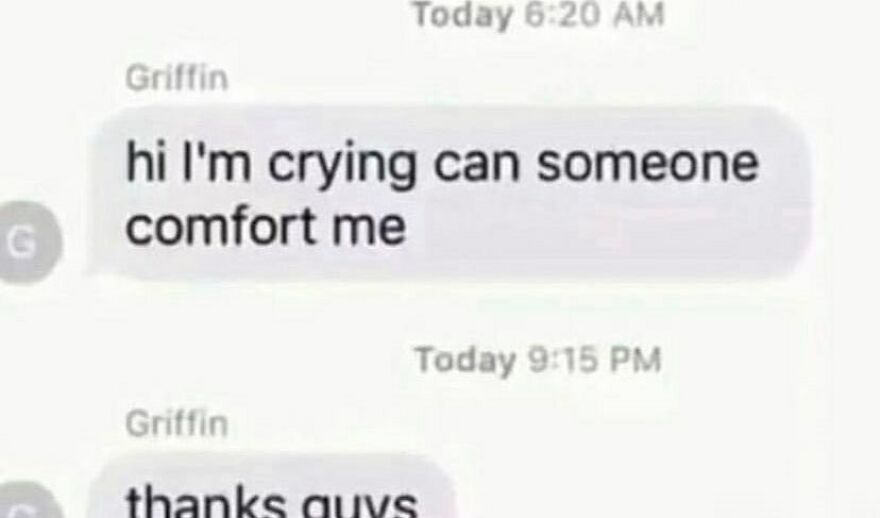
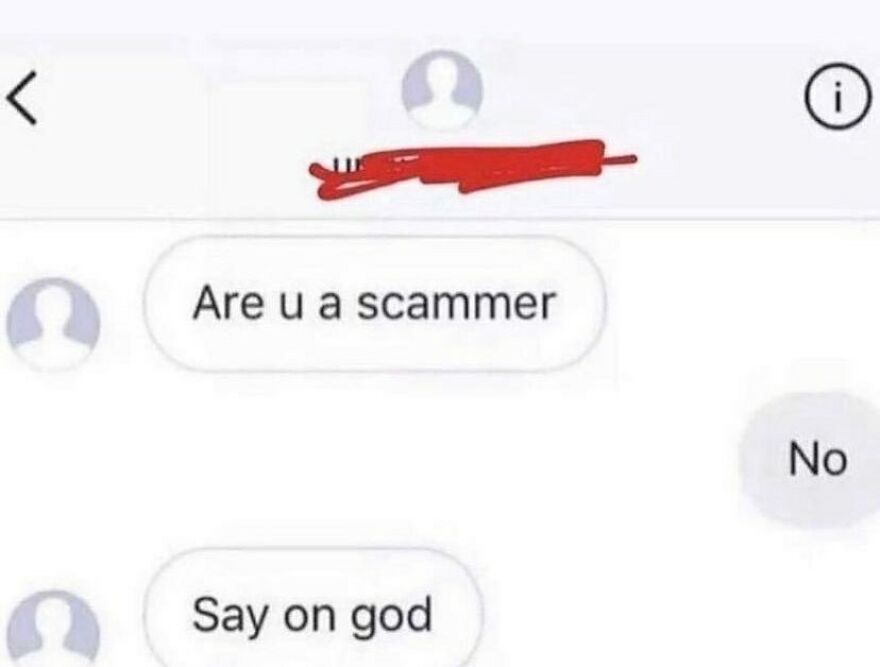
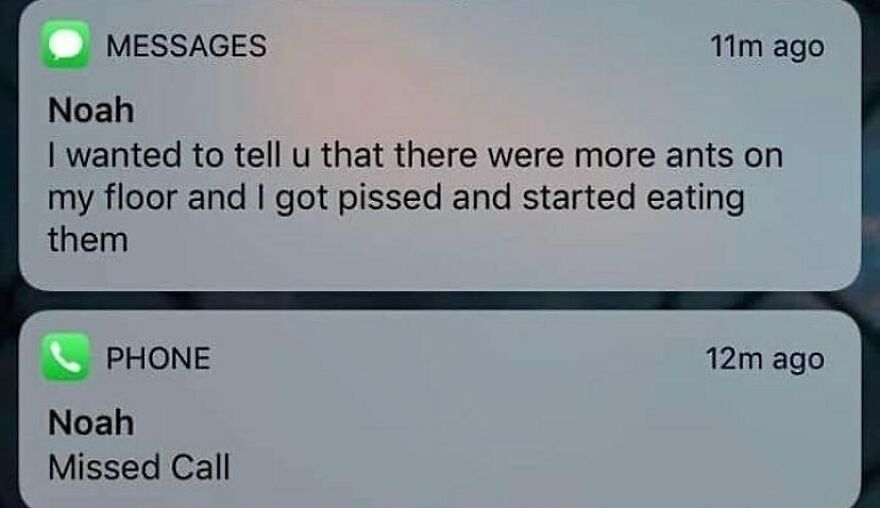
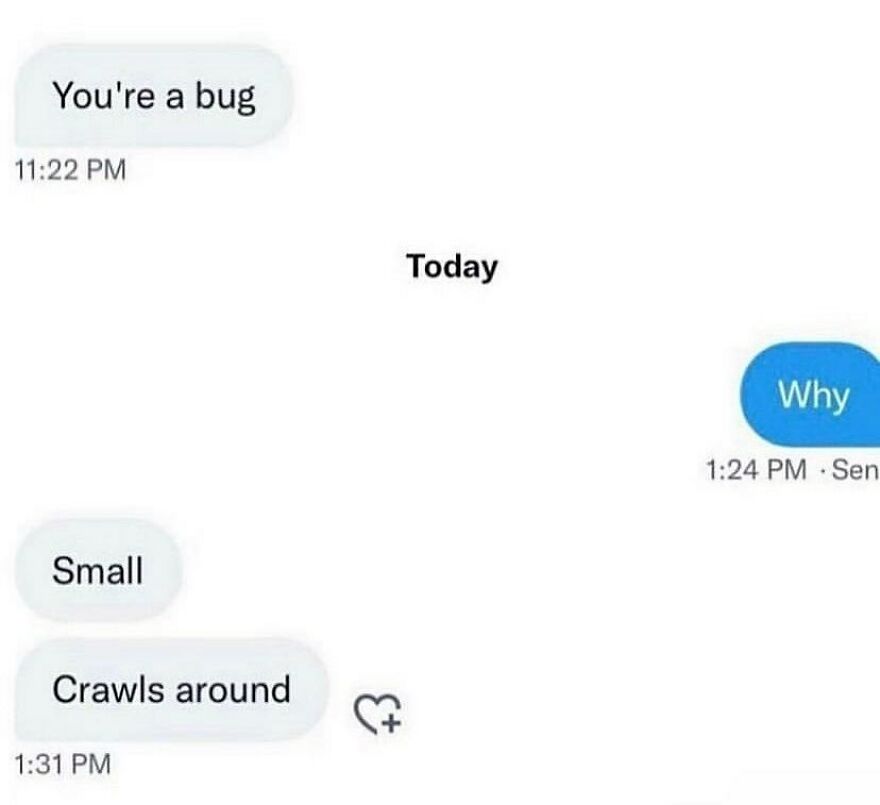
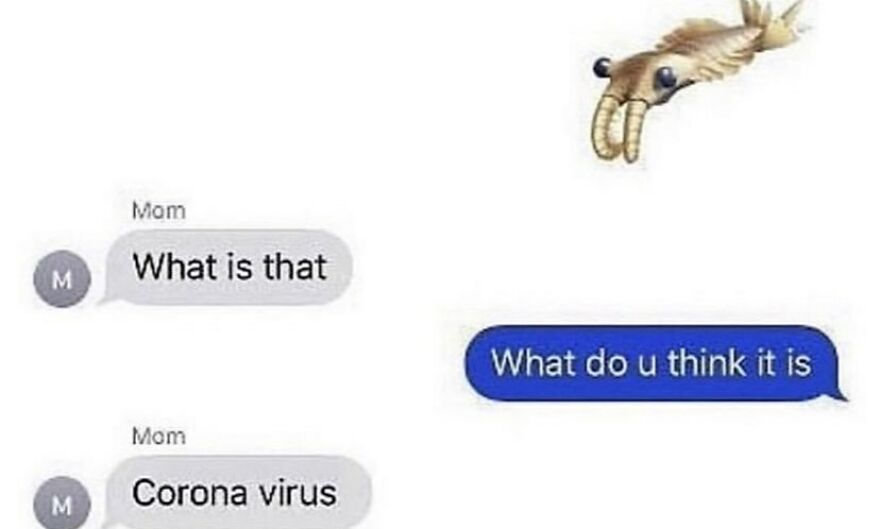
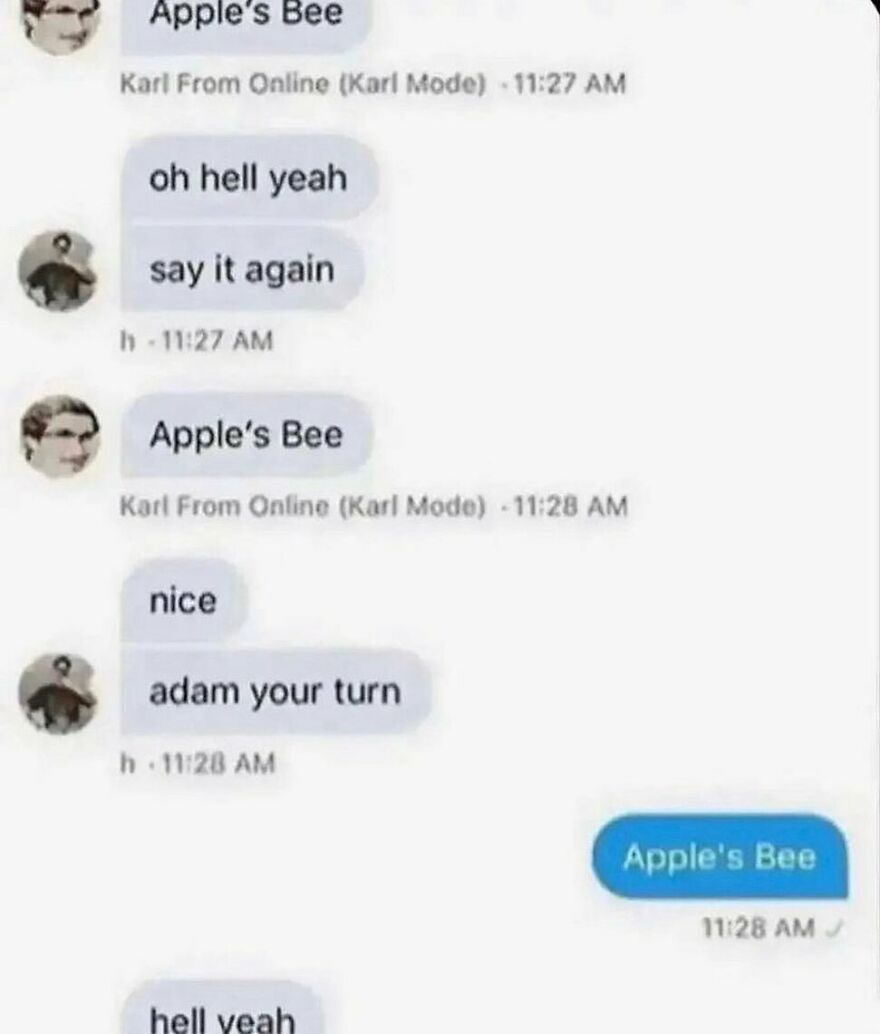
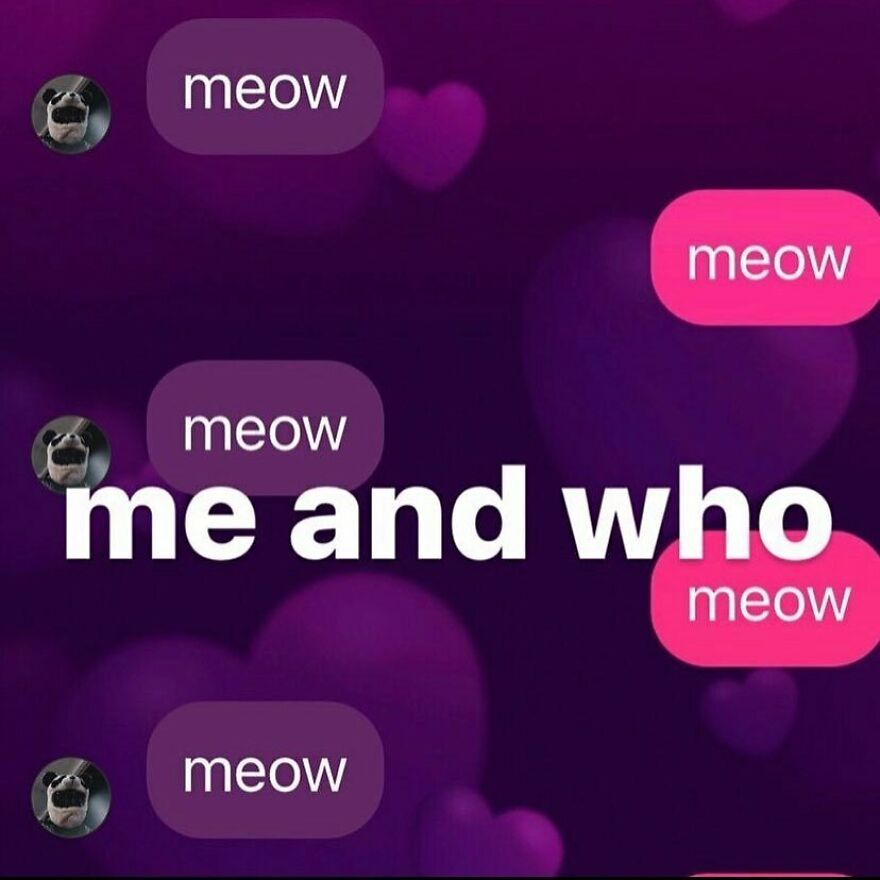
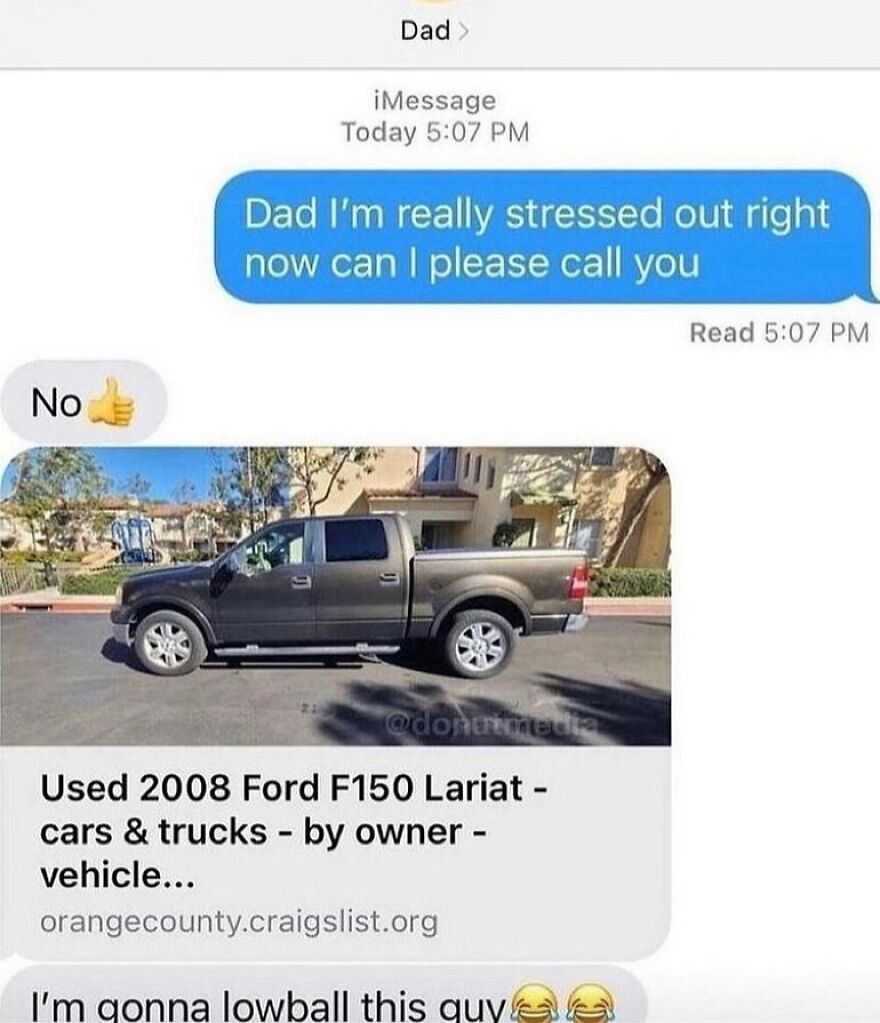
Pandas, have you ever opened a message and immediately thought, "What on earth did I just read?" Maybe it was a bizarre DM, a completely random text, or a conversation that took such a strange turn you couldn't help but stare at your screen. If that sounds familiar, don't worry—you're definitely not the only one. The internet is full of messages that are equal parts confusing, hilarious, and downright unhinged.
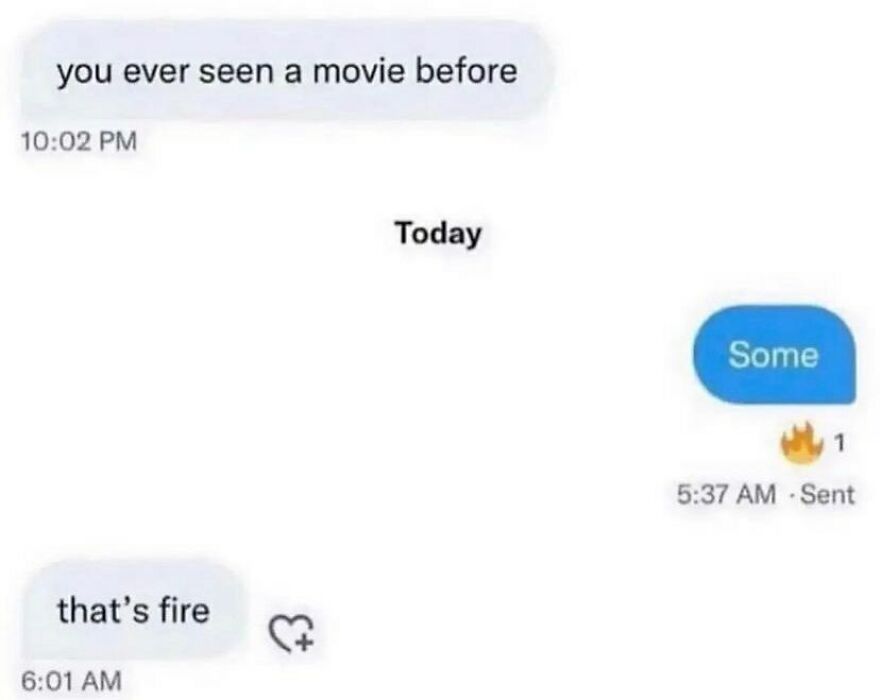
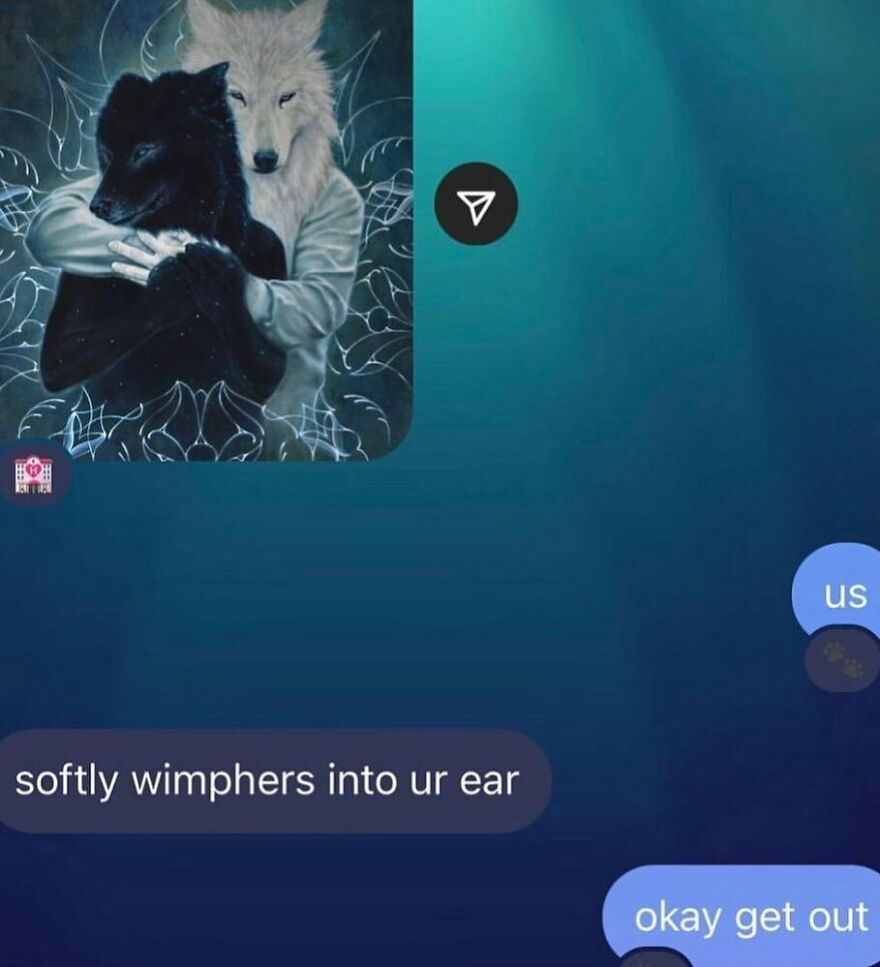
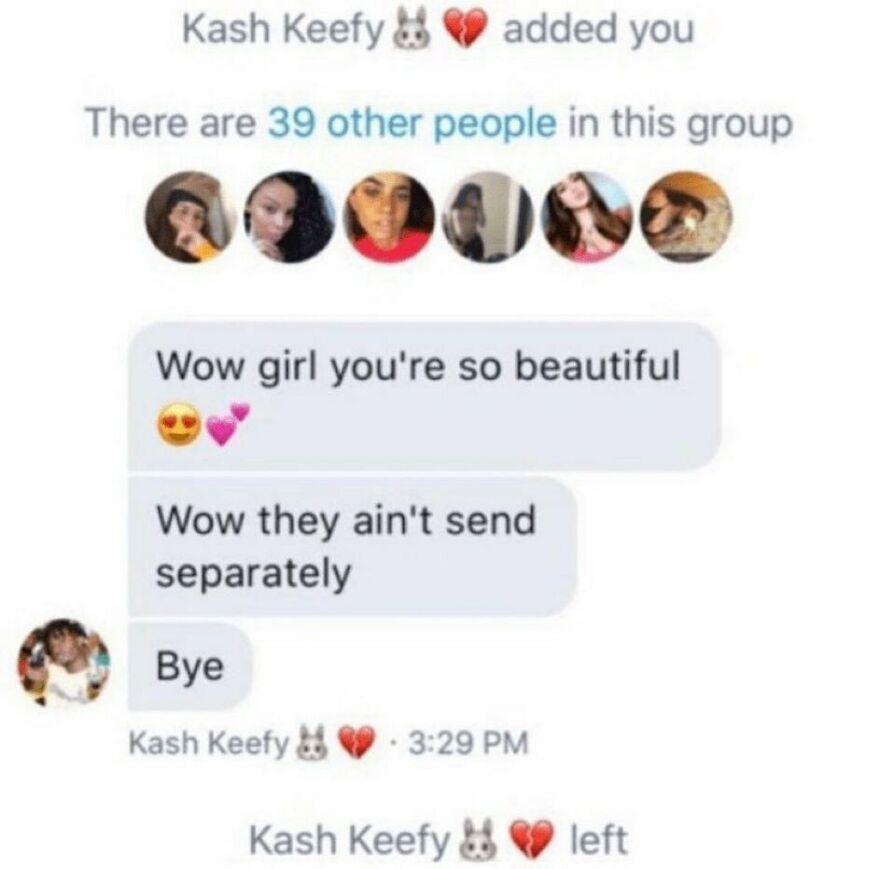
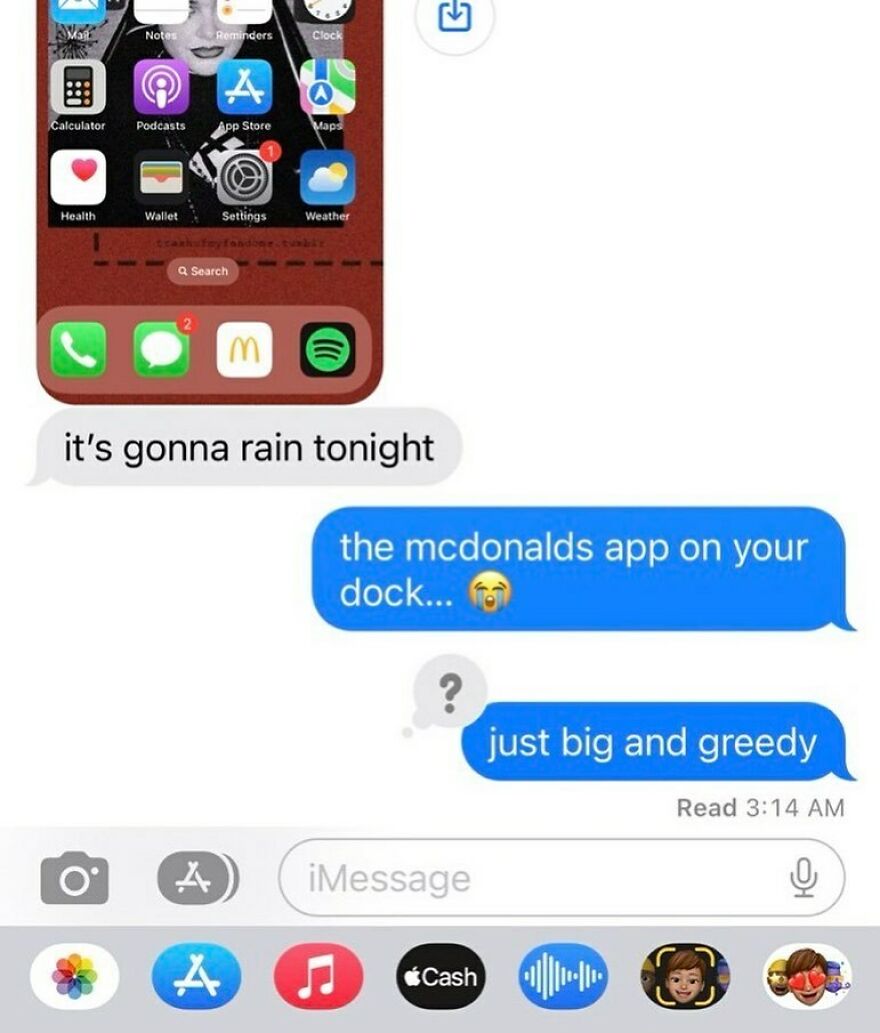
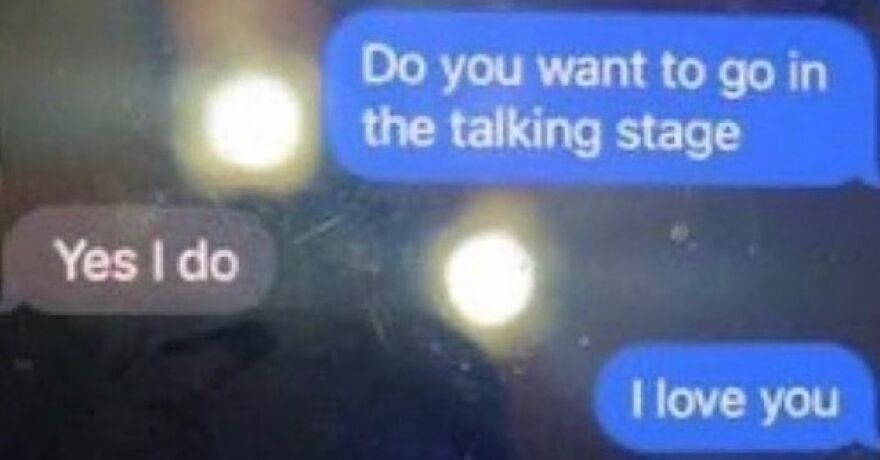
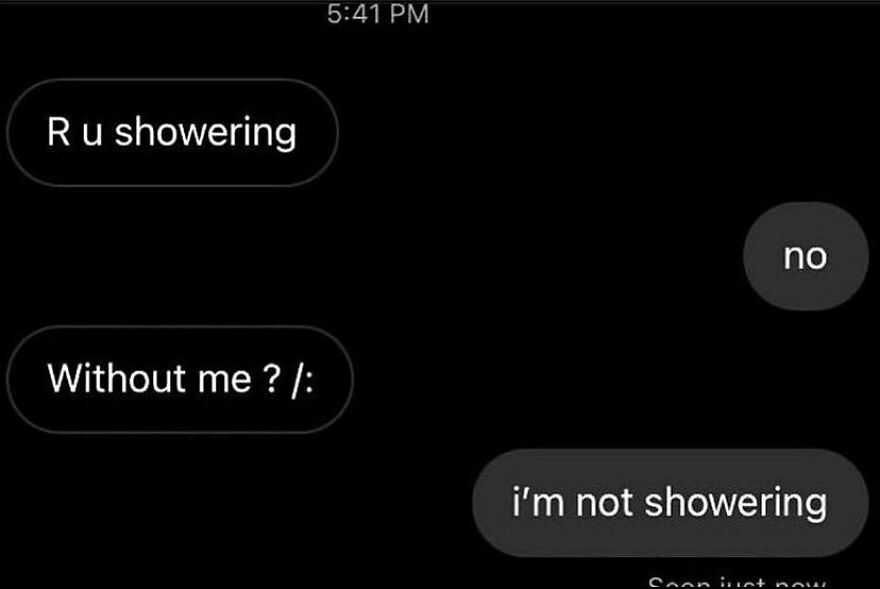
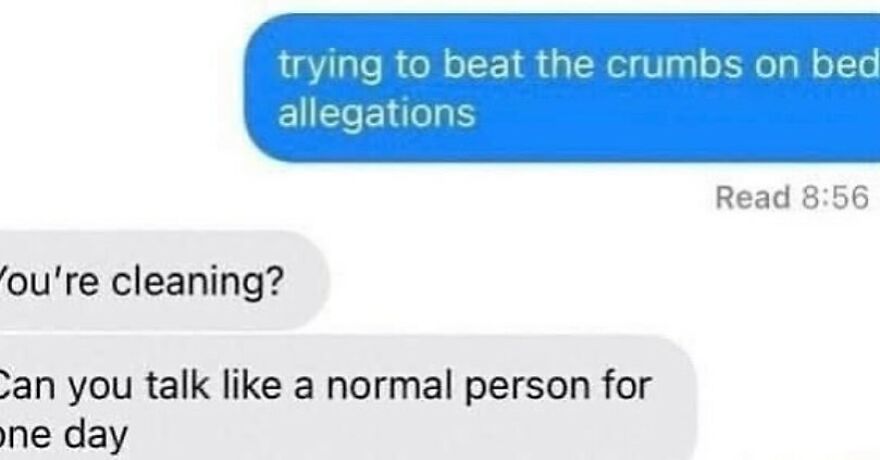
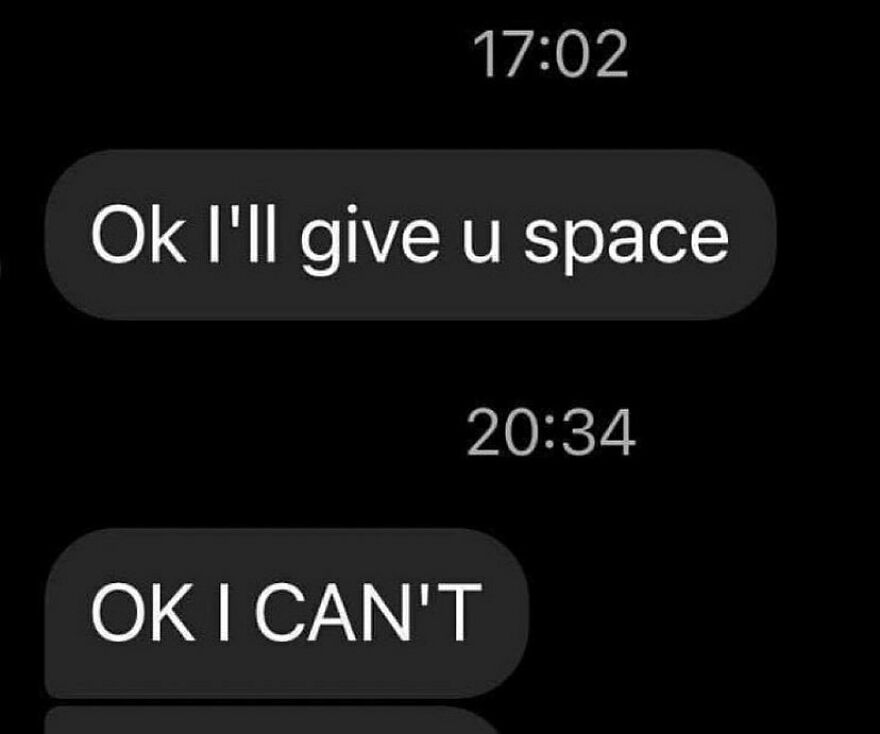
For today's collection, we dove into a popular Instagram page that's dedicated to sharing the weirdest, funniest, and most baffling messages people have received online. From awkward DMs and chaotic text exchanges to conversations that should never have happened, these screenshots are impossible to forget. Keep scrolling, Pandas—you'll probably laugh, cringe, and maybe even feel a little better about your own inbox.
This post may include affiliate links.
Whether it's WhatsApp, Instagram, Facebook, X, Snapchat, or TikTok, chances are you use at least one social media platform every day. For many of us, checking notifications has become as routine as brushing our teeth. We use these apps to chat with friends, share photos, watch funny videos, follow the news, shop, and even network for work.
It's no surprise they're such a huge part of modern life. In fact, more than 5.4 billion people worldwide were using social media in 2025, spending an average of 141 minutes every day on these platforms. What started as a way to stay connected has evolved into something much bigger, influencing everything from business and entertainment to dating, education, and everyday communication.
Of course, like most things, social media has both positives and negatives. While it helps us stay connected with loved ones and discover new communities, it also opens the door to unpleasant experiences. A 2023 study by the Anti-Defamation League (ADL) found that 52% of American adults have experienced some form of harassment on social media. The numbers are just as concerning for younger users. According to the same research, 51% of teenagers reported being harassed online within the previous year, while another survey of more than 14,000 children aged 10 to 18 found that 80% had encountered hateful content online in just the past month. As our lives become increasingly digital, negative online interactions have unfortunately become more common too.
Think about it—we've all probably come across something online that made us uncomfortable. Maybe it was a rude comment under a photo, someone repeatedly sending unwanted messages, or a stranger trying to start an argument for no reason at all. Many people have also seen fake accounts targeting others, hurtful memes spreading rapidly, or comments that cross the line from disagreement into outright abuse. The internet gives people the ability to connect instantly, but it also gives some individuals the confidence to say things they'd likely never say face-to-face. That's why so many people can relate to receiving at least one message that left them confused, annoyed, or simply asking, "Why would someone send this?"
Research from the Pew Research Center paints a similar picture. Around 41% of American adults say they've personally experienced some form of online harassment. That can include offensive name-calling, deliberate attempts to embarrass someone publicly, persistent unwanted contact, stalking, threats of physical harm, repeated targeted harassment over time, or inappropriate messages and advances. Such incidents can affect how safe and comfortable people feel online. After all, nobody enjoys opening their phone to find messages that make them uneasy.
Young people, in particular, receive a surprising number of unwanted messages. A study involving 32 participants aged 14 to 21, conducted using the research platform MetricWire, found that 81% had received unsolicited or unwanted direct messages. Interestingly, most participants didn't view these messages as a constant problem. Only 3% said they experienced genuinely concerning situations "a lot," while 37% said it happened only "sometimes," and 25% described it as a rare occurrence. Even so, the study highlights just how common unsolicited messages have become, especially for younger internet users who spend large amounts of time online.
If you ever receive messages that make you feel uncomfortable, threatened, or unsafe, it's important to remember that you don't have to deal with them alone. Most social media platforms allow you to block and report accounts, and those tools exist for a reason. If the messages become persistent or more serious, let someone you trust know—a friend, family member, teacher, or another trusted adult if you're younger. Trust your instincts. If something feels off, it's always better to take it seriously than to ignore it.
Despite these challenges, social media remains an incredible tool when used thoughtfully. It allows us to reconnect with old friends, discover new hobbies, learn useful skills, support important causes, and even find communities where people feel understood and accepted. Like any powerful tool, it's all about how we use it and how we protect ourselves while using it. Setting healthy boundaries, thinking before we share, and remembering there's a real person behind every screen can all help make the online world a kinder place.
Thankfully, today's collection is on the lighter side of internet chaos. These messages aren't the frightening kind—they're simply so bizarre, awkward, or hilariously confusing that people couldn't resist sharing them online. Some will leave you cringing, while others leave you questioning what the sender was truly thinking. Keep scrolling, Pandas, and tell us: which message gave you the biggest "ick," or reminded you of something that's landed in your own inbox?

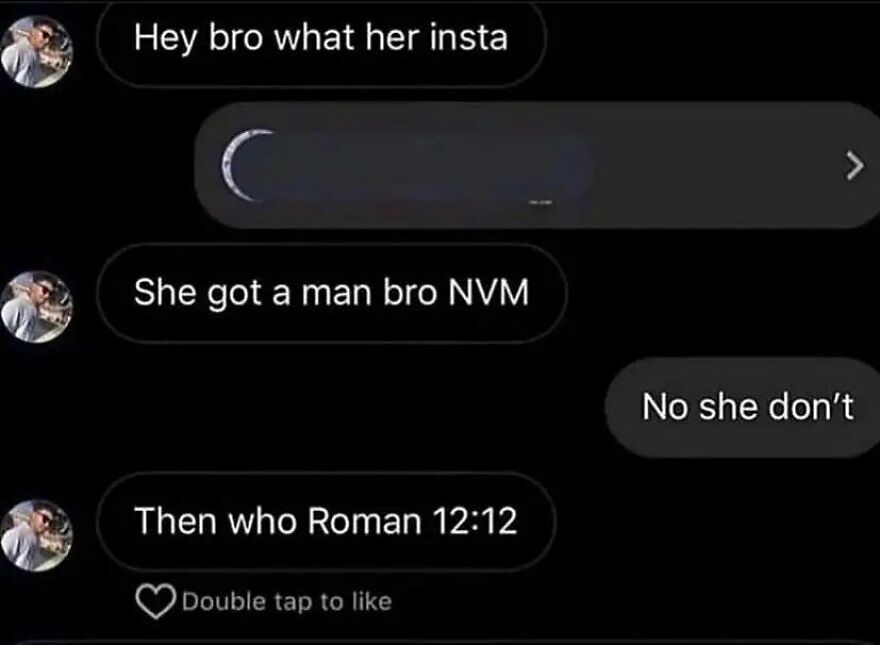
Be joyful in hope, patient in affliction, faithful in prayer. -Romans 12:12 NIV

I loathe the "say on God" thing, my teen gives me that response. We're both atheists, so why on Earth are my statements more believable to him if I play along and say "on God"?

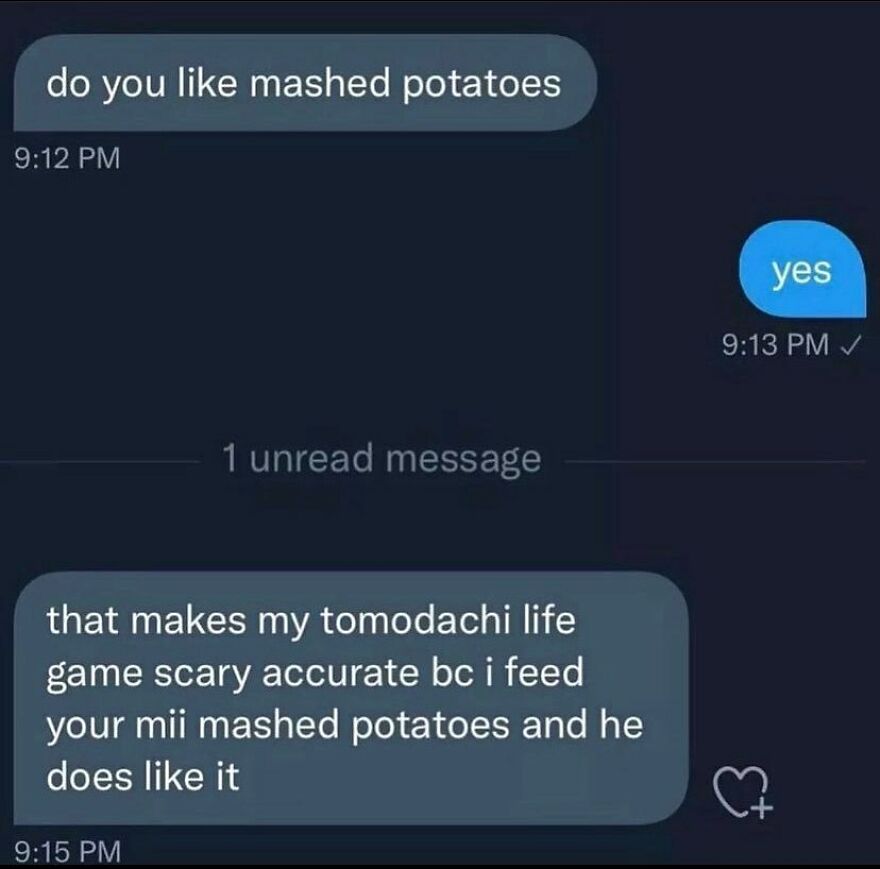
Are there people that don't like mashed potatoes? They are the perfect vessel for garlic and butter. Maybe some cheese and bacon.

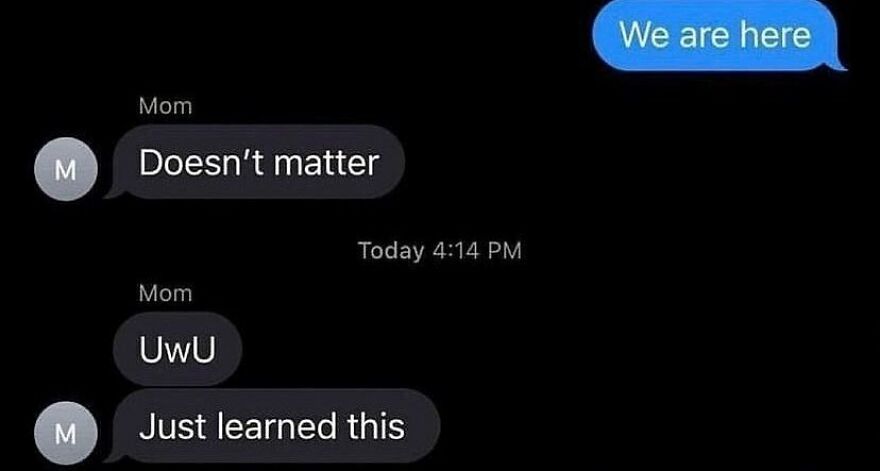
I still don't get what this uwu thing is supposed to mean. I must admit though that I'm not really trying either.
Most bizarre in those messages is the grammar. Some very hard to understand or is it supposed to be like that?

Some of the grammatical choices are memetic in nature. Others are either fat-fingering or laziness.
Load More Replies... Most bizarre in those messages is the grammar. Some very hard to understand or is it supposed to be like that?
Some of the grammatical choices are memetic in nature. Others are either fat-fingering or laziness.
Load More Replies...
























 No fees, cancel anytime