
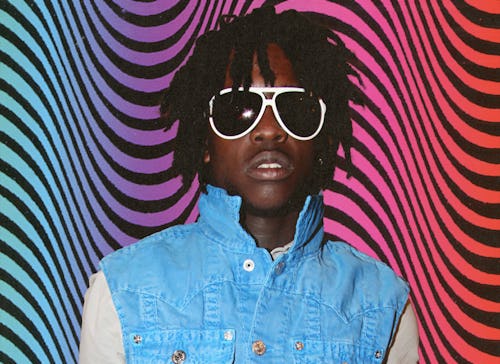
On January 2, 2012, a video appeared on WorldStarHipHop titled “Lil Boy Freaks Out After Learning His Favorite Rapper Chief Keef Gets Out Of Jail.” The video no longer loads on the site, but the stats indicate it was viewed over 400,000 times. Those are paltry numbers in today’s climate, but in 2012, it was enough to briefly shake up the internet. Chief Keef was only 16 at the time. I’d heard his name around town, but he was still underground and unknown to the larger Chicago music community. Operating a Chicago rap blog, I was first on the scene to give a rundown of Keef to readers locally and outside the city, but what I didn’t know was that this video would kick off what I call the Great Chicago Gold Rush of 2012.
In 2012, I was five years into running my blog, Fake Shore Drive, hyper-focused on highlighting the Chicago hip-hop scene — and later the entire Midwest — which I felt was underserved in the greater hip-hop convos happening online. I’d witnessed the ascent of Kanye West and Lupe Fiasco in real time. I watched Twista and Common stage second acts that brought them long overdue mainstream acclaim. I had boots on the ground for The Cool Kids’ rise and watched how they influenced a generation through fashion and sound. But something about Chief Keef’s explosion was different. He was bubbling below the surface and finally boiled over thanks to a viral video. No big industry cosign, no PR push, no angel investor, no mainstream press, and no major label. Keef wasn’t pursuing radio or television. He and his crew posted their videos directly to YouTube, Facebook, and Twitter. It didn’t appear they even cared about chasing the industry — the industry had to chase them.