
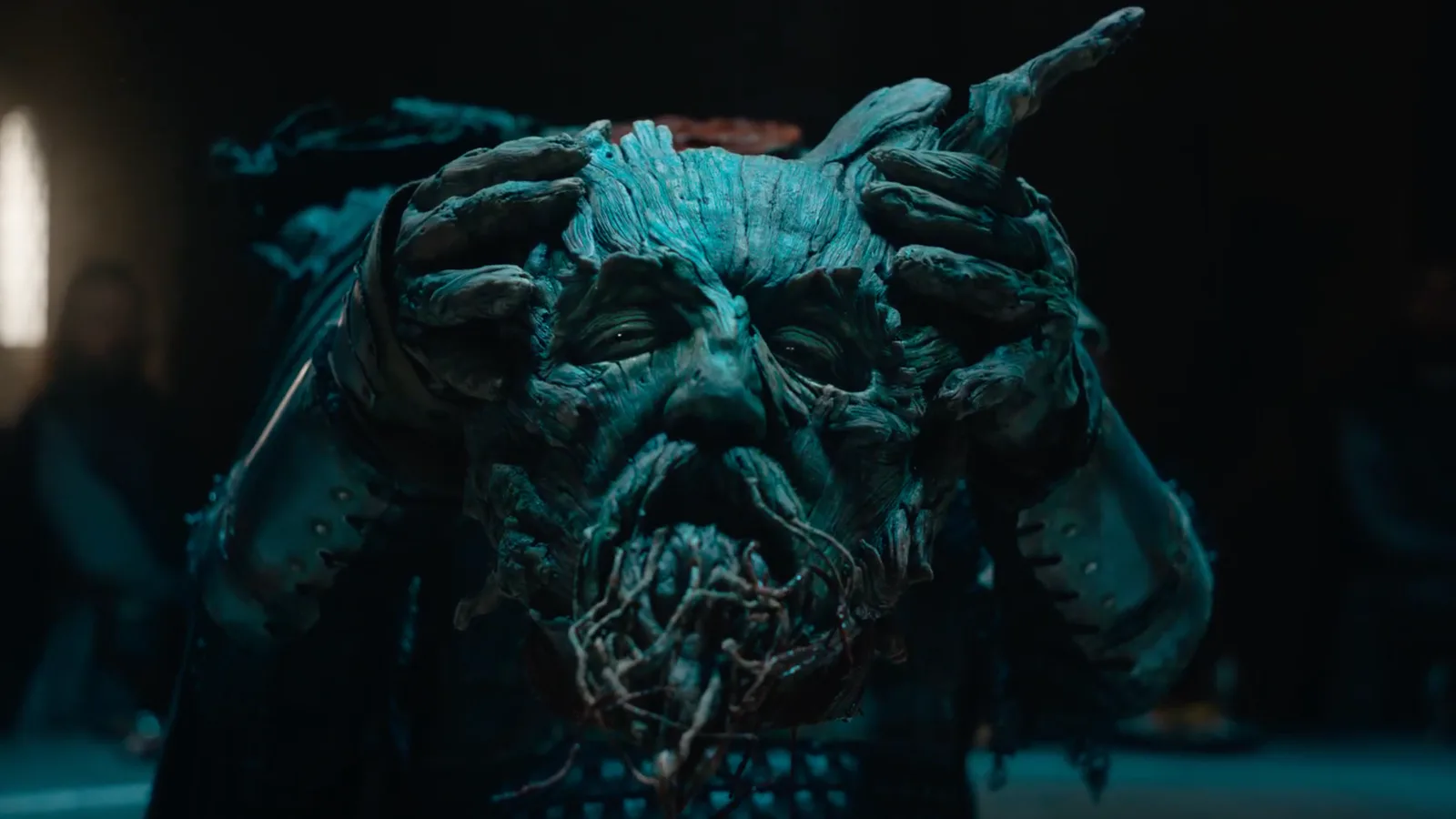
For as much as cinema is a medium of innovation, it’s also played a role in preserving certain long-standing cultural mythologies. One might look no further for evidence than the legends of King Arthur. Originating as an oral folk hero sometime around the 6th or 7th century (with debate on his existence persisting to this day), the mythic monarch of Britain has been depicted on the silver (and small) screen almost as long as cinema has existed. From a 1921 silent film adaptation of Mark Twain’s A Connecticut Yankee in King Arthur’s Court to John Boorman’s ‘80s cult gem Excalibur, to 21st century outings like King Arthur: Legend of the Sword, Hollywood is still keeping a Dark Ages legend alive.
Part of this is, of course, cinema’s love affair with high fantasy of all sorts. It’s the power fantasy, of course: virtuous conquerors wield magic and overcome evil hordes. That simplistic lens is part of the genre’s charm and its fatal flaw — there’s lots of high fantasy spectacle in literature and on-screen that flattens concepts like honor and courage into weightless depictions of medieval battles and Great Man flattery, trivializing the grim circumstances and imperial histories many of these stories are based on. But five years ago, David Lowery looked to another member of the Round Table to tell a story in which Arthurian legend and high fantasy come-of-age, and made an instant arthouse classic.