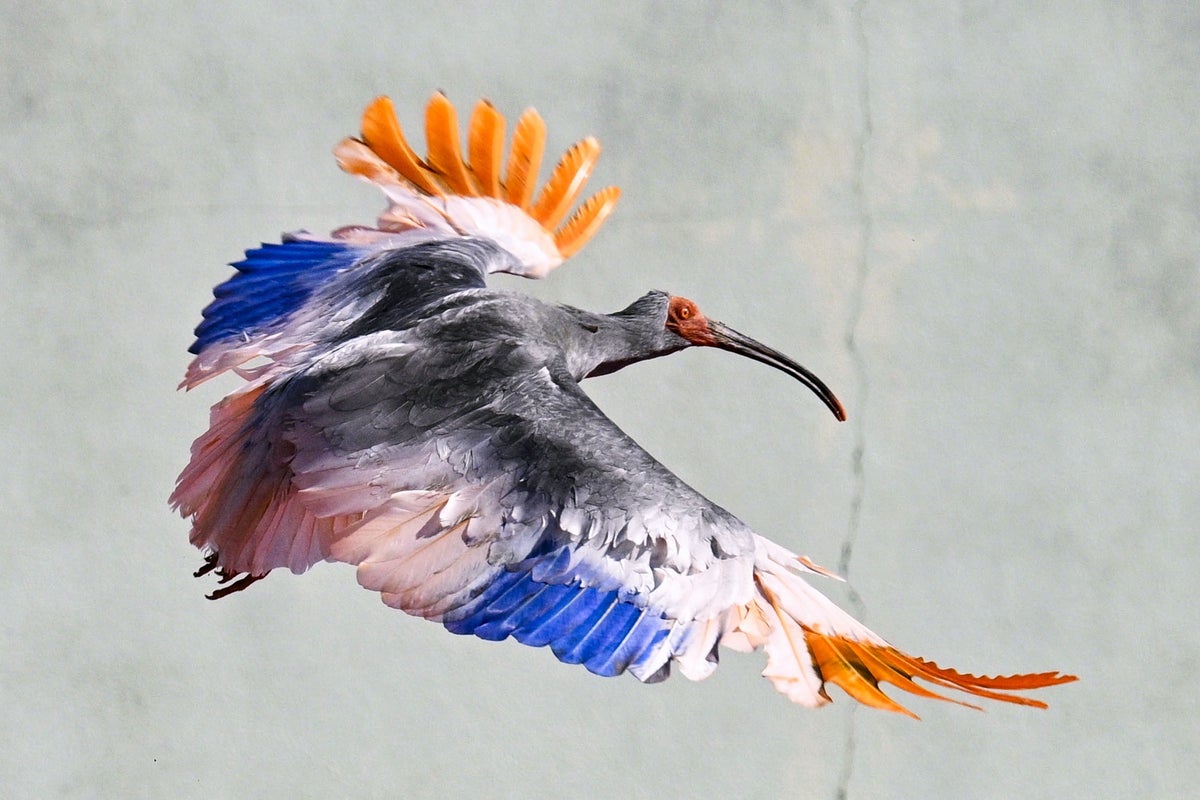
Eight crested ibises have been released into the wild in north-central Japan, marking a significant moment decades after the species was declared extinct in the country. The endangered birds soared into the skies above Hakui city in the Noto region on Sunday, a place where they were last observed in their natural habitat.
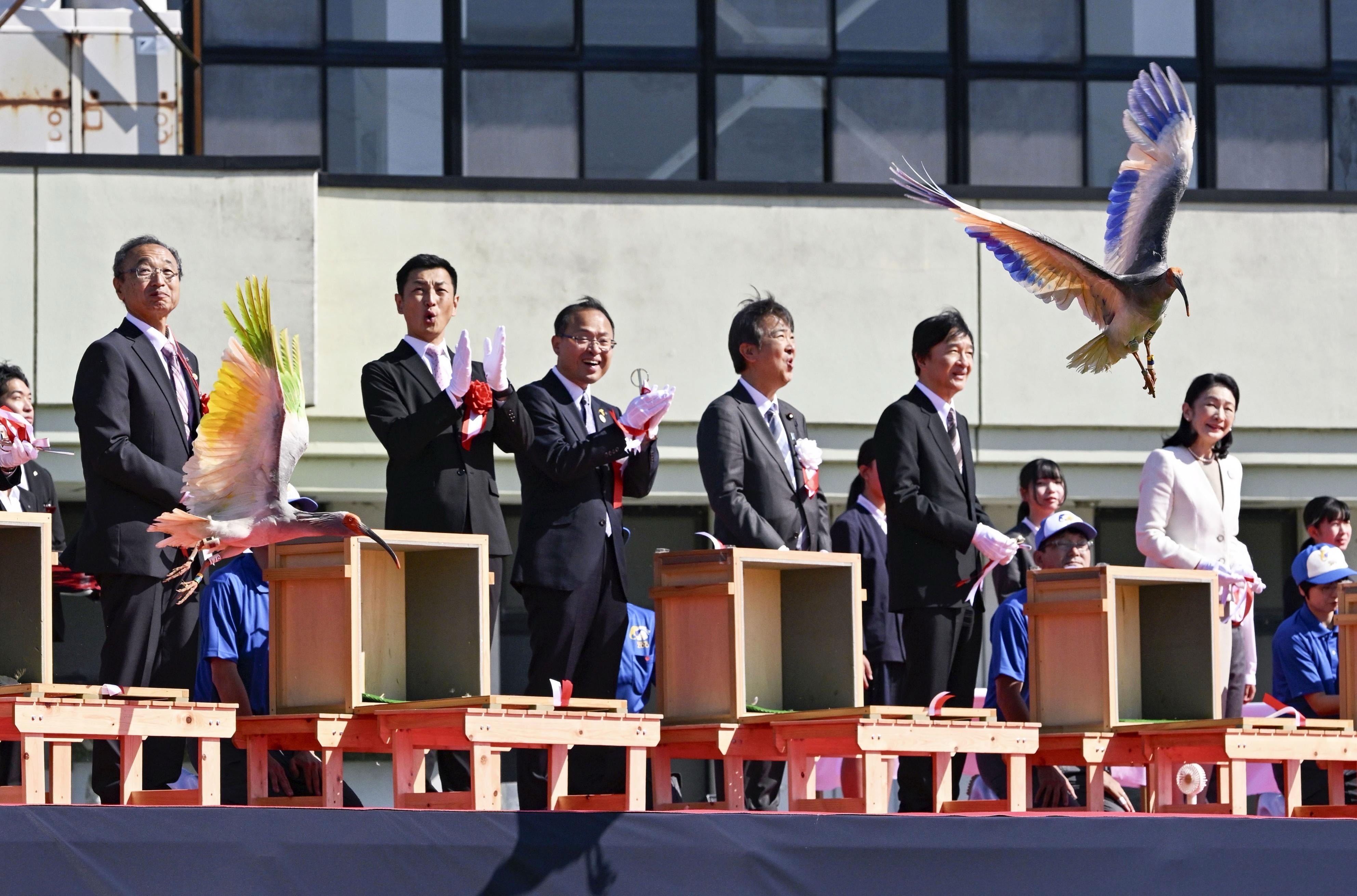
The release, from individual wooden cages, was part of a special ceremony attended by Crown Prince Akishino, his wife Kiko, and other officials. Residents gathered to cheer as the royal couple cut a ribbon, allowing the birds to take flight, a sight met with widespread enthusiasm.
These eight ibises are the product of a successful captive-breeding programme at a conservation centre on Sado Island in the neighbouring prefecture of Niigata. Their release signals a new chapter for the species, with ten more birds reportedly awaiting their turn to return to the wild.
Known as Toki in Japan, these distinctive white birds are native to East Asia, admired for the striking orange-pink hues beneath their wings and bright red markings around their eyes. The species vanished from Japan's Honshu main island in the 1970s, primarily due to overhunting and environmental degradation, with the last native Japanese ibis dying in 2003 on Sado Island.
However, the birds' remarkable comeback was catalysed by breeding support from China. In 1999, a pair donated by China led to the birth of the first Japanese crested ibis chick in captivity, according to the Environment Ministry. Subsequent breeding and conservation efforts have significantly bolstered their population.
Since 2008, when ten birds from the Sado conservation centre were first released on the island, their population there has grown to approximately 500, the ministry reports. Sunday's release of these beloved birds is also viewed as a powerful symbol of hope for the Noto region, which continues its recovery from the devastating 2024 earthquake.
In 2019, South Korea released the crested ibis back into the wild 40 years after the bird went extinct in the country.
Forty of the rare wading birds were bred in captivity before being released into the wild at Upo Wetland in South Gyeongsang province, southeast of Seoul, the Yonhap news agency reported.
The last time a crested ibis was spotted on the Korean peninsula is believed to have been in 1979 when it was spotted in the demilitarised zone separating the south from North Korea.