It was the moment I looked past the brash local graffiti and spotted dozens of bullet holes shot through the walls that it hit home. Or was it stumbling upon a cemetery with multiple thin, white grave markers emblazoned with the date “1993”, like skinny soldiers standing to attention? Either way, it took a trip to the Balkans to fully appreciate the impact of the Yugoslav Wars of Independence, which took place just 30 years ago.
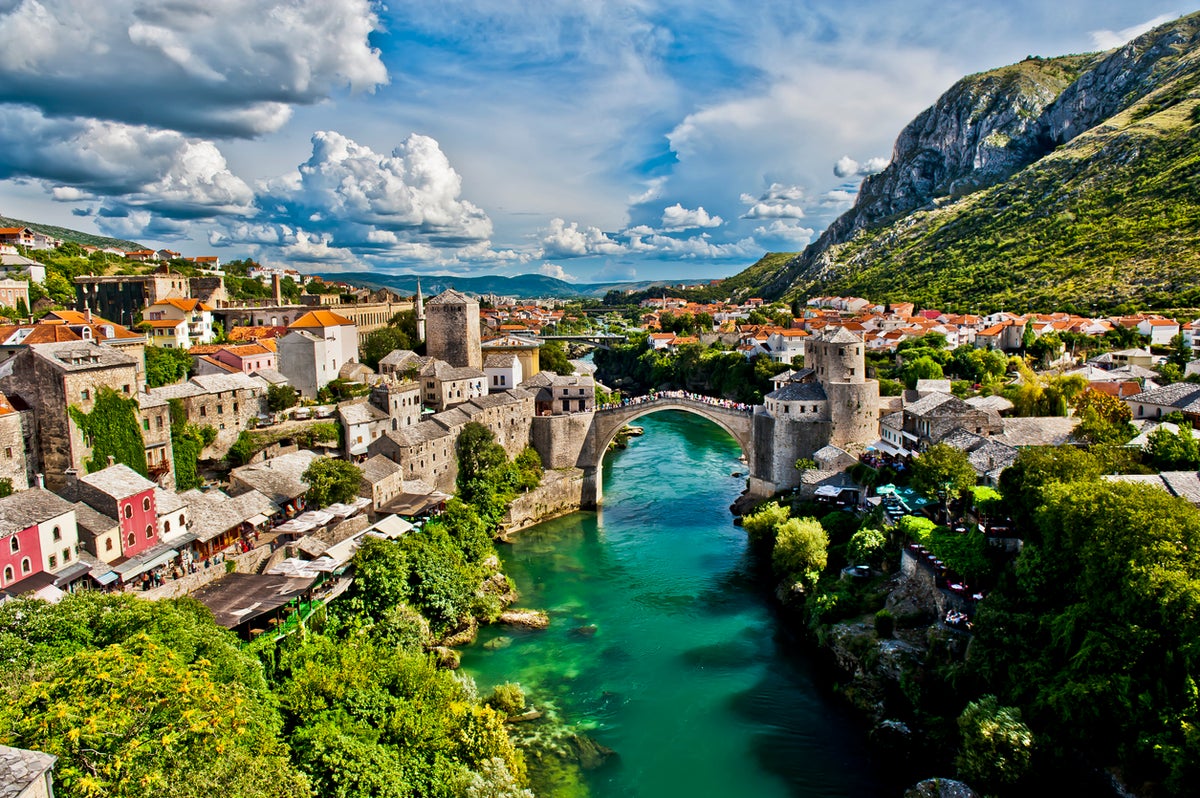
These traces of conflict caught my attention in Mostar, Bosnia and Herzegovina, at the end of a 16-night rail tour through the Balkan region, coloured by its struggles for independence following the death of dictator Tito, and the collapse of the Republic of Yugoslavia. Suddenly, they seemed starkly recent.