Our secular society has replaced the old arbiters of truth, priests and potentates, with science. One simple definition of the scientific method is that it is the self-correcting process of objectively establishing facts through testing and experimentation. Instead of appealing to the wisdom of divinely ordained scriptures or the pronouncements of princes, sophisticated moderns turn to the peer-reviewed scientific literature in search of reliable information on health, engineering, and, yes, public policy. Therefore, as we saw all too well during the late pandemic, politicians, public health practitioners, potion promoters, and pundits more or less all claim to "follow the science." (One notable recent exception is the ruling in a case involving in vitro fertilization by the chief judge of the Alabama Supreme Court.)
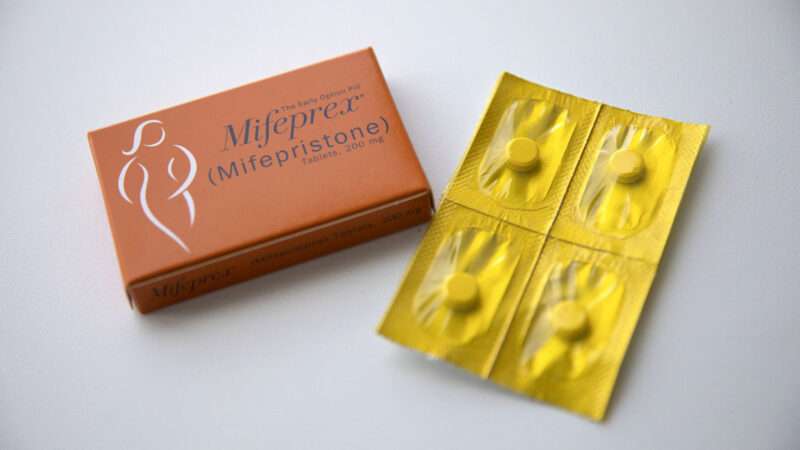
So is the recent retraction of three articles by the scientific journal Health Services Research and Managerial Epidemiology an example of the self-correcting processes of science or something less noble? After all, these articles were prominently cited as evidence in a federal court case that will now be heard by the U.S. Supreme Court later this month.