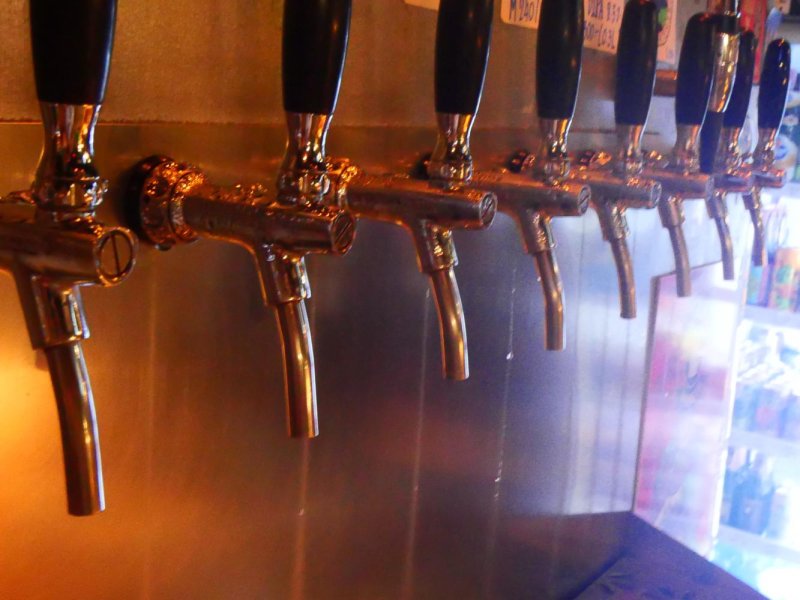
Thailand has finally abandoned its 54-year-old afternoon alcohol sales ban, which the Craft Beer Trade Association described as "a starting point for civilisation".
The Alcoholic Beverage Control Committee announced new hours for alcohol sales, effective on Friday, of 11am to midnight. The ban from 2pm to 5pm, introduced in 1972 to deter civil servants from drinking on the job, is finally history.

Certain exceptions will permit alcohol sales outside the normal hours at specific locations, such as international airports, licensed entertainment venues and hotels.
Alcohol sales are also allowed in designated areas at venues hosting meetings, exhibitions, trade fairs, entertainment events or similar gatherings.
Food and beverage establishments operating in zones authorised for entertainment venues, as per the Royal Decree on Designated Areas for Entertainment Venue Licensing in Rayong Province (No.2) of 2025, and those situated within the Eastern Aviation City Promotion Zone are also permitted to sell alcohol.
Prapavee Hematat, secretary of the Craft Beer Trade Association, called the afternoon sales ban outdated and an abnormality in society. She said lifting the ban restores normalcy to the country.
In practice, many small mom-and-pop shops secretly sold alcohol during the ban, said Ms Prapavee.
“This change will provide restaurant and beverage shop operators greater flexibility in managing their business hours,” she said.
Prior to the permanent removal of the afternoon sales ban, authorities conducted a 180-day trial easing the afternoon ban from December 2025 to May 2026.
Ms Prapavee said the recent amendments demonstrate lawmakers’ willingness to consider input from both public and private sectors in the law-making process.
The association continues to monitor any developments regarding future revisions to subordinate legislation, she said.
Sorathep Rojpotjanaruch, head of the Restaurant Business Club, said restaurateurs and beverage outlets had long called for the removal of the afternoon sales ban.
The ban did not align with travellers’ behaviour, particularly foreigners who spend afternoons at restaurants or other establishments, he noted.
When staff informed customers of the sales restrictions before entry, some chose to stay while others opted to leave, said Mr Sorathep.
During the 180-day trial, restaurants open in the afternoon reported sales increases of 10-15%. With the permanent end of the ban, he said he expects restaurant sales to continue to rise.
“Lifting the afternoon sales ban will benefit the country’s tourism and enhance Thailand’s competitiveness compared with other countries in the region,” said Mr Sorathep.