
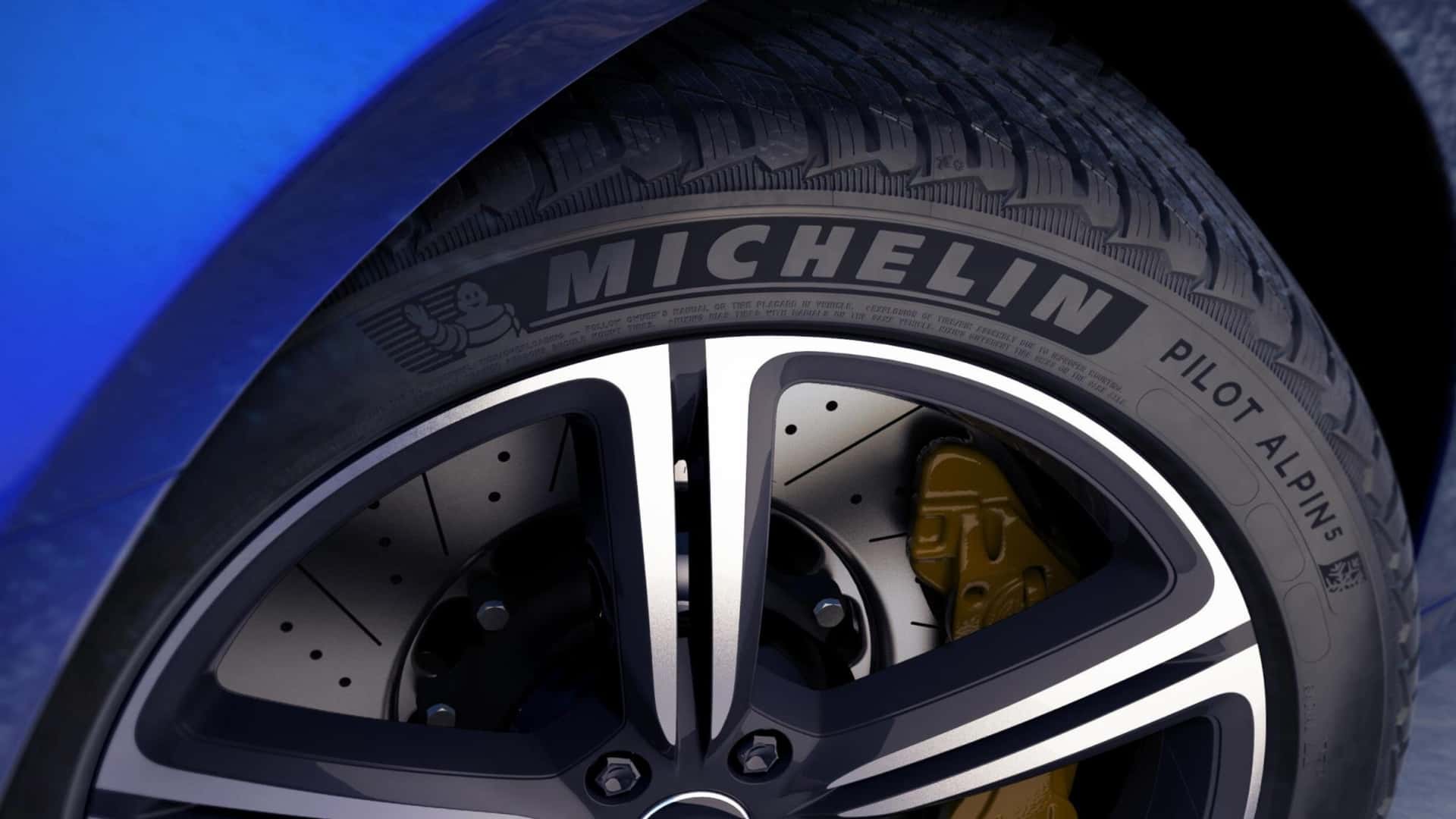
All-season and all-weather tires are often confused because both are designed to handle year-round driving without requiring seasonal replacements. However, despite their similar names, they aren't quite the same. The biggest distinction comes down to how well they perform when temperatures drop and winter weather arrives.
While conventional all-season tires are generally better suited to moderate climates, all-weather tires are designed to provide additional traction in colder conditions, including snow. That extra capability can make them a more practical choice for drivers who experience changing seasons but don't want to switch between summer and winter tires. Here's what else separates the two.












