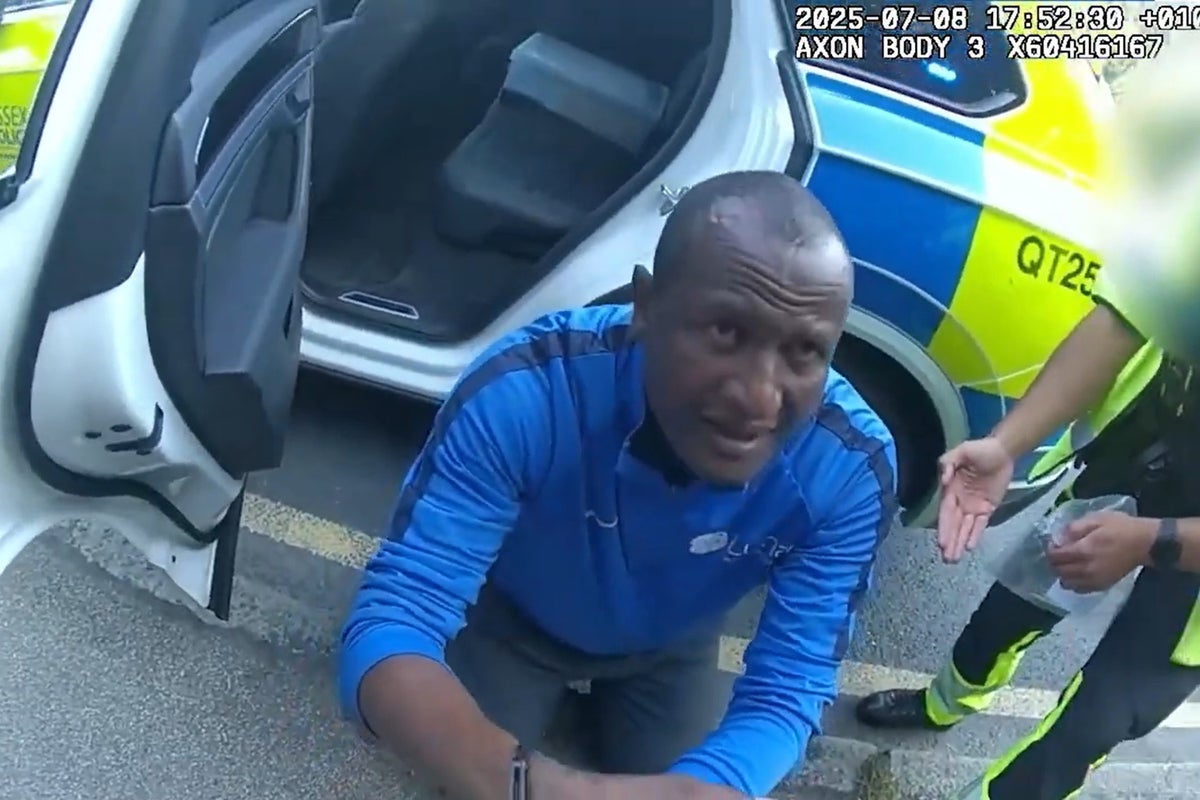
Almost 200 prisoners, including sex offenders, were freed “in error” last year, figures have revealed, as a new report warns wrongful releases place acute strain on police.
The Ministry of Justice released a total of 179 prisoners by mistake in England and Wales between April 2025 and March 2026 – the equivalent of three each week.
The figures come after justice secretary David Lammy was vilified following a series of high-profile blunders last year, including the wrongful release of a migrant sex offender.
Hadush Kebatu had been living at the Bell Hotel in Epping, Essex, when he sexually assaulted a 14-year-old girl and a woman, sparking a wave of protests nationally.
He was being held at HMP Chelmsford and was due to be deported when he was released in error last October. The police manhunt to recapture him cost Essex Police and the Metropolitan Police a combined £150,000.
Shortly after, an Algerian sex offender and a fraudster from HMP Wandsworth were also accidentally freed, leaving officials scrambling.
Figures published today show the mistaken releases were among 179 in the year to March 2026. The total is down on the previous year, when 262 prisoners were wrongly freed.

Mr Lammy said the number freed in error was “unacceptable” as he announced the rollout of digital and biometric systems to replace outdated paper systems. Officials will introduce digital identities for prisoners and use fingerprints and facial scans to reduce the number of mistakes.
An independent investigation, led by Dame Lynne Owens, was commissioned following the scandal, which found the blunders were “simply one symptom of a broken system”.
Her report, published on Wednesday, criticised “poor communication between staff” at HMP Chelmsford, where two involved in Kebatu’s release faced disciplinary investigation.
She also reviewed 35 cases of wrongly freed prisoners and found 15 involved sentence miscalculation.
In seven of the cases, the wrong outcome was recorded for the offence. Reasons for this included dock officers mishearing the judge or the wrong sentence being recorded on court software.
Five cases involved mistaken identity, including mistaking prisoners with similar names. In one case, a prisoner used multiple aliases.
“Releases in error have serious and far‑reaching impacts, retraumatising victims and families and undermining trust in the criminal justice system,” Dame Lynne concluded, adding the mistakes place “acute strain” on police.
She also found that one of the victim’s parents in Kebatu’s case only discovered the sex attacker was at large on social media, and she called for a clear policy on contacting victims following releases in error.
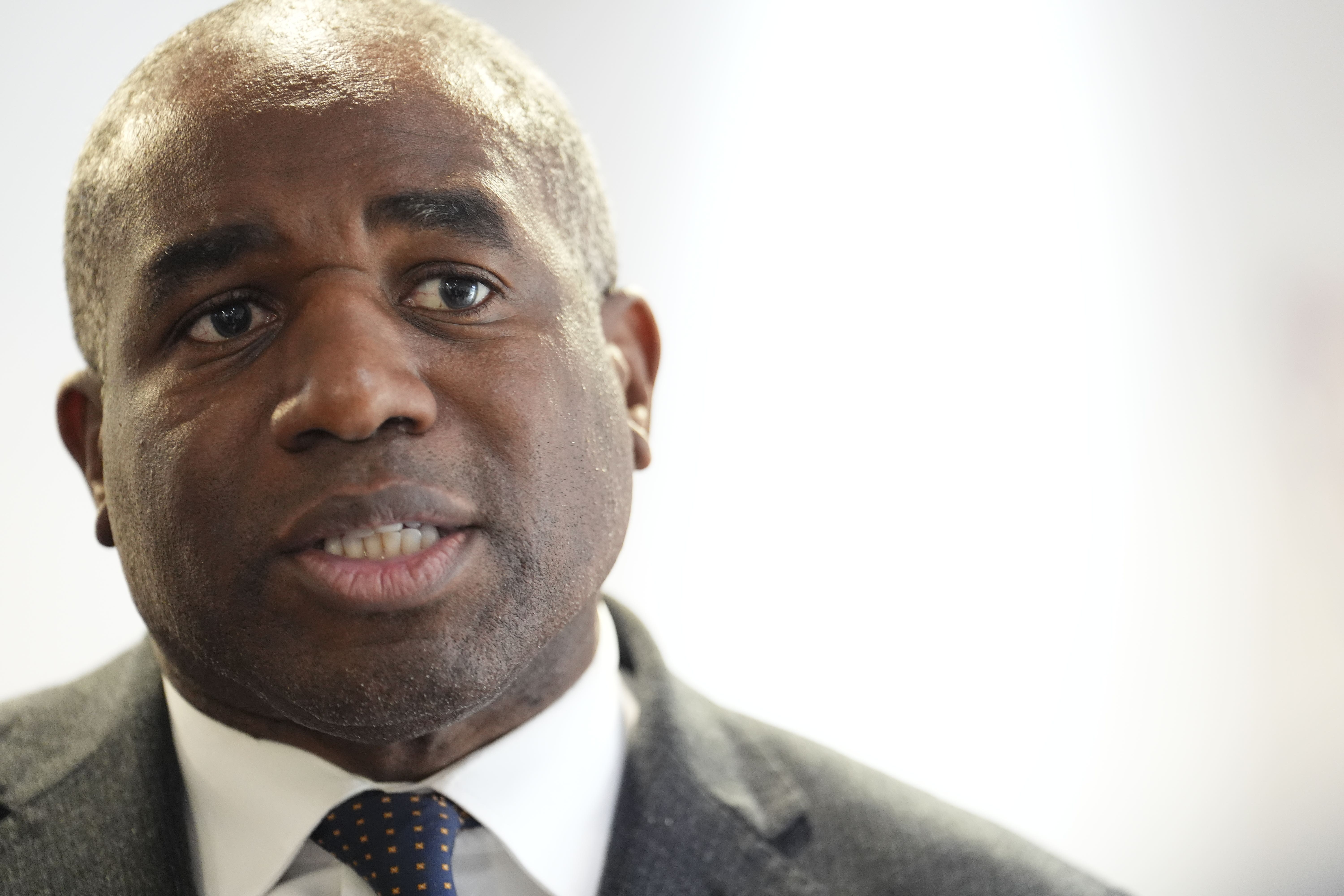
Dame Lynne made 33 recommendations to the government, which they have accepted, including a new investigation process to handle professional standards probes, use of body-worn video for more prison staff and upgraded CCTV.
She also called for a plan to phase out the use of paper records in prison releases.
Mr Lammy, who pledged to cut release mistakes to as “close to zero as possible”, added: “This independent review makes clear the unacceptable rise in release-in-errors have resulted from a broken system caused by 14 years of underinvestment and overcrowding in our prisons and courts.
“A system broken by over a decade of neglect cannot be fixed overnight, but in addition to the measures we put in place last year, today we are taking action to bring the prison system into the 21st century.
“We are rolling out biometrics, a new Justice ID and up to £82m to bear down on these errors and keep the public safe after years of chaos.
“Twenty million pounds of this will be used this year to digitise the archaic paper-based processes we inherited, as well as putting in more checks and more staff in place to stop these mistakes before they happen.”