
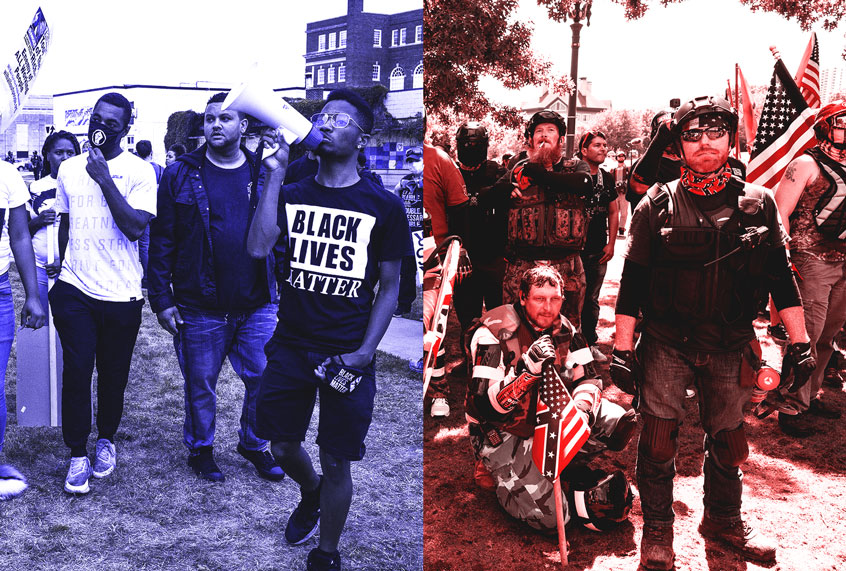
There was a time, not all that long ago, when the idea that American political life was dangerously polarized was controversial, and often vehemently denied. In 2004, Morris Fiorina and his co-authors published "Culture War? The Myth of a Polarized America," which argued that the electorate hadn't fundamentally changed much since 1964, when Philip Converse argued that the vast majority of voters were "innocent of 'ideology.'" Some scholars pushed back against this centrist, denialist consensus, but Fiorina's book ran through a third edition in 2010 — the year of the Tea Party wave election.
Today things look quite different — at least on the surface. Polarization research has exploded, exploring many different dimensions — social, ideological, affective — all resting on the premise that polarization is a big problem, if not the central problem, in American politics today. But this research too often tacitly yearns for a lost golden age of greater consensus, an age that was never golden for those effectively excluded: most women, people of color, LGBTQ folks and so on.