
Closing summary: Sterling slides as US dollar regains ground
The tale of the pound’s tricky month is of course the other side of dollar strength – something of a turnaround after a period of notable falls in the value of the greenback.
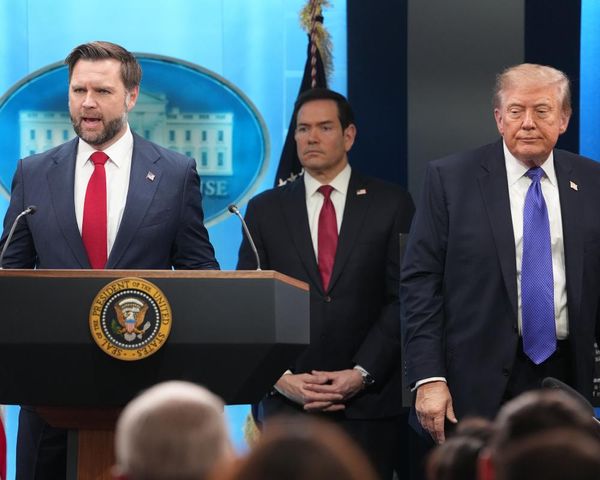
The dollar had declined as investors questioned the attractiveness of US assets under Donald Trump when he was committed to trade wars. Trump has gone ahead with tariffs on most of the US’s imports, but he has not quite followed through with the worst of his threats in recent weeks.
Allied to that, the US Federal Reserve has signalled that it is cautious about cutting interest rates, as it is worried about the inflationary pressure coming from tariffs. That has made the dollar relatively more attractive.
Jonas Goltermann, deputy chief markets economist at Capital Economics, a consultancy, said:
Judging by yesterday’s policy announcement and Chair Powell’s press conference remarks, the FOMC doesn’t look to be in a hurry to change its policy stance. That points to somewhat higher Treasury yields and a flatter yield curve. It also supports our view that the dollar will continue to rebound.
Victoria Scholar, head of investment, interactive investor, an investment platform said:
The first half of the year was characterised by a clear uptrend for cable (GBP/USD) but since the start of July, that trade has reversed course with significant sterling selling and dollar buying. Over the past month, the pound has lost about 3.75% against the US dollar.
In other business news today:
The technical failure that led to hundreds of flights being cancelled or delayed on Wednesday was an “isolated event” with “no evidence of malign activity”, the transport secretary has said, after summoning the head of the UK air traffic control service, Nats, to account for the disruption.
Microsoft has become the second publicly traded company to reach a $4 trillion market value, after it last night published a bumper set of financial results fuelled by the AI boom.
Standard Chartered chief executive Bill Winters said “Shame on them” of rival banks who have dropped their climate commitments amid mounting political pressure.
US Treasury Secretary Scott Bessent has declared that the US and China have made good progress towards agreeing a trade pact.
The Scottish government has granted permission for the world’s biggest offshore wind farm, 38km off the nation’s east coast.
You can continue to follow our live coverage from around the world:
Thank you for reading as ever. Please do join Graeme Wearden tomorrow to round out the business week. JJ
Phillip Inman, the Guardian’s senior economics writer, was at the launch of the UK government’s small business strategy in Swindon this morning, where Keir Starmer and business secretary Jonathan Reynolds said they would bring in legislation to tackle late payments by large firms.
The pledge of new laws giving extra powers to a small business commissioner was welcomed by the Federation of Small Businesses.
FSB boss Tina McKenzie said she was especially pleased by proposed rules that will force companies to publish a payment policy. The new rules would also impose interest charges automatically on those companies that delay payments by more than 45 days.
The event, also attended by transport secretary Heidi Alexander, brought together a range of businesses from Swindon. Starmer said:
We said to them, all the challenges you face, all the inhibitors, this is a plan to deal with them.
Large business lobby groups are expected to push back against rules forcing their audit committees to design a late payment policy that stays within a new 45-day limit. Interest payments on invoices that are left lying around are also likely to upset large businesses.
Big companies are those with 250 employees or more
Updated