When the proto-feminist writer Mary Wollstonecraft decided to marry the philosopher William Godwin, in 1797, she was thirty-eight, pregnant with their first child together, and had had a daughter out of wedlock with another man. Only five years earlier, she’d published A Vindication of the Rights of Woman, a historic manifesto that one might expect to have secured her radical bona fides. But many in Wollstonecraft’s inner circle of anti-establishment intellectuals scorned her capitulation to wifehood. In a letter to a friend, one former lover snarked that he could scarcely believe the “assertrix of female rights” and “balancier of political justice” had caved to social convention by getting hitched. When Wollstonecraft died shortly after giving birth to a daughter (the future Mary Shelley, author of Frankenstein), a grief-stricken Godwin wrote a memoir of the couple’s brief and actually-not-so-conventional romance, detailing his late wife’s psychological turbulence and all the sex she’d enjoyed outside of holy matrimony. This time, it was polite society that turned up its nose—at Wollstonecraft and at the feminist cause.
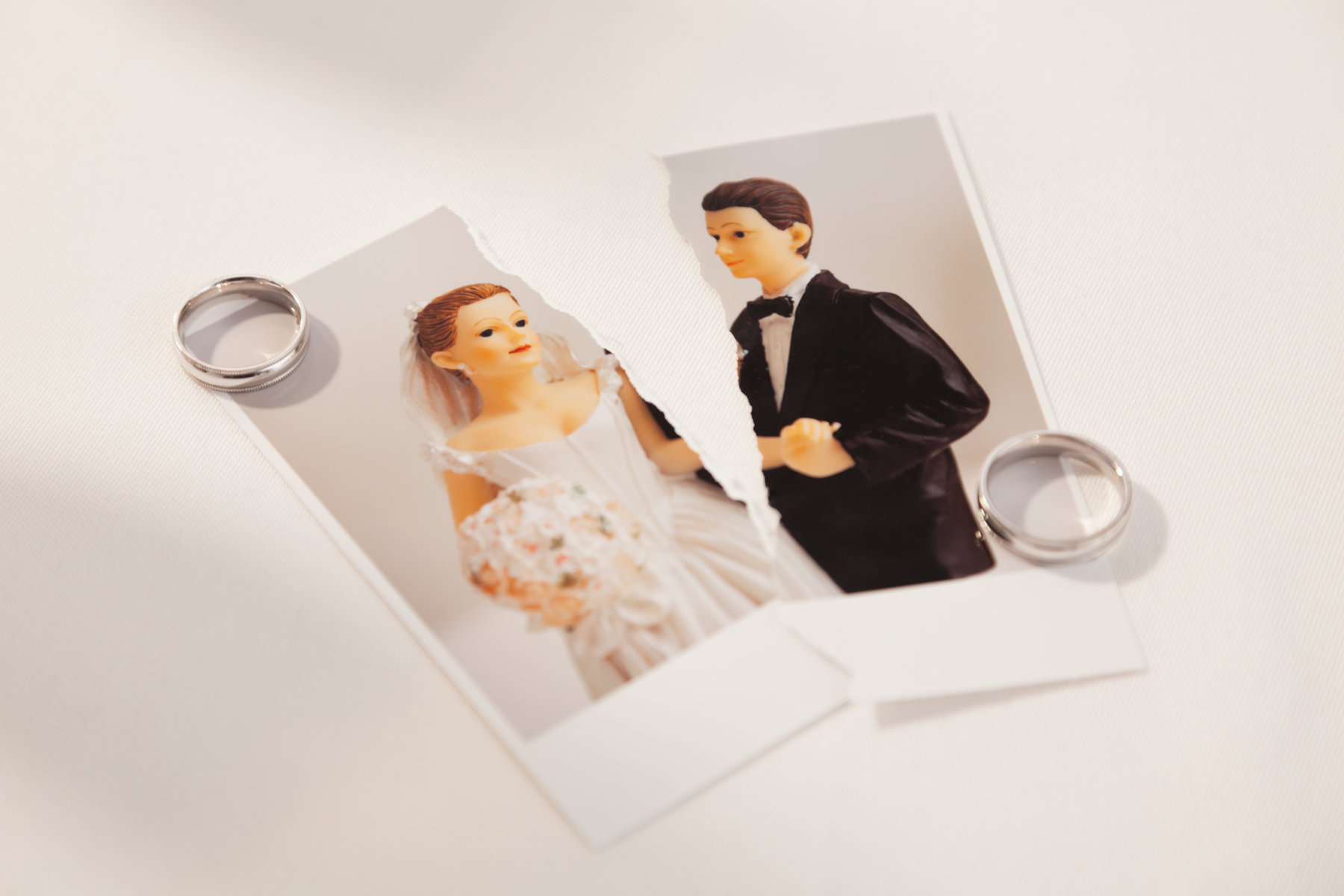
Though she wasn’t a divorcee herself, Wollstonecraft is an apt opening subject for A Life of One’s Own: Nine Women Writers Begin Again, the 2023 essay collection by the critic and Harper’s editor Joanna Biggs, in which the author undertakes a forensic examination of her own post-divorce reset by excavating the creative and romantic lives of eight literary women. The book is one of several entries into an emerging literary subgenre I’ll call “Millennial Divorce Books,” comprising a number of recent or forthcoming titles by women authors in their thirties to early forties, with the books set in motion, as advertised, by a divorce. In addition to Biggs’s contribution, the category includes 2024 memoirs by Leslie Jamison and Lyz Lenz; Monica Heisey’s bestselling 2023 novel Really Good, Actually; and Sucker Punch, the hotly anticipated essay collection by Scaachi Koul, due in March 2025. But don’t be fooled—the Millennial Divorce Book isn’t really about divorce. At least, not entirely. Instead, these books explore what it means to wrest control of one’s story in the face of a rupture whose cosmic implications are muddier than ever.