
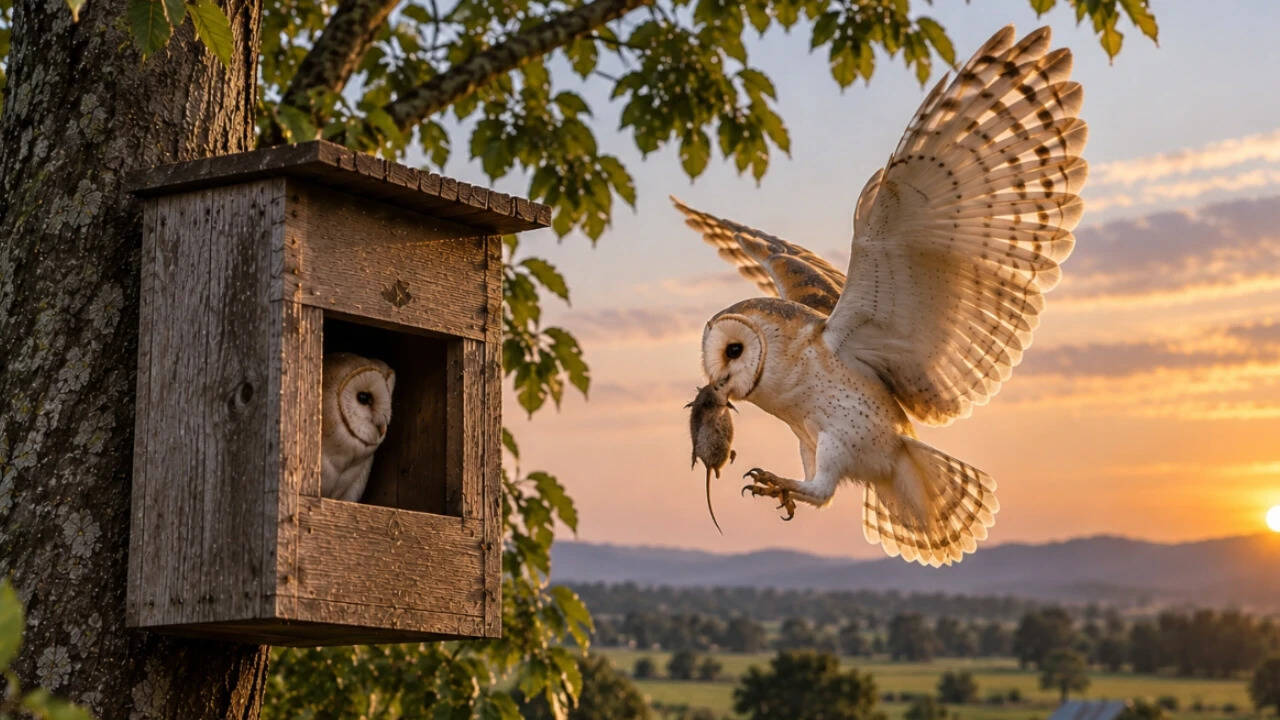
In the early 1980s, Israeli farmers and researchers started testing a natural alternative to chemical rodent control. They came up with giving barn owls artificial places to nest which were closer to agricultural fields. The aim behind this idea was to use an existing predator, instead of introducing a new species, to hunt rodents that could damage the crops. In 1983, one of the best-documented programmes began in Israel's Beit She’an Valley, where 14 nest boxes were installed across around three kilometres. What initially appeared to be a straightforward biological control strategy, however, soon became complicated as researchers faced the question of what would happen when owls encountered rodents that conservationists were trying to protect.
Get breaking news anytime, anywhere. Download the TOI app now!