
In the early hours of Oct. 28, a conspiracy theorist broke into House Speaker Nancy Pelosi's San Francisco home and hit her 82-year-old husband on the head with a hammer, fracturing his skull. The previous July, President Biden visited Saudi Arabia, hoping to persuade Saudi Crown Prince and Prime Minister Mohammed bin Salman to ease oil production to make up for flows disrupted by Vladimir Putin's war in Ukraine: It was an obvious bid to head off inflation at home and improve Democrats' chances in the midterm elections. The Saudi-led oil cartel OPEC decided to cut production instead.
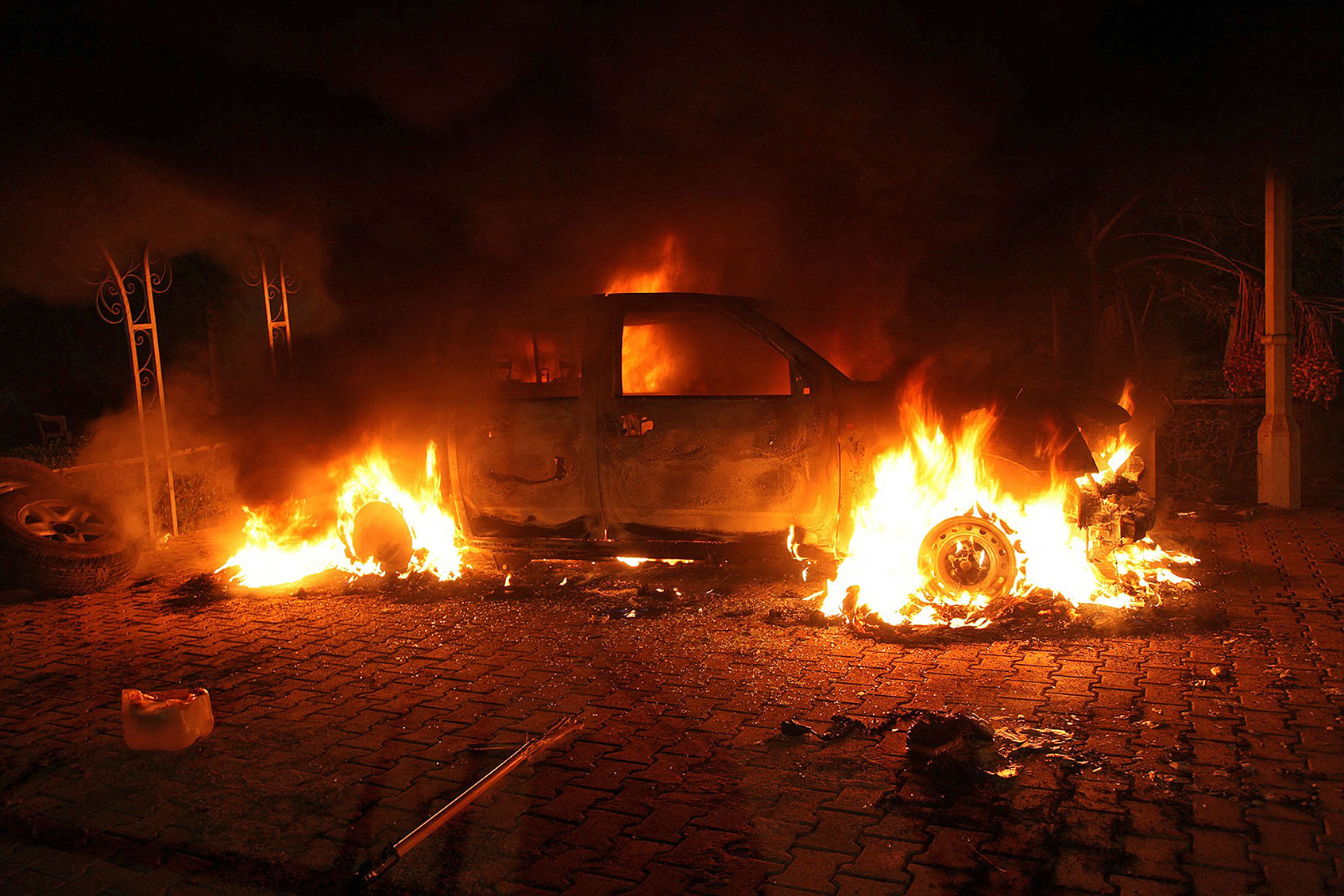
In both of these events, one can find the residue of the 2012 attack on the U.S. mission in Benghazi, Libya, and the nearly four-year partisan melee it unleashed. At many other points in American history the Pelosi attack might have been dismissed as a freak event, but in a political climate boosted into orbit by the Benghazi attack and its extended aftermath, it's evidence of an ever-growing pattern of homegrown extremism. The Saudi monarchy's pass on Biden's request highlights the degree to which the Middle East, despite endless statements to the contrary, still has the power to change the course of American domestic politics.













