
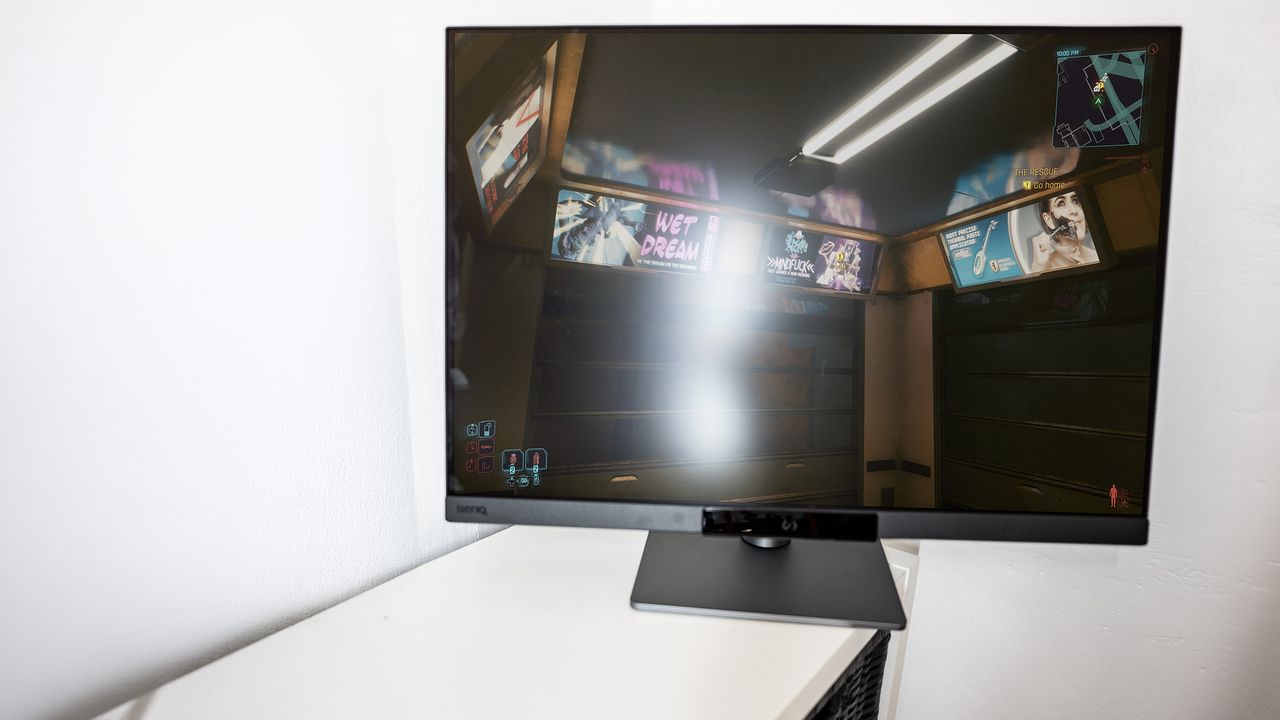
Readers of a certain vintage, the sort that are covered in dust and need to be rotated every month to prevent sediment buildup, will remember 4:3 screens. They were the sort of thing that came with your 80286 DOS machine in the form of a 14-inch CRT monitor that had the outward curve of a goldfish bowl, made a sound like an A10 plinking tanks when you changed resolution, and came with a 15-pin VGA connector that was surprisingly fragile if you tried to plug it in carelessly. Somehow I discovered that a bent pin could be fixed by pulling it out, then sawing one of my mother's dressmaking pins in half and sticking it in the hole left behind. These were simpler times and we made the best of what we had.
Then came a revolution. Two, actually. The CRT screen was replaced with the LCD, and all-conquering 16:9 widescreen eventually led to 21:9 and 32:9 monitors cluttering up desks everywhere.