
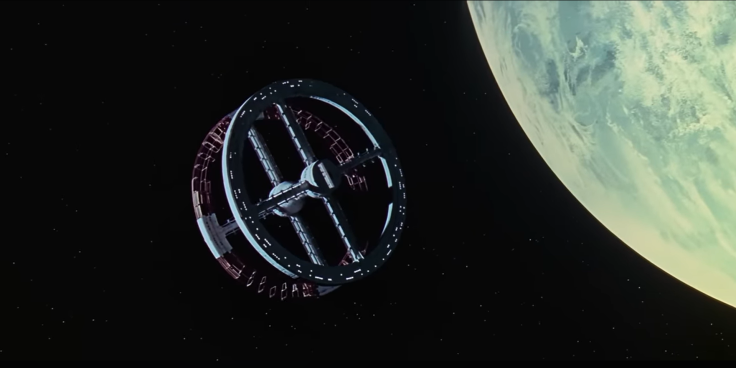
Scientists are now developing spinning space stations with artificial gravity that could take astronauts deeper into the Solar System in the 2030s, reshaping how long humans can stay in space and how seriously we hunt for alien life. The flagship artificial gravity project, run by US firm Vast, centres on rotating habitats designed to give crews something close to Earth‑like conditions for months or even years at a time, turning a long‑standing science‑fiction idea into a practical tool for deep‑space exploration.
Astronauts on today's orbiting platforms, including the International Space Station, live in microgravity because their spacecraft are in constant free‑fall around Earth. The floating looks fun in clips, but long spells without weight‑bearing can cause bone thinning, muscle loss, heart strain, immune system shifts and eyesight problems, which is why extended deep‑space missions are currently a serious medical challenge.