
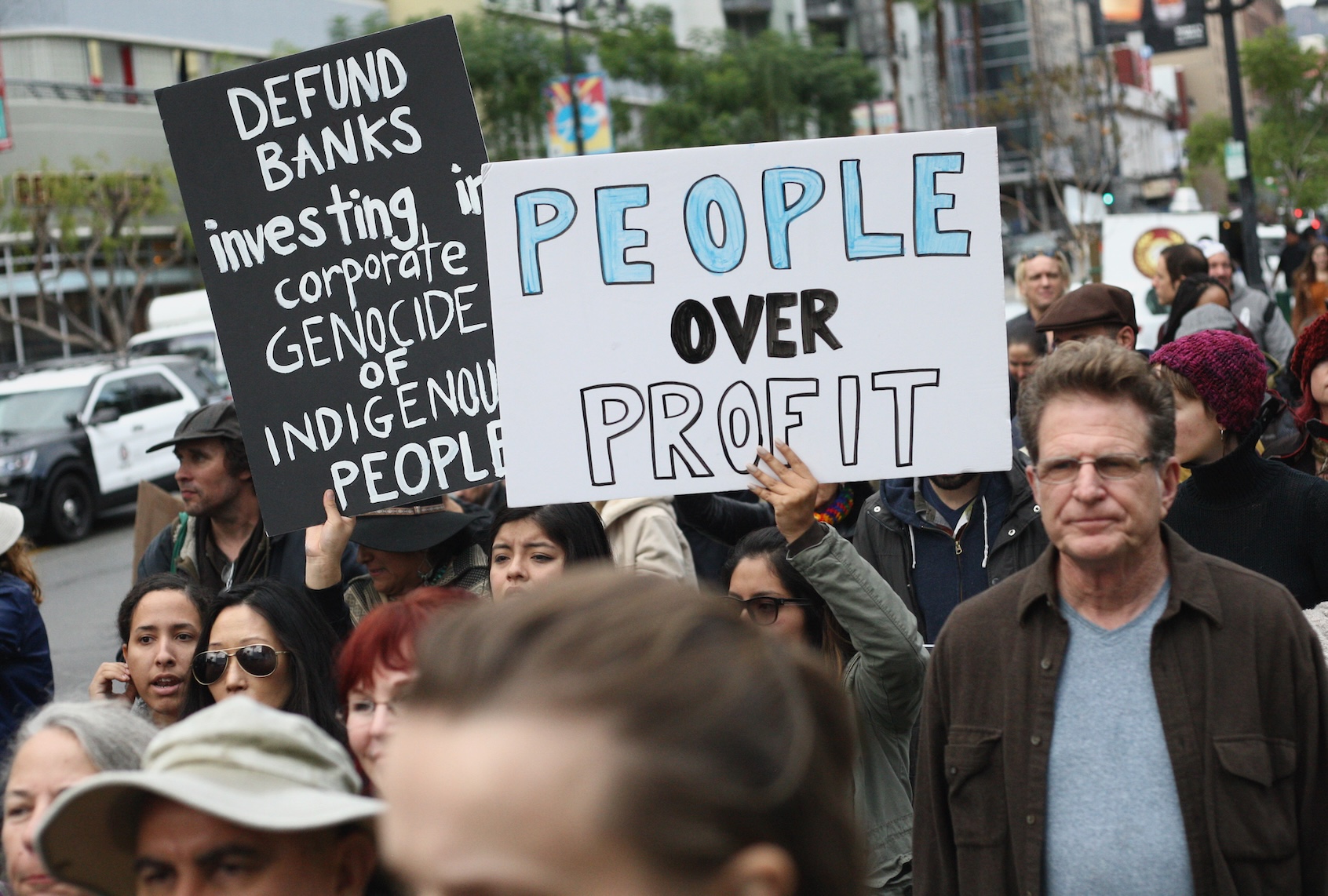
I’m a huge fan of the corporate death penalty, a legal process in which a corporation is forced to dissolve or stop existing. (This is actually the only death penalty I support, because the state executing humans isn’t just unethical, it also doesn’t work to deter homicides. But unlike what the Supreme Court believes, I don’t think of corporations as human.) More formally known as judicial dissolution, the corporate death penalty basically happens when the government is so pissed off by the corruption or damage a corporation causes that it yanks away their charter.
The mechanism has existed since at least the 19th century, but it has only been used a few times, usually in response to severe environmental destruction. In 1890, the North River Sugar Refining Corporation was dissolved by New York’s highest court on the grounds that it was abusing its power as a corporation. The judge’s opinion contains this little gem: “The life of a corporation is indeed less than that of the humblest citizen…”











