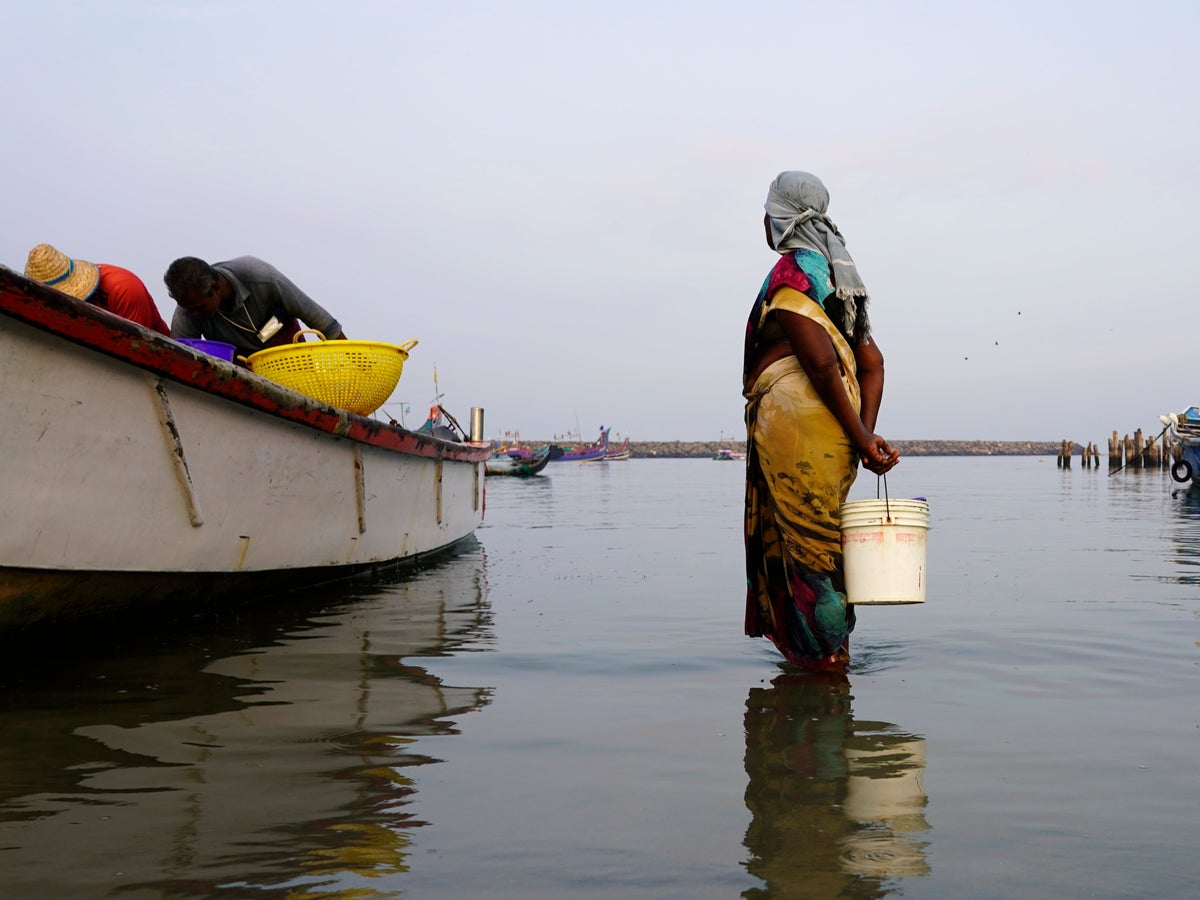
Research from the United Nations has found that 80 per cent of those who have been displaced by climate change are women. This doesn’t mean the leading voices in tackling it are women, though. Earth Day, which falls today (22 April) with the theme “Invest In Our Planet”, provides a critical chance to look at the dearth of attention placed on women and marginalised communities within climate discourse. While the day is an opportunity to engage in crucial discussions about the future of our planet, it must also be a wake-up call to reflect on our response to the climate emergency and ensure our approach does not exclude those individuals who bear the most brutal repercussions of this crisis.
But what exactly does this kind of intersectionality mean? Intersectionality, a term coined by black feminists in the 1970s, is a framework used to analyse how different aspects of our identity intersect each other. This includes gender identity, race, ability, class and sexuality. The premise is that systems of oppression like racism and capitalism do not occur in isolation, but facilitate one another. For example, the climate crisis disproportionately affects women by leaving them more exposed to domestic abuse and intensifying existing gender inequalities, but this analysis does not account for disabled or queer women, whose situation will be even worse.