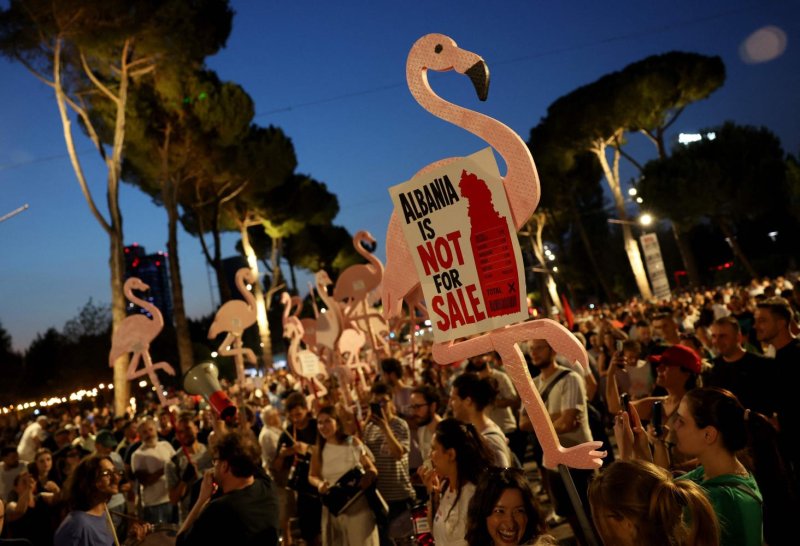
Conventional wisdom has it that an autocratic ethnonationalist backlash against global capitalism and liberal democracy is driving 21st-century politics. Yet recent developments have shown the political revolt to be more nuanced. In an era of rapid technological and economic change, people invariably look to the past. But nostalgia can inspire both ethnonationalists and those seeking to resist autocracy.
This perspective may help us understand why Donald Trump has come to power twice in the United States on the promise of restoring national greatness. As many people grapple with the paradox of an anti-globalist president who constantly pursues "deals" around the world, Central and Eastern Europe may hold the key to reframing the issue. Between 1989 and 1991, this region produced the most consequential political earthquake of the late 20th century. People mobilised behind a vision of liberalism and democracy mixed with nationalism to reject Soviet-era communist internationalism.